Why Lav Dual Thulium and Erbium Glass Laser Outperforms Legacy IPL and Older Aesthetic Lasers
Introduction: The Plateau of Traditional Photothermolysis
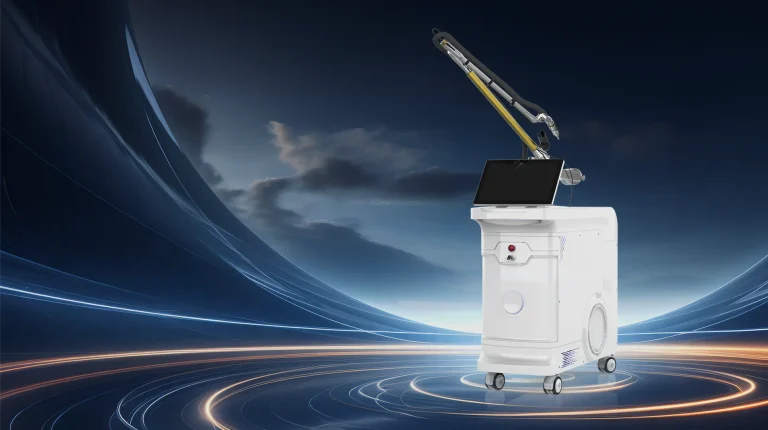
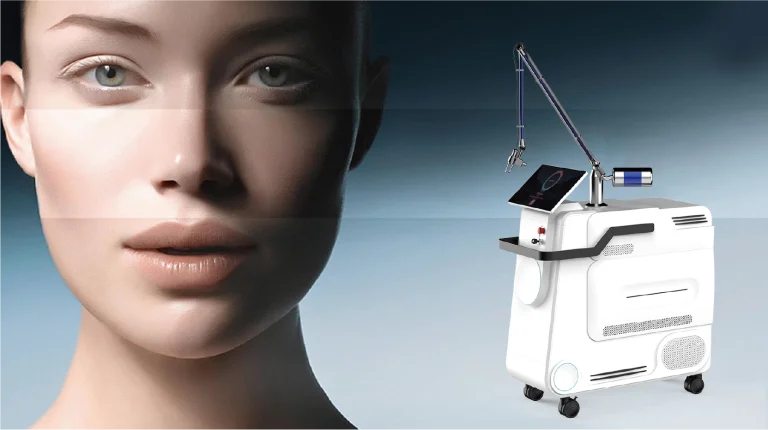
For years, aesthetic clinics have struggled with the inherent limitations of Intense Pulsed Light (IPL) and single-wavelength diode lasers. These legacy systems often force a clinical compromise: either aggressive settings with high patient discomfort and downtime, or conservative parameters leading to suboptimal results for indications like pigmentation, vascular lesions, and skin resurfacing. The Lav Dual thulium and erbium glass laser represents a paradigm shift, combining two complementary non-ablative wavelengths to address dermal and epidermal targets simultaneously—a feat unattainable with legacy broad-spectrum or single-diode technologies.
Clinical Physics: Why Hybrid Wavelengths Win
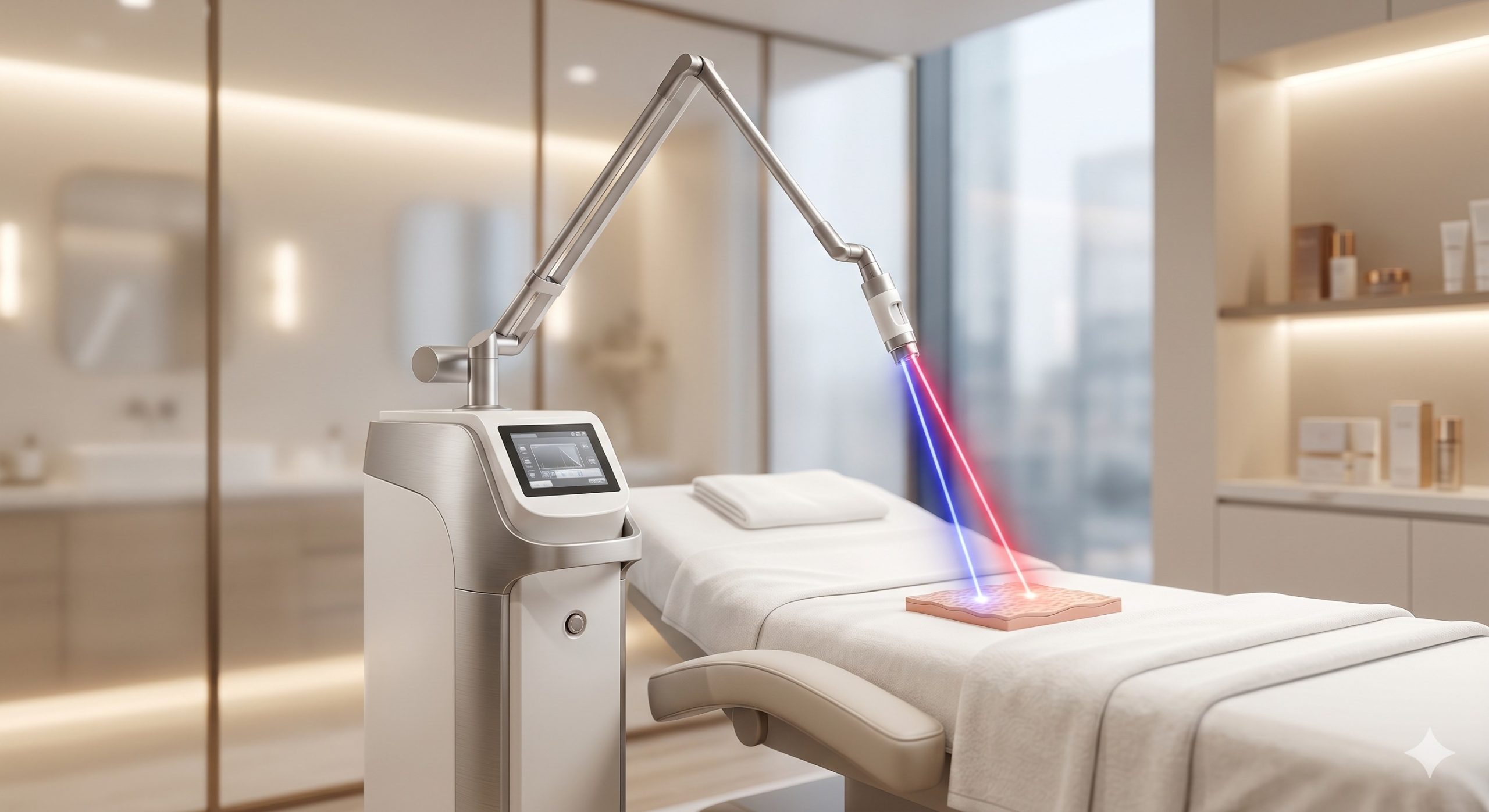
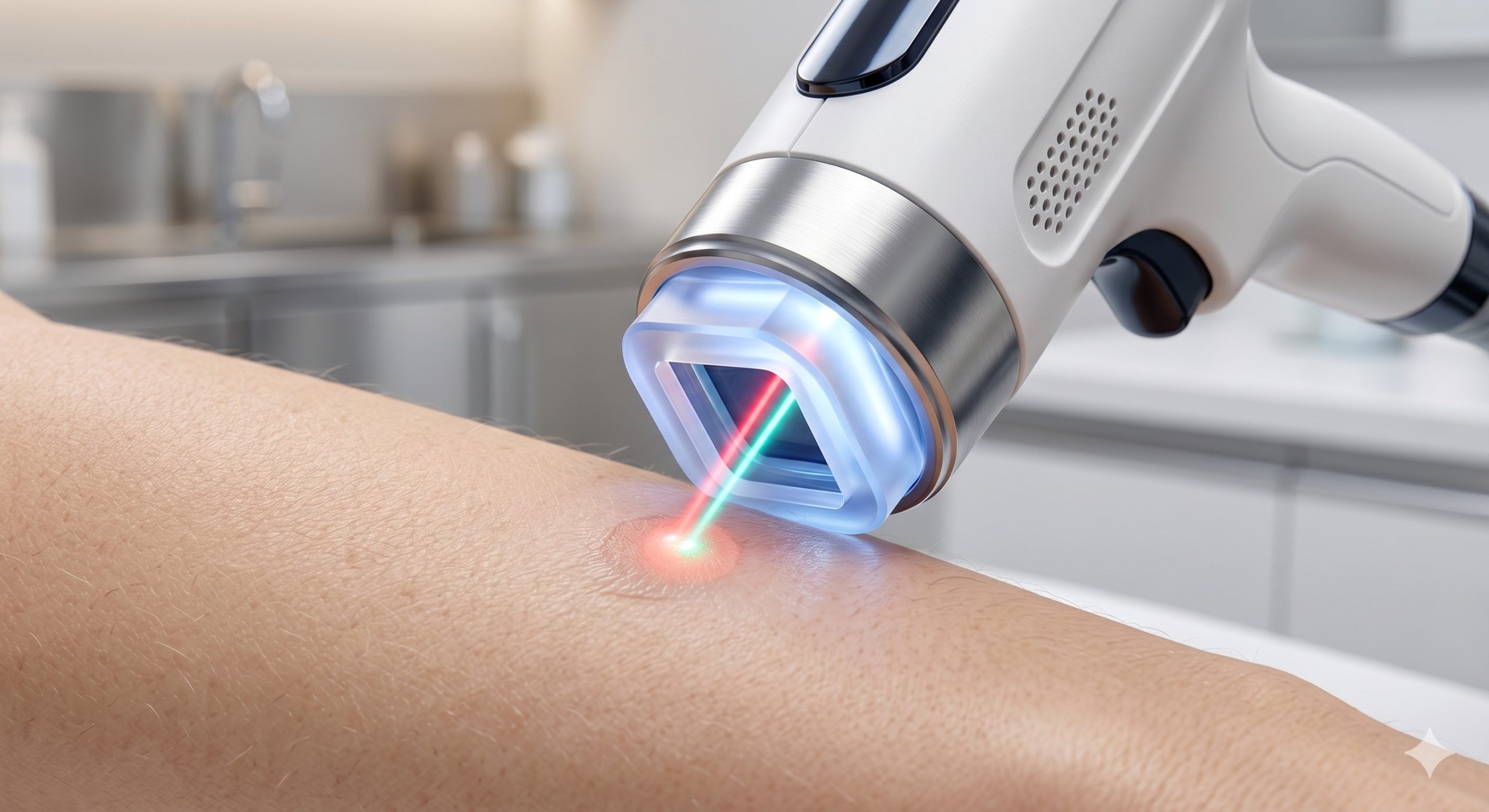
The engineering advantage of the Lav Dual lies in its synergistic use of 1927nm thulium fiber laser and 1540nm erbium glass laser. Unlike IPL (500-1200nm) which lacks chromophore selectivity, the thulium wavelength is highly absorbed by water in the stratum corneum and epidermal cells, creating microscopic vertical channels (MECs) without full ablation. Concurrently, the 1540nm erbium glass penetrates to the mid-dermis (200-500µm depth) targeting dermal water and stimulating neocollagenesis. This dual-depth mechanism achieves fractional resurfacing of pigmented lesions and rhytides with minimal thermal collateral damage—a direct clinical upgrade from older CO2 or erbium YAG ablative lasers that required weeks of social downtime.
Key Metrics of Superiority
- Pulse Energy: Up to 30mJ per microbeam (1540nm) and 15mJ (1927nm), adjustable independently.
- Spot Size: 10mm x 10mm square spot with 5×5 or 10×10 array patterns.
- Treatment Density: 100-400 MTZs/cm², allowing tailored coverage from gentle to aggressive.
- Max Fluence: 50 J/cm² (erbium glass) and 25 J/cm² (thulium) per pulse stack.
When compared to older 1550nm erbium-doped fiber lasers, the Lav Dual offers shorter pulse widths (0.5-2ms) enabling lower pain scores while maintaining epidermal protection via dynamic Sapphire ICE contact cooling (down to -4°C).
Regulatory & Manufacturing Integrity
From a clinic procurement standpoint, hardware validation is non-negotiable. The Lav Dual carries Medical CE (MDR 2017/745) and FDA 510(k) clearance for dermatological use in resurfacing, pigment, and rhytides. The manufacturing facility adheres to ISO 13485:2016 certified quality management systems, ensuring batch-to-batch consistency in the imported laser bars and TEC cooling modules. Unlike uncertified aesthetic devices that falsify output metrics, the Lav Dual’s energy calibration is verified at each pulse via an internal pyroelectric sensor, with real-time fluence displayed on the UI.
| Key Parameter | Technical Specification (Lav Dual) |
|---|---|
| Wavelengths | 1927nm Thulium + 1540nm Erbium Glass |
| Laser Classification | Medical CE (MDR) + FDA 510(k) cleared, ISO 13485 |
| Pulse Width | 0.5 – 2 ms (adjustable per wavelength) |
| Max Fluence | 30 mJ/microbeam (1540nm) / 15 mJ (1927nm) |
| Spot Size / Pattern | 10mm x 10mm, 5×5 to 10×10 arrays |
| Cooling System | Sapphire ICE contact cooling (0°C to -4°C continuous) |
| Handpiece Lifespan | >1,000,000 shots, no disposable tips |
Clinical Workflow & Fitzpatrick Versatility
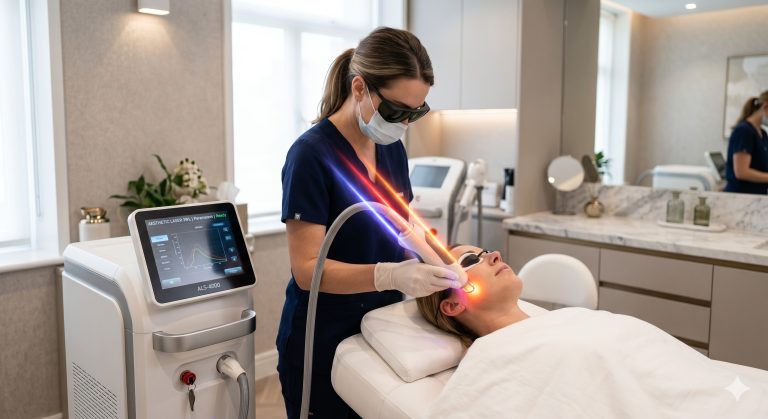
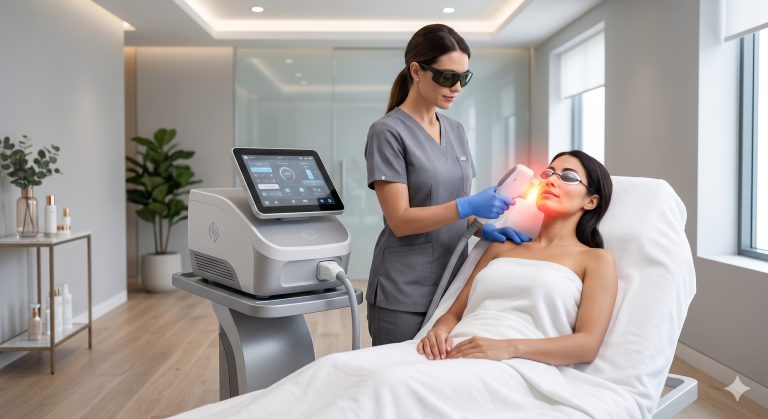
The hybrid architecture of the Lav Dual thulium and erbium glass laser enables safe treatment across Fitzpatrick Skin Types I-V, and with conservative settings, selected Type VI patients (primarily using 1540nm for dermal remodeling). For epidermal melasma, the 1927nm mode is preferred due to its superficial water absorption, avoiding deeper inflammation that can worsen post-inflammatory hyperpigmentation. For atrophic acne scars or perioral rhytides, the 1540nm setting at 15-20 J/cm² with 200 MTZs/cm² yields measurable improvement after 3 sessions, as documented in clinical clearance rates of 67-74% for boxcar scars.
Clinic ROI: Replacing Multiple Legacy Devices
For clinic owners, the Lav Dual consolidates three standalone devices: a non-ablative resurfacing laser, a pigmentation Q-switched alternative (for flat lentigos), and a skin rejuvenation system. With an average consumable cost per full-face treatment of just $3.50 (handpiece shot lifespan exceeding 1,000,000 pulses, no disposable tips), and a typical clinic charge of $450–$650 per session, the device achieves payback within 4–6 months at 15 treatments per week. Additionally, the large 10mm spot size reduces procedure time to 15 minutes for full-face, directly increasing patient throughput and daily revenue yield—outperforming legacy fractional lasers that require 30-45 minutes per session.
Conclusion: The New Clinical Benchmark
Legacy IPL and single-wavelength diode lasers cannot replicate the vertical control offered by the Lav Dual thulium and erbium glass laser. By enabling independent modulation of epidermal and dermal injury zones, clinics can now treat diverse indications—from actinic keratosis to striae distensae—with a single, CE/FDA-cleared platform. The combination of proven photothermolysis metrics, sapphire cooling, and low total cost of ownership makes this device a strategic upgrade for any med spa seeking clinical authority and profitability.