The Ultimate Clinic Guide to 1550nm Thulium Laser Deep Skin Resurfacing: Efficacy, Wavelengths, and ROI
Introduction: The Clinical Imperative for Advanced Skin Resurfacing
In the competitive landscape of modern aesthetic medicine, clinics are constantly seeking technologies that deliver superior clinical outcomes with high patient satisfaction and robust return on investment. The 1550nm thulium laser has emerged as a cornerstone of non-ablative skin resurfacing, offering a powerful solution for a wide range of dermatological concerns, from photoaging and dyschromia to acne scars . This guide provides a comprehensive, clinically-driven analysis of the 1550nm wavelength’s mechanisms, technical specifications, and its role as a high-ROI asset for the forward-thinking medical spa.
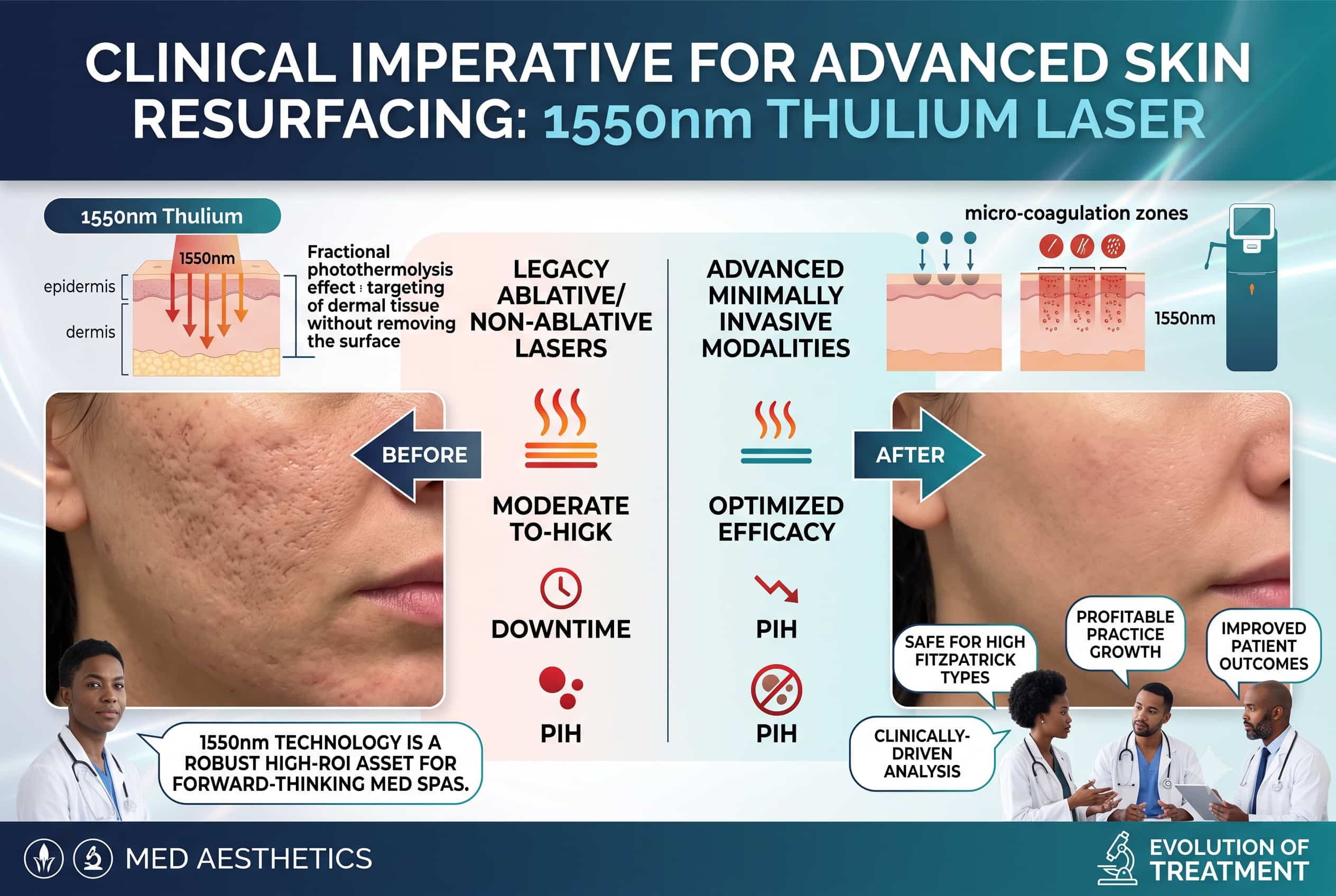
[IMAGE_1]Physical Mechanism: The Science of Selective Photothermolysis
The efficacy of the 1550nm thulium laser is rooted in the principle of fractional photothermolysis. Unlike ablative lasers that vaporize entire swaths of tissue, this technology creates microscopic treatment zones (MTZs)—columns of thermal injury that penetrate the epidermis and dermis while leaving the surrounding skin intact. This unique approach stimulates the body’s natural healing cascade, triggering neocollagenesis and neoelastogenesis for comprehensive tissue remodeling .
Chromophore Targeting and Penetration Depth
The 1550nm wavelength is preferentially absorbed by tissue water. This high absorption coefficient allows for the precise coagulation of dermal tissue, making it exceptionally effective for deep dermal remodeling. The resulting thermal effect, with zones of coagulation reaching depths of 700–1300 μm, is optimal for treating atrophic scars and deep rhytides . The 1927nm thulium wavelength is more superficially absorbed, targeting the epidermis for pigmentation and superficial lesions, often working synergistically with the 1550nm wavelength in dual-laser systems .
Focal Point Technology: A Paradigm Shift in Energy Delivery
Innovations in delivery mechanisms, such as Focal Point Technology, represent a significant advancement. This technology employs conical beams to deliver higher fluences safely. Traditional 1550nm lasers are often limited to 70 mJ due to epidermal thermal damage risks. Newer generation lasers utilizing this technology can safely deliver up to 150 mJ per pulse . The energy is spatially spread over a larger area at the skin’s surface, concentrating it at the targeted focal point in the deep dermis . This maximizes therapeutic effect while minimizing the risk of adverse events like burns and dyspigmentation, even in darker skin types.
Healing Mechanism: From MTZ to Dermal Remodeling
Following the creation of MTZs, the body initiates a rapid healing process. Within 24 hours, microscopic epidermal necrotic debris (MEND) forms, shuttling damaged melanin and elastin out of the epidermis. By day seven, complete epidermal regeneration occurs. The dermal remodeling phase, which involves an increase in Type III collagen and elastin, continues over several months, with final results becoming apparent at 3 months post-treatment .
Cooling Systems and Patient Safety
Epidermal protection is critical for safe and effective laser treatments. Advanced 1550nm systems integrate sophisticated cooling mechanisms to preserve the epidermis and enhance patient comfort. Technologies such as a sapphire contact cooling window integrated into the handpiece provide continuous, even cooling to the skin’s surface, reducing the risk of thermal injury and post-inflammatory hyperpigmentation (PIH) . This feature is paramount for treating diverse patient demographics and ensuring a painless, comfortable experience.
| Key Parameter | Technical Specification |
|---|---|
| Wavelength / Laser Type | 1550nm Erbium Glass Fiber (Non-Ablative Fractional) |
| Target Chromophore | Tissue Water |
| Typical Pulse Energy (Standard) | Up to 70 mJ (Traditional) |
| Pulse Energy (Focal Point Technology) | Up to 150 mJ (New Generation) |
| Zone of Coagulation Depth (Deep) | 700 – 1300 μm |
| Zone of Coagulation Depth (Superficial) | 200 – 400 μm |
| Cooling System | Sapphire Contact Cooling (Down to -10°C) |
| Common Indications (1550nm) | Acne Scars, Surgical Scars, Periorbital Wrinkles, Dyschromia, Melasma |
| Common Indications (1927nm) | Actinic Keratosis, Age Spots, Pigmented Lesions |
| Safety Standards | Medical CE, FDA Cleared, ISO 13485 |
Clinical Efficacy and Indications
The 1550nm thulium laser is a versatile tool for a multitude of indications:
- Acne Scars: A prospective, multi-center clinical study demonstrated significant improvement in acne scars across all Fitzpatrick skin types (I-VI), with 78.0% of subjects rated as improved by physicians and a 90.2% responder rate based on ECCA scores . The deep dermal coagulation stimulates the neocollagenesis necessary to remodel atrophic scars.
- Dyschromia and Pigmented Lesions: The 1550nm wavelength effectively targets dyschromia, melasma, and fine lines. When combined with the 1927nm wavelength, it offers a comprehensive approach for both superficial and deep pigmented lesions .
- Neck Rejuvenation: The delicate skin of the neck responds exceptionally well to high-energy, non-ablative resurfacing. A retrospective chart review of a new-generation 1550nm laser with Focal Point Technology showed a 100% clinical improvement rate for neck rejuvenation, with an average treatment time of just 5.72 minutes .
Fitzpatrick Skin Type Application
A key advantage of the 1550nm wavelength is its safety and efficacy across all Fitzpatrick skin types (FST I-VI). Traditional non-ablative lasers can carry a significant risk of PIH in darker skin types. Studies on new-generation 1550nm lasers have reported lower rates of prolonged hyperpigmentation—as low as 2.1% compared to 57.1% with traditional systems—due to advanced cooling and energy delivery mechanisms . Subgroup analyses demonstrate that consistent treatment responses can be achieved across lighter (FST I-III) and darker (FST IV-VI) skin types without statistically significant differences in adverse event rates, making it a safe and inclusive solution for a growing, diverse patient base .
ROI and Clinic Business Strategy
From a business perspective, the 1550nm thulium laser is a high-value investment that drives profitability. Key ROI drivers include:
- High-Throughput Capabilities: Large spot sizes, high-frequency settings, and fast treatment times (e.g., less than 6 minutes for the neck) allow clinics to maximize daily patient volume and revenue .
- Minimal Consumable Costs: Many advanced systems feature handpieces with long lifespans (e.g., 100% hours or high shot-count limits), reducing the total cost of ownership and improving long-term profit margins .
- Broad Patient Appeal: The ability to safely treat all skin types expands the addressable market, allowing clinics to attract a diverse clientele seeking effective, non-invasive solutions for aging skin and scars.
- Premium Pricing & High Retention: Patients require multiple sessions to achieve optimal results, ensuring long-term patient engagement and a high lifetime value. The ability to offer a painless, effective treatment with minimal downtime commands premium pricing.
Conclusion: The Future of Aesthetic Resurfacing
The 1550nm thulium laser represents a pinnacle of aesthetic technology, combining deep dermal remodeling with an exceptional safety profile. Its advanced mechanisms—from precision photothermolysis to innovative cooling—deliver consistent, quantifiable results across all skin types and a wide range of indications. For the discerning clinic, it is not just a treatment device; it is a strategic asset that enhances clinical reputation, broadens the patient base, and solidifies long-term profitability. As technology continues to evolve, systems integrating features like Focal Point Technology and dual-wavelength capabilities are setting a new standard for safe, effective, and efficient skin resurfacing.