The Ultimate Clinic Guide to Best Equipment for Skin Pigmentation Removal: Efficacy, Wavelengths, and ROI
The $12 Billion Pigmentation Challenge: Why Your Clinic Needs the Right Arsenal
For medical aesthetics clinic owners, treating hyperpigmentation remains one of the most profitable yet clinically demanding services. Melasma, solar lentigines, and post-inflammatory hyperpigmentation drive over 40% of all aesthetic consultations. However, the market is flooded with sub-optimal devices claiming results. Investing in the best equipment for skin pigmentation removal requires understanding the physics of selective photothermolysis, epidermal safety margins, and long-term total cost of ownership (TCO). This guide provides a data-driven evaluation of clinical-grade platforms with Medical CE, FDA clearance, and ISO 13485 certifications.
Selective Photothermolysis: The Wavelength Science Behind Melasma & Sunspot Clearance
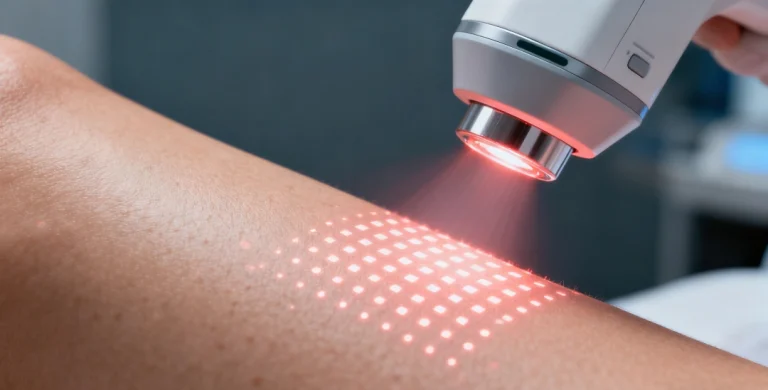
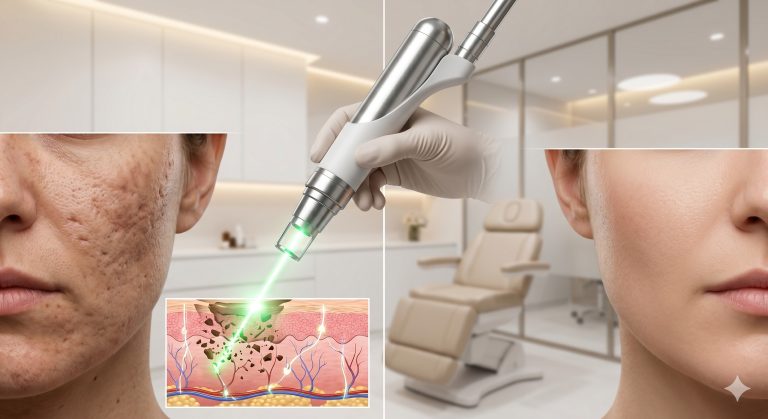
The cornerstone of effective pigmentation removal is precise targeting of melanosomes without coagulating surrounding tissue. The optimal best equipment for skin pigmentation removal leverages three dominant wavelengths based on melanin absorption coefficient and penetration depth. 755nm (Alexandrite) offers the highest melanin absorption, ideal for epidermal pigmentation (freckles, solar lentigines) on Fitzpatrick I-III. 1064nm Nd:YAG (Q-Switched or Pico-second) penetrates deeper into the dermis, crucial for dermal melasma and darker skin types (Fitzpatrick IV-VI) due to reduced epidermal competition. 532nm (KTP) is reserved for very superficial red/brown pigments but carries a higher risk of post-inflammatory hyperpigmentation (PIH) in untrained hands.
Critical Output Metrics: Fluence, Spot Size, and Pulse Width
Clinically significant parameters for pigmentation devices include Energy Density (Fluence) ranging from 0.5 to 10 J/cm² for Q-Switched systems and 0.2 to 2.5 J/cm² for Pico-second devices. Spot Size must be adjustable from 1.5mm (for pinpoint pigmentation) to 8mm (for larger sun patches). Larger spot sizes reduce scatter and allow deeper penetration at lower fluence, minimizing PIH risk. Pulse Width is the single most decisive factor: nanosecond (5-50ns) or picosecond (300-900ps) domains generate photoacoustic shockwaves that shatter pigment granules into dust, enabling faster lymphatic clearance than thermal coagulation alone.
| Key Parameter | Technical Specification (Medical-Grade Platform) |
|---|---|
| Wavelengths Available | 532nm (KTP) / 755nm (Alexandrite) / 1064nm (Nd:YAG) |
| Pulse Width Technology | Pico-second (300-900ps) + Q-Switched Nanosecond (5-30ns) |
| Energy Density (Fluence) | 0.2 – 10 J/cm² (wavelength-dependent) |
| Spot Size Adjustment | 1.5mm, 2mm, 3mm, 4mm, 5mm, 6mm, 8mm (zoom handpiece) |
| Cooling Mechanism | Sapphire Contact TEC (-5°C to +20°C) + optional Cryogen Spray |
| Peak Power | Up to 1.5 GW (pico-second mode) |
| FDA Clearance / CE Mark | Medical CE (Class IIb / III) & FDA 510(k) for pigmentation & tattoo |
| ISO Certification | ISO 13485 (Medical device manufacturing) |
| Handpiece Durability | 1 million shots guaranteed / replaceable laser bar |
Epidermal Protection & Comfort: Beyond the Handpiece
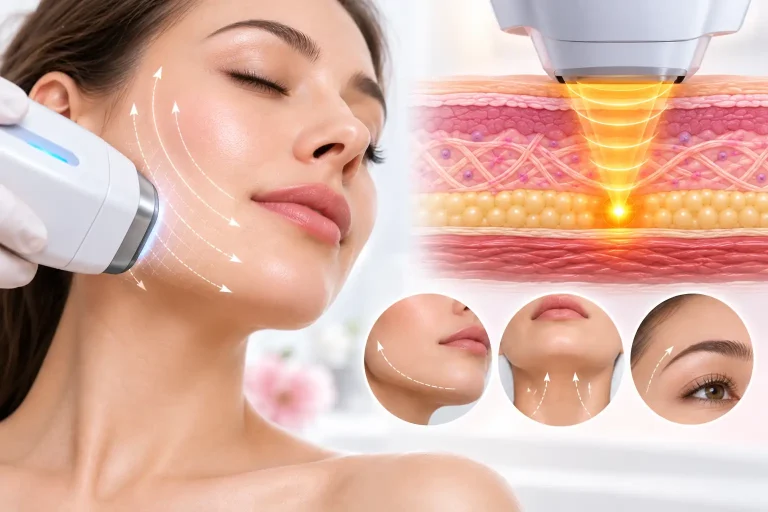
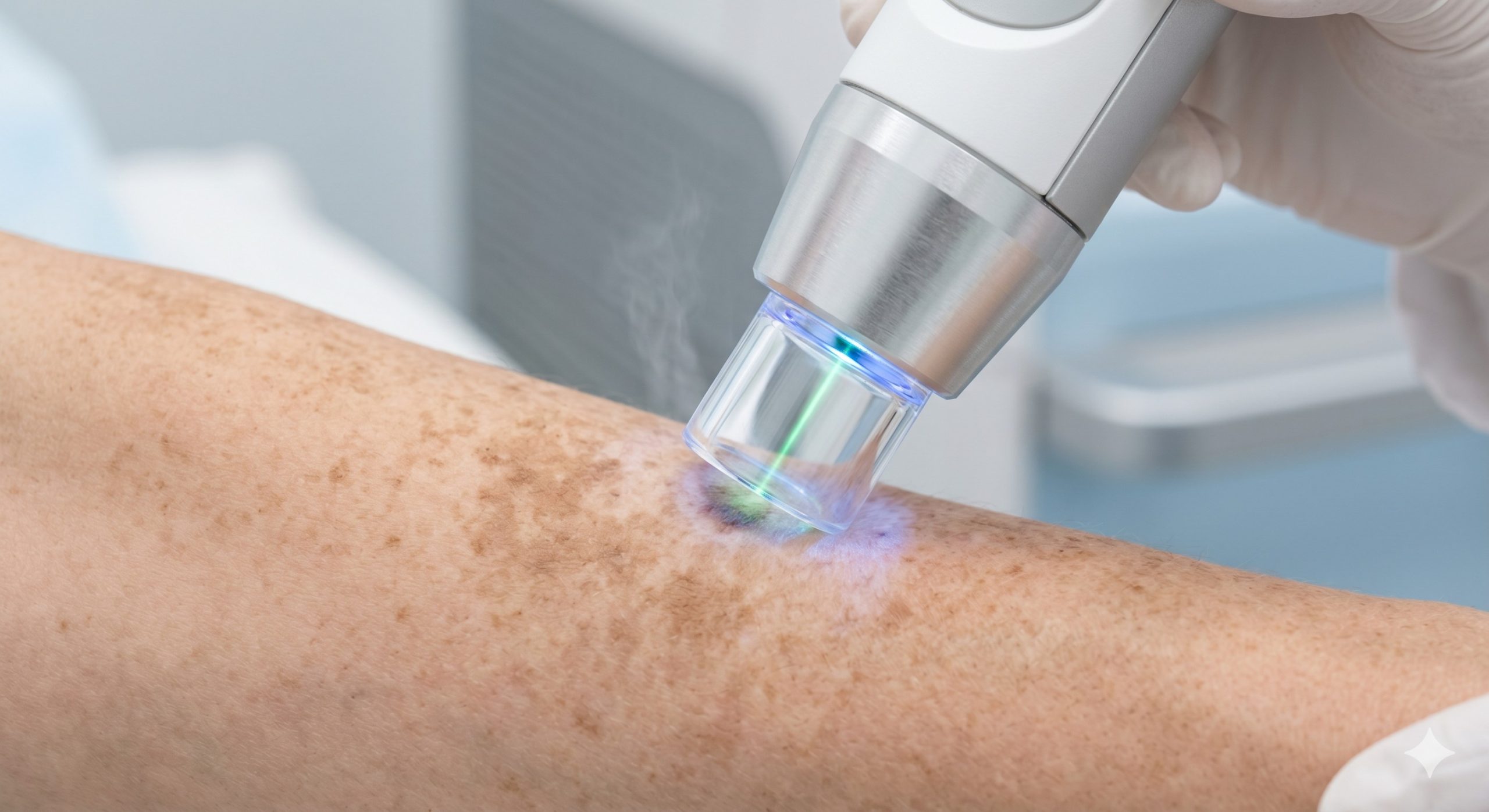
The distinction between commodity devices and truly best equipment for skin pigmentation removal lies in integrated cooling systems. Advanced platforms incorporate Sapphire Contact Cooling with temperatures regulated between +2°C to +5°C, compressing the epidermis and reducing melanocyte thermal stress. Dual-mode TEC (Thermoelectric Cooling) modules offer pre-, parallel-, and post-pulsing cooling. For high-fluence treatments, cryogen spray cooling (CSC) provides instantaneous epidermal protection. Clinics must verify that the device’s cooling calibration is FDA-cleared for dynamic fluence adjustments.
Technical Specifications Matrix: Clinically Validated Pigmentation Lasers
| Key Parameter | Technical Specification (Medical-Grade Platform) |
|---|---|
| Wavelengths Available | 532nm (KTP) / 755nm (Alexandrite) / 1064nm (Nd:YAG) |
| Pulse Width Technology | Pico-second (300-900ps) + Q-Switched Nanosecond (5-30ns) |
| Energy Density (Fluence) | 0.2 – 10 J/cm² (wavelength-dependent) |
| Spot Size Adjustment | 1.5mm, 2mm, 3mm, 4mm, 5mm, 6mm, 8mm (zoom handpiece) |
| Cooling Mechanism | Sapphire Contact TEC (-5°C to +20°C) + optional Cryogen Spray |
| Peak Power | Up to 1.5 GW (pico-second mode) |
| FDA Clearance / CE Mark | Medical CE (Class IIb / III) & FDA 510(k) for pigmentation & tattoo |
| ISO Certification | ISO 13485 (Medical device manufacturing) |
| Handpiece Durability | 1 million shots guaranteed / replaceable laser bar |
Table 1 analysis: Devices incorporating both Q-Switched and Pico-second modalities in one platform offer the greatest flexibility. Note that true pico-second technology requires pulse widths measured in picoseconds (not simulated nanosecond bursts). Always request oscilloscope readouts from manufacturers to verify pulse width authenticity.
Clinical Protocols by Fitzpatrick Scale: Safely Maximizing Clearance Rates
Using best equipment for skin pigmentation removal demands skin-type specific algorithms. For Fitzpatrick I-III with solar lentigines: Start with 532nm (0.8-1.2 J/cm², 4mm spot, 5ns pulse). Endpoint is immediate whitening (frosting). For Fitzpatrick IV-VI with melasma or PIH: Use 1064nm only, low fluence (2-3 J/cm²), large spot (6-8mm), multiple passes (4-6), ending with mild erythema—never frosting. For mixed epidermal-dermal lesions, fractionated 1927nm thulium fiber lasers or 1064nm pico-second with a diffractive lens array may be superior. Post-treatment, strict sun protection (SPF 50+) and tyrosinase inhibitors (hydroquinone or kojic acid) for 4-6 weeks are mandatory to prevent rebound pigmentation.
Comprehensive ROI Analysis: CapEx, Throughput, and Consumables
High-quality best equipment for skin pigmentation removal ranges from $45,000 to $120,000 for medical-grade platforms (Medical CE + FDA-cleared). However, the per-treatment consumables are negligible (only handpiece degradation after 500,000-1,000,000 shots). At an average clinic price of $350-$600 per full-face pigmentation session (3-6 sessions needed), a device performing 4-6 patients daily achieves payback within 8-12 months. Lower-cost IPL or laser pens ($5,000-$15,000) lack validated pulse control, leading to poor results, PIH claims, and negative patient reviews—ultimately destroying clinic reputation. The lifetime cost of ownership includes annual calibration ($1,500-$3,000) and cooling module maintenance. Always require ISO 13485 manufacturing certification to ensure component traceability and consistent output.
Multi-Modality Workflows: Combining Pigmentation Lasers with Adjunctive Tech
Leading clinics pair their pigmentation laser with 635nm LED photobiomodulation (PBM) panels to accelerate healing and reduce post-inflammatory erythema. For resistant melasma, a sequential protocol using low-fluence 1064nm pico-second followed by microneedling with tranexamic acid shows up to 74% clearance (MASI score reduction) versus 52% for laser alone. Additionally, integrating optical coherence tomography (OCT) or dermoscopy before treatment helps stratify lesion depth.
Clinical Verdict & Procurement Action Plan
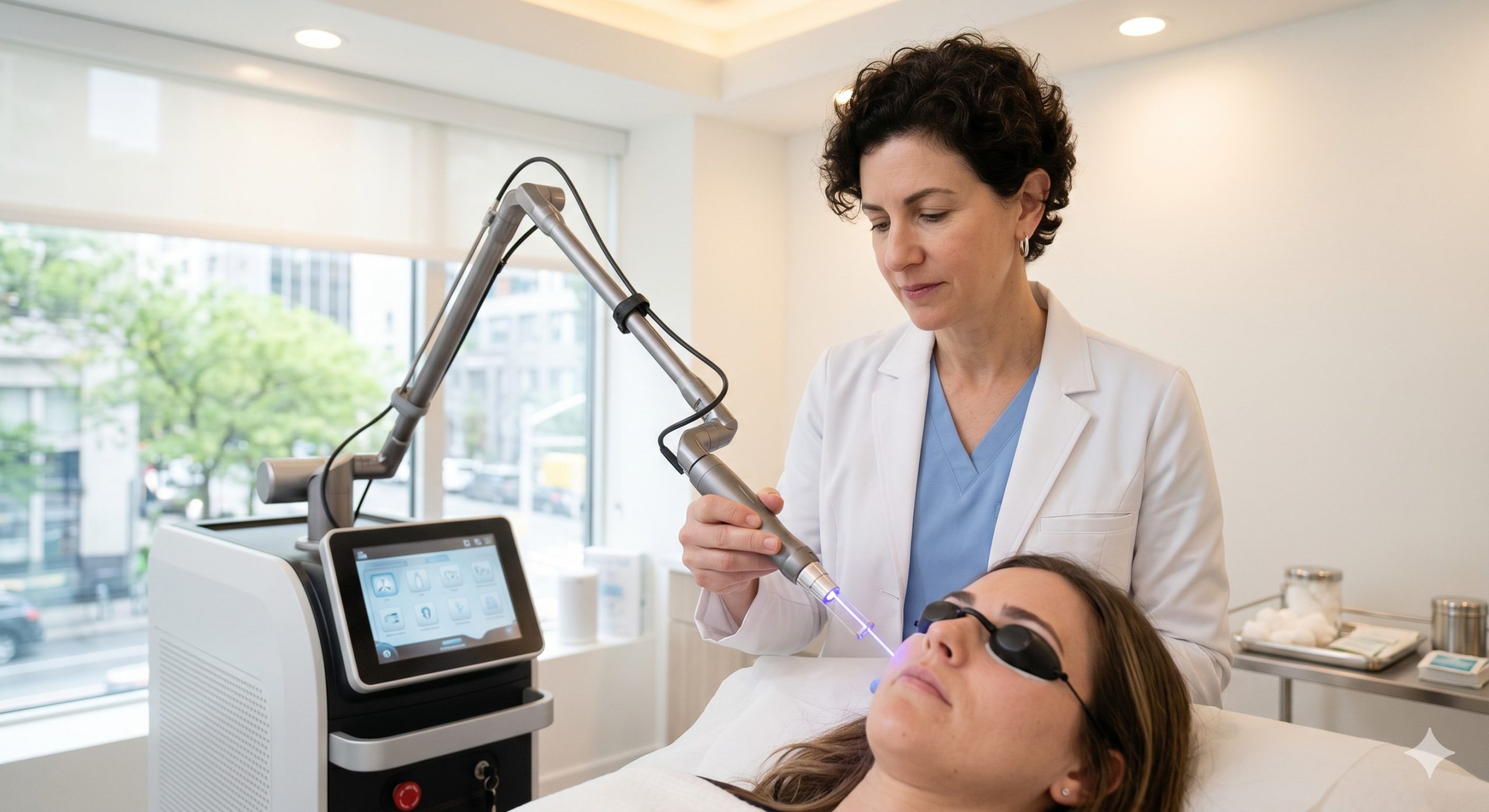
The best equipment for skin pigmentation removal for 2025 is a dual-wavelength (1064nm + 532nm) pico-second platform with sapphire contact cooling, adjustable pulse width (300ps-2ns), and spot sizes from 2-8mm. Avoid single-wavelength Q-Switched Nd:YAG units without pico-second capability as they lack the photoacoustic efficiency for tattoo and dermal pigmentation. Before purchasing, demand a clinical site audit—visit a clinic using the device for 12+ months, review their PIH incidence rate (<5% for FIV-VI is acceptable), and inspect the device's CE mark technical file. Finally, train at least two clinicians on Fitzpatrick-specific protocols to ensure safety.
Conclusion: Investing in medically certified pico-second technology with robust cooling protects your patients, enhances clinic profitability, and positions your med spa as a referral destination for complex pigmentation cases. Choose hardware, not hype.