Lutronic Ultra Laser: 1927nm Treatments, Results & Alternatives
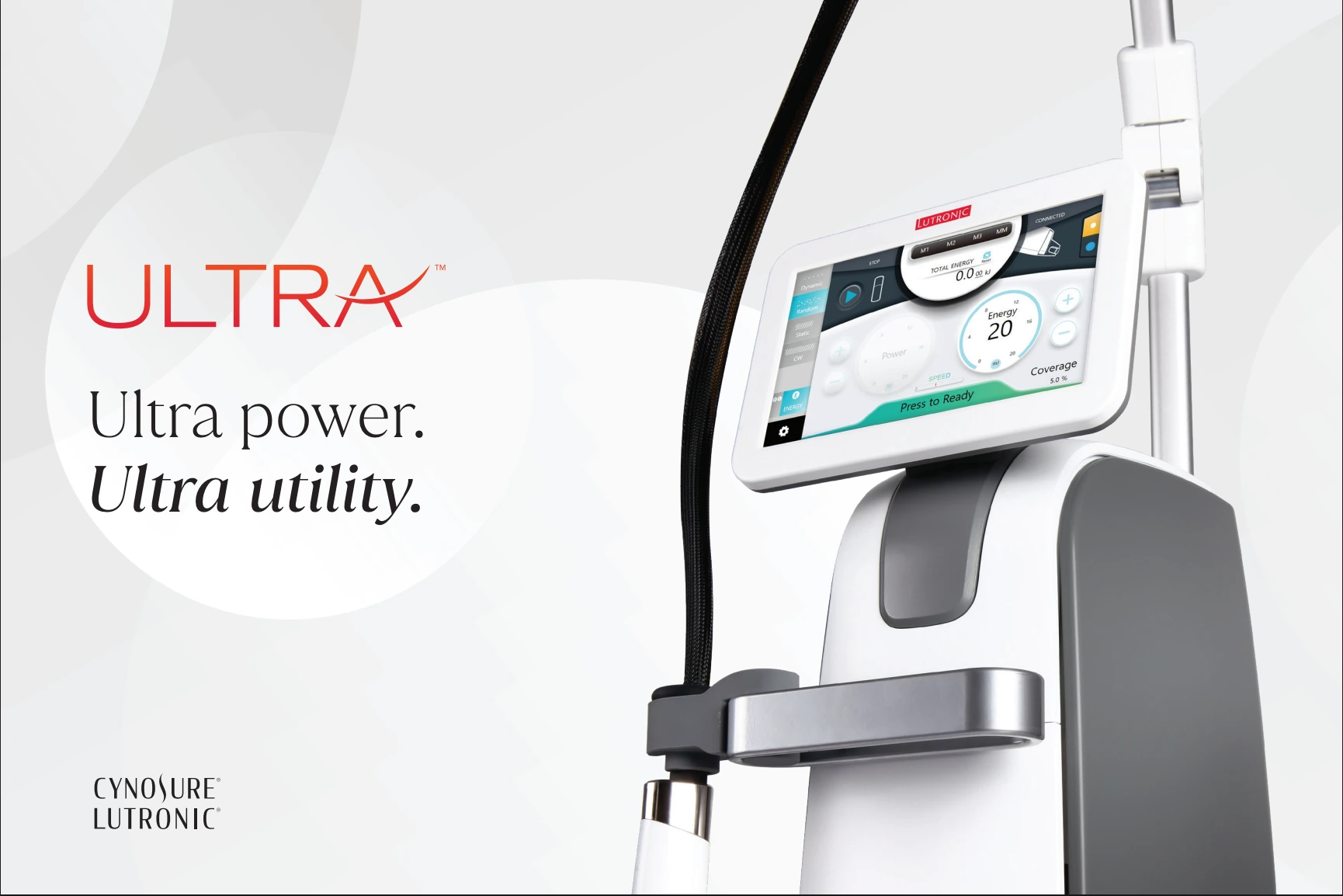
The Lutronic Ultra laser, also known as LaseMD Ultra or Ultra, is a professional 1927nm thulium laser platform designed for non-ablative fractional skin treatments. It has attracted attention among dermatology and aesthetic practices because it combines fractional energy delivery with relatively low-downtime treatment strategies.
But what exactly is the Lutronic Ultra? How does its 1927nm wavelength work, what types of skin concerns is it used for, and how does it compare with other professional thulium laser systems?
This guide explains the technology behind the Lutronic Ultra, its treatment approach, key specifications, expected treatment experience, and the factors clinics should consider when comparing Ultra with other 1927nm thulium laser platforms.
Quick Answer
The Lutronic Ultra laser is a professional 1927nm thulium non-ablative fractional laser. The system delivers fractional laser energy to create microscopic treatment zones while leaving surrounding tissue untreated. According to the manufacturer’s published specifications, Ultra operates at 1927nm with up to 20W of power and is designed for professional dermatological and aesthetic procedures.
In the United States, the manufacturer’s listed indications include dermatological procedures requiring coagulation of soft tissue, actinic keratosis, and benign pigmented lesions such as lentigines, solar lentigines, and freckles. Indications and regulatory status can differ between countries, so clinics should verify the labeling applicable to their market.
Ultra is one example of a broader category of 1927nm thulium laser systems. Clinics comparing equipment should therefore evaluate not only the brand, but also wavelength, fractional delivery, power, beam characteristics, treatment controls, workflow, support, and total ownership requirements.
What Is the Lutronic Ultra Laser?
Lutronic Ultra is a professional non-ablative fractional laser platform using a 1927nm thulium wavelength. The product has also been marketed as LaseMD Ultra, while searches such as Ultra Lutronic laser and Lutronics Ultra generally refer to the same technology family.
Unlike ablative resurfacing systems that intentionally remove portions of the skin surface, Ultra uses a non-ablative fractional approach. Laser energy is delivered in microscopic treatment zones rather than treating the entire surface uniformly.
This distinction is important because the term “skin resurfacing laser” covers substantially different technologies. A fractional 1927nm thulium system should not be assumed to behave like an ablative fractional CO2 laser simply because both technologies may be discussed in the context of skin resurfacing.
Is Lutronic Ultra a Thulium Laser?
Yes. The Lutronic thulium laser platform Ultra operates at a wavelength of 1927nm.
Thulium is a rare-earth element that can be used as the active medium in laser systems. In aesthetic dermatology, thulium-based platforms are commonly associated with wavelengths around the 1927nm region, although the broader thulium laser family is not limited to one exact wavelength.
The 1927nm wavelength has relatively strong interaction with water in tissue. This optical characteristic is one reason 1927nm fractional lasers are associated with comparatively superficial skin treatment strategies.
For a broader explanation of the technology rather than a specific branded platform, see our 1927nm thulium laser guide.
How Does the Lutronic Ultra Laser Work?
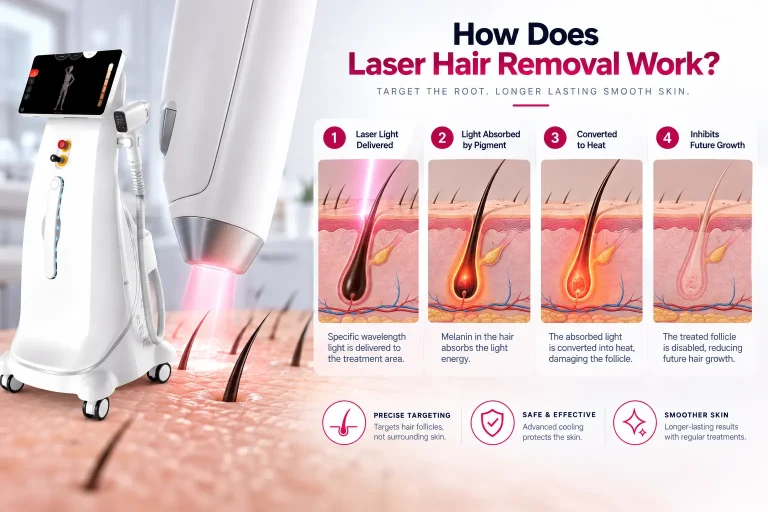
The Lutronic Ultra laser treatment uses fractional energy delivery. Instead of exposing the entire treatment area to the same thermal effect, the system distributes energy into microscopic zones across the skin.
The 1927nm laser energy interacts strongly with water-containing tissue. Controlled thermal zones are created while intervening tissue remains relatively untreated. This fractional pattern is intended to support a controlled tissue response while limiting the extent of surface disruption compared with more aggressive ablative approaches.
Fractional Energy Delivery
“Fractional” describes the spatial pattern of treatment rather than a separate laser wavelength. A fractional system treats a fraction of the tissue within a given area during each pass.
The exact size, density, energy, and distribution of these microscopic treatment zones depend on the machine and selected parameters.
1927nm Thulium Wavelength
The 1927nm wavelength is an important part of Ultra’s tissue interaction. Compared with wavelengths that penetrate more deeply before significant water absorption occurs, 1927nm is generally associated with more superficial optical interaction.
This helps explain why 1927nm platforms frequently appear in discussions involving pigmentation, photodamage, tone, texture, and superficial resurfacing.
Lutronic Ultra Laser Specifications
Published specifications are useful when comparing professional laser equipment because marketing names alone reveal little about the actual technology inside a platform.
| Specification | Lutronic Ultra |
|---|---|
| Laser Technology | Thulium laser |
| Wavelength | 1927nm |
| Delivery | Non-ablative fractional |
| Maximum Published Power | 20W |
| Published Energy per Pulse | 1–20 mJ |
| Beam Diameter | 200 μm; some published configurations also reference 350 μm |
| Aiming Beam | 658nm, less than 5mW |
Specifications can vary by configuration, market, and product documentation. Clinics should verify current specifications directly against the documentation supplied for the exact machine they are considering.
What Is Lutronic Ultra Laser Used For?
Searches for the Lutronic Ultra laser frequently involve pigmentation, sun damage, skin tone, texture, and low-downtime fractional resurfacing.
However, it is important to separate general aesthetic discussion from the regulatory indications of a specific device. In the United States, the manufacturer’s current information lists uses including dermatological procedures requiring coagulation of soft tissue, treatment of actinic keratosis, and treatment of benign pigmented lesions such as lentigines, solar lentigines, and ephelides.
Benign Pigmented Lesions
Pigmentation-related concerns are among the most recognizable applications associated with 1927nm fractional technology. Examples listed by the manufacturer include lentigines, solar lentigines, and freckles.
Sun-Damaged Skin
Because pigmentation changes and uneven tone can be associated with chronic sun exposure, 1927nm fractional treatments are frequently discussed in the context of photodamaged skin.
Skin Tone and Texture
Non-ablative fractional treatment strategies are also commonly used within broader skin-rejuvenation programs focused on the appearance of tone and texture. Treatment suitability and expected results depend on the individual patient, device parameters, and professional assessment.
Actinic Keratosis
Actinic keratosis appears among the manufacturer’s listed U.S. indications for Ultra. Because actinic keratosis is a medical condition rather than simply a cosmetic concern, evaluation and treatment decisions should be made by an appropriately qualified healthcare professional.
What Areas Can Be Treated With Lutronic Ultra?
The face is one of the areas most commonly associated with Ultra laser treatment, but professional 1927nm fractional treatment may also be discussed for areas such as the neck and décolletage, depending on the device’s labeling and professional assessment.
Treatment settings should not simply be transferred from one anatomical area to another. Skin thickness, sun exposure, pigmentation, treatment goals, and tolerance can differ substantially by area.
What Is a Lutronic Ultra Laser Treatment Like?
A typical treatment workflow begins with professional assessment of the patient’s skin, treatment goals, relevant history, and suitability for the procedure.
During treatment, the provider selects parameters appropriate to the treatment plan and passes the treatment handpiece across the targeted area. Ultra uses a tracking system designed to support controlled fractional coverage.
Treatment intensity can vary, so the patient experience and recovery period are not identical for every procedure. More aggressive settings can produce a different tissue response and recovery experience than lighter treatment.
How Long Does Lutronic Ultra Treatment Take?
The manufacturer describes treatment times in the range of approximately 10–20 minutes depending on treatment area and approach. Actual appointment length can also include consultation, preparation, topical anesthetic where appropriate, and post-treatment care.
Does Lutronic Ultra Hurt?
Treatment sensation varies with settings, treatment area, and individual tolerance. The manufacturer’s current patient information notes that mild to moderate discomfort can occur and that topical numbing may be considered for more sensitive patients or higher treatment settings.
Lutronic Ultra Laser Downtime and Recovery
One reason the Lutronic Ultra laser attracts interest is its positioning as a relatively low-downtime fractional treatment compared with more aggressive resurfacing procedures.
The manufacturer notes that patients may experience temporary redness after treatment and describes skin healing over the following several days. Individual recovery can vary according to treatment intensity, skin response, treatment area, and post-procedure care.
“Minimal downtime” should not be interpreted as “no biological response.” Fractional laser treatment intentionally creates controlled thermal effects, so temporary erythema, dryness, roughness, or other expected post-treatment changes may occur.
Lutronic Ultra Laser Before and After: What Results Can You Expect?
Lutronic Ultra laser before and after searches usually come from patients trying to understand how much improvement may be visible after treatment and how many sessions might be required.
Manufacturer-published clinical photographs show examples after treatment, including pigmentation and skin-quality changes. However, before-and-after images represent individual cases rather than guaranteed outcomes.
Results can vary according to:
- Initial skin condition
- Type and depth of pigmentation
- Treatment parameters
- Number of sessions
- Interval between treatments
- Sun exposure
- Post-treatment skincare
- Individual healing response
For this reason, clinics should use authentic, appropriately documented before-and-after cases and avoid presenting a single result as representative of every patient.
Lutronic Ultra vs Other 1927nm Thulium Lasers
Lutronic Ultra is not synonymous with 1927nm thulium laser technology. It is one commercial implementation of that technology.
This distinction matters for clinics comparing equipment. Two 1927nm thulium laser devices may use the same nominal wavelength while differing substantially in power, fractional delivery, beam profile, treatment controls, scanning method, user interface, physical design, maintenance, service, and acquisition cost.
| Comparison Factor | What to Evaluate |
|---|---|
| Wavelength | Actual thulium wavelength and intended applications |
| Fractional Delivery | How treatment zones are created and distributed |
| Power | Available output and how it relates to treatment workflow |
| Beam Characteristics | Beam diameter, profile, scanning or tracking approach |
| Parameter Control | Energy, density, interval and other available controls |
| Workflow | Treatment speed, interface, ergonomics and usability |
| Ownership | Purchase price, consumables, maintenance and service |
| Support | Training, warranty, spare parts and technical support |
A clinic looking for a Lutronic Ultra alternative should therefore compare the complete professional platform rather than searching only for another machine labeled “1927nm.”
Lutronic Ultra Laser vs Fractional CO2 Laser
The Lutronic Ultra laser and fractional CO2 laser are both discussed in skin resurfacing, but they should not be treated as equivalent technologies.
Ultra uses a 1927nm thulium wavelength with non-ablative fractional delivery. Fractional CO2 systems typically operate around 10,600nm and create fractional ablative columns in the skin. This difference in wavelength and tissue interaction can lead to substantially different treatment strategies, recovery profiles, and clinical applications.
| Factor | Lutronic Ultra / 1927nm Thulium | Fractional CO2 |
|---|---|---|
| Typical Wavelength | 1927nm | 10,600nm |
| Delivery | Non-ablative fractional | Fractional ablative |
| Primary Chromophore | Water | Water |
| General Treatment Direction | More superficial fractional treatment | More aggressive ablative resurfacing potential |
| Surface Disruption | Non-ablative approach | Creates microscopic ablative columns |
| Recovery | Generally positioned toward lower-downtime protocols | Can involve more substantial recovery depending on settings |
This does not mean one technology is universally better. A clinic interested in pigmentation-focused, superficial fractional treatment may evaluate 1927nm technology differently from a practice seeking more aggressive ablative resurfacing capabilities.
For a technology-focused comparison, see our Thulium Laser vs CO2 Laser guide.
Lutronic Ultra vs 1550nm Fractional Laser
Another useful comparison is between a 1927nm thulium laser such as Ultra and fractional systems operating around 1550nm.
Both can use non-ablative fractional delivery, but wavelength affects how strongly laser energy interacts with water and how deeply energy can penetrate before substantial absorption occurs.
In general, 1927nm has stronger water absorption and is associated with relatively superficial treatment, while wavelengths around 1550nm can penetrate more deeply into water-containing tissue.
| Factor | 1927nm Thulium | 1550nm Fractional Laser |
|---|---|---|
| Wavelength | Approximately 1927nm | Approximately 1550nm |
| Water Absorption | Relatively higher | Relatively lower than 1927nm |
| General Optical Direction | More superficial | Deeper penetration potential |
| Fractional Delivery | Available | Available |
| Technology Selection | Depends on treatment goals, device design, parameters, patient characteristics, and professional assessment | |
Clinics should therefore avoid treating 1550nm and 1927nm as interchangeable specifications. The wavelength should match the intended treatment strategy and the capabilities of the complete device.
Read our detailed 1927nm vs 1550nm laser comparison for a deeper explanation.
How Much Does Lutronic Ultra Laser Treatment Cost?
The cost of a Lutronic Ultra laser treatment varies by provider, geographic location, treatment area, treatment intensity, and whether a single session or treatment package is purchased.
In the U.S. aesthetic market, fractional laser treatment using professional 1927nm platforms may commonly be priced from several hundred dollars to more than $1,000 per session. Larger treatment areas, combination procedures, premium practices, and higher-cost markets may result in higher pricing.
This should be treated as a broad consumer market reference rather than an official Lutronic treatment price. Lutronic manufactures equipment; individual providers establish their own treatment fees.
What Affects the Cost?
- Clinic location
- Provider qualifications and experience
- Treatment area
- Treatment intensity
- Number of sessions
- Whether treatments are purchased as a package
- Additional procedures or skincare included in the plan
Patients comparing treatment prices should also consider provider qualifications, consultation quality, treatment planning, device authenticity, and post-treatment support rather than choosing a provider solely on price.
How Many Lutronic Ultra Treatments Are Needed?
There is no universal number of Lutronic Ultra treatments required for every patient. The treatment plan depends on the concern being addressed, baseline skin condition, treatment intensity, response to previous sessions, and the goals established during professional assessment.
Some treatment plans may involve a series of sessions rather than one procedure. Maintenance treatment may also be considered in some aesthetic programs.
Patients should be cautious with claims that promise a predetermined result after an exact number of sessions. A qualified provider should establish the treatment plan after evaluating the individual patient.
Lutronic Ultra Laser Reviews: What Should You Look For?
Searches for Lutronic Ultra laser reviews can return patient experiences, clinic marketing pages, social media posts, videos, and professional discussions. These sources can provide useful context, but they should not all be given the same weight.
When evaluating reviews, it is useful to separate several different questions.
Was the Treatment Appropriate for the Patient?
A positive or negative review may reflect patient selection and treatment planning as much as the laser itself. Skin condition, pigmentation, expectations, medical history, and previous treatments can influence the experience.
What Treatment Settings Were Used?
Two people can receive treatments with the same device but experience different responses because the provider used different energy, density, coverage, number of passes, or treatment intervals.
How Many Sessions Were Performed?
A review written immediately after one treatment should not automatically be compared with a before-and-after case following a complete treatment series.
Was the Review About the Device or the Provider?
Provider experience, consultation, treatment technique, aftercare, and communication can strongly influence patient satisfaction. A device review may therefore partially reflect the clinic experience rather than the equipment alone.
Are Before-and-After Images Comparable?
Lighting, camera settings, makeup, angle, skin hydration, and image editing can change the apparent result. Higher-quality clinical comparisons use standardized photography wherever possible.
For these reasons, Lutronic Ultra reviews are most useful when considered alongside professional assessment, published device information, realistic treatment expectations, and appropriately documented clinical examples.
Lutronic Ultra Laser Side Effects and Risks
Like other fractional laser procedures, Lutronic Ultra laser treatment can produce temporary treatment-related skin responses. The exact response depends on treatment parameters, treatment area, individual skin characteristics, and post-treatment care.
Possible post-treatment effects may include:
- Redness
- Warmth or sensitivity
- Temporary dryness
- Rough or sandpaper-like texture
- Mild swelling
- Temporary changes in pigmentation
More significant adverse events are also possible with laser procedures, particularly when treatment selection, parameters, or aftercare are inappropriate. Risks can vary according to the device and individual patient.
Patients with a history of abnormal pigmentation, photosensitivity, active skin conditions, relevant medications, recent tanning, or other risk factors should discuss these issues with an appropriately qualified professional before treatment.
Who May Be a Candidate for Lutronic Ultra?
Candidate selection should be based on professional assessment rather than on a list of cosmetic concerns alone.
A provider may consider factors such as:
- The type and depth of the target concern
- Skin characteristics
- History of pigmentation changes
- Recent sun exposure
- Current skincare and medications
- Previous procedures
- Expected downtime
- Treatment goals and expectations
Not every pigmentation concern should automatically be treated with a laser. Correct diagnosis is particularly important before treating a new, changing, or clinically suspicious pigmented lesion.
Lutronic Ultra Alternatives: What Other 1927nm Thulium Lasers Exist?
Clinics researching a Lutronic Ultra alternative should first decide whether they specifically need the Ultra brand or whether they are primarily looking for the underlying 1927nm fractional thulium laser technology.
The distinction is important. If the requirement is specifically a 1927nm fractional platform, professional buyers can compare multiple systems using objective equipment criteria rather than brand recognition alone.
Compare the Wavelength
Verify the actual laser wavelength. A machine described generically as a “thulium laser” should not automatically be assumed to operate at exactly 1927nm.
Compare Fractional Delivery
Evaluate how the device creates and distributes fractional treatment zones. Scanner design, beam characteristics, treatment density, and available controls can affect workflow.
Compare Output and Parameter Control
Maximum power alone is not enough. Clinics should examine the available energy range, fractional controls, treatment speed, beam characteristics, and the relationship between these specifications.
Compare Operating Costs
Purchase price is only one component. Consumables, handpiece requirements, maintenance, replacement components, warranty, service, and downtime can affect long-term ownership cost.
Compare Manufacturer Support
Training, technical documentation, remote troubleshooting, spare parts, warranty procedures, OEM or distributor support, and response time can be particularly important for professional buyers.
1927nm Thulium Laser Alternatives for Professional Clinics
Clinics do not necessarily need to search for an exact copy of the Ultra Lutronic laser. A more useful approach is to define the required technology and then compare professional platforms against those requirements.
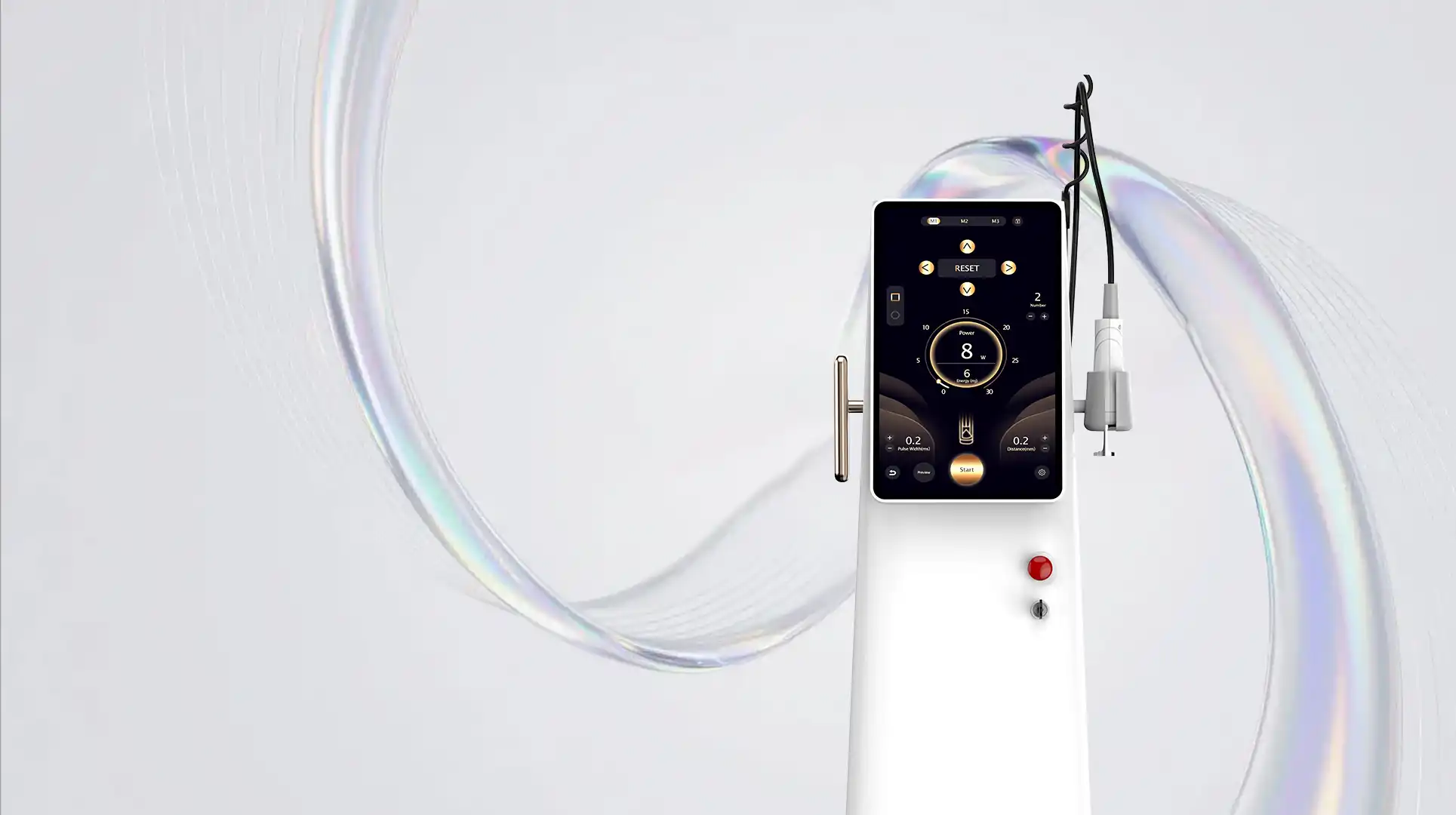
Cocoon Laser develops professional aesthetic laser equipment, including thulium-based platforms. For clinics, distributors, and OEM buyers evaluating this category, the following resources explain the underlying technology independently of a single competitor brand:
- Thulium Laser: Complete Technology Guide
- 1927nm Thulium Laser: How It Works and Applications
- Fractional Thulium Laser Guide
- Thulium Laser Treatment Guide
Professional buyers should request the technical specifications and documentation for the exact Cocoon Laser model they are considering and compare those specifications directly with other platforms.
What Should Clinics Compare Before Buying a 1927nm Thulium Laser?
For professional buyers, the most useful outcome of researching Lutronic Ultra is not simply deciding whether the device is “good.” The goal should be to understand what makes a professional 1927nm platform appropriate for a particular practice.
1. Confirm the Actual Laser Source and Wavelength
Verify that the machine uses the wavelength and laser architecture described by the supplier. Do not rely only on marketing terminology.
2. Understand Fractional Delivery
Ask how treatment zones are created, how density is controlled, and how coverage is managed during treatment.
3. Compare Available Parameters
Review energy, power, beam characteristics, fractional controls, scanning or tracking system, and other relevant treatment settings.
4. Evaluate Treatment Workflow
Consider treatment speed, handpiece ergonomics, user interface, parameter adjustment, treatment-area coverage, and the practical learning curve for operators.
5. Understand Ongoing Costs
Ask about consumables, handpiece servicing, preventive maintenance, replacement parts, warranty exclusions, and expected service intervals.
6. Verify Training and Support
Determine what operating training, technical support, documentation, troubleshooting, and post-purchase service are available.
7. Verify Market Requirements
Regulatory status, intended uses, documentation, and operator requirements can differ by country and region. Verify the exact model for the market in which it will be used.
Frequently Asked Questions
What is the Lutronic Ultra laser?
The Lutronic Ultra laser, also known as LaseMD Ultra or Ultra, is a professional non-ablative fractional laser platform that operates at a 1927nm thulium wavelength.
Is Lutronic Ultra a thulium laser?
Yes. Lutronic Ultra uses 1927nm thulium laser technology with fractional energy delivery.
What wavelength is Lutronic Ultra?
Lutronic Ultra operates at 1927nm. This wavelength has relatively strong water absorption and is associated with comparatively superficial fractional treatment.
What is Lutronic Ultra laser used for?
In the United States, manufacturer information lists indications including dermatological procedures requiring coagulation of soft tissue, actinic keratosis, and benign pigmented lesions such as lentigines, solar lentigines, and freckles. Regulatory indications can differ by market.
Does Lutronic Ultra help with pigmentation?
Pigmentation-related concerns are an important part of 1927nm fractional laser use. The manufacturer’s U.S. information includes benign pigmented lesions such as lentigines, solar lentigines, and freckles among its listed indications. Suitability depends on the type of pigmentation and professional assessment.
How much does Lutronic Ultra laser treatment cost?
Treatment prices vary by clinic, location, treatment area, and protocol. As a broad U.S. market reference, professional fractional 1927nm laser sessions may range from several hundred dollars to more than $1,000 per treatment. This is not an official Lutronic price.
How many Lutronic Ultra treatments do you need?
There is no universal number. Treatment plans depend on the target concern, baseline skin condition, selected parameters, response to treatment, and professional assessment.
How much downtime is there after Lutronic Ultra?
Ultra is generally positioned as a relatively low-downtime fractional treatment, but temporary redness, dryness, rough texture, sensitivity, or other post-treatment changes may occur. Recovery varies with treatment intensity and individual response.
Is Lutronic Ultra the same as a CO2 laser?
No. Lutronic Ultra uses a 1927nm non-ablative fractional thulium laser, while fractional CO2 systems typically use a 10,600nm ablative laser. Their tissue interaction and treatment approaches differ substantially.
What is the difference between a 1927nm and 1550nm fractional laser?
Both wavelengths can be used in fractional non-ablative systems, but 1927nm has stronger water absorption and is generally associated with more superficial treatment, while wavelengths around 1550nm can provide deeper optical penetration.
Are there alternatives to Lutronic Ultra?
Yes. Lutronic Ultra is one implementation of professional 1927nm fractional thulium technology. Clinics can compare other platforms by wavelength, fractional delivery, output, treatment controls, workflow, ownership cost, documentation, training, warranty, and technical support.
Final Verdict: Is Lutronic Ultra a Good 1927nm Thulium Laser?
Lutronic Ultra is an established professional implementation of 1927nm non-ablative fractional thulium laser technology. Its 1927nm wavelength, fractional delivery, and professional treatment workflow make it a useful reference point for clinics researching this laser category.
However, Lutronic Ultra laser and 1927nm thulium laser are not interchangeable terms. Ultra is one branded device; 1927nm thulium is a broader technology category.
Patients considering treatment should focus on appropriate professional assessment, realistic expectations, provider qualifications, and the suitability of the procedure for their individual skin concerns.
Professional buyers should take a different approach. Instead of comparing brand names alone, clinics and distributors should evaluate wavelength, fractional delivery, power and energy controls, beam characteristics, treatment workflow, maintenance, total ownership cost, training, warranty, documentation, and technical support.
To understand the underlying technology before comparing professional equipment, continue with our complete 1927nm thulium laser guide .