How to Heal Sensitive Skin: Complete Guide to Skin Barrier Repair
Quick Answer
Sensitive skin can often be improved by repairing the skin barrier, reducing exposure to irritating ingredients, maintaining proper hydration, and following a gentle skincare routine. The goal is not to change your skin type, but to restore skin resilience and reduce reactions such as redness, dryness, burning, and irritation.
A damaged skin barrier is one of the most common reasons skin becomes more sensitive. By supporting barrier repair and avoiding unnecessary irritation, many people can gradually improve their skin comfort and appearance.
What Is Sensitive Skin?
Sensitive skin is a condition where the skin reacts more easily to environmental factors, skincare products, or cosmetic treatments compared with less reactive skin.
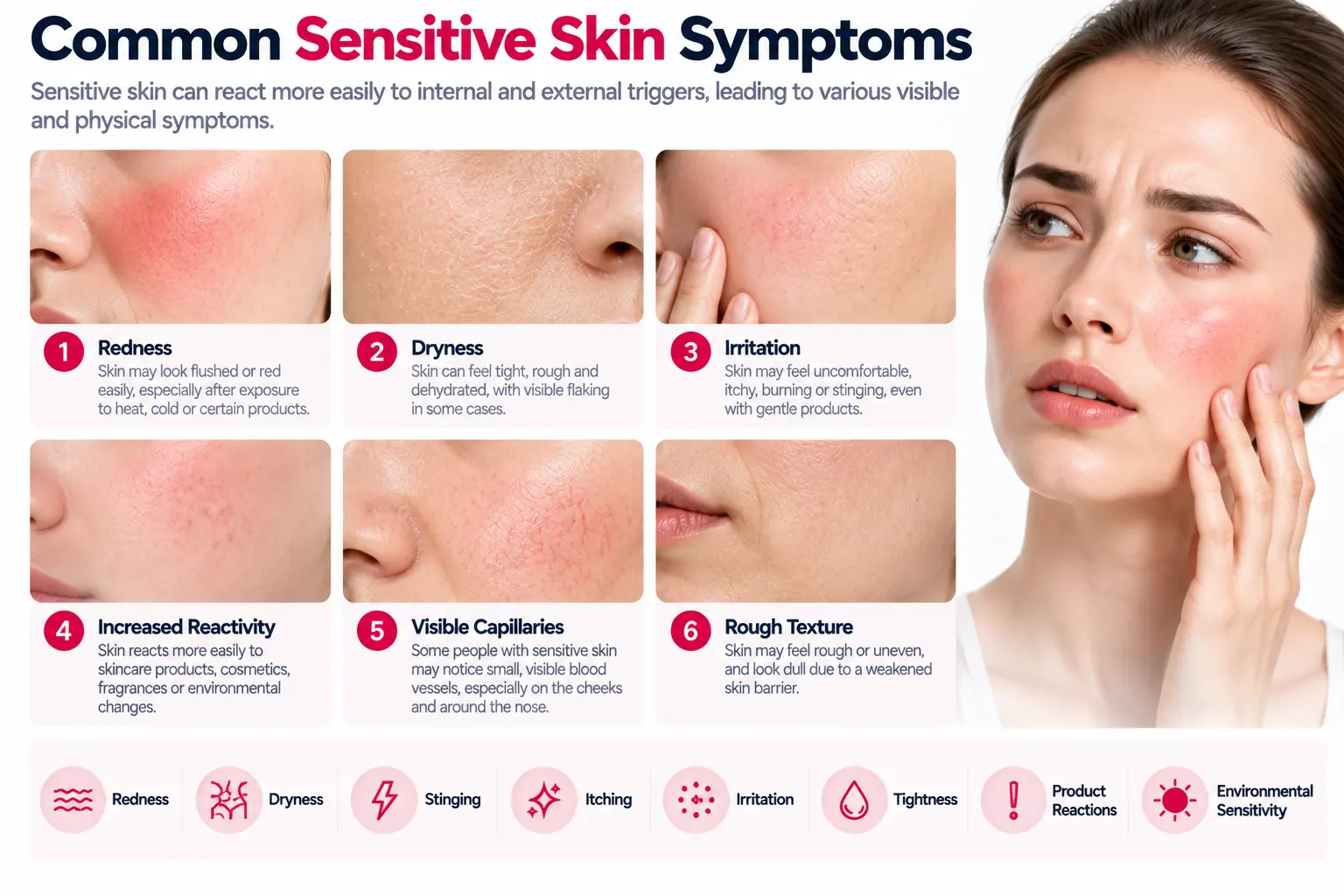
People with sensitive skin may experience symptoms such as redness, dryness, itching, burning, tightness, or stinging sensations after applying certain products.
Sensitive skin is not always a permanent skin type. In many cases, increased sensitivity can be related to a weakened skin barrier, over-exfoliation, harsh ingredients, environmental stress, or inappropriate skincare routines.

Common Signs and Symptoms of Sensitive Skin
Sensitive skin does not look the same for everyone. Some people experience occasional reactions, while others have frequent discomfort caused by environmental factors or skincare products.
Common signs of sensitive skin include:
- Redness or flushing after applying skincare products.
- Burning, stinging, or tingling sensations.
- Dryness, rough texture, or visible skin peeling.
- A feeling of tightness after cleansing.
- Increased reactions to fragrances, active ingredients, or weather changes.
- Skin discomfort after cosmetic treatments.
These symptoms may appear temporarily or repeatedly depending on the condition of the skin barrier and external triggers.

What Causes Sensitive Skin?
Sensitive skin can develop for many reasons. In many cases, the main factor is a weakened skin barrier that allows irritants to penetrate more easily.
1. Damaged Skin Barrier
The skin barrier is the outer protective layer of the skin. It helps prevent excessive water loss and protects against environmental stressors.
When the barrier becomes damaged, the skin may lose moisture more easily and become more reactive to ingredients that normally would not cause discomfort.
2. Over-Exfoliation and Harsh Skincare Products
Frequent exfoliation, strong active ingredients, or unsuitable skincare products may contribute to increased sensitivity.
Common triggers include excessive use of acids, retinoids, alcohol-based products, or products containing strong fragrances.
3. Environmental Factors
Weather changes, pollution, ultraviolet exposure, and dry environments may affect skin comfort and barrier function.
4. Lifestyle Factors
Stress, lack of sleep, and changes in daily routines may also influence how the skin responds to external factors.
Understanding the Skin Barrier
The skin barrier is often compared to a protective shield that helps maintain hydration and defend against external influences.
A healthy skin barrier contains lipids, natural moisturizing factors, and skin cells that work together to keep moisture inside the skin while limiting irritation from outside factors.
When this protective function becomes weaker, the skin may become dry, sensitive, and more likely to react.

How to Heal Sensitive Skin
Healing sensitive skin usually focuses on restoring the skin barrier, reducing irritation, and creating a consistent skincare routine that supports long-term skin health.
The goal is not to completely change your skin type, but to improve skin resilience so that it can better tolerate daily environmental factors and skincare products.
1. Repair Your Skin Barrier
A damaged skin barrier is one of the most common reasons skin becomes more reactive. Supporting barrier repair helps the skin maintain moisture and improve protection against external stress.
A skin barrier-friendly routine usually includes:
- Using gentle cleansers that do not strip natural oils.
- Applying moisturizing products to support hydration.
- Using ingredients that help maintain the skin barrier.
- Avoiding unnecessary changes to skincare routines.
2. Use Gentle Skincare Products
Sensitive skin often benefits from a simple skincare routine with fewer products and fewer potential irritants.
A basic routine may include:
- A mild cleanser.
- A moisturizer designed for barrier support.
- Daily sunscreen protection.
Introducing new products slowly can also help identify ingredients that may trigger reactions.
3. Avoid Common Skin Irritants
Certain ingredients and skincare habits may increase discomfort for sensitive skin. Common factors that may contribute to irritation include:
- Strong exfoliating acids used too frequently.
- Overuse of retinoids or active ingredients.
- Fragranced products for reactive skin.
- Frequent product switching.
- Aggressive cleansing or scrubbing.
4. Protect Your Skin From Environmental Stress
Environmental factors such as UV exposure, pollution, and extreme weather can affect skin comfort and barrier function.
Daily sun protection and avoiding excessive environmental stress can support healthier-looking skin over time.
How Long Does It Take to Repair Sensitive Skin?
The time needed to improve sensitive skin depends on the condition of the skin barrier, the cause of sensitivity, and how consistently the skin is cared for.
Some people may notice improvements within several weeks after simplifying their routine, while more damaged skin barriers may require a longer recovery period.
| Skin Condition | Possible Recovery Time |
|---|---|
| Mild irritation or temporary sensitivity | Several weeks with gentle care |
| Dryness and weakened barrier function | Several weeks to months depending on severity |
| Persistent redness or recurring reactions | May require professional evaluation |
Consistency is usually more important than using many products. A stable routine that supports the skin barrier may help improve tolerance over time.
Sensitive Skin vs Damaged Skin Barrier
Sensitive skin and a damaged skin barrier are closely related, but they are not exactly the same.
| Sensitive Skin | Damaged Skin Barrier |
|---|---|
| A tendency for the skin to react more easily to external factors. | A weakened protective function of the outer skin layer. |
| May be related to genetics, environment, or skin condition. | Often caused by irritation, over-exfoliation, or environmental stress. |
| May continue even with a healthy skin barrier. | May improve when the barrier is restored. |
| Can describe long-term skin reactivity. | Often describes a temporary or treatable condition. |
Understanding the difference helps create a more suitable approach. Some people naturally have reactive skin, while others develop sensitivity because the skin barrier has been compromised.
Ingredients That May Help Sensitive Skin
When the skin barrier is weakened, ingredients that support hydration and barrier function may help improve skin comfort.
Common ingredients often used in sensitive skin care include:
- Ceramides: Help support the skin barrier and reduce moisture loss.
- Hyaluronic Acid: Helps attract and maintain hydration.
- Glycerin: Supports skin moisture balance.
- Panthenol: Commonly used in soothing skincare formulations.
- Niacinamide: Used in many skincare products to support overall skin appearance.
Individual skin responses vary, and even commonly used ingredients may not work for everyone with sensitive skin.
Ingredients and Habits That May Irritate Sensitive Skin
Sensitive skin often reacts more strongly to aggressive skincare practices. Reducing unnecessary irritation is an important part of supporting skin recovery.
- Frequent exfoliation without enough recovery time.
- Using too many active ingredients at the same time.
- Products with strong fragrances for reactive skin.
- Harsh cleansing methods that remove natural oils.
- Repeatedly changing skincare products.
A simpler routine is often easier to maintain and makes it easier to identify possible triggers.
Professional Treatments for Sensitive Skin Concerns
For some people, sensitive skin concerns are related to issues such as redness, uneven texture, pigmentation, or signs of skin aging. Professional aesthetic treatments may be considered depending on the specific skin condition and treatment goals.
A qualified professional can evaluate whether a treatment is suitable based on skin type, sensitivity level, and desired results.
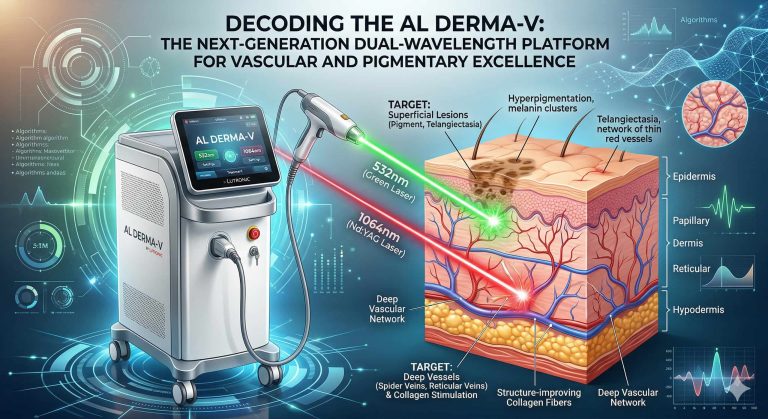
Laser Skin Rejuvenation
Certain laser technologies are used in aesthetic clinics to support skin rejuvenation goals, including improving skin texture and addressing specific cosmetic concerns.
Treatment selection depends on factors such as wavelength, energy settings, skin condition, and professional assessment.
Fractional Laser Treatments
Fractional laser technology creates controlled treatment zones in the skin and is commonly used in professional skin resurfacing procedures.
Different laser wavelengths may be selected depending on whether the goal involves texture improvement, pigmentation concerns, or overall skin rejuvenation.
Common Mistakes When Treating Sensitive Skin
Many people with sensitive skin try to solve the problem by adding more products or stronger treatments. However, some common habits may actually increase irritation.
Using Too Many Skincare Products
A complicated skincare routine with multiple active ingredients can make it difficult to identify what causes irritation.
A simple and consistent routine is often easier for sensitive skin to tolerate.
Over-Exfoliating the Skin
Exfoliation can help improve skin texture, but excessive exfoliation may weaken the skin barrier and increase sensitivity.
Ignoring Sun Protection
UV exposure can contribute to skin stress and may make some sensitivity concerns more noticeable.
Daily sun protection is an important part of maintaining long-term skin health.
Expecting Immediate Results
Skin barrier repair usually requires consistency. Rapidly changing products or treatments may make it harder to understand what works for your skin.
Common Questions About Sensitive Skin
Can sensitive skin be healed permanently?
Sensitive skin can often be improved by supporting the skin barrier, avoiding unnecessary irritation, and maintaining a suitable skincare routine. However, some people naturally have more reactive skin and may need ongoing care.
How do I know if my skin barrier is damaged?
Common signs of a damaged skin barrier may include increased dryness, tightness, redness, stinging, and stronger reactions to skincare products that were previously tolerated.
How long does it take to repair a damaged skin barrier?
Recovery time varies depending on the severity of irritation and the cause. Some mild cases may improve within weeks, while more significant barrier disruption may require a longer period of consistent care.
Should sensitive skin avoid all active ingredients?
Not necessarily. Some active ingredients may be suitable for sensitive skin when used correctly. The key is choosing appropriate products, introducing them gradually, and monitoring skin response.
Can laser treatments be used on sensitive skin?
Some professional laser treatments may be suitable for certain sensitive skin concerns, but treatment selection should be based on individual skin condition, goals, and professional evaluation.
Final Thoughts: How to Heal Sensitive Skin
Healing sensitive skin is mainly about restoring balance. A healthy skin barrier, gentle skincare habits, and consistent protection from environmental stress can help improve skin comfort over time.
The most effective approach depends on why your skin is sensitive. Some people may need a simpler skincare routine, while others may benefit from professional evaluation for specific concerns such as redness, uneven texture, or skin aging.
Understanding your skin condition is the first step toward choosing the right approach. Instead of trying to eliminate sensitivity completely, the goal is to build stronger, healthier, and more resilient skin.
References
- American Academy of Dermatology (AAD) – Skin care guidance and sensitive skin information.
- National Eczema Association – Skin barrier and irritation-related information.
- Dermatology research publications related to skin barrier function and cosmetic dermatology.