CO2 Laser Cost: Price Guide for Clinics
Quick Answer
A professional CO2 laser machine typically costs between $15,000 and $80,000+ depending on the system configuration, fractional technology, certification requirements and manufacturer support. Entry-level systems may offer basic resurfacing functions, while advanced fractional CO2 laser platforms with professional clinic features require a higher investment.
How Much Does a CO2 Laser Machine Cost in 2026?
The price of a professional CO2 laser machine varies widely depending on technology configuration, treatment capability and supplier support.
| CO2 Laser System Type | Typical Price Range | Best For |
|---|---|---|
| Basic CO2 Laser System | $15,000 – $30,000 | Small aesthetic clinics requiring basic resurfacing |
| Professional Fractional CO2 Laser Machine | $30,000 – $60,000 | Medical aesthetic clinics and dermatology practices |
| Advanced CO2 Laser Platform | $60,000 – $100,000+ | Premium clinics and distributors |
The final CO2 laser price depends on configuration, certification requirements, accessories and manufacturer services.
How Much Does a CO2 Laser Machine Cost?
The price of a professional CO2 laser machine depends on multiple factors, including laser technology, system configuration, accessories, certification and supplier services.
Unlike consumer products with fixed retail pricing, medical aesthetic laser equipment is usually customized according to clinic requirements, market regulations and application needs.
Typical factors influencing CO2 laser cost include:
- Laser platform configuration
- Fractional scanning technology
- Treatment modes
- Energy control capability
- Cooling system
- Training and technical support
CO2 Laser Machine Price Range Explained
Professional CO2 laser machines can vary significantly in price depending on system specifications and market positioning.
| System Type | Typical Positioning | Main Users |
|---|---|---|
| Entry-Level CO2 Laser Systems | Basic resurfacing applications | Small aesthetic clinics |
| Professional Fractional CO2 Laser Machines | Advanced resurfacing and rejuvenation | Medical aesthetic clinics |
| Advanced CO2 Laser Platforms | Multi-application professional systems | Premium clinics and distributors |
Factors That Affect CO2 Laser Cost
1. Laser Technology and Platform Design
The technology used inside a CO2 laser system directly affects performance, reliability and treatment capability.
Professional systems should provide stable CO2 laser output, precise energy delivery and consistent clinical performance.
2. Fractional CO2 Laser Technology
Fractional capability is one of the most important factors influencing CO2 laser machine price.
Modern clinics increasingly choose fractional CO2 laser systems because they provide controlled treatment zones, flexible treatment settings and broader clinical applications.
Compared with basic CO2 laser systems, fractional platforms usually include more advanced scanning technology and parameter control.
Related reading: Fractional CO2 Laser vs CO2 Laser
3. Treatment Features and System Configuration
CO2 laser machine price is also influenced by the available treatment features and system configuration.
Professional aesthetic clinics should evaluate whether the system provides the functions required for their target procedures rather than selecting equipment based only on the lowest purchase cost.
Important configuration factors include:
- Fractional scanning system
- Adjustable energy parameters
- Multiple treatment modes
- Scanner precision
- Cooling technology
- Handpiece configuration
A more advanced configuration may increase the initial investment but can provide greater treatment flexibility and long-term clinical value.
4. Certification and Market Requirements
Certification requirements can significantly influence the final cost of professional CO2 laser equipment.
Clinics and distributors purchasing for different regions may require specific documentation, quality systems and regulatory compliance support.
Before purchasing a CO2 laser machine, buyers should confirm:
- Available certifications
- Technical documentation
- Quality management processes
- Regional market requirements
5. Manufacturer Support and Service Value
The manufacturer behind a CO2 laser system is an important factor affecting total investment value.
Professional suppliers should provide more than equipment. They should support clinics and distributors through:
- Technical training
- Product documentation
- Installation guidance
- After-sales support
- Spare parts availability
A reliable manufacturer can help reduce operational risks and improve the long-term return on investment.
Fractional CO2 Laser Cost vs Traditional CO2 Laser Cost
Fractional CO2 laser machines usually require a higher investment than basic CO2 laser systems because they include advanced scanning technology, adjustable treatment parameters and more flexible clinical applications.
| System | Approximate Cost Level |
|---|---|
| Traditional CO2 Laser | Lower initial investment |
| Fractional CO2 Laser Machine | Higher investment due to advanced control and scanning technology |
Professional CO2 Laser Systems for Clinics
Explore professional CO2 laser platforms designed for aesthetic clinics, medical centers and global distribution partners.
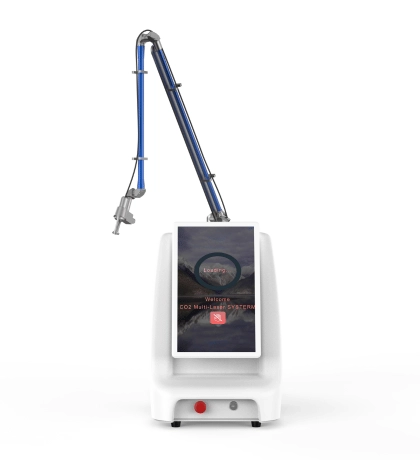
CO2 Star Fractional CO2 Laser System
A professional fractional CO2 laser platform designed for clinics seeking advanced skin resurfacing, acne scar treatment and collagen remodeling capabilities.
- Fractional CO2 laser technology
- Adjustable treatment parameters
- Skin resurfacing applications
- Professional clinic workflow
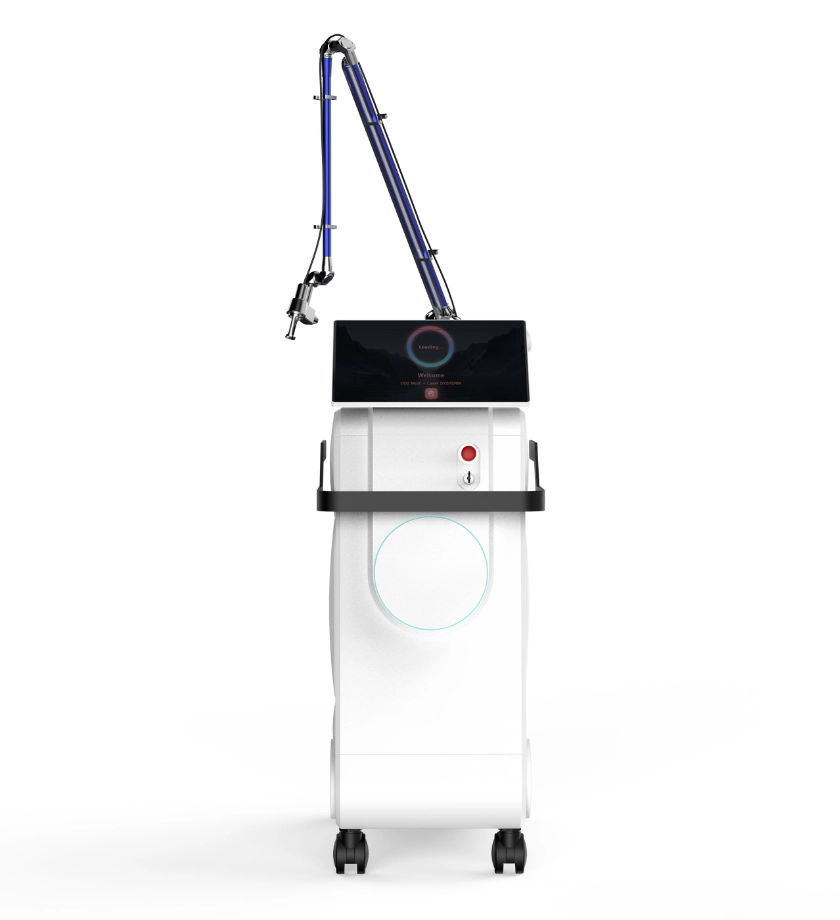
CO2 4D Advanced CO2 Laser System
An advanced CO2 laser platform designed for clinics requiring professional resurfacing technology and expanded aesthetic treatment capabilities.
- Advanced CO2 laser platform
- Multiple treatment applications
- Professional configuration
- Suitable for global partners
How Clinics Should Evaluate CO2 Laser Investment
When evaluating CO2 laser cost, clinics should consider the long-term value of the equipment rather than focusing only on the initial purchase price.
A professional CO2 laser system is an investment that can influence treatment capability, patient experience and clinic growth for many years.
1. Treatment Revenue Potential
CO2 laser treatments are considered premium aesthetic procedures because they involve advanced technology and professional clinical operation.
A versatile CO2 laser machine can support multiple services, including:
- Skin resurfacing
- Acne scar treatment
- Wrinkle reduction
- Skin rejuvenation
- Texture improvement
Clinics should evaluate whether the system can support enough treatment applications to justify the investment.
2. Equipment Reliability and Maintenance
A lower purchase price does not always mean lower total cost. Equipment reliability, maintenance requirements and technical support can significantly affect long-term ownership value.
Before purchasing, clinics should consider:
- Expected equipment lifespan
- Maintenance support
- Availability of spare parts
- Manufacturer response capability
3. Future Business Expansion
The best CO2 laser investment should support future clinic development.
A flexible fractional CO2 laser system can allow clinics to expand treatment offerings and serve different patient needs without purchasing multiple devices.
How to Choose a Reliable CO2 Laser Supplier
Choosing the right supplier is as important as selecting the right CO2 laser machine. A reliable manufacturer can provide technical support, product training and long-term cooperation.
1. Evaluate Manufacturer Experience
Experienced CO2 laser manufacturers understand clinical requirements, international markets and equipment compliance expectations.
2. Check Technical Documentation
Professional suppliers should provide detailed product information, specifications, operation guidance and quality documentation.
3. Consider OEM and Distribution Support
For distributors and aesthetic brands, OEM capability can provide additional opportunities for customized branding and market development.
4. Review After-Sales Support
Reliable technical assistance is essential for professional medical aesthetic equipment. Buyers should evaluate training, installation guidance and ongoing support services.
A trusted CO2 laser manufacturer should provide not only equipment, but also a complete partnership solution.
Common Mistakes When Buying a CO2 Laser Machine
1. Choosing the Cheapest System Available
Price is important, but selecting equipment only based on the lowest cost may lead to limitations in performance, support and long-term value.
2. Ignoring Fractional Technology
Modern clinics increasingly require fractional CO2 laser capability because it provides more flexible treatment options and broader applications.
3. Not Comparing Complete Configurations
Different CO2 laser systems may include different scanners, treatment modes, accessories and support services. Buyers should compare complete solutions rather than only headline prices.
4. Selecting Without Considering Market Requirements
Clinics and distributors should consider regional certification, documentation and service requirements before purchasing.
Frequently Asked Questions About CO2 Laser Cost
How much does a CO2 laser machine cost?
The cost of a CO2 laser machine depends on technology configuration, fractional capability, treatment features, certification requirements and manufacturer support. Professional systems are usually customized according to clinic needs.
Why are fractional CO2 laser machines more expensive?
Fractional CO2 laser systems often include advanced scanning technology, adjustable treatment parameters and additional control features, which increase their clinical flexibility.
Is buying a CO2 laser machine a good investment for clinics?
For clinics offering advanced skin rejuvenation services, a CO2 laser machine can become a valuable investment by expanding treatment options and supporting premium aesthetic procedures.
What affects fractional CO2 laser cost the most?
The main factors include laser technology, scanner system, treatment modes, configuration, certification and manufacturer support.
Should clinics buy directly from a CO2 laser manufacturer?
Working directly with a manufacturer may provide advantages such as technical communication, customization options and long-term cooperation opportunities.
How much is a fractional CO2 laser machine?
A professional fractional CO2 laser machine usually costs between $30,000 and $60,000+, depending on technology configuration, scanner system, certification and manufacturer support.
What should I ask before requesting a CO2 laser quotation?
Before requesting a quotation, buyers should prepare information about:
- Target treatments
- Required configuration
- Market requirements
- Certification needs
- Expected purchasing volume
Final Verdict: Understanding CO2 Laser Cost Before Purchasing
The cost of a professional CO2 laser machine depends on much more than the equipment itself. Technology capability, fractional features, manufacturer reliability and long-term support all influence the true value of the investment.
For most aesthetic clinics, selecting a professional fractional CO2 laser system provides a practical balance between treatment performance, patient demand and business growth potential.
Instead of choosing based only on price, clinics should evaluate the complete solution, including technology, applications, support and future expansion opportunities.
CocoonLaser provides professional CO2 laser solutions designed for aesthetic clinics and global partners seeking reliable skin resurfacing technology.
Explore professional systems: