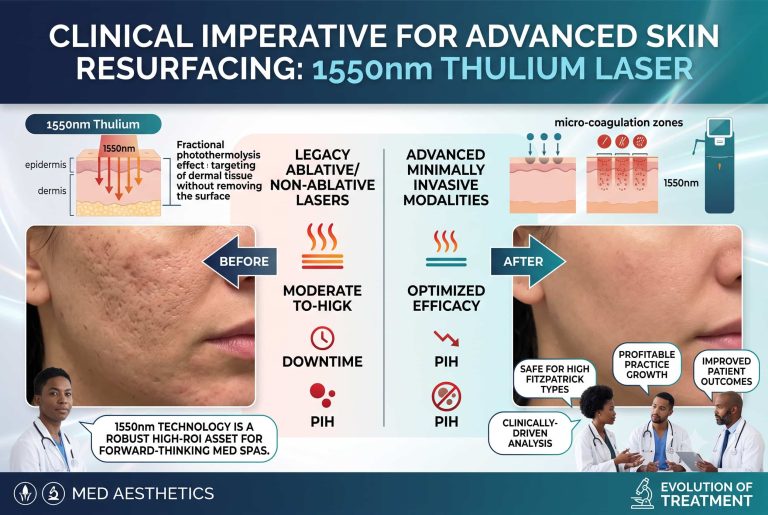
The Definitive Buyer’s Guide to Commercial Diode Laser Hair Removal Machines: Engineering, Efficacy, and ROI
Executive Summary
The global aesthetic medicine landscape is undergoing a profound transformation, driven by an aging demographic and a rising patient preference for non-surgical, high-efficacy interventions. For medical directors, clinic owners, and aesthetic practitioners, energy-based devices (EBDs) representing modalities such as lasers and Intense Pulsed Light (IPL) have become indispensable assets. These technologies comprehensively address structural and superficial signs of aging, ranging from dynamic rhytids and dermal laxity to complex textural anomalies and dyschromia. This authoritative whitepaper, presented by Cocoon Laser, deconstructs the underlying photobiomodulation mechanisms, clinical applications, and B2B procurement considerations for the most prominent anti-aging laser and IPL modalities in the contemporary market.
Part I: The Biological Imperative and the Role of Selective Photothermolysis
Before evaluating capital equipment, aesthetic providers must fundamentally understand the physiological pathogenesis of skin aging and how energy-based technologies reverse it.
Skin aging is typically categorized into intrinsic (chronological) and extrinsic (photoaging) factors. Over time, the structural integrity of the extracellular matrix (ECM) degrades. Fibroblast activity slows, resulting in a marked reduction of collagen and elastin synthesis. Simultaneously, cumulative ultraviolet (UV) exposure manifests as hyperpigmentation, telangiectasia, and uneven texture.
Energy-based aesthetic devices—engineered by industry leaders like Cocoon Laser—utilize the principle of selective photothermolysis. By emitting specific wavelengths of light, these devices target specific chromophores (melanin, hemoglobin, or water) within the skin. The optical energy converts into thermal energy upon absorption, intentionally creating controlled micro-injuries or thermal zones. This localized thermal stress triggers the body’s innate wound-healing cascade:
- Inflammation: Immediate release of cytokines and growth factors.
- Proliferation: Activation of fibroblasts to synthesize new Type III collagen.
- Remodeling: Conversion of Type III collagen to durable Type I collagen, leading to long-term tissue tightening, volumetric restoration, and textural normalization.
Part II: Clinical Indications and Modality Deep-Dives
Navigating the anti-aging marketplace requires a precise understanding of which wavelength and energy delivery system correlates with specific clinical indications. Below is a rigorous analysis of the primary technologies utilized for skin rejuvenation, firmness restoration, and textural correction.
1. The Nd:YAG Laser (1064nm): Precision Depth and Pigment Fragmentation
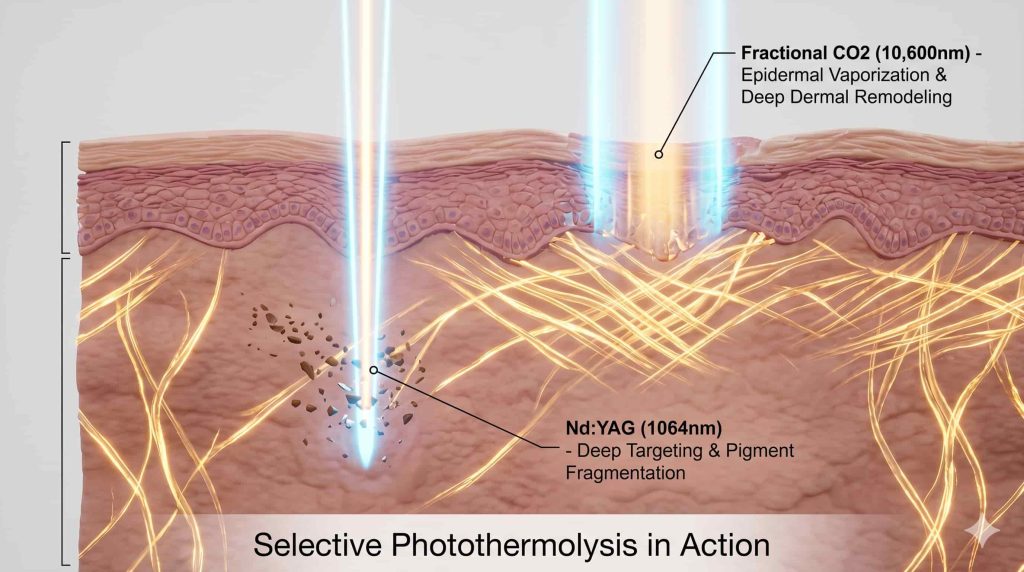
Neodymium-doped yttrium aluminum garnet (Nd:YAG) lasers operate at a wavelength of 1064nm, which penetrates deeper into the dermal layers than shorter-wavelength lasers (such as the 532nm or 755nm). Advanced Q-switched Nd:YAG systems, a flagship category within the Cocoon Laser portfolio, are exceptional modalities for comprehensive anti-aging treatments.
The Q-switched delivery system emits incredibly brief, high-energy pulses (measured in nanoseconds or picoseconds) that create a photoacoustic effect rather than a purely photothermal one. This shatters targeted pigment complexes without causing excessive collateral thermal damage to surrounding tissue.
Clinical Mechanisms and Benefits:
- Deep Dermal Heating: The 1064nm wavelength bypasses the superficial epidermis to heat the deep dermis, stimulating robust neocollagenesis. This significantly improves skin sagging, reduces the depth of rhytids, and tightens dilated pores.
- Chromophore Versatility: It successfully treats deep melanin-based dyschromia (such as melasma and lentigines) and vascular lesions (telangiectasia) simultaneously.
- Carbon Peeling Synergy: Nd:YAG lasers are the gold standard for “carbon facials” (often referred to clinically as a Hollywood Peel). This procedure involves applying a carbon lotion that penetrates pores; the laser then targets the exogenous carbon, vaporizing it to exfoliate the stratum corneum, clear sebum, and stimulate dermal collagen.
B2B Commercial Profile (Pros & Cons):
- Pros: Exceptionally high safety profile across all Fitzpatrick skin types (I-VI), making it highly versatile for diverse patient demographics. The low risk of post-inflammatory hyperpigmentation (PIH) in darker skin tones is a major commercial advantage. Furthermore, a single platform can cross-utilize for tattoo removal and laser hair removal, maximizing clinic ROI.
- Cons: Because the 1064nm wavelength is weakly absorbed by melanin compared to shorter wavelengths, profound pigmentary correction may require a higher number of treatment sessions. Providers must manage patient expectations regarding the timeline for visible structural results.
2. The Fractional CO2 Laser (10,600nm): The Gold Standard in Resurfacing
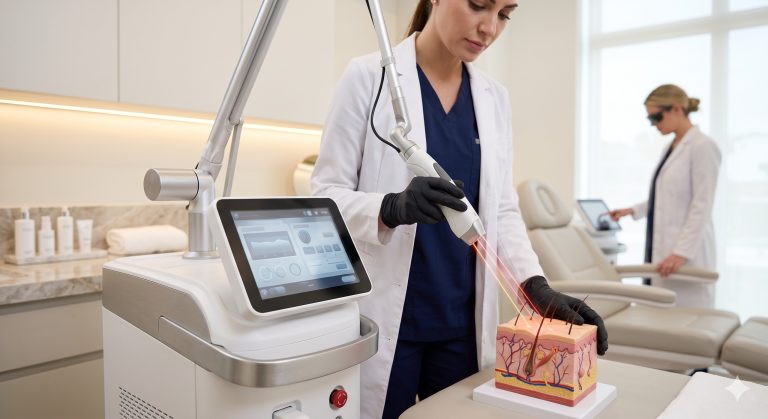
Carbon dioxide (CO2) lasers emit an infrared wavelength of 10,600nm, which is highly absorbed by tissue water. For decades, traditional fully ablative CO2 lasers were the apex of anti-aging, removing the entire epidermis. Today, state-of-the-art fractional CO2 platforms by Cocoon Laser have revolutionized the field by delivering ablative energy in a fractionated grid.
Fractional photothermolysis leaves microscopic “islands” of healthy, untreated tissue surrounding the microscopic treatment zones (MTZs). This dramatically accelerates re-epithelialization and minimizes patient downtime while still delivering profound clinical efficacy.
Clinical Mechanisms and Benefits:
- Epidermal Vaporization and Dermal Coagulation: The intense heat instantly vaporizes superficial imperfections (actinic keratoses, severe solar lentigines) while creating a zone of thermal coagulation in the dermis that forces immediate tissue contraction.
- Extracellular Matrix Renewal: The aggressive thermal injury provokes the most robust collagen and elastin restructuring available in energy-based aesthetics. It is uniquely capable of addressing severe dermal elastosis, deep rhytids, and atrophic acne scarring.
- Customizable Severity: Modern Cocoon Laser CO2 devices allow practitioners to precisely modulate pulse duration, density, and energy output, customizing the depth of ablation from a light superficial polish to deep structural remodeling.
B2B Commercial Profile (Pros & Cons):
- Pros: Delivers unparalleled, dramatic, and long-lasting results, often requiring only one to three sessions. It offers a highly lucrative revenue stream for clinics positioned at the premium end of the market. High patient satisfaction for severe anti-aging concerns solidifies clinical reputation.
- Cons: Requires rigorous pre- and post-operative clinical protocols. Patient downtime can range from 5 to 14 days, depending on energy density. There is a higher risk profile for prolonged erythema, bacterial/viral infections, and PIH, necessitating careful patient selection and contraindication screening.
3. Intense Pulsed Light (IPL): Broad-Spectrum Photorejuvenation
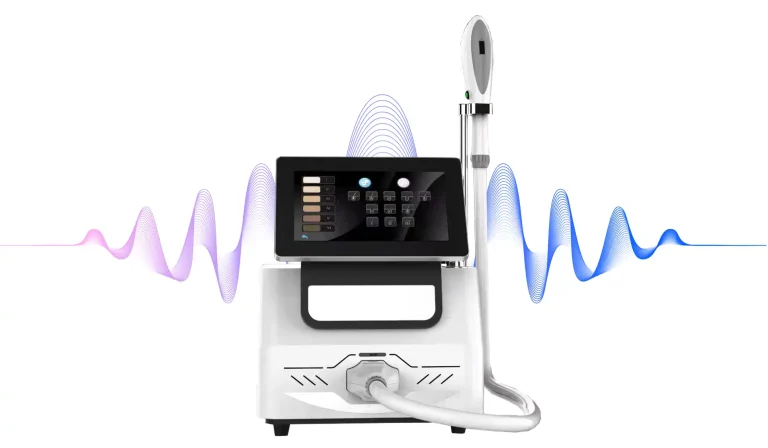
Unlike lasers, which emit monochromatic, coherent light, Intense Pulsed Light (IPL) systems emit a broad spectrum of incoherent light, typically ranging from 400nm to 1200nm. High-output IPL workstations developed by Cocoon Laser utilize interchangeable cut-off filters to restrict the emission spectrum, allowing practitioners to target specific chromophores at varying depths during a single session.
IPL is globally recognized as the cornerstone of “photorejuvenation.” It is specifically engineered to target the superficial signs of photoaging, creating an even, luminous complexion while simultaneously initiating mild collagen synthesis.
Clinical Mechanisms and Benefits:
- Dual-Targeting Capabilities: By filtering the light, an IPL device can target both melanin (for epidermal dyschromia, solar lentigines, and ephelides) and oxyhemoglobin (for vascular lesions, rosacea, and diffuse erythema) within the same treatment protocol.
- Non-Ablative Dermal Remodeling: The longer wavelengths within the IPL spectrum penetrate the dermis to generate bulk heating. While not as aggressive as a CO2 laser, this non-ablative thermal stress effectively improves mild dermal laxity and fine lines without disrupting the epidermal barrier.
- Pore Size and Texture: Consistent IPL treatments regulate sebaceous gland activity and refine pore architecture, resulting in a noticeably smoother skin texture.
B2B Commercial Profile (Pros & Cons):
- Pros: IPL offers a highly favorable safety-to-efficacy ratio with virtually zero patient downtime—the quintessential “lunchtime procedure.” From a clinic procurement perspective, IPL platforms offer exceptional versatility; a single device handles anti-aging, acne clearance, and hair reduction, ensuring rapid capital amortization.
- Cons: Efficacy is highly dependent on operator skill in selecting appropriate filters and pulse durations. It is generally restricted to Fitzpatrick skin types I-IV due to the broad absorption by melanin, which poses a risk of epidermal burns in darker skin types. Multiple sessions (typically 3 to 6) are required for optimal clinical outcomes.
4. Multi-Modality Facial Rejuvenation Platforms
In the highly competitive aesthetic landscape, isolated treatments are rapidly being replaced by synergistic protocols. Multi-modality facial rejuvenation platforms by Cocoon Laser integrate various technologies—such as radiofrequency (RF), acoustic ultrasound, microcurrents, and LED phototherapy—into a single, unified B2B solution.
These comprehensive systems are designed to address the anatomy of aging holistically, targeting the epidermis, dermis, and underlying muscular fascia.
Clinical Mechanisms and Benefits:
- Synergistic Tissue Layering: By combining technologies, practitioners can immediately improve surface texture via light exfoliation or superficial RF, while simultaneously utilizing deep thermal or acoustic energy to tighten subcutaneous layers.
- Circulatory and Lymphatic Stimulation: Modalities like targeted ultrasound and specific LED wavelengths enhance localized microcirculation and lymphatic drainage, instantly reviving dull, hypoxic skin.
- Immediate Transitory Results: These platforms excel at delivering an instant, visible “glow” and temporary tightening, making them highly marketable for pre-event procedures.
B2B Commercial Profile (Pros & Cons):
- Pros: Creates a recurring revenue model via wellness-oriented membership programs. Treatments are highly customizable, totally non-invasive, painless, and suitable for all skin types and ages. They require less intensive medical oversight, allowing delegation to trained aestheticians (depending on local regulations), which optimizes clinic workflow and profitability.
- Cons: While yielding high patient satisfaction for immediate radiance, the structural anti-aging results (collagenesis) are often less pronounced compared to deep ablative lasers. Ongoing maintenance sessions are strictly required to sustain the aesthetic benefits.
Part III: Strategic B2B Procurement and Clinical Integration
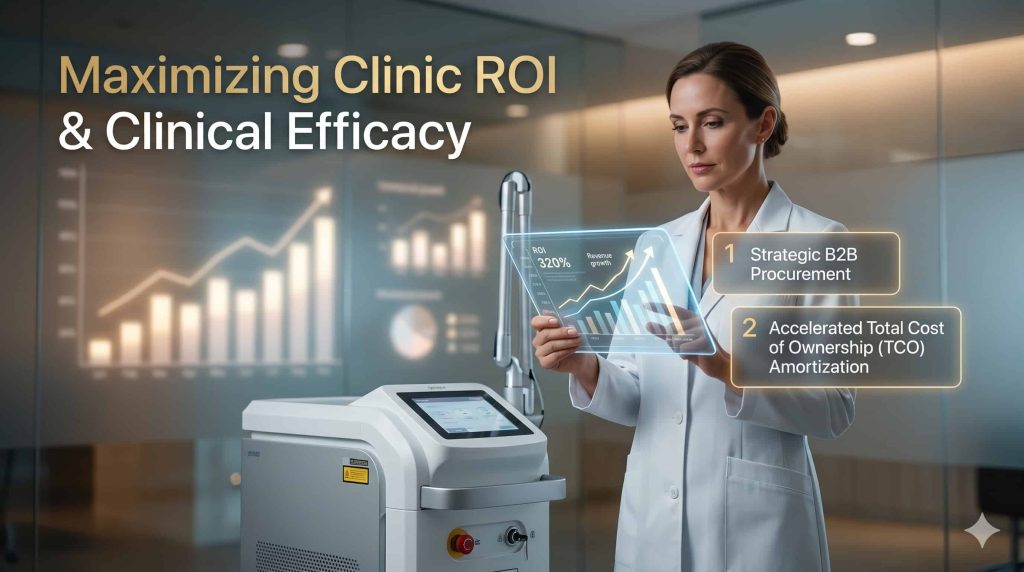
For aesthetic entrepreneurs and medical directors, acquiring laser and IPL technology is a significant capital expenditure (CAPEX). A data-driven approach to procurement ensures maximum clinical efficacy, patient safety, and accelerated return on investment (ROI). When evaluating the Cocoon Laser portfolio against the competitive landscape, decision-makers must assess several pivotal variables.
1. Demographic Alignment and Patient Profiling
The primary determinant in technology selection is the clinic’s predominant demographic.
- Clinics serving a diverse population with varied Fitzpatrick skin types (IV-VI) must prioritize technologies with high safety margins in melanin-rich skin, such as the 1064nm Nd:YAG laser.
- Practices situated in sun-belt regions with an older demographic suffering from severe solar elastosis and actinic damage will find an ablative or fractional CO2 laser indispensable.
- High-volume urban medical spas targeting younger professionals seeking preventative anti-aging and tone correction will maximize ROI through high-throughput IPL and multi-modality platforms.
2. Workflow Efficiency and Operator Delegation
Total Cost of Ownership (TCO) extends beyond the purchase price. Clinic managers must evaluate the operational cost of the technology. Multi-modality systems and IPL devices typically boast highly intuitive user interfaces and preset protocols. In many jurisdictions, these treatments can be delegated to mid-level practitioners or laser technicians, freeing the medical director or lead physician to perform high-margin injectable or surgical procedures. Conversely, aggressive CO2 resurfacing demands advanced clinical expertise and physician oversight due to the complex complication management profile.
3. Clinical Education and Support Ecosystem
No matter how advanced the hardware, clinical outcomes are ultimately dictated by operator proficiency. This is where premium B2B partnerships become critical. Cocoon Laser distinguishes itself by providing an exhaustive clinical education ecosystem. Comprehensive on-site training, continuous protocol updates, and robust technical support ensure that your clinical staff thoroughly understands laser physics, tissue interactions, and complication mitigation.
4. Managing Patient Expectations and Compliance
The success of energy-based anti-aging treatments relies heavily on patient compliance. Practitioners must be thoroughly trained not only in device operation but in clinical consultation.
Patients must be educated that neocollagenesis is a biological process requiring time; while some erythema or tightening may be immediately visible, the profound structural improvements from an Nd:YAG or CO2 treatment peak between 3 to 6 months post-procedure. Furthermore, stringent adherence to post-treatment protocols—specifically broad-spectrum SPF application and avoidance of UV exposure—is non-negotiable to prevent PIH and protect the clinical investment.
Part IV: Future Projections in Energy-Based Anti-Aging
The anti-aging aesthetic market is projecting sustained, aggressive growth. Innovations are shifting rapidly toward artificial intelligence (AI) integrations that can analyze skin impedance and pigment density in real-time, automatically adjusting laser dosimetry to maximize efficacy and entirely eliminate human error. Furthermore, the integration of energy-based devices with regenerative medicine—such as applying topical exosomes, platelet-rich plasma (PRP), or polynucleotides immediately following fractional CO2 ablation—is establishing a new paradigm in accelerated healing and amplified tissue rejuvenation.
For medical aesthetic practices, staying competitive means not just offering treatments, but offering scientifically validated, protocol-driven outcomes that patients can trust.
Conclusion
The debilitating psychological impact of premature aging, dermal laxity, and photo-damage drives a multi-billion dollar demand for effective, non-surgical interventions. Energy-based aesthetic devices—ranging from the precision of Q-switched Nd:YAGs and the structural remodeling power of Fractional CO2 lasers, to the versatile photorejuvenation of IPLs—provide the scientifically proven mechanisms required to reverse cellular aging.
As a clinical practitioner or medical director, your mandate is to deploy technologies that offer uncompromising safety, reliable efficacy, and operational profitability. Integrating state-of-the-art systems into your clinical portfolio empowers you to customize treatment algorithms for every patient profile, transforming their skin architecture and their confidence.
Elevate Your Clinic’s Capabilities
Align your practice with the vanguard of medical aesthetic engineering. By investing in Cocoon Laser technology, you secure a partnership dedicated to clinical excellence, continuous education, and advanced engineering. Equip your practice with the tools necessary to navigate complex anti-aging indications and dominate your local market.
Visit Cocoon Laser today to schedule a comprehensive B2B consultation, explore our advanced anti-aging portfolios, and request an in-clinic demonstration to see the future of energy-based aesthetics in action.
If you need more information, please click “Contact Us”.
If you want to obtain more information, please follow our official website and Facebook.