How to Calm Sensitive Skin: Causes, Care & Recovery
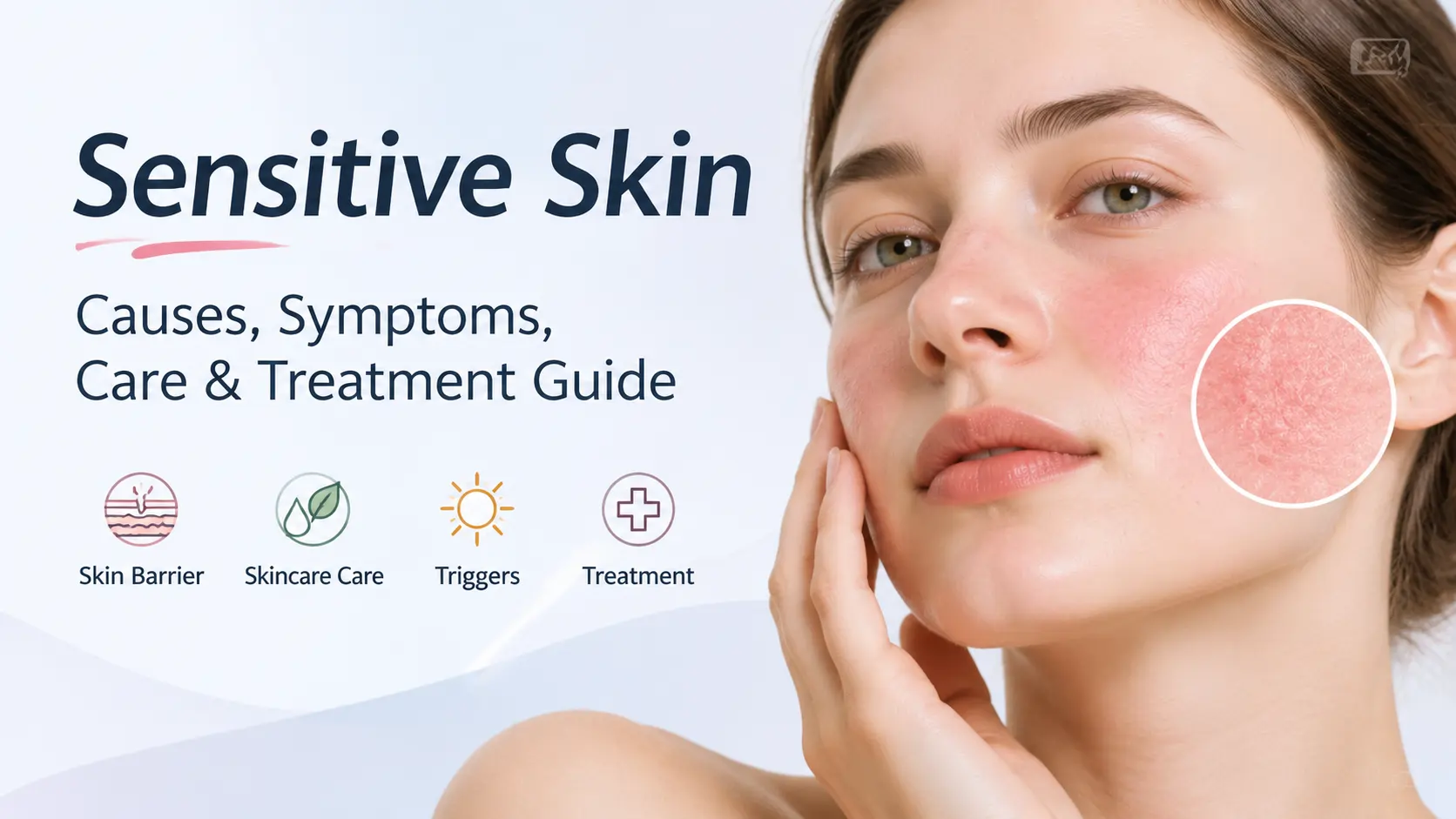
Sensitive skin is a common concern characterized by uncomfortable reactions such as redness, itching, burning, stinging, and dryness. These reactions may occur after using skincare products, washing the face, exposure to changing weather, or contact with everyday environmental irritants.
Understanding what causes sensitive skin is the first step toward managing skin sensitivity. Whether your skin feels tight after cleansing, becomes red easily, or reacts to products that others tolerate, this guide explains the common symptoms, underlying factors, potential triggers, and practical ways to care for sensitive skin.
Quick Answer: What Is Sensitive Skin?
Sensitive skin describes skin that experiences unpleasant sensations, including burning, stinging, itching, tightness, or tingling in response to stimuli that normally would not cause discomfort. Reactions may occur after exposure to skincare ingredients, temperature changes, sunlight, friction, or environmental irritants.
Skin sensitivity is often associated with changes in the skin barrier and heightened sensory responses. However, it is not always a separate skin disease. Conditions such as eczema, rosacea, and contact dermatitis can also cause similar symptoms and should be considered when reactions are persistent or severe.
A practical approach to managing sensitive skin includes using a gentle cleanser, applying a well-tolerated moisturizer, protecting the skin from ultraviolet exposure, avoiding identified triggers, and seeking professional assessment when necessary.
What Does Sensitive Skin Mean?
Sensitive skin refers to a condition in which the skin reacts more noticeably than expected to external or internal stimuli. People with skin sensitivity may experience discomfort even when using products or encountering environmental conditions that do not affect most other people.
Unlike some clearly defined dermatological conditions, sensitive skin does not have one universally accepted visible appearance. Some people experience redness and dryness, while others mainly notice burning, itching, stinging, or tightness without obvious changes on the skin.
The face is a particularly common area of concern because it is frequently exposed to skincare products, cosmetics, sunlight, temperature changes, and environmental pollutants. However, sensitivity can affect other parts of the body as well.
Is Sensitive Skin a Medical Condition?
Sensitive skin is generally described as a syndrome or a group of symptoms rather than one specific dermatological disease. It is often identified through a person’s reported reactions and a clinical assessment that considers other possible skin disorders.
This distinction is important because persistent skin discomfort may have an underlying cause that requires specific treatment. For example, allergic contact dermatitis, irritant contact dermatitis, atopic dermatitis, and rosacea can all produce symptoms that resemble sensitive skin.
Therefore, identifying the reason behind skin sensitivity is more useful than simply assuming that every episode of redness or irritation is caused by having sensitive skin.
What Are the Common Symptoms of Sensitive Skin?
Sensitive skin symptoms vary from person to person. Some individuals experience occasional discomfort after applying skincare products, while others have frequent reactions to environmental conditions or routine activities.
Common signs and sensations associated with skin sensitivity include:
- Redness: The skin may become visibly red or flushed after washing, applying products, exposure to heat, or contact with certain irritants.
- Burning or stinging: A burning, prickling, or stinging sensation may develop even when there is little visible irritation.
- Itching: The skin may feel itchy after exposure to cosmetics, cleansing products, fabrics, or environmental factors.
- Dryness and tightness: The skin may feel uncomfortable after cleansing or during periods of low humidity.
- Flaking or peeling: Some people experience visible scaling, rough patches, or peeling when the skin becomes irritated or excessively dry.
- Increased reactivity: Products that were previously tolerated may begin to cause discomfort.
- Tenderness: Certain areas may feel unusually uncomfortable when touched, rubbed, or exposed to pressure.

Why Does Sensitive Skin Sometimes Feel Uncomfortable Without Redness?
Not everyone with sensitive skin develops visible redness or a rash. Some people mainly experience sensory discomfort, such as burning, stinging, or tightness.
This may be related to increased responsiveness of sensory nerve pathways in the skin. Research into sensitive skin has identified neurosensory mechanisms as an important part of the condition. As a result, the intensity of discomfort does not always correspond directly to the visible appearance of the skin.
What Causes Sensitive Skin?
There is no single cause of sensitive skin. Skin sensitivity can involve several interacting factors, including skin barrier function, sensory nerve responses, genetics, environmental exposure, and existing dermatological conditions.
1. A Weakened or Disrupted Skin Barrier
The skin barrier is the outer protective layer of the skin. It helps retain moisture while limiting the entry of external irritants and other potentially harmful substances.
When this barrier becomes disrupted, the skin may lose moisture more easily and become less tolerant of environmental exposure. This can contribute to dryness, tightness, irritation, and increased sensitivity.
The stratum corneum, the outermost layer of the epidermis, contains skin cells, natural moisturizing factors, and lipids that work together to maintain barrier function. Changes in these components have been associated with dry and sensitive skin.

2. Increased Sensory Nerve Responsiveness
Skin contains sensory nerve endings that respond to temperature, physical contact, and chemical stimuli. In people with sensitive skin, these sensory pathways may respond more strongly to otherwise harmless stimuli.
This helps explain why some individuals experience burning, stinging, or itching without obvious skin damage. Research suggests that sensory nerve activity and neurogenic inflammation may contribute to the development of sensitive skin symptoms.
3. Excessive or Inappropriate Skincare
A complicated skincare routine can sometimes make skin sensitivity worse. Frequent exfoliation, excessive cleansing, and combining multiple active ingredients may irritate the skin, particularly when the protective barrier is already compromised.
Ingredients such as exfoliating acids, retinoids, fragrances, and certain preservatives may cause irritation in susceptible individuals. However, sensitivity varies between people, and an ingredient that causes discomfort in one person may be well tolerated by another.
4. Environmental and Weather-Related Factors
Environmental conditions can influence how the skin feels and responds throughout the day. Cold temperatures, strong winds, low humidity, excessive heat, ultraviolet radiation, and air pollution may aggravate existing skin sensitivity.
Sudden changes between indoor and outdoor temperatures may also trigger temporary discomfort or facial flushing in some people.
5. Hormonal Changes and Individual Differences
Skin characteristics can change throughout life. Hormonal fluctuations associated with menstruation, pregnancy, aging, and menopause may influence skin hydration, barrier function, and overall tolerance to skincare products.
Individual differences in skin structure, genetics, and environmental exposure can also influence how frequently sensitivity develops.
6. Existing Skin Conditions
Sometimes, what appears to be ordinary skin sensitivity is actually related to an underlying dermatological condition. Eczema, rosacea, allergic contact dermatitis, and irritant contact dermatitis may all produce overlapping symptoms.
If sensitivity is persistent, accompanied by a recurring rash, or becoming progressively worse, a dermatologist can help identify the underlying cause.
What Are the Most Common Sensitive Skin Triggers?
A trigger is something that causes or aggravates skin discomfort. Identifying individual triggers is an important part of managing skin sensitivity because reactions can differ significantly between people.
| Trigger Category | Common Examples | Possible Skin Reactions |
|---|---|---|
| Skincare Products | Fragrances, exfoliating acids, retinoids, certain preservatives | Stinging, dryness, irritation, redness |
| Weather Conditions | Cold, wind, heat, low humidity | Tightness, dryness, flushing |
| Sun Exposure | Ultraviolet radiation and excessive sun exposure | Redness, irritation, discomfort |
| Physical Factors | Friction, excessive exfoliation, frequent washing | Tenderness, burning, barrier irritation |
| Environmental Exposure | Air pollution, dust, occupational irritants | Itching, discomfort, irritation |
| Lifestyle Factors | Psychological stress, alcohol, individual dietary triggers | Flushing or worsening of existing symptoms |
These are potential triggers rather than universal causes. Not every person with sensitive skin will react to all of these factors.
Can Skincare Products Make Sensitive Skin Worse?
Yes. Certain skincare products can aggravate skin sensitivity, particularly when they contain ingredients that an individual cannot tolerate or when several potentially irritating products are used together.
Fragrance, strong cleansing agents, exfoliating acids, and retinoid products are common considerations when investigating product-related irritation.
However, a reaction does not automatically mean that someone has sensitive skin. It may indicate irritant or allergic contact dermatitis, which requires a different approach to diagnosis and management.
Can Stress Cause Skin Sensitivity?
Psychological stress may aggravate skin discomfort in some individuals. The relationship between the nervous system, inflammatory responses, and skin function is complex.
Stress may also worsen certain existing skin conditions, potentially increasing itching, redness, or irritation. Managing stress can therefore be one part of an overall skin-care approach, although it is not a substitute for treating an underlying dermatological condition.
How to Care for Sensitive Skin
Caring for sensitive skin starts with reducing unnecessary irritation and supporting the skin’s natural protective barrier. A consistent, uncomplicated skincare routine is generally more practical than frequently changing products or introducing multiple active ingredients.
The goal is not to use as many skincare products as possible. Instead, choose products that your skin tolerates and maintain a routine that supports hydration and protection.
1. Use a Gentle Cleanser
Cleansing removes sweat, excess oil, sunscreen, makeup, and environmental impurities. However, aggressive cleansing can remove protective skin lipids and contribute to dryness and irritation.
Consider the following when choosing a cleanser:
- Choose a mild, fragrance-free cleanser.
- Avoid harsh scrubbing and abrasive cleansing tools.
- Use lukewarm rather than excessively hot water.
- Avoid washing your face more frequently than necessary.
- Pat your skin dry gently instead of rubbing it with a towel.
2. Apply a Moisturizer Regularly
Moisturizing is an important part of sensitive skin care. A suitable moisturizer helps reduce moisture loss and supports the skin barrier.
Depending on individual tolerance, useful moisturizing ingredients may include:
- Ceramides: Lipids that help support the structure and barrier function of the stratum corneum.
- Glycerin: A humectant that helps attract and retain water in the outer layers of the skin.
- Hyaluronic Acid: A water-binding ingredient commonly used to improve skin hydration.
- Petrolatum: An occlusive ingredient that helps reduce transepidermal water loss.
- Dimethicone: An ingredient that helps provide a protective, conditioning layer on the skin.
No single ingredient is suitable for everyone. The overall formulation, concentration, and individual tolerance are important when selecting products for sensitive skin.
3. Protect Sensitive Skin from Sun Exposure
Ultraviolet radiation can contribute to skin damage and aggravate certain skin conditions. Regular sun protection is therefore an important part of a sensitive skin care routine.
Consider these practical measures:
- Use a broad-spectrum sunscreen with SPF 30 or higher.
- Consider fragrance-free mineral sunscreen containing zinc oxide or titanium dioxide if other formulations cause irritation.
- Reapply sunscreen according to the product instructions and after swimming or sweating.
- Wear protective clothing and seek shade when sunlight is particularly strong.
4. Introduce New Skincare Products Gradually
Introducing several new products simultaneously makes it difficult to identify which ingredient may be responsible for an unwanted reaction.
A more cautious approach is to introduce one new product at a time and observe how your skin responds.
You can also perform a repeated-use test on a small area of skin according to dermatological guidance or the product’s instructions. A home test cannot rule out allergic contact dermatitis, and it should not replace formal patch testing when an allergy is suspected.
5. Avoid Over-Exfoliation
Exfoliating products containing alpha hydroxy acids, beta hydroxy acids, or retinoids can be useful for selected skincare concerns. However, excessive use may cause dryness, irritation, and discomfort.
If your skin is already irritated, temporarily simplifying your routine and avoiding unnecessary exfoliation may help reduce additional irritation.
Do not discontinue prescribed treatments without consulting the healthcare professional who recommended them.
What Is the Best Skincare Routine for Sensitive Skin?
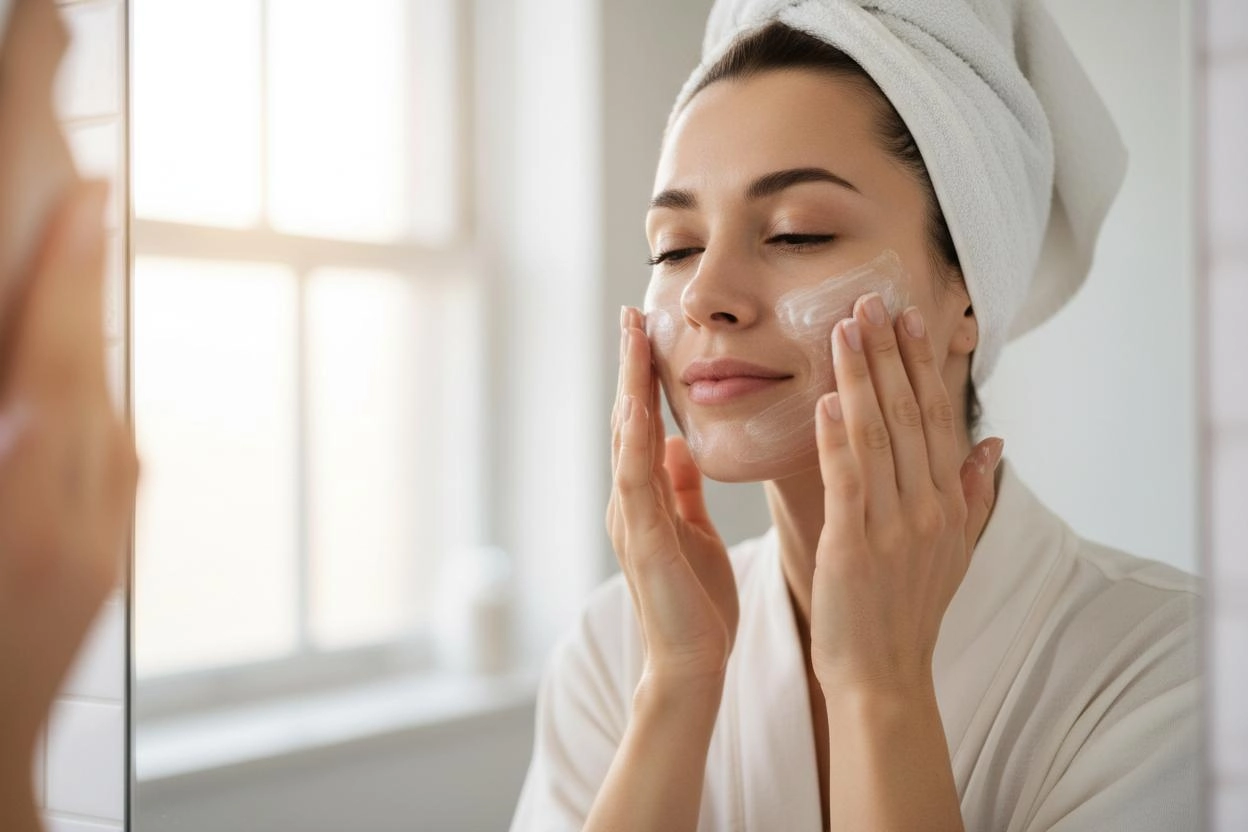
A simple morning and evening routine can help reduce unnecessary exposure to potentially irritating products. The exact routine should be adjusted according to individual skin conditions and product tolerance.
| Routine | Step | Purpose |
|---|---|---|
| Morning | Gentle cleansing | Remove overnight buildup without excessive cleansing. |
| Morning | Moisturizer | Support hydration and skin barrier function. |
| Morning | Broad-spectrum sunscreen | Help protect against ultraviolet exposure. |
| Evening | Gentle cleansing | Remove sunscreen, makeup, and daily impurities. |
| Evening | Moisturizer | Reduce moisture loss and maintain skin comfort. |
People with very dry or reactive skin may not need a separate cleanser every morning. Rinsing with lukewarm water may be sufficient depending on their skin condition.
What Ingredients Should Sensitive Skin Avoid?
There is no universal list of ingredients that every person with sensitive skin must avoid. However, certain ingredients and product categories deserve additional attention when irritation occurs.
- Fragrance: Fragrance ingredients can cause irritation or allergic contact reactions in susceptible individuals.
- Strong exfoliating acids: High concentrations or excessive use of exfoliating acids may increase irritation.
- Retinoids: These ingredients may cause temporary dryness, peeling, and irritation, particularly when first introduced.
- Harsh cleansing agents: Some cleansing formulations may remove too much of the skin’s natural protective lipids.
- Essential oils: Certain essential oils and their fragrance components may trigger irritation or allergic reactions.
The presence of an ingredient on this list does not mean it is unsuitable for everyone. Individual tolerance and the complete product formulation should guide product selection.
How Is Sensitive Skin Diagnosed?
There is no single laboratory test that confirms all cases of sensitive skin. Diagnosis generally involves understanding a person’s symptoms, examining the skin, reviewing product exposure, and excluding other conditions that may produce similar reactions.
Skin Examination and Medical History
A dermatologist may ask questions about:
- When the skin discomfort first started.
- Which areas of the body are affected.
- Whether symptoms include itching, burning, or stinging.
- Which skincare and personal care products are being used.
- Whether symptoms are associated with weather or environmental exposure.
- Whether there is a history of eczema, allergies, or rosacea.
Patch Testing for Suspected Allergic Contact Dermatitis
If a dermatologist suspects allergic contact dermatitis, patch testing may be recommended. This test helps identify delayed allergic reactions to particular substances that come into contact with the skin.
Patch testing is different from simply applying a product to a small area at home. It is performed and interpreted by appropriately trained healthcare professionals.
Distinguishing Sensitive Skin from Other Skin Conditions
Several dermatological conditions can produce symptoms that overlap with sensitive skin. Understanding these differences is important because each condition may require a different management approach.
| Condition | Common Characteristics | Important Distinction |
|---|---|---|
| Generally Sensitive Skin | Stinging, burning, itching, tightness, or discomfort. | May occur without a clearly visible rash or defined skin disease. |
| Atopic Dermatitis (Eczema) | Dryness, itching, inflammation, and recurring eczema patches. | A chronic inflammatory skin disease. |
| Rosacea | Facial flushing, persistent redness, visible blood vessels, or inflammatory bumps. | Primarily affects the central facial area and may have identifiable triggers. |
| Contact Dermatitis | Itching, redness, burning, swelling, or rash after exposure. | May result from direct irritation or an allergic reaction to an external substance. |
| Dry Skin (Xerosis) | Roughness, scaling, flaking, and tightness. | Primarily involves insufficient skin hydration and altered barrier function. |
These conditions can overlap, and some individuals may experience more than one condition at the same time. A professional diagnosis is important when symptoms are persistent, severe, or unexplained.
What Treatments Are Available for Sensitive Skin?
Treatment depends on the underlying reason for skin sensitivity. There is no single procedure or medication that is appropriate for everyone who reports sensitive skin.
For uncomplicated skin sensitivity, the initial approach generally focuses on identifying triggers, simplifying skincare, maintaining hydration, and supporting the skin barrier.
1. Barrier-Supportive Skincare
Moisturizers and gentle skincare formulations are commonly recommended to help reduce dryness and support the outer protective layer of the skin.
A suitable skincare plan should be based on individual tolerance rather than the number of active ingredients or the complexity of the routine.
2. Medical Treatment for Underlying Skin Conditions
If skin sensitivity is associated with eczema, rosacea, allergic contact dermatitis, or another diagnosed condition, treatment should address that specific condition.
Depending on the diagnosis, a healthcare professional may recommend prescription topical medications, trigger avoidance, or other condition-specific treatments.
3. Can Professional Aesthetic Treatments Help Sensitive Skin?
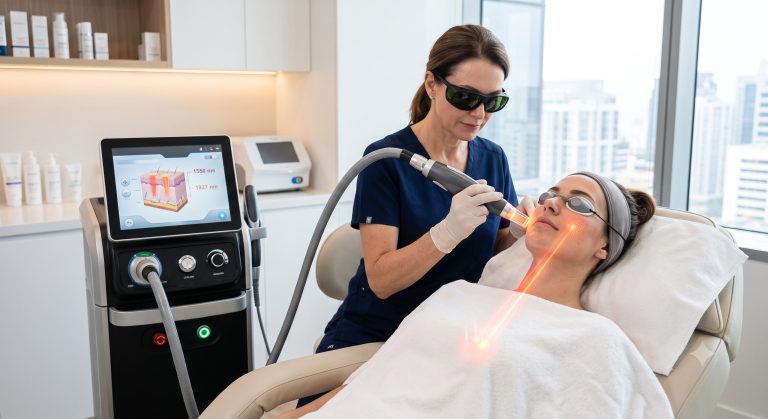
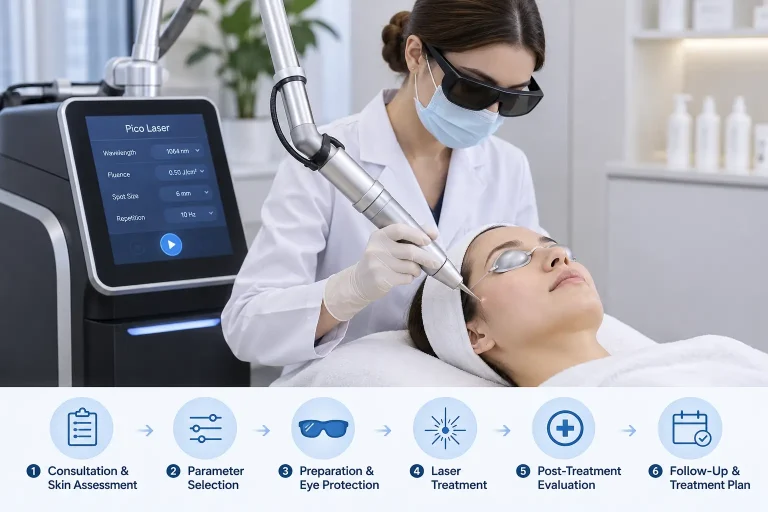
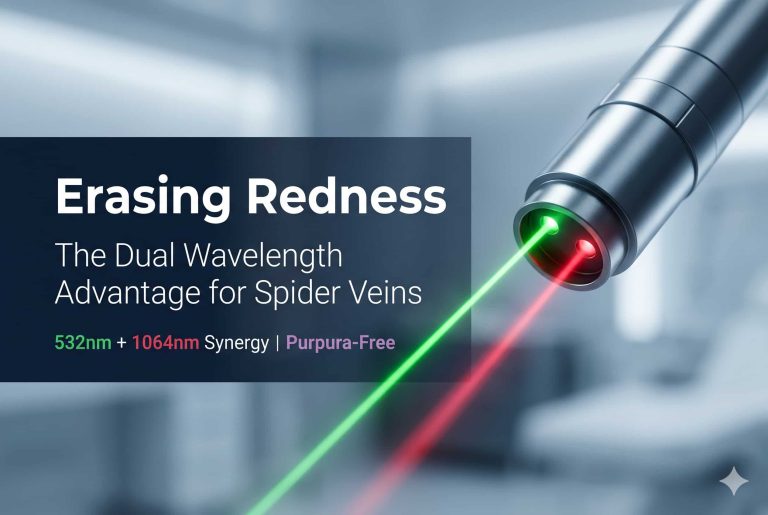
Some aesthetic clinics offer professional treatments such as radiofrequency (RF), intense pulsed light (IPL), and other energy-based technologies for selected skin concerns. However, these treatments should not be considered universal solutions for sensitive skin.
Their suitability depends on the actual diagnosis, treatment objective, skin condition, device characteristics, and individual risk factors.
For example, IPL may be considered by qualified professionals for selected vascular or pigmentation concerns, but it is not a general treatment for skin sensitivity itself. Active inflammation or certain underlying conditions may make energy-based procedures inappropriate until the skin has been properly assessed.
Radiofrequency treatments also have specific indications and contraindications. They should not be promoted as established treatments for generalized skin sensitivity without appropriate clinical evidence.
Anyone considering a professional aesthetic procedure should first consult a qualified practitioner who can determine whether the treatment is appropriate.
When Should You See a Dermatologist?
Occasional mild skin discomfort may improve after discontinuing an irritating product and simplifying your skincare routine. However, persistent or worsening symptoms deserve professional evaluation.
Consider seeing a dermatologist if you experience:
- Persistent redness or irritation that does not improve.
- Recurring rashes, blisters, or unexplained skin reactions.
- Severe itching, burning, or pain.
- Cracked skin, oozing, or signs of possible infection.
- Repeated reactions to multiple skincare products.
- Symptoms that interfere with sleep or everyday activities.
Seek urgent medical attention for rapidly developing facial or tongue swelling, difficulty breathing, or other signs of a serious allergic reaction.
Frequently Asked Questions About Sensitive Skin
What Is the Main Cause of Sensitive Skin?
There is no single main cause. Sensitive skin may involve impaired skin barrier function, increased sensory nerve responsiveness, environmental exposure, skincare irritation, and underlying dermatological conditions.
How Do I Know If I Have Sensitive Skin?
Common signs include frequent stinging, burning, itching, tightness, redness, or dryness after exposure to skincare products or environmental conditions. A dermatologist can help determine whether these symptoms represent sensitive skin or another skin condition.
Can Sensitive Skin Be Permanently Cured?
Sensitive skin does not have one universal cure because its causes vary. Many people can manage their symptoms by identifying triggers, maintaining an appropriate skincare routine, and treating any underlying skin condition.
Does Sensitive Skin Mean You Have a Weak Skin Barrier?
Not necessarily. Skin barrier abnormalities are frequently associated with sensitive skin, but sensitivity can also involve changes in sensory nerve responsiveness. A person may experience discomfort without obvious signs of barrier damage.
Can Oily Skin Also Be Sensitive?
Yes. Oily skin and sensitive skin are not mutually exclusive. A person can produce excess sebum while also experiencing redness, burning, stinging, or reactions to skincare products.
Why Is My Skin Suddenly So Sensitive?
Sudden skin sensitivity may be associated with a new skincare product, excessive exfoliation, environmental changes, sun exposure, medication-related effects, or an underlying skin condition. If symptoms persist or include a rash, professional assessment is recommended.
Can Sensitive Skin Develop Later in Life?
Yes. Skin sensitivity can develop or become more noticeable at different stages of life. Aging, hormonal changes, environmental exposure, and changes in skincare habits may influence skin tolerance.
Is Sensitive Skin the Same as Allergic Skin?
No. Sensitive skin is a broader term describing unpleasant reactions to stimuli. Allergic contact dermatitis involves an immune-mediated allergic response to a particular substance. The two can produce overlapping symptoms, but they are not the same condition.
What Is the Best Moisturizer for Sensitive Skin?
There is no single best moisturizer for everyone. Generally, a simple, fragrance-free formulation containing well-tolerated moisturizing and barrier-supporting ingredients may be a reasonable starting point.
Should I Stop Using All Active Skincare Ingredients?
Not necessarily. Some active ingredients can be useful for particular skin concerns. However, if your skin is currently irritated, simplifying your routine and avoiding unnecessary active ingredients may help. Discuss prescribed treatments with your healthcare professional before stopping them.
Does Sensitive Skin Need Special Sunscreen?
Sensitive skin generally benefits from regular broad-spectrum sun protection. Some people prefer fragrance-free mineral sunscreens containing zinc oxide or titanium dioxide, although individual tolerance and the complete formulation remain important.
Can Stress Make Sensitive Skin Worse?
Stress may aggravate symptoms in some individuals and can contribute to flare-ups of certain inflammatory skin conditions. However, it is only one of several possible influencing factors.
Is Sensitive Skin the Same as Tender Skin?
Not exactly. Tender skin describes skin that feels unusually uncomfortable or painful when touched or pressed. Tenderness can be one symptom of sensitive skin, but it can also occur with inflammation, infection, injury, or other conditions.
Conclusion: Understanding and Managing Sensitive Skin
Sensitive skin is a multifactorial concern that can involve skin barrier changes, increased sensory responsiveness, environmental triggers, and underlying dermatological conditions.
The most practical starting point is to identify what aggravates your skin, simplify unnecessary skincare steps, use well-tolerated moisturizers, and maintain regular sun protection.
Most importantly, persistent skin reactions should not automatically be dismissed as ordinary sensitivity. Understanding the underlying cause helps determine which management approach is appropriate.