Professional Diode Laser Hair Removal Machine Guide for Clinics (2026)
Quick Answer
Choosing a professional diode laser hair removal machine for a clinic requires more than comparing laser power or price. A reliable system should be evaluated based on wavelength configuration, energy delivery, cooling technology, treatment efficiency, user workflow, maintenance requirements, and manufacturer support.
For clinics, medical spas, and dermatology practices, the right diode laser platform should provide consistent treatment performance, flexible clinical applications, comfortable operation, and long-term reliability. Factors such as 808nm wavelength capability, adjustable parameters, spot size, cooling system design, and after-sales support can significantly influence the overall value of the investment.
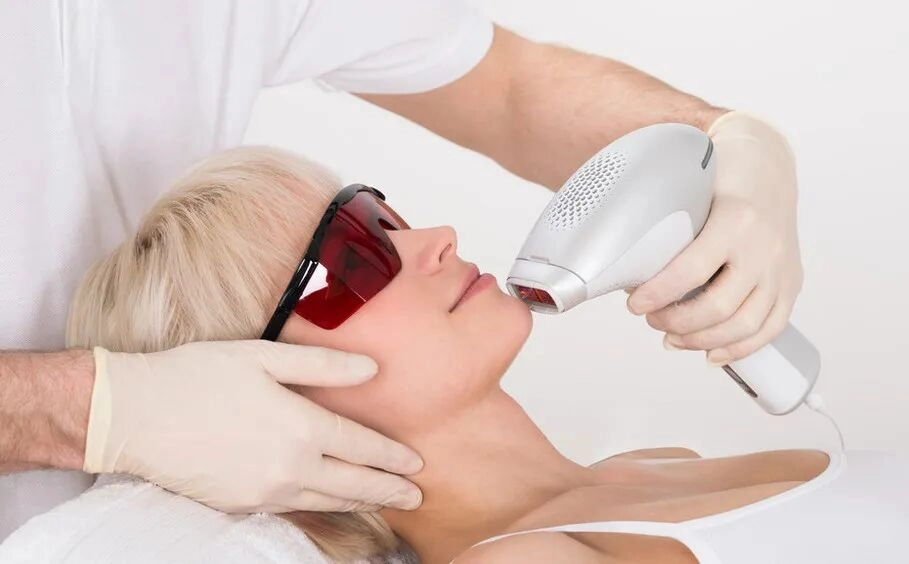
What Is a Professional Diode Laser Hair Removal Machine?
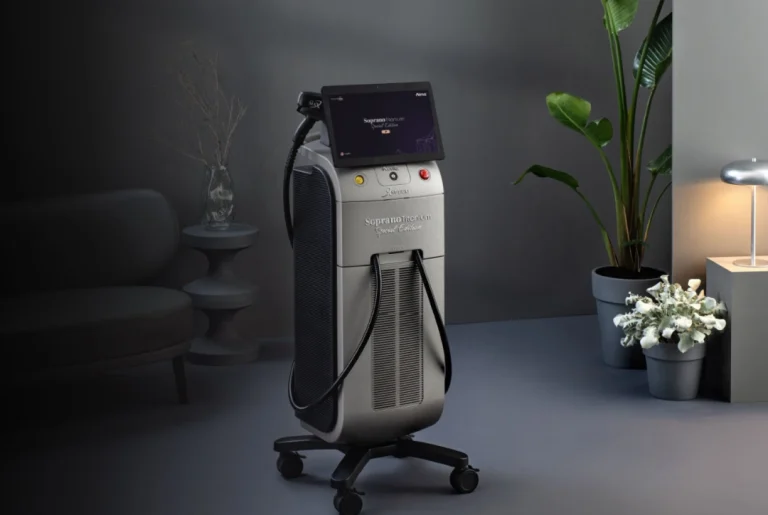
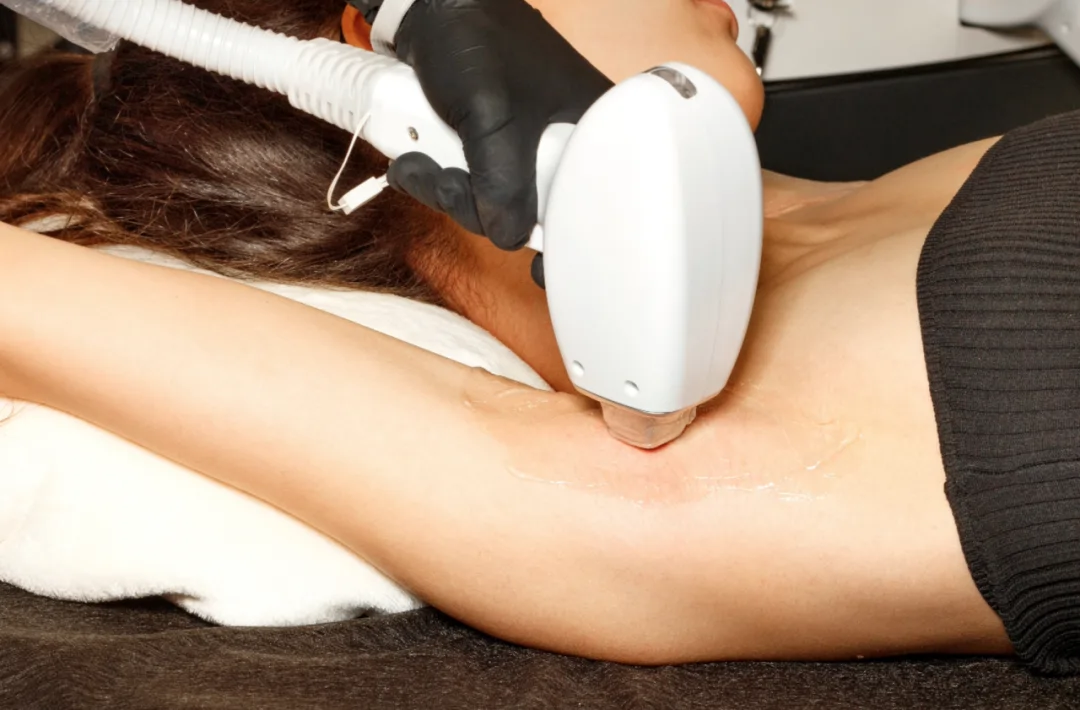
A professional diode laser hair removal machine is an advanced aesthetic device designed for clinic-based hair reduction treatments using semiconductor laser technology. Unlike consumer home devices, professional systems are engineered for repeated daily operation, larger treatment areas, adjustable clinical parameters, and integration into professional treatment workflows.
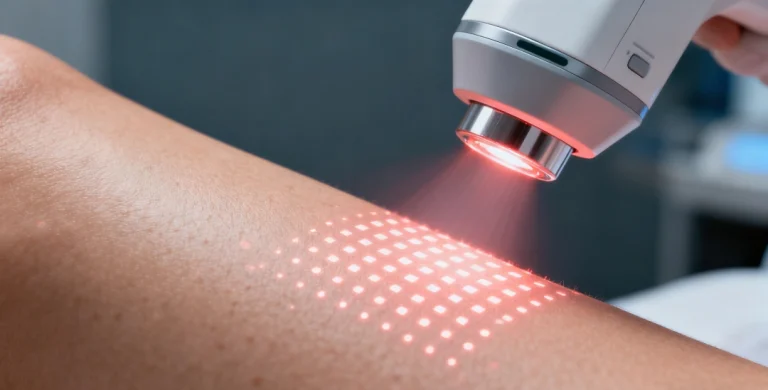
The core technology uses semiconductor laser modules to generate specific wavelengths of light that target melanin within hair follicles. When properly selected and delivered, laser energy can affect the follicular structure while allowing practitioners to customize treatment parameters according to skin type, hair characteristics, and treatment area.
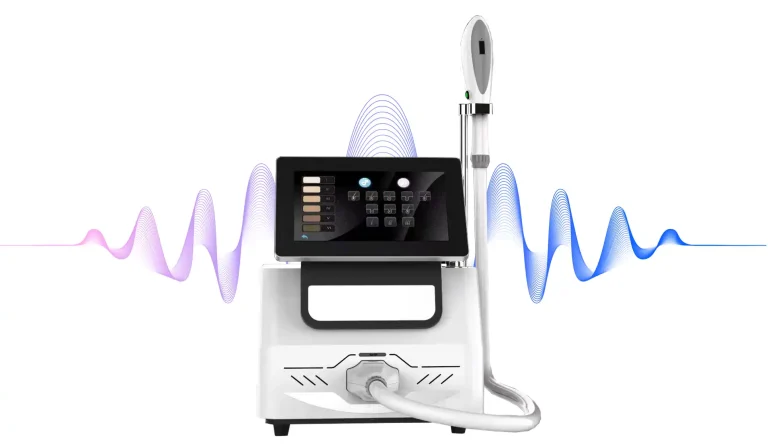
Modern professional diode laser platforms typically combine multiple components, including laser modules, handpieces, cooling systems, control interfaces, and treatment software. The performance of the complete system depends not only on the laser wavelength but also on how these components work together during clinical use.
Main Components of a Professional Diode Laser System
Laser Module
The laser module is the core energy source of the system. Professional devices are designed with stable energy output and controlled pulse delivery to support consistent treatment procedures across different applications.
Handpiece Design
The handpiece directly affects operator experience and treatment efficiency. Factors such as ergonomic design, spot size, weight distribution, and cooling integration can influence workflow during longer treatment sessions.
Cooling System
Cooling technology plays an important role in professional hair removal systems. Effective cooling helps manage heat generated during energy delivery and supports a more comfortable treatment experience for patients.
Control System
Professional systems often include touchscreen interfaces, preset treatment parameters, and adjustable settings that allow practitioners to optimize workflows for different treatment areas and patient requirements.
Professional vs Home Laser Hair Removal Devices
One of the most common questions when purchasing aesthetic equipment is the difference between professional diode laser systems and home-use hair removal devices.
Although both technologies use light-based energy to target hair follicles, they are designed for completely different purposes. Home devices prioritize convenience, portability, and simplified operation, while professional systems focus on performance, flexibility, durability, and clinical workflow.
| Feature | Professional Diode Laser System | Home Hair Removal Device |
|---|---|---|
| Target User | Clinics, medical spas, dermatology practices | Individual consumers |
| Usage Frequency | Designed for repeated daily treatments | Designed for personal use |
| Parameter Adjustment | Multiple adjustable treatment settings | Limited settings |
| Treatment Area | Suitable for large and small clinical areas | Mainly personal treatment areas |
| Cooling System | Professional integrated cooling solutions | Basic cooling methods |
| Support | Training, technical support, maintenance | Consumer-level support |
For clinics, investing in professional equipment is not only about the laser technology itself. The complete system must support efficient treatment delivery, reliable operation, and long-term business development.
Key Factors When Choosing a Diode Laser Hair Removal Machine
Selecting the right diode laser system requires evaluating several technical and operational factors. A higher price does not always indicate better suitability, and the most powerful specification does not necessarily match every clinic’s needs.
The ideal system should balance technical capability, patient experience, treatment efficiency, and manufacturer support.
1. Wavelength Selection
Wavelength selection is one of the most important considerations when choosing a professional diode laser hair removal machine. Different wavelengths interact with skin and hair characteristics differently, which is why many modern professional systems offer multiple wavelength configurations.
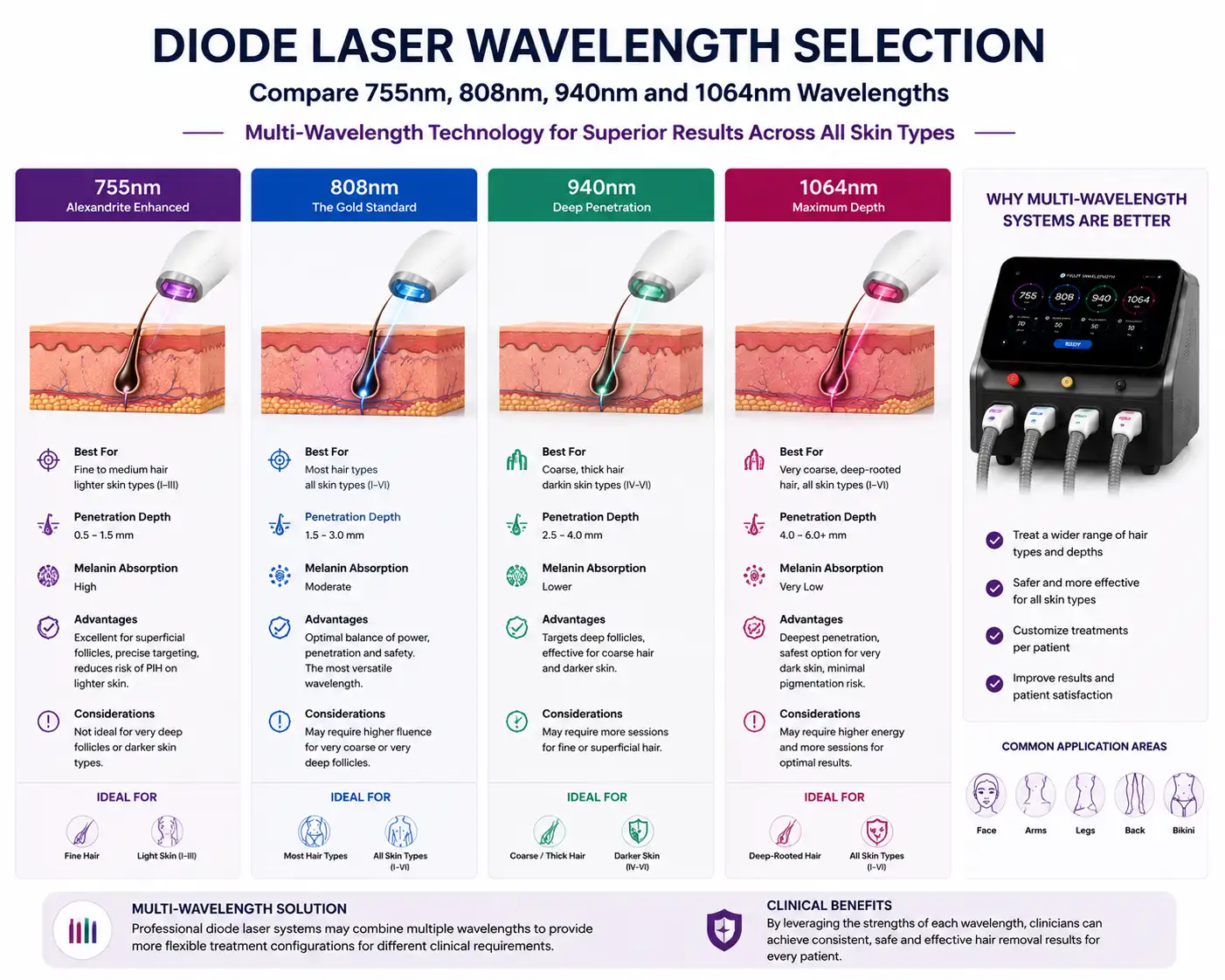
The most commonly discussed diode laser wavelengths for hair removal include 755nm, 808nm, 940nm, and 1064nm. Each wavelength provides different penetration characteristics and treatment considerations, allowing clinics to select suitable configurations for different patient profiles and treatment requirements.
755nm Diode Laser Wavelength
The 755nm wavelength is often associated with higher melanin absorption and is commonly considered suitable for lighter skin types with finer hair characteristics. It can provide targeted energy absorption closer to the surface and is frequently used in applications where precision is important.
808nm Diode Laser Wavelength
The 808nm wavelength is one of the most widely recognized diode laser wavelengths for professional hair removal systems. It provides a balanced penetration depth and absorption profile, making it a popular choice for treating a broad range of body areas.
Many professional diode laser platforms use 808nm technology as a core configuration because it offers flexibility between treatment efficiency and clinical versatility.
940nm Diode Laser Wavelength
The 940nm wavelength is increasingly incorporated into multi-wavelength diode laser platforms. It provides different optical characteristics compared with traditional 755nm and 808nm configurations, allowing manufacturers to develop more flexible treatment platforms.
1064nm Diode Laser Wavelength
The 1064nm wavelength provides deeper penetration characteristics and lower melanin absorption compared with shorter wavelengths. It is commonly considered when designing systems intended for broader skin type considerations.
Single Wavelength vs Multi-Wavelength Diode Laser Systems
When purchasing equipment, clinics should consider whether a single-wavelength or multi-wavelength platform better matches their treatment strategy.
Single-wavelength systems can provide a focused solution for specific applications, while multi-wavelength systems offer greater flexibility by combining different wavelength characteristics within one platform.
For clinics serving diverse patient populations, a multi-wavelength diode laser system may provide additional versatility when developing customized treatment protocols.
2. Energy Output and Fluence
Another important factor when evaluating professional diode laser hair removal equipment is energy delivery. Many buyers focus only on the advertised power rating, but professional evaluation requires understanding how energy is delivered during treatment.
Fluence, measured in joules per square centimeter (J/cm²), describes the amount of energy delivered to a specific treatment area. Together with pulse duration, frequency, spot size, and cooling performance, fluence influences the overall treatment approach.
A professional system should provide adjustable parameters that allow trained practitioners to customize settings according to treatment area, hair characteristics, and patient considerations.
Why Adjustable Parameters Matter
Different areas of the body may require different treatment approaches. Facial areas, underarms, arms, legs, and larger body areas can have different requirements regarding energy delivery, treatment speed, and operator technique.
A flexible diode laser platform allows clinics to optimize workflow instead of relying on a single fixed setting for every procedure.
3. Spot Size and Treatment Speed
Spot size is another important specification when comparing professional laser hair removal machines. The treatment window directly affects how efficiently practitioners can cover different areas.
Larger spot sizes can improve efficiency when treating larger body areas such as legs, back, or arms. Smaller spot sizes can provide greater precision when treating smaller or more detailed areas.
For busy clinics, treatment speed is an important factor because it directly affects daily appointment capacity and operational efficiency.
Large Spot Size for Efficient Coverage
Professional diode laser systems designed for high-volume clinics often include larger treatment windows to support faster procedures. This can be particularly valuable for clinics offering frequent full-body hair reduction programs.
Flexible Spot Size for Different Applications
Adjustable spot sizes allow practitioners to select appropriate treatment coverage depending on the anatomical area being treated. This flexibility helps create a more efficient clinical workflow.
Cooling Technology
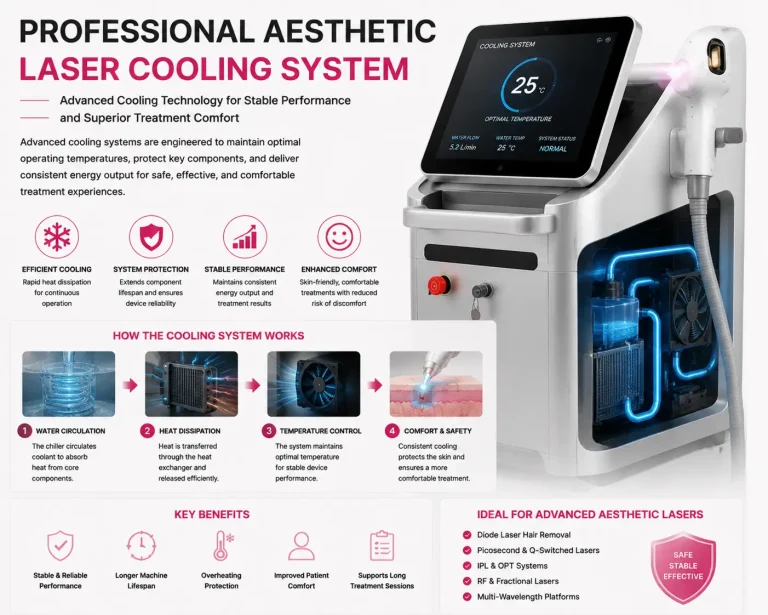
Cooling technology is one of the most important components of a professional diode laser hair removal system. During laser treatment, controlled cooling helps manage heat generated during energy delivery and supports a more comfortable treatment experience.
When comparing diode laser machines, clinics should evaluate not only the laser module but also the complete cooling solution integrated into the system. Different cooling approaches, including contact cooling, air cooling, and advanced skin cooling technologies, can influence treatment workflow and patient comfort.
For clinics requiring an independent professional cooling solution, the Coolice Professional Skin Cooling System provides an advanced air cooling platform designed to support laser and energy-based aesthetic treatments before, during, and after procedures.
Common Cooling Technologies in Professional Laser Systems
Contact Cooling
Contact cooling systems use a cooled treatment window or sapphire tip that directly contacts the skin surface. This approach is commonly integrated into many professional laser handpieces.
Air Cooling
Air cooling systems deliver controlled cold airflow toward the treatment area. This non-contact approach can support flexible treatment workflows and can be combined with different laser technologies.
Water Cooling
Water-based cooling systems are commonly used in professional devices to help maintain stable operating conditions for the laser module during repeated treatments.
For clinics investing in professional diode laser equipment, cooling performance should be evaluated together with treatment parameters, handpiece design, and overall system reliability.
5. Pulse Parameters and Treatment Flexibility
Beyond wavelength and energy output, pulse parameters are another important consideration when selecting a professional diode laser hair removal machine. Different treatment areas and hair characteristics may require different approaches to energy delivery.
Professional diode laser systems typically provide adjustable pulse duration, repetition rate, and energy settings, allowing practitioners to customize treatment parameters based on clinical requirements.
Pulse Duration
Pulse duration refers to the length of time laser energy is delivered during each pulse. Adjustable pulse duration allows practitioners to adapt treatment settings according to different hair types, treatment areas, and patient considerations.
Repetition Rate
The repetition rate determines how frequently laser pulses can be delivered. Higher repetition rates can support faster treatment workflows, especially for larger treatment areas where efficiency is important.
Treatment Modes
Modern professional diode laser systems may include different operating modes designed to simplify treatment workflows. Preset parameters, adjustable settings, and user-friendly interfaces can help practitioners operate the system more efficiently.
6. User Interface and Clinical Workflow
A professional diode laser system is used repeatedly throughout the working day, which makes usability an important factor during equipment selection. A technically advanced system should also provide an efficient and intuitive operating experience.
When evaluating a device, clinics should consider how easily practitioners can adjust parameters, access treatment information, and complete procedures with consistent workflows.
Intuitive Control System
A clear touchscreen interface and organized parameter controls can reduce unnecessary complexity during treatment preparation. This allows operators to focus more on patient management and clinical procedures.
Treatment Database and Presets
Some professional laser platforms include treatment databases or preset recommendations that help organize commonly used protocols. These features can improve consistency between different operators within the same clinic.
Ergonomic Handpiece Design
Since practitioners may perform multiple treatments each day, handpiece weight, cable design, cooling integration, and overall ergonomics can influence operator comfort and workflow efficiency.
7. Reliability, Maintenance, and Manufacturer Support
A professional diode laser hair removal machine is a long-term investment. Beyond technical specifications, clinics should evaluate the reliability of the equipment and the level of support provided by the manufacturer.
A lower initial purchase price does not always represent the best long-term value. Equipment downtime, limited technical support, unavailable spare parts, or insufficient training can affect the overall return on investment.
Important Factors Beyond the Machine Specifications
Product Reliability
Professional aesthetic equipment should be designed for consistent operation in demanding clinical environments. Manufacturing quality, component selection, and quality control processes all influence long-term reliability.
Technical Training
Proper training helps clinics understand equipment operation, treatment workflows, maintenance requirements, and best practices for daily use.
After-Sales Support
Reliable technical support, spare parts availability, and responsive communication are important considerations when choosing a laser equipment partner.
OEM and Distributor Support
For distributors and private-label partners, manufacturer capabilities extend beyond producing the equipment itself. Support may include product customization, documentation assistance, packaging requirements, training materials, and long-term cooperation programs.
Why Clinics Choose Diode Laser Hair Removal Systems
Diode laser technology has become one of the most widely adopted platforms in professional hair reduction because it provides a practical balance between treatment flexibility, operational efficiency, and system scalability.
For clinics, the value of a diode laser system is not only determined by the laser wavelength. The complete platform, including energy delivery, cooling technology, software, ergonomics, and manufacturer support, contributes to the overall treatment experience and business value.
Suitable for Multiple Treatment Areas
Professional diode laser systems can be used across various treatment areas, including the face, arms, legs, back, and other body regions. Adjustable parameters allow practitioners to customize workflows according to different clinical situations.
Efficient Clinic Workflow
For clinics offering hair reduction services, treatment efficiency directly influences daily scheduling and operational capacity. Features such as suitable spot sizes, optimized pulse delivery, and ergonomic handpieces can help improve workflow.
Flexible Platform Options
Modern diode laser systems are available in different configurations, including single-wavelength and multi-wavelength platforms. Clinics can select systems according to their target customers, treatment philosophy, and business strategy.
Strong Business Potential
Hair reduction remains one of the most commonly requested aesthetic services worldwide. A reliable professional diode laser system can become an important part of a clinic’s service portfolio when supported by appropriate training, marketing, and operational planning.
How to Choose a Reliable Diode Laser Manufacturer
Choosing the right manufacturer is as important as selecting the right machine. For clinics, distributors, and OEM partners, the supplier relationship can influence product reliability, technical support, and long-term business development.
Evaluate Technical Capability
A reliable manufacturer should demonstrate a clear understanding of laser technology, product engineering, quality control processes, and clinical workflow requirements.
Review Product Configuration Options
Different markets may require different product configurations. Manufacturers with flexible development capabilities can better support regional requirements, distributor programs, and private-label projects.
Consider Documentation and Support
Professional equipment requires appropriate technical documentation, training resources, and communication support. These factors are especially important for international distributors building long-term market presence.
Look for Long-Term Partnership
The best manufacturer relationship extends beyond the initial purchase. Ongoing technical communication, product updates, spare parts support, and business cooperation can create greater value over time.
How to Evaluate the Right Diode Laser Hair Removal System for Your Clinic
Before investing in a professional diode laser hair removal machine, clinics should evaluate both technical specifications and practical business requirements. The right system is not necessarily the device with the highest specification numbers, but the one that best matches the clinic’s treatment workflow, patient needs, and long-term growth plans.
Define Your Treatment Goals
Start by identifying the main services your clinic plans to offer. A clinic focused on high-volume body hair reduction may prioritize treatment speed and large spot sizes, while a boutique aesthetic practice may place more emphasis on flexibility, patient comfort, and premium treatment experiences.
Consider Your Patient Population
Patient demographics, skin types, hair characteristics, and treatment expectations should influence equipment selection. Systems with flexible wavelength options and adjustable parameters may provide broader adaptability for clinics serving diverse patient groups.
Evaluate Total Ownership Value
The cost of professional laser equipment includes more than the initial purchase price. Clinics should also consider maintenance requirements, training, technical support, spare parts availability, and manufacturer reliability when evaluating long-term investment value.
Choose a Manufacturer, Not Only a Machine
A professional aesthetic laser system represents a long-term partnership between the clinic and the manufacturer. A supplier that provides technical communication, product support, and ongoing cooperation can become a valuable resource as the clinic develops its treatment services.
FAQ
What wavelength is best for a professional diode laser hair removal machine?
There is no single wavelength that is ideal for every clinic or every patient. Common diode laser wavelengths include 755nm, 808nm, 940nm, and 1064nm, each with different optical characteristics. Many professional clinics consider multi-wavelength systems because they provide greater flexibility when developing treatment approaches for different skin and hair characteristics.
What should clinics look for when buying a diode laser hair removal machine?
Clinics should evaluate wavelength options, energy delivery, spot size, cooling technology, user interface, reliability, training, and manufacturer support. The best system should match the clinic’s treatment workflow and business objectives rather than being selected only based on price or a single technical specification.
Are professional diode laser systems better than home laser hair removal devices?
Professional diode laser systems are designed for clinical environments, repeated daily operation, adjustable treatment parameters, and professional workflows. Home devices are designed for individual users and convenience. The two categories serve different purposes and should not be evaluated using the same criteria.
How important is cooling technology in a diode laser hair removal system?
Cooling technology is an important consideration because it helps manage heat generated during laser energy delivery and supports a more comfortable treatment experience. Clinics should evaluate the cooling solution together with the laser system, handpiece design, and overall treatment workflow.
How long does a professional diode laser hair removal machine last?
The service life of a professional diode laser system depends on factors such as component quality, usage frequency, maintenance practices, and manufacturer support. Clinics should consider the supplier’s quality control process, technical support, and spare parts availability when evaluating long-term reliability.
Can diode laser hair removal machines be customized for distributors or private-label brands?
Many professional aesthetic equipment manufacturers provide OEM and private-label cooperation options. Customization may include product appearance, branding, packaging, documentation, and market-specific requirements depending on the manufacturer’s capabilities and project scope.
What is the difference between a single-wavelength and multi-wavelength diode laser?
Single-wavelength systems focus on one specific laser wavelength, while multi-wavelength platforms combine different wavelengths within one system. Multi-wavelength configurations can provide additional flexibility for clinics that treat diverse patient populations or want broader treatment options.
How can a clinic choose a reliable diode laser manufacturer?
Clinics should review the manufacturer’s technical expertise, product quality management, documentation support, training services, communication ability, and long-term partnership approach. A reliable supplier should provide support throughout the entire equipment lifecycle, not only during the initial purchase.
Final Considerations
Selecting a professional diode laser hair removal machine is a strategic decision for clinics, medical spas, dermatology practices, and distributors. The most suitable system should combine reliable laser technology, flexible treatment parameters, efficient workflow, patient-focused design, and dependable manufacturer support.
While wavelength and specifications are important, successful equipment investment depends on evaluating the complete platform. A professional diode laser system should support daily clinical operations, adapt to evolving business needs, and provide long-term value beyond the initial purchase.
For clinics and distributors evaluating professional diode laser technology, working with an experienced manufacturer can help ensure the right balance between technical performance, product reliability, and ongoing support.