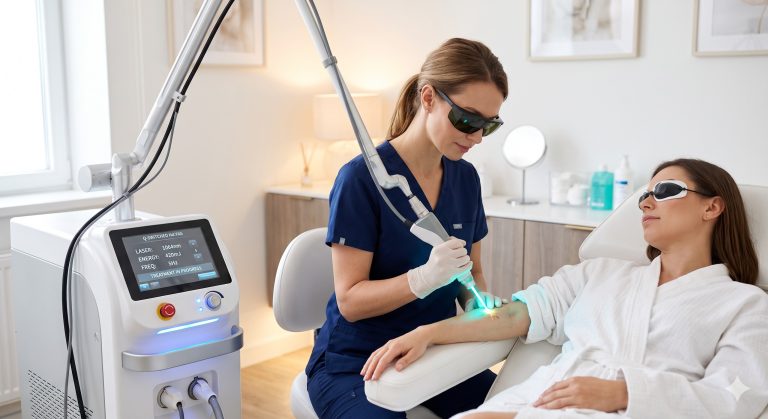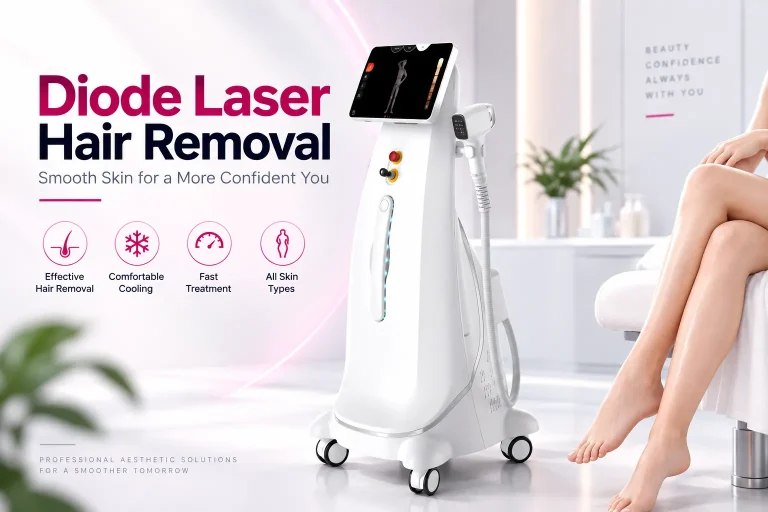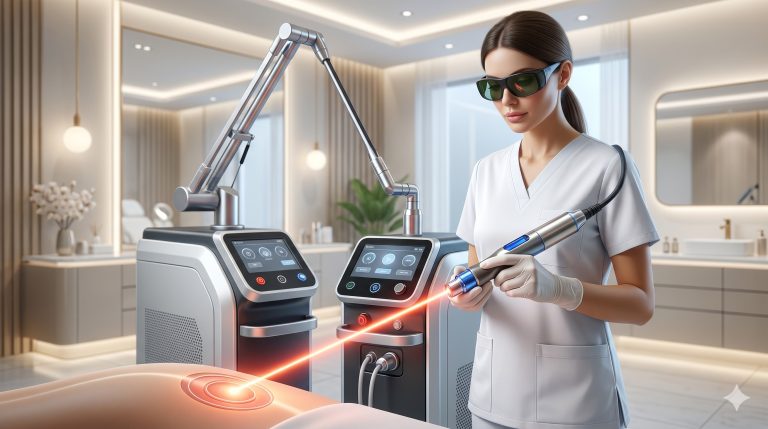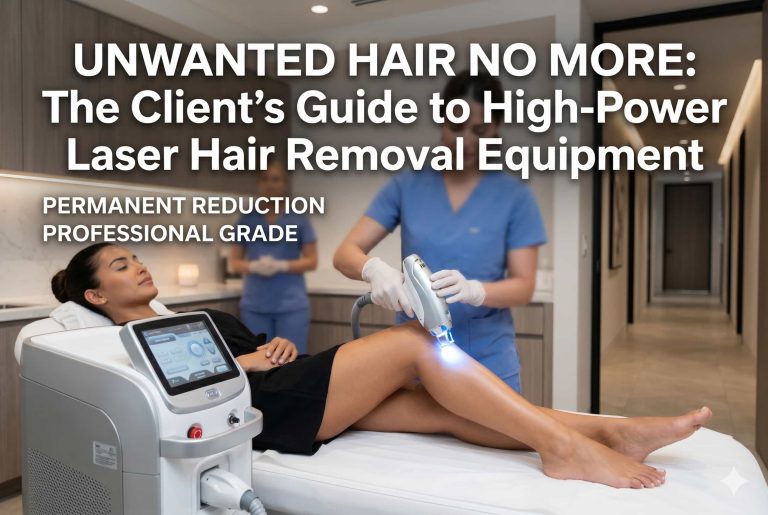
Best Professional Laser Hair Removal Machines (2026)
Choosing the best professional laser hair removal machine for your clinic is not simply about buying the device with the highest power rating or the most wavelengths. It requires matching laser technology, treatment capabilities, operating costs, and technical support with your business needs.
In 2026, clinics can evaluate multi-wavelength diode lasers, 808 nm diode systems, Alexandrite lasers, long-pulsed Nd:YAG systems, and dual-wavelength professional platforms. Each has a different role in aesthetic practice.
This guide explains which technologies are worth considering, how to compare professional machines, and what clinics and distributors should verify before requesting a quotation.
Quick Answer: What Is the Best Professional Laser Hair Removal Machine?
There is no single best professional laser hair removal machine for every clinic. Multi-wavelength diode lasers are worth considering for dedicated hair reduction businesses, while Alexandrite and long-pulsed Nd:YAG systems offer different clinical characteristics for appropriately selected patients.
The right choice depends on skin phototypes, hair characteristics, treatment demand, staff qualifications, equipment specifications, cooling performance, and service availability.
For clinics evaluating a multi-wavelength diode system, Cocoon Laser offers COOLICE , a professional platform featuring 755, 808, 940, and 1064 nm wavelengths.
Best Professional Laser Hair Removal Machine Types: Our Top Picks
Our selections identify technology categories suited to different clinic requirements. They are not independent rankings of specific competing manufacturers or laboratory-tested models.
Multi-Wavelength Diode Laser
Best for dedicated hair reduction clinics
A flexible equipment category for businesses offering professional laser hair reduction.
808 nm Diode Laser
Best for a focused diode laser service
An established wavelength option for professional hair reduction.
755 nm Alexandrite Laser
Best for selected lighter skin phototypes
An established laser modality with strong melanin absorption characteristics.
1064 nm Long-Pulsed Nd:YAG Laser
Best for clinics serving darker skin phototypes
An important professional option where epidermal pigmentation is a major consideration.
Dual Alexandrite / Nd:YAG Platform
Best for specialist multi-modality clinics
Combines two established laser modalities for clinics with broader clinical requirements.
Professional Laser Hair Removal Machine Comparison Table
| Laser Technology | Wavelengths | Best-Fit Buyer | Important Consideration |
|---|---|---|---|
| Multi-Wavelength Diode | Varies by model | Dedicated hair removal clinic | Verify delivered output and cooling |
| Single-Wavelength Diode | Typically around 808 nm | Focused hair reduction service | Check treatment parameters |
| Alexandrite | 755 nm | Specialist clinic | Epidermal pigment considerations |
| Long-Pulsed Nd:YAG | 1064 nm | Clinic serving darker skin phototypes | Appropriate settings and cooling |
| Dual Alexandrite / Nd:YAG | 755 / 1064 nm | Multi-modality specialist practice | Service and ownership costs |
This comparison is based on technology characteristics. Individual devices can differ substantially in their optical design, delivered energy, cooling systems, regulatory status, and clinical evidence.
Featured Professional Diode Laser: COOLICE
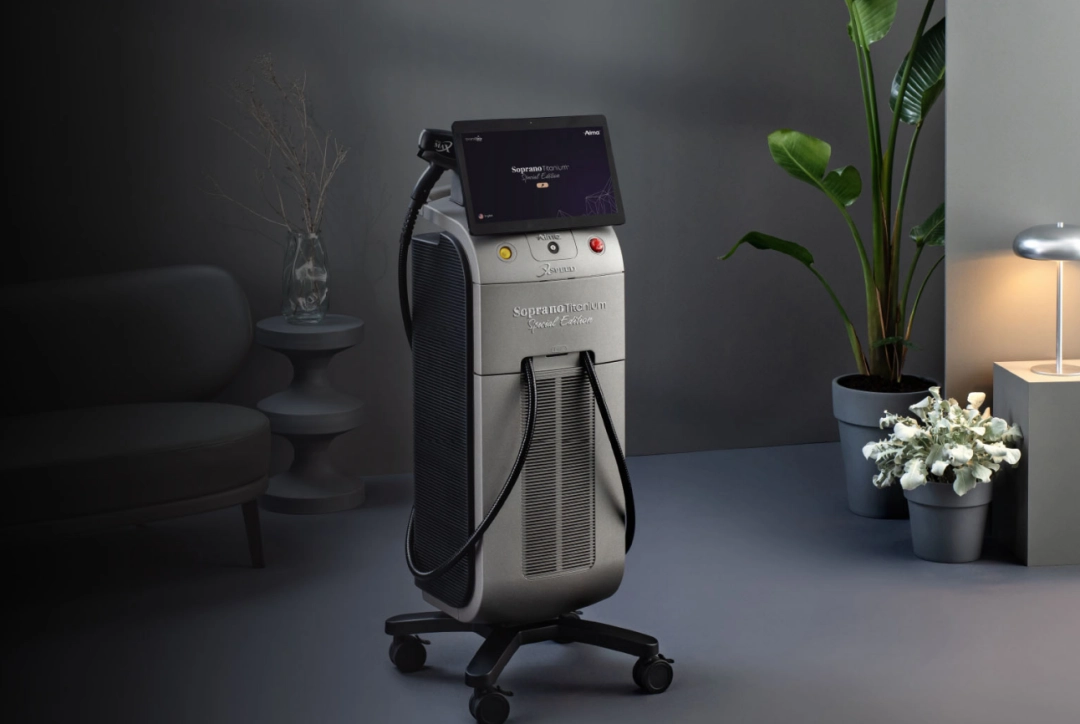
For clinics and distributors evaluating professional multi-wavelength diode equipment, COOLICE is a featured product from Cocoon Laser.
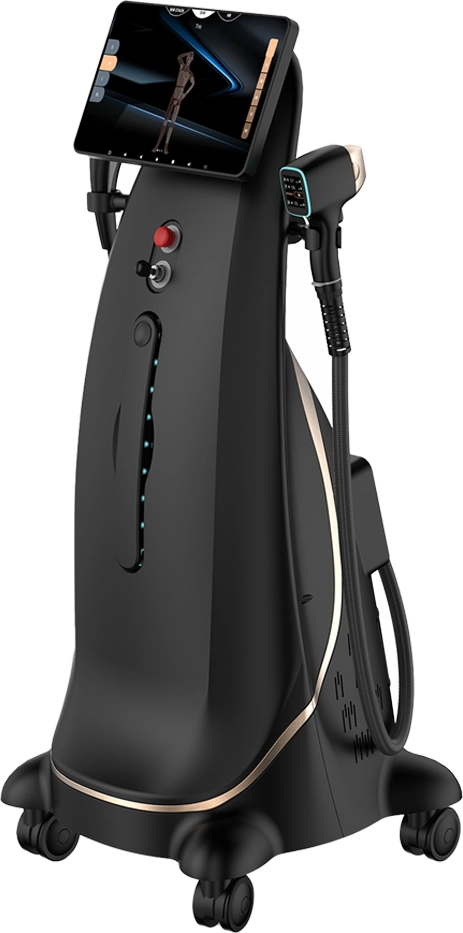 Professional Diode Laser
COOLICE 4-Wavelength Diode Laser
A professional diode laser hair reduction platform combining four wavelengths, integrated cooling, and multiple spot size options for clinic operations.
Why Consider COOLICE?
- Four-wavelength diode configuration
- Multiple spot size options
- Integrated cooling architecture
- Professional clinic and distributor positioning
- OEM/ODM purchasing inquiries supported
What to verify: Confirm the exact machine configuration, available accessories, regulatory documentation, warranty, and local service arrangements before purchasing.
Detailed Reviews of the Best Laser Hair Removal Technologies
1. Multi-Wavelength Diode Laser: Best for Dedicated Hair Reduction Clinics
Multi-wavelength diode systems are designed to offer more than one laser wavelength within a professional hair reduction platform. Depending on the machine, wavelengths may include 755, 808, 940, and 1064 nm.
This configuration can give trained professionals additional treatment-planning options. However, having more wavelengths does not automatically establish better clinical outcomes.
Delivered fluence, pulse duration, spot size, cooling, patient selection, and treatment protocols are equally important.
Advantages
- Multiple wavelength options in one platform
- Dedicated professional hair reduction application
- Different handpiece and spot size configurations
- Relevant to clinics with a varied treatment menu
Limitations
- Wavelength count alone does not prove superiority
- Technical specifications vary between manufacturers
- Cooling and handpiece maintenance need evaluation
- Clinical use requires trained operators
Best-fit buyer: A clinic investing in a dedicated professional hair reduction service and seeking a platform with several wavelength options.
2. 808 nm Diode Laser: Best for Focused Hair Reduction Services
The 808 nm diode laser is an established professional hair reduction technology. It is used in both single-wavelength equipment and multi-wavelength systems.
A single-wavelength diode platform may appeal to clinics with clearly defined service needs. Nevertheless, buyers should not assume that fewer wavelengths guarantee a lower price, simpler maintenance, or better reliability.
Compare actual optical output, cooling, treatment parameters, handpiece costs, and technical support.
Advantages
- Established wavelength for hair reduction
- Focused equipment configuration
- Suitable for evaluation by dedicated hair removal businesses
Limitations
- Fewer wavelength choices than multi-wavelength systems
- Clinical suitability depends on the patient
- Quality and service support vary by supplier
Best-fit buyer: A clinic with a focused treatment offering and a clearly defined equipment specification.
3. Alexandrite Laser: Best for Appropriately Selected Lighter Skin Types
Alexandrite lasers typically operate at 755 nm. Their strong absorption by melanin makes them an established option in professional laser hair reduction.
Epidermal pigmentation is an important consideration. Patient selection, suitable treatment settings, and cooling are essential to managing risks.
Advantages
- Established clinical laser modality
- Strong melanin absorption
- Relevant to selected lighter skin phototypes
Limitations
- Greater concern about epidermal pigment absorption
- Not appropriate for every patient or indication
- Maintenance and service costs depend on the model
Best-fit buyer: A specialist clinic with qualified operators and suitable patient demographics.
4. Long-Pulsed Nd:YAG Laser: Best for Clinics Serving Darker Skin Types
Long-pulsed 1064 nm Nd:YAG lasers are important options for professional hair reduction, particularly when treating appropriately selected darker skin phototypes.
Compared with shorter wavelengths, 1064 nm generally has lower epidermal melanin absorption. This can be useful when epidermal pigment presents additional treatment considerations.
Nevertheless, burns, pigmentation changes, and other complications remain possible. Qualified assessment and appropriate treatment settings are necessary.
Advantages
- Established long-pulsed laser technology
- Relevant to darker skin phototypes
- Important option for specialist clinics
Limitations
- Patient comfort and response can vary
- Correct parameters and cooling are critical
- Requires modality-specific operator training
Best-fit buyer: A dermatology or specialist clinic serving patients with a broad range of skin phototypes.
5. Dual Alexandrite / Nd:YAG: Best for Specialist Multi-Modality Clinics
Some professional systems combine 755 nm Alexandrite and 1064 nm Nd:YAG technologies in one platform.
This approach provides access to two established laser modalities without necessarily requiring two separate standalone systems.
However, the purchase decision should account for service contracts, consumables, training requirements, and the clinic’s actual demand.
Advantages
- Two distinct laser modalities
- Relevant to specialist treatment planning
- Potential fit for varied patient populations
Limitations
- Potentially substantial capital investment
- Service and maintenance may be more complex
- Requires qualified use of both modalities
Best-fit buyer: An established specialist clinic with sufficient patient demand and budget for multi-modality equipment.
Professional IPL: An Alternative to Laser Hair Removal Equipment
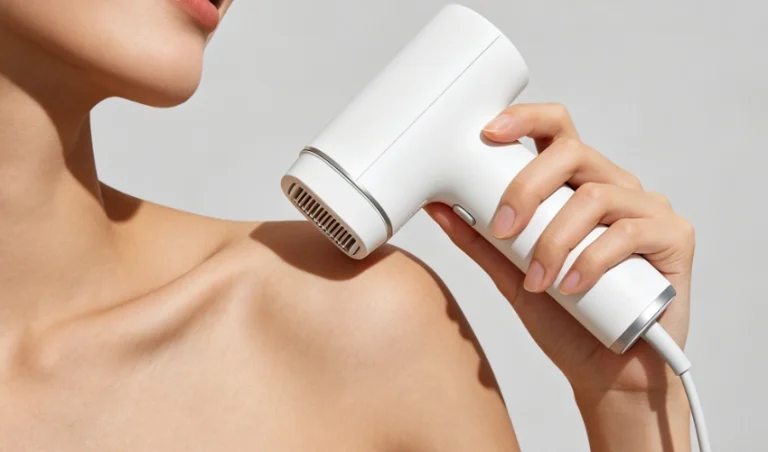
Intense pulsed light is not a laser. IPL systems emit broad-spectrum light that is shaped by optical filters, rather than a specified laser wavelength.
For medical spas and multi-service aesthetic clinics, professional IPL equipment may be worth comparing with dedicated laser systems.
IPL and laser systems should be compared on their intended indications, optical characteristics, patient suitability, maintenance, and local regulatory status.
Why Trust This Professional Equipment Guide?
This article is published by Cocoon Laser, a professional aesthetic equipment supplier. Cocoon Laser has a commercial interest in the products featured in this guide.
Our comparison is organized around technology characteristics and practical purchasing considerations, rather than undisclosed sponsorship rankings or unsupported performance claims.
We have not independently tested every commercial machine on the market. The recommendations above are category-level guidance, not verified head-to-head clinical rankings.
How We Evaluated the Equipment Categories
We used six procurement criteria to organize the comparison:
- Technology: Laser type, wavelength, and optical characteristics.
- Clinical suitability: Intended patients, treatment areas, and professional use.
- Cooling: Epidermal protection and equipment cooling architecture.
- Productivity: Spot size, treatment workflow, and practical clinic utilization.
- Ownership cost: Maintenance, handpieces, service, and downtime.
- Supplier support: Documentation, warranty, training, and parts availability.
How to Choose the Best Professional Laser Hair Removal Machine
Match the Technology to Your Clinic’s Patients
Consider the skin phototypes, hair characteristics, treatment areas, and clinical requirements of your expected patient population.
Different wavelengths have different optical interactions with tissue. Qualified professionals must assess patient suitability and determine appropriate treatment protocols.
Check the Full Technical Specification
Do not select a machine based on advertised wattage alone.
Ask suppliers for the actual wavelengths, fluence range, pulse duration, repetition rate, spot sizes, cooling system, electrical requirements, and included accessories.
Evaluate Cooling and Handpiece Design
Cooling is important for epidermal protection and treatment comfort.
Also compare available spot sizes, handpiece service requirements, and replacement costs.
Confirm Training and Technical Support
Professional laser equipment requires competent operators and appropriate safety procedures.
Confirm whether the supplier offers operating instructions, training arrangements, troubleshooting assistance, and spare parts.
Verify Regulatory Requirements
Device authorization and professional use requirements vary by country.
Verify the exact model, permitted indications, applicable documentation, and any licensing requirements before import or clinical use.
Professional Laser Hair Removal Machine Cost and ROI
The best machine for your business must also make financial sense. Compare total ownership costs, not just the purchase invoice.
| Cost | What Buyers Should Check |
|---|---|
| Equipment | Exact model and included accessories |
| Shipping | Freight, insurance, duties, taxes |
| Installation | Facility and electrical requirements |
| Training | Operator instruction and competency |
| Maintenance | Preventive service and spare parts |
| Downtime | Lost appointments during repairs |
How to Estimate Equipment Payback
A basic financial model uses the following calculations:
Monthly Revenue = Paid Treatment Sessions × Average Revenue per Session
Monthly Net Cash Contribution = Revenue − Relevant Operating Expenses
Estimated Payback Period = Initial Investment ÷ Monthly Net Cash Contribution
Use realistic appointment volumes, labor costs, consumables, marketing expenses, financing, and maintenance estimates.
A payback projection is a planning tool, not a guaranteed financial return.
For detailed purchasing cost factors, see our professional laser hair removal machine price guide .
Which Machine Is Best for Your Type of Business?
New Hair Removal Clinic
Prioritize a manageable investment, suitable diode technology, operator training, and dependable technical support.
Established Medical Spa
Compare dedicated diode lasers with IPL alternatives based on the planned treatment menu and available clinical expertise.
Dermatology Clinic
Evaluate the clinical value of Alexandrite, Nd:YAG, and combination systems for your patient population.
Equipment Distributor
Prioritize documentation, OEM/ODM options, service parts, training, and market-specific requirements.
Why We Did Not Recommend a Single Universal Winner
No professional hair removal machine can be considered the best for every skin phototype, treatment setting, and business model.
A specialist dermatology practice may require different modalities from a clinic focused on high-volume hair reduction.
We also avoid ranking unverified models based only on manufacturer advertising, unspecified power ratings, or unsupported treatment-speed claims.
Common Mistakes When Buying Laser Hair Removal Equipment
- Buying by price alone: Ignoring maintenance, warranty, and technical support.
- Comparing wattage without context: Overlooking delivered fluence, pulse duration, and spot size.
- Assuming more wavelengths guarantee better results: Ignoring patient suitability and clinical protocols.
- Overlooking local regulations: Failing to verify market-specific requirements.
- Overestimating utilization: Building ROI projections on unrealistic appointment volumes.
- Ignoring spare parts: Purchasing without a clear maintenance and repair plan.
What to Ask Before Requesting a Factory Quotation
Professional buyers should provide sufficient information for a meaningful equipment quotation.
- Business type and destination country
- Intended treatments and patient population
- Preferred technology and wavelengths
- Expected purchase quantity
- Required accessories and spot sizes
- Electrical requirements
- Regulatory documentation needs
- Warranty and training expectations
- OEM/ODM branding requirements
- Target purchasing timeline
Find the Right Hair Removal Machine for Your Business
Contact Cocoon Laser to discuss COOLICE specifications, available configurations, purchasing requirements, and OEM/ODM options.
Frequently Asked Questions
What is the best professional laser hair removal machine for a new clinic?
A new clinic should prioritize equipment that matches its intended services, patient population, budget, and operator capabilities. A professional diode laser may be a suitable category for a dedicated hair reduction business.
Is a four-wavelength diode laser better than an 808 nm diode laser?
Four-wavelength systems may offer more configuration options, but wavelength count alone does not prove better results. Compare the complete system, treatment parameters, clinical evidence, and support.
Which laser is commonly considered for darker skin types?
Long-pulsed 1064 nm Nd:YAG lasers are established options for appropriately selected darker skin phototypes. Qualified assessment and appropriate settings remain essential.
Is IPL the same as laser hair removal?
No. IPL uses filtered broad-spectrum pulsed light, while laser systems deliver specified laser wavelengths. Both may be used for professional hair reduction, depending on the device and its authorized indications.
How much does a professional laser hair removal machine cost?
Pricing depends on the technology, model, configuration, accessories, supplier, warranty, and delivery market. Request an itemized quotation to compare actual purchasing costs.
Can clinics purchase equipment directly from Cocoon Laser?
Cocoon Laser supports professional B2B equipment inquiries from clinics, medical spas, distributors, and OEM/ODM buyers. Specific order terms should be confirmed with the supplier.
What should distributors verify before placing an order?
Distributors should review model specifications, applicable documentation, customization options, order quantities, shipping terms, warranty procedures, spare parts, and technical support.
Final Verdict: The Best Machine Depends on Your Clinic
The best professional laser hair removal machine is the one that meets your clinical requirements, operating capacity, and purchasing budget.
Multi-wavelength diode lasers are worth evaluating for dedicated hair reduction clinics. Alexandrite and long-pulsed Nd:YAG technologies remain important alternatives for appropriately selected clinical situations.
For buyers considering a professional multi-wavelength diode platform, explore COOLICE specifications and request an equipment quotation based on your business requirements.
Professional Use Notice: Laser and IPL equipment must be used by appropriately trained personnel. Patient assessment, protective measures, manufacturer instructions, and applicable local regulations must be followed.