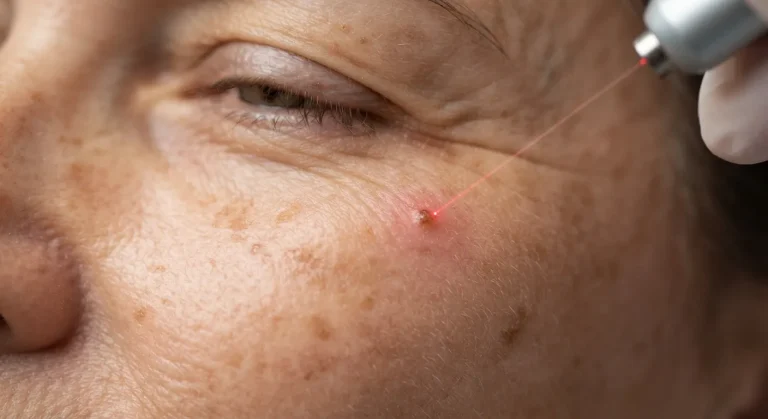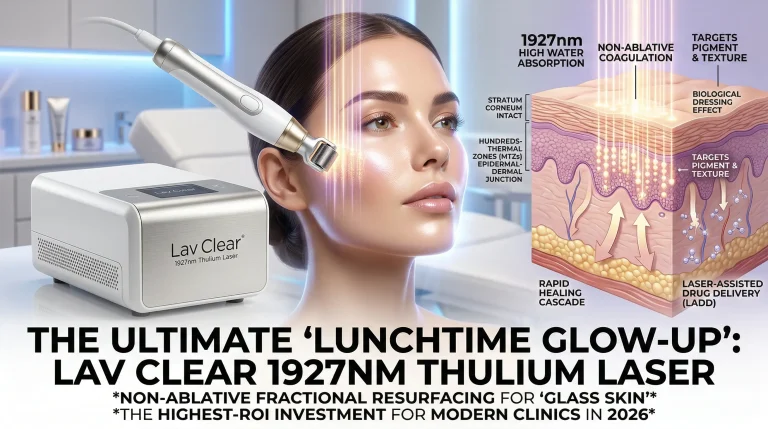
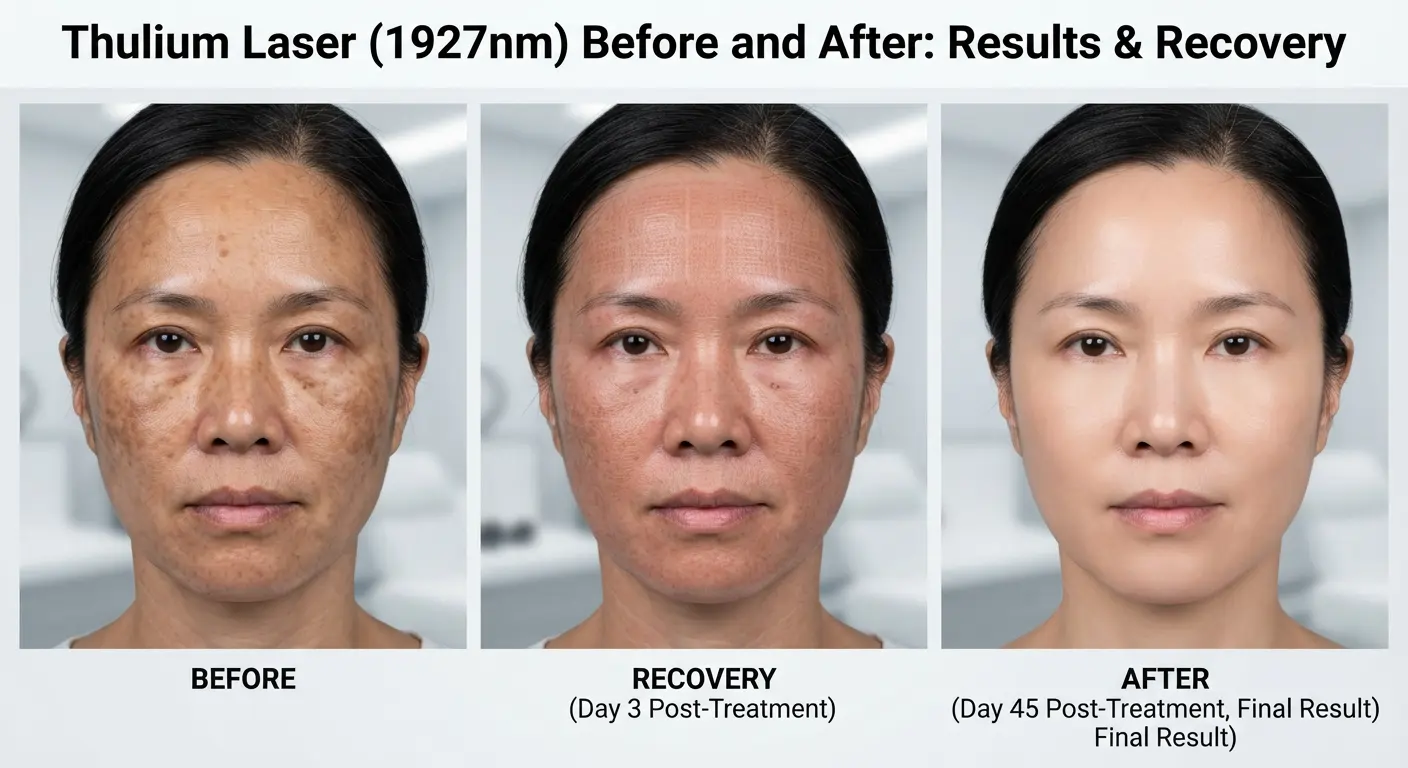
Thulium Laser Before and After: Results & Recovery
Before-and-after results are one of the most important considerations for anyone evaluating a thulium laser treatment. Patients want to know how pigmentation, skin tone, texture, and overall appearance may change, while clinics need to set realistic expectations about recovery, downtime, and the number of treatments that may be required.
In aesthetic dermatology, 1927nm fractional thulium laser technology is commonly associated with relatively superficial fractional treatment. Depending on the device, treatment parameters, patient characteristics, and intended use, it may be considered for concerns such as uneven pigmentation, photodamage, uneven skin tone, and aspects of skin texture and quality.
However, thulium laser before-and-after results are not identical for every patient. Skin condition, pigmentation depth, skin phototype, treatment energy, fractional density, number of sessions, sun exposure, aftercare, and individual healing response can all affect the outcome.
This guide explains what patients and clinics can realistically expect before treatment, immediately afterward, during the first several days, and over the following weeks.
Quick Answer
What can you expect before and after a thulium laser treatment? After a fractional 1927nm thulium laser procedure, the skin may initially appear red, warm, mildly swollen, dry, or temporarily darker in areas of pigmentation. A rough or sandpaper-like texture may develop during the early recovery period depending on treatment intensity.
As these temporary effects settle, some patients may notice a more even-looking skin tone, reduced visibility of selected superficial pigmentation, and improvements in the appearance of photodamage or overall skin quality. Results usually need to be evaluated after the initial recovery period rather than immediately after treatment.
The degree and timing of improvement vary considerably. A single before-and-after image cannot predict how another patient will respond, and some concerns may require multiple treatments or an individualized combination approach.
What Is a 1927nm Thulium Laser Treatment?
A thulium laser is a laser system based on a thulium-related laser medium, but the term does not describe one universal device or one universal wavelength.
In aesthetic applications, approximately 1927nm is one of the most commonly discussed wavelengths associated with fractional thulium technology.
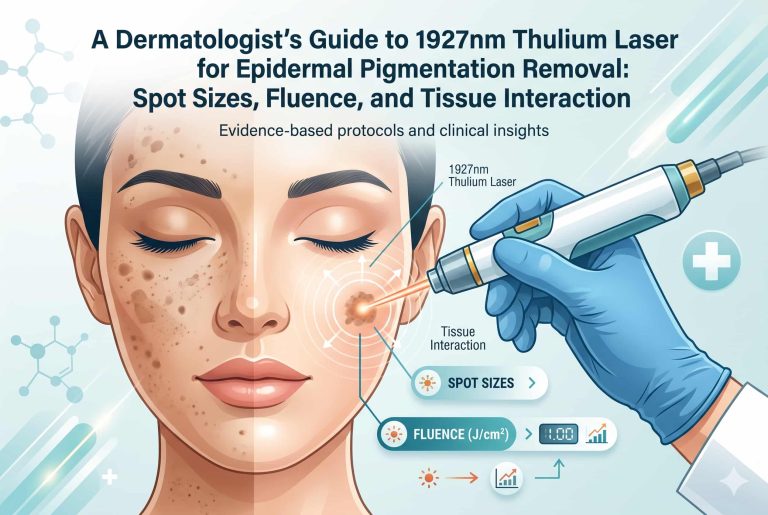
The 1927nm wavelength has strong interaction with water in skin tissue. This optical characteristic contributes to a relatively superficial treatment profile compared with some wavelengths commonly used for deeper fractional treatment.
Many aesthetic 1927nm platforms also use fractional delivery. Instead of treating the entire skin surface uniformly, the system distributes energy into microscopic treatment zones while leaving intervening areas between them.
This combination of wavelength and fractional delivery is important when interpreting before-and-after results because the outcome depends on both the optical properties of 1927nm energy and the way the individual device delivers that energy.
For a detailed explanation of the wavelength itself, see our 1927nm Thulium Laser guide. For more information about microscopic treatment zones and fractional density, read our Fractional Thulium Laser guide.
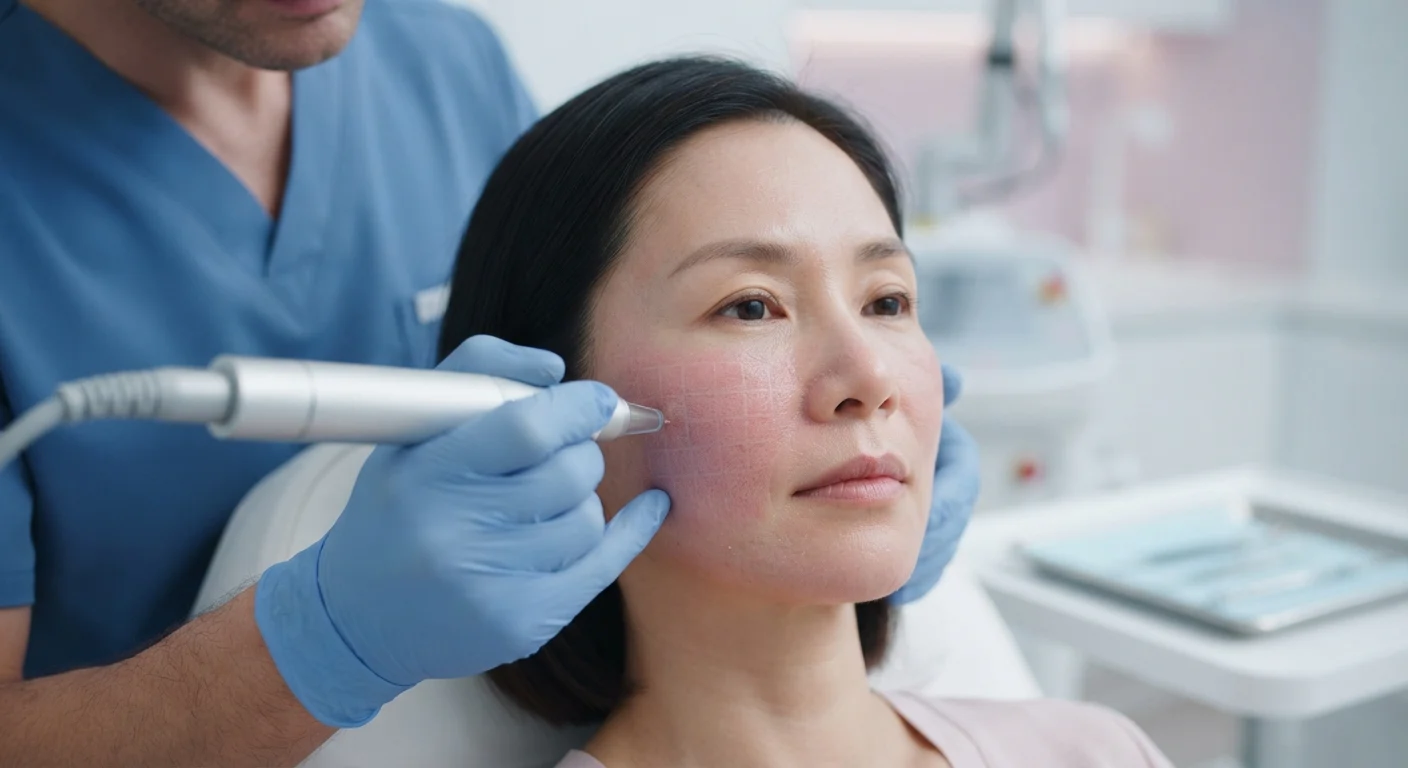
What Can Thulium Laser Results Look Like?
Thulium laser results should be evaluated according to the original treatment objective. A patient receiving treatment primarily for uneven pigmentation should not necessarily be judged by the same criteria as someone receiving treatment for broader photodamage or skin-quality concerns.
Depending on the patient and the intended application, visible changes after treatment may include:
- Reduced appearance of selected superficial pigmentation
- A more even-looking skin tone
- Improvement in the appearance of sun-related discoloration
- Improvement in the appearance of photodamaged skin
- Changes in visible skin texture
- A smoother or more refreshed overall appearance
These are potential aesthetic outcomes rather than guaranteed results. The degree of improvement depends on the indication, device, settings, treatment plan, and individual skin response.
Pigmentation Results
Pigmentation is one of the most relevant reasons patients research 1927nm laser before and after results.
Because the 1927nm wavelength has a relatively superficial treatment profile, it may be relevant to selected superficial pigmentation and photodamage treatment strategies. Some pigmented areas can temporarily become darker during early recovery before their final appearance can be evaluated.
Skin Tone Results
When areas of uneven superficial pigmentation become less visible, the complexion may appear more even. This should not be confused with changing a patient’s natural skin color. The treatment goal is generally improvement in visible irregularities rather than altering normal baseline pigmentation.
Skin Texture and Quality
Fractional treatment creates controlled microscopic tissue effects. Depending on the platform and treatment protocol, patients may notice changes in the appearance and feel of the treated skin as recovery progresses.
However, deeper textural concerns may require different treatment depths or technologies. A relatively superficial 1927nm treatment should not automatically be expected to reproduce the results of a deeper fractional resurfacing procedure.
Thulium Laser Before Treatment: What Should Be Evaluated?
A meaningful before-and-after comparison begins before the laser is activated. Professional assessment helps determine what is being treated, whether the technology is appropriate, and what level of improvement is realistic.
Depending on the intended application and professional requirements, assessment may include:
- Primary skin concern and treatment objective
- Distribution and characteristics of pigmentation
- Skin phototype
- History of post-inflammatory hyperpigmentation
- Previous laser, IPL, peel, or other aesthetic procedures
- Recent sun exposure or tanning
- Active irritation or inflammatory skin conditions
- Relevant medications and medical history
- Previous response to pigmentation treatments
- Ability to follow post-treatment care instructions
- Realistic expectations about results and downtime
Device-specific contraindications and intended-use requirements should also be reviewed before treatment.
Why Standardized Before Photos Matter
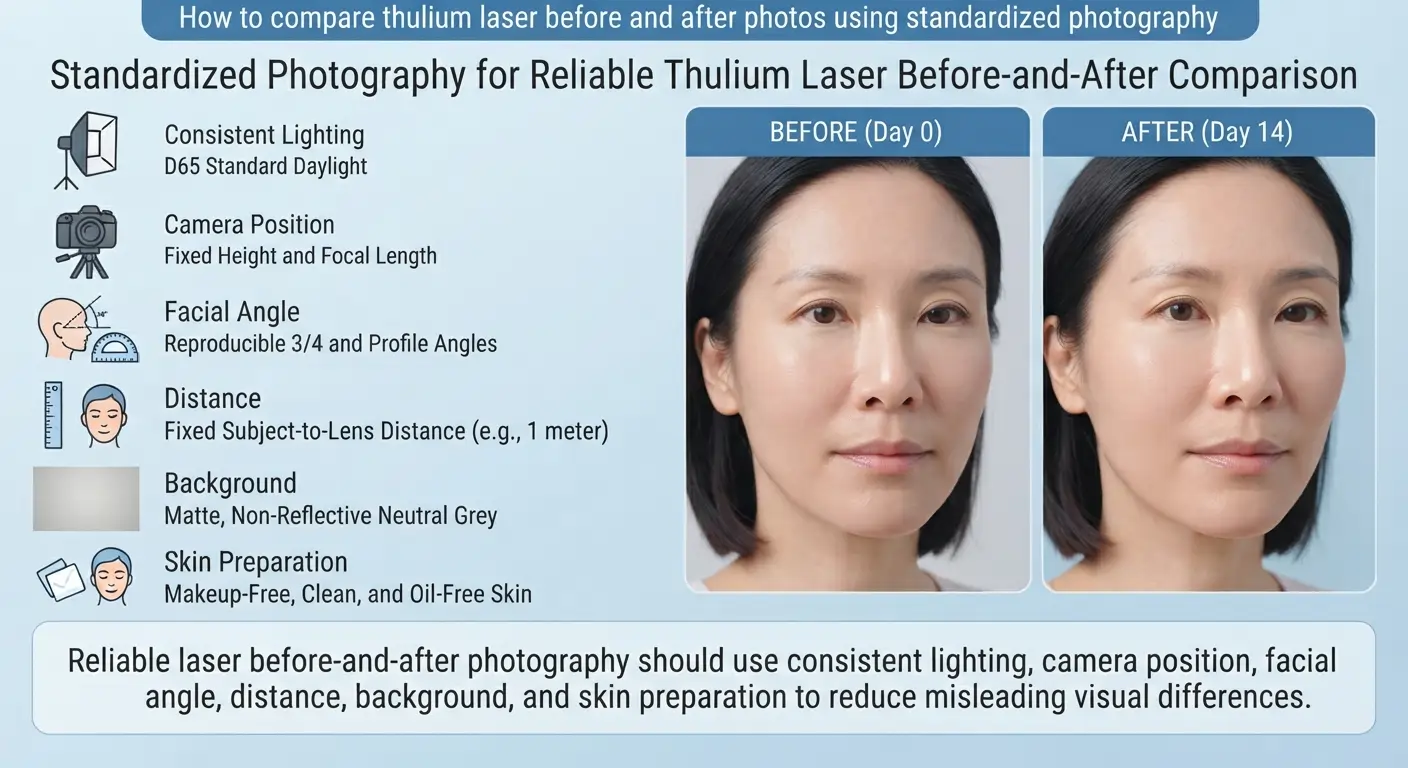
Baseline photography is particularly useful when evaluating pigmentation and skin-quality changes because gradual improvement can be difficult to judge from memory alone.
Ideally, before-and-after photographs should use similar:
- Lighting
- Camera position
- Distance
- Facial angle
- Background
- Camera settings
- Skin preparation
Makeup, filters, excessive image processing, and substantially different lighting can make before-and-after comparisons misleading.
Immediately After Thulium Laser Treatment
Immediately after a fractional thulium laser procedure, the skin does not usually look like the final “after” photograph seen in marketing materials.
Instead, temporary treatment responses may be visible.
Depending on treatment intensity and individual response, these can include:
- Redness
- A sensation of warmth
- Mild swelling
- Skin sensitivity
- Temporary accentuation of pigmentation
The degree of these effects varies substantially between treatment protocols. A mild fractional treatment and a more intensive fractional treatment should not be expected to produce identical recovery patterns.
Practitioners should therefore avoid promising a universal level of redness or a fixed recovery time based only on the wavelength.
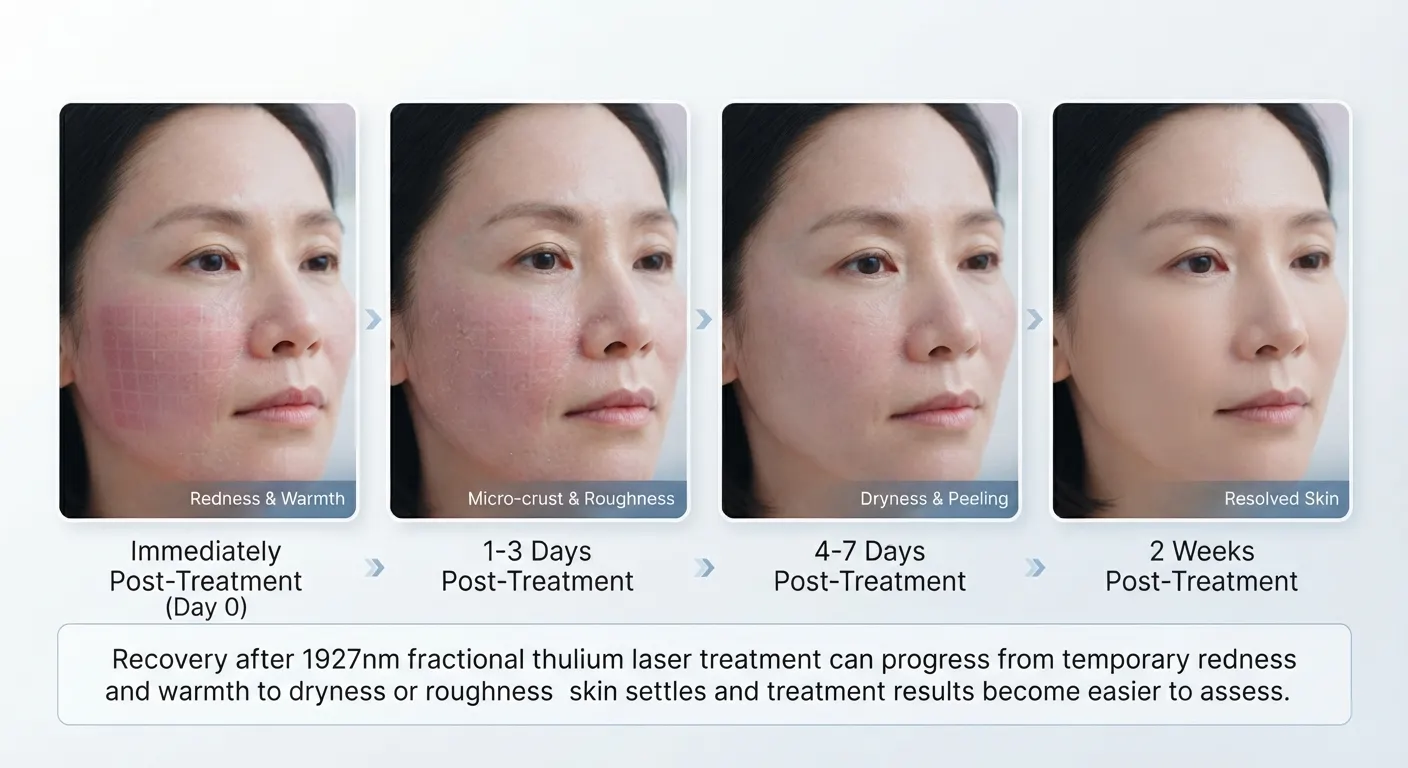
Thulium Laser Recovery Timeline
One of the most useful ways to understand thulium laser before-and-after results is to separate the recovery process into stages rather than treating the day of the procedure and the final result as two isolated points.
| Recovery Stage | What May Be Visible | What It Means |
|---|---|---|
| Immediately After Treatment | Redness, warmth, mild swelling or sensitivity | Early temporary response to fractional laser exposure |
| Early Recovery | Dryness, rough texture or temporary pigment darkening | The treated skin is progressing through the initial recovery process |
| Following Days | Temporary surface changes gradually settle | The skin begins moving toward a more stable post-treatment appearance |
| Following Weeks | Changes in pigmentation, tone and skin quality may become easier to evaluate | A more meaningful assessment of treatment response becomes possible |
| Longer Term | Results may stabilize or additional sessions may be considered | Long-term outcome depends on indication, treatment plan and ongoing skin care |
This timeline is intentionally presented as a general progression rather than an exact day-by-day guarantee. Device settings and individual response can substantially change the duration and intensity of each stage.
What Happens During the First Few Days?
During the early recovery period, patients may notice that the skin feels different before it looks better.
Temporary dryness and a rough or sandpaper-like texture may occur after some fractional treatments. Pigmented areas can also appear temporarily darker.
This stage is particularly important when evaluating before-and-after photographs. An image taken during early recovery should not be treated as the final treatment result.
Why Can Pigmentation Look Darker After Treatment?
Temporary darkening can occur as treated superficial pigmentation and skin tissue respond during recovery. Its appearance and duration depend on the individual treatment and should be distinguished from persistent or unexpected pigmentary changes.
Patients should follow the treating professional’s aftercare instructions and avoid aggressively rubbing, exfoliating, or picking areas of temporary surface change unless specifically instructed otherwise.
What Happens After the Initial Recovery Period?
Once temporary redness, dryness, roughness, and other early treatment effects have settled, the skin can be evaluated more meaningfully.
Depending on the treatment objective, practitioners may assess:
- Whether visible pigmentation has become less noticeable
- Whether overall skin tone appears more even
- Changes in the appearance of photodamage
- Changes in visible texture or skin quality
- Whether the treatment endpoint was appropriate
- Whether another session should be considered
Results should be compared with standardized baseline photographs where possible. This provides a more reliable assessment than relying on memory or photographs taken under different lighting conditions.
How Long Does It Take to See Thulium Laser Results?
Some changes may become noticeable after the early recovery phase, but the final response should not necessarily be judged within the first few days.
The time required to see meaningful improvement depends on:
- The concern being treated
- Depth and distribution of pigmentation
- Treatment intensity
- Fractional density
- Number of passes
- Individual healing response
- Whether multiple sessions are planned
- Post-treatment skin care and photoprotection
A practitioner may therefore evaluate the result over several weeks rather than making conclusions immediately after treatment.
How Many Thulium Laser Treatments Are Needed?
There is no universal number of treatments required to achieve a particular before-and-after result.
Some patients may receive a single treatment for a specific objective, while others may undergo a series of fractional treatments. The appropriate number depends on the device, treatment indication, treatment intensity, clinical response, patient tolerance, and practitioner protocol.
Importantly, more sessions or more aggressive settings do not automatically produce a better result.
This is especially relevant for pigmentation-prone patients, where excessive inflammation may increase the risk of unwanted pigmentary changes.
For a broader overview of indications, treatment planning, and recovery, see our Thulium Laser Treatment guide.
Do Thulium Laser Results Differ by Treatment Concern?
Yes. A meaningful before-and-after assessment depends on what the treatment was intended to improve.
| Treatment Concern | Possible Evaluation Goal | Important Consideration |
|---|---|---|
| Superficial Pigmentation | Reduced visibility and more even-looking tone | Results depend on pigment characteristics and depth |
| Photodamage | Improvement in visible sun-related discoloration and overall appearance | Continued sun exposure can affect long-term results |
| Uneven Skin Tone | More uniform-looking complexion | Normal baseline skin pigmentation should not be treated as a defect |
| Skin Texture | Improvement in visible surface quality | Deeper textural concerns may require different treatment strategies |
| Melasma | Possible improvement in selected pigmentation | Recurrence and post-inflammatory pigmentation require particular caution |
Melasma deserves particular attention because improvement after treatment does not mean the underlying tendency has disappeared. For this specific condition, read our Thulium Laser for Melasma guide.
Thulium Laser Before and After on the Face
Facial treatment is one of the most common contexts in which patients search for thulium laser before-and-after photographs.
Depending on professional assessment and the specific device, facial treatment may focus on concerns such as superficial pigmentation, photodamage, uneven-looking tone, or overall skin quality.
However, different areas of the face can have different sensitivities and pigmentation characteristics. Treatment parameters should therefore be selected according to the individual patient and device rather than assuming that one protocol is suitable for the entire face.
For more detailed information about facial applications, expected benefits, and recovery, see Thulium Laser for Face.
How Long Do Thulium Laser Results Last?
There is no single duration that applies to every thulium laser result. How long visible improvements remain noticeable depends on what was treated, the patient’s skin, environmental exposure, ongoing skin care, and whether the original concern is likely to recur.
For example, improvement in visible photodamage may remain noticeable while new sun-related changes gradually develop over time. Pigmentary conditions influenced by hormonal, inflammatory, or environmental factors may behave differently.
Long-term results can be influenced by:
- Ultraviolet exposure
- Visible-light exposure
- Natural skin aging
- Hormonal influences
- Underlying pigmentation conditions
- Post-treatment skin care
- Photoprotection
- Additional or maintenance treatments
Therefore, a successful before-and-after comparison should not automatically be interpreted as a permanent endpoint.
How Much Downtime Is There After Thulium Laser?
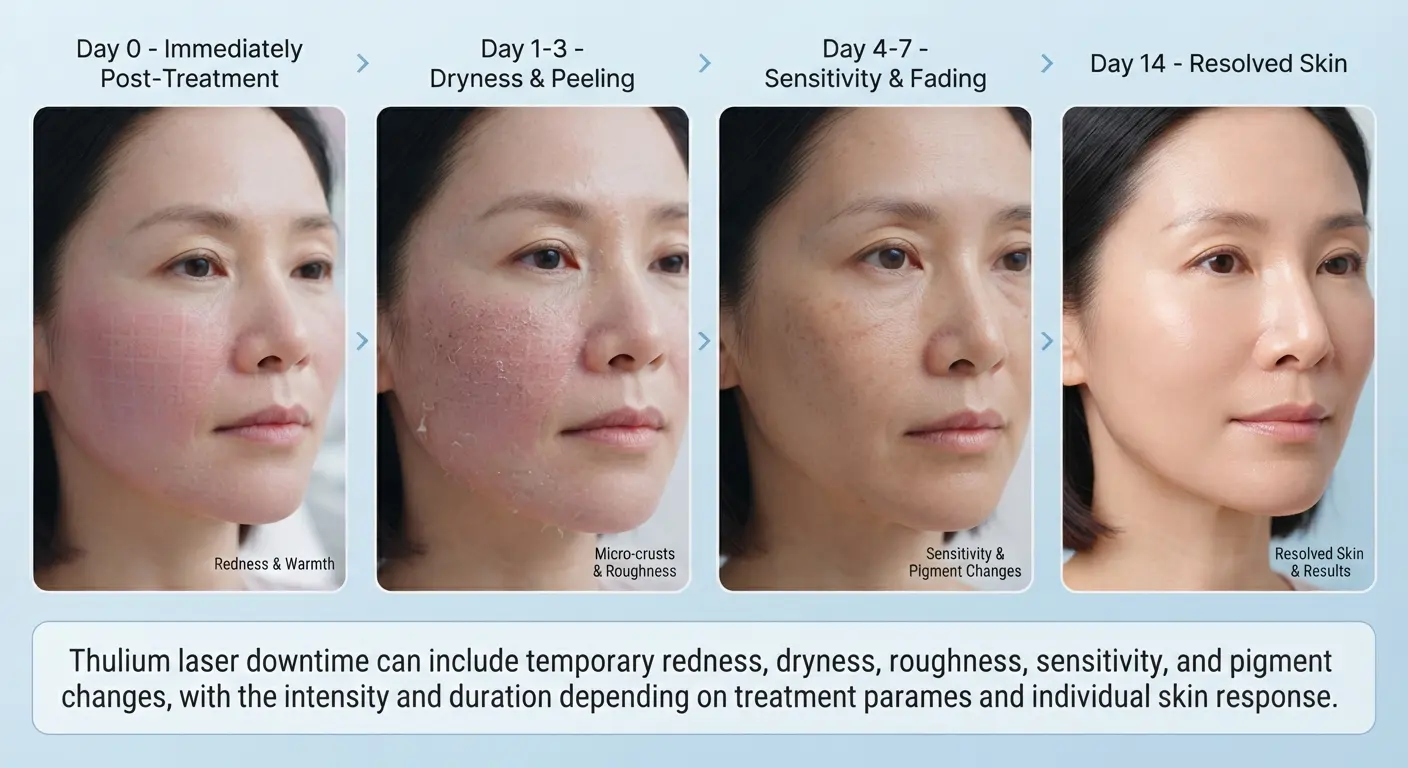
Thulium laser downtime varies according to the device, fractional density, energy, number of passes, treatment area, and individual skin response.
A relatively conservative treatment may produce a different recovery experience from a more intensive fractional procedure. This is why describing every 1927nm treatment as having the same number of downtime days can be misleading.
Temporary recovery effects may include:
- Redness
- Warmth or sensitivity
- Mild swelling
- Dryness
- Rough or sandpaper-like texture
- Temporary darkening of treated pigmentation
- Visible surface changes during recovery
Patients should distinguish between clinical recovery and social downtime. A patient may be able to continue normal activities while still having visible redness, dryness, or texture changes that they prefer not to show in social or professional situations.
What Are the Possible Side Effects After Thulium Laser?
Expected temporary treatment responses should be distinguished from adverse effects. Fractional laser treatment intentionally creates controlled tissue effects, so some redness, warmth, dryness, or temporary texture change may occur during normal recovery.
However, unwanted reactions are also possible.
Potential risks may include:
- Prolonged redness or irritation
- Persistent swelling or sensitivity
- Excessive dryness or barrier disruption
- Post-inflammatory hyperpigmentation
- Hypopigmentation in some circumstances
- Uneven pigmentary changes
- Unexpected or prolonged inflammatory responses
- Other device- or patient-specific adverse reactions
The actual risk profile depends on the individual patient, treatment settings, operator technique, device characteristics, treatment area, and aftercare.
Clinics should follow the contraindications, intended use, treatment instructions, and training applicable to the specific device rather than assuming all 1927nm systems behave identically.
Post-Inflammatory Hyperpigmentation After Thulium Laser
Post-inflammatory hyperpigmentation, commonly abbreviated as PIH, is particularly relevant when evaluating laser before-and-after results in patients prone to pigmentary changes.
PIH occurs when inflammation or skin injury is followed by increased pigmentation. Because fractional laser treatment intentionally produces controlled thermal effects, inappropriate treatment intensity may increase the possibility of unwanted pigmentary responses in susceptible patients.
Factors that may require additional consideration include:
- Previous history of PIH
- Greater baseline skin pigmentation
- Recent significant sun exposure
- Active skin irritation
- Previous adverse responses to energy-based procedures
- Excessive treatment intensity
- Inadequate post-treatment photoprotection
Skin phototype is important, but it should not be used in isolation to predict treatment outcome. A broader professional assessment is required.
Thulium Laser Before and After for Melasma
Melasma deserves separate consideration when reviewing thulium laser before-and-after photographs.
A patient with melasma may show visible improvement in pigmentation following treatment, but this does not mean the condition has been permanently eliminated. Melasma is influenced by multiple factors and can recur after an initially successful cosmetic response.
In addition, aggressive treatment or excessive inflammation may contribute to unwanted pigmentary changes in susceptible patients.
For this reason, a melasma before-and-after image should ideally be accompanied by information about:
- When the “after” photograph was taken
- How many treatments were performed
- Whether other therapies were used
- Whether maintenance treatment was involved
- How photoprotection was managed
- Whether the improvement remained stable over time
A photograph taken shortly after successful treatment cannot demonstrate whether pigmentation later recurred.
For a complete discussion of this condition, see Thulium Laser for Melasma: Benefits, Results & Considerations.
Why Thulium Laser Before and After Photos Can Be Misleading
Before-and-after photographs can provide useful visual evidence, but only when they are captured and presented responsibly.
Several factors can make treatment results appear larger or smaller than they actually are.
Different Lighting
Directional lighting, brightness, color temperature, and shadows can significantly change the appearance of pigmentation, texture, pores, and fine lines.
Different Camera Exposure
Changes in exposure, white balance, contrast, or image processing can alter the apparent color and clarity of the skin.
Different Facial Position
Even small changes in head angle or distance from the camera can affect shadows and make facial texture appear different.
Makeup and Skin Preparation
Foundation, concealer, tinted sunscreen, moisturizer, and even temporary differences in skin hydration can affect the appearance of the final image.
Image Filters or Retouching
Smoothing filters and retouching can make it impossible to determine whether the visible change came from treatment or image processing.
Timing of the After Photo
An after photograph taken several days after treatment answers a different question from one taken several months later. The date or interval should therefore be provided when possible.
How Should Clinics Document Thulium Laser Results?
For professional clinics, standardized photography improves both clinical documentation and communication with patients.
A repeatable photography protocol may include:
- The same camera or imaging system
- Consistent camera settings
- Fixed camera-to-patient distance
- Consistent lighting conditions
- The same background
- Standardized front and side facial angles
- Clean skin without makeup where appropriate
- Documented treatment dates
- Documented photography dates
Clinics should also record relevant treatment information according to their clinical and regulatory requirements.
This can make it easier to distinguish genuine treatment-related changes from differences caused by photography.
Do Not Document Only the Best Results
A responsible evaluation of a laser platform should not rely exclusively on unusually strong responders. Clinics evaluating a device should consider the consistency of results across appropriately selected patients, expected downtime, adverse reactions, usability, and treatment efficiency.
1927nm Thulium vs 1550nm Fractional Laser Results
Both approximately 1927nm and 1550nm wavelengths can be used within fractional aesthetic treatment strategies, but their optical characteristics and treatment profiles are not identical.
The 1927nm wavelength has stronger water absorption and is generally associated with a more superficial treatment profile. Wavelengths around 1550nm are commonly associated with deeper fractional treatment strategies.
| Feature | 1927nm Thulium | 1550nm Fractional Laser |
|---|---|---|
| General Treatment Profile | Relatively superficial | Generally deeper fractional treatment |
| Water Absorption | Strong | Lower than 1927nm |
| Common Treatment Focus | Superficial pigmentation, photodamage and skin-quality concerns | Deeper textural and fractional remodeling strategies |
| Before & After Expectations | Should reflect relatively superficial treatment objectives | Should reflect the deeper treatment objective and protocol |
| Downtime | Depends on device and parameters | Depends on device and parameters |
Neither wavelength should be considered universally better. The treatment objective, desired depth, patient characteristics, and specific device should determine which technology is appropriate.
Thulium Laser vs Fractional CO2 Laser Results
Thulium and fractional CO2 lasers can both appear in discussions about skin resurfacing, but their tissue interaction and typical treatment intensity can differ substantially.
Fractional 1927nm thulium technology is generally associated with relatively superficial fractional treatment. CO2 laser technology operates around 10,600nm and can create ablative tissue effects, with treatment depth and intensity depending on the platform and parameters.
| Feature | 1927nm Thulium Laser | Fractional CO2 Laser |
|---|---|---|
| Approximate Wavelength | 1927nm | 10,600nm |
| Typical Treatment Profile | Relatively superficial fractional treatment | Ablative fractional resurfacing capability |
| Common Treatment Focus | Pigmentation, photodamage and superficial skin-quality concerns | Resurfacing, texture, wrinkles and selected scar applications |
| Recovery | Varies with treatment intensity | Can involve more substantial recovery depending on treatment intensity |
| Result Comparison | Should be evaluated according to superficial treatment objectives | Should be evaluated according to ablative resurfacing objectives |
Comparing before-and-after photographs without considering the treatment objective can therefore be misleading. A more intensive resurfacing result is not automatically a “better” result if the patient’s treatment objective requires a different balance between improvement and recovery.
How to Improve the Reliability of Thulium Laser Results
Good outcomes depend on more than choosing the correct wavelength. Treatment planning, device performance, patient selection, operator training, and aftercare all influence the final result.
Appropriate Patient Selection
The treatment concern should be compatible with the intended use and capabilities of the device. Skin type, pigmentation history, recent procedures, sun exposure, and relevant medical factors should be considered.
Appropriate Treatment Parameters
Energy, fractional density, number of passes, scanning pattern, treatment speed, and other adjustable parameters can influence tissue response and recovery.
Consistent Device Performance
Two machines marketed using the same wavelength are not necessarily identical. Differences in laser source, fractional delivery architecture, energy control, handpiece design, scanning system, software, and calibration can influence practical treatment performance.
Operator Training
The practitioner should understand appropriate endpoints, parameter selection, contraindications, expected recovery, and management of adverse responses for the specific device.
Realistic Patient Expectations
Patients should understand what the procedure is designed to improve, what it is unlikely to change, how recovery may progress, and whether multiple treatments may be necessary.
Thulium Laser Aftercare
Aftercare instructions should come from the treating professional and should reflect the specific device, treatment intensity, treatment area, and patient characteristics.
General recovery objectives may include protecting the treated skin, supporting the skin barrier, minimizing unnecessary irritation, and reducing avoidable environmental exposure.
Depending on professional instructions, aftercare may involve:
- Gentle cleansing
- Appropriate moisturization
- Avoiding unnecessary exfoliation during early recovery
- Avoiding picking or aggressively rubbing rough skin
- Appropriate photoprotection
- Avoiding deliberate tanning
- Temporarily avoiding irritating products when instructed
- Following any device- or procedure-specific aftercare instructions
- Contacting the clinic if unexpected or persistent reactions develop
Appropriate aftercare is particularly important when pigmentation is a primary treatment concern.
What Should Clinics Look for in a 1927nm Thulium Laser System?
Before-and-after results are ultimately influenced by the complete treatment platform, not simply the wavelength printed on a specification sheet.
Clinics and distributors evaluating a professional 1927nm system should consider:
- Laser wavelength and source technology
- Fractional delivery architecture
- Energy adjustment range
- Fractional density control
- Scanning patterns and treatment coverage
- Spot or treatment-area options
- Consistency of energy delivery
- User interface and workflow
- Clinical training
- Technical support
- Maintenance requirements
- Warranty support
- Device documentation
- Applicable regulatory status
Clinics should also evaluate whether the manufacturer can provide appropriate specifications, operator training, treatment guidance, after-sales service, and distributor or OEM support where required.
Frequently Asked Questions About Thulium Laser Before and After
What does skin look like immediately after thulium laser?
Depending on treatment intensity, the skin may temporarily appear red and feel warm or sensitive. Mild swelling and temporary accentuation of pigmentation may also occur. The immediate appearance is not the final treatment result.
When do you see results after 1927nm thulium laser?
Some visible changes may become noticeable after the initial recovery period, while the overall treatment response may continue to evolve over the following weeks. The timeline depends on the treatment objective, device parameters, and individual skin response.
Does pigmentation get darker after thulium laser?
Selected pigmented areas may temporarily appear darker during early recovery. However, persistent or unexpected pigmentary changes should be professionally assessed because post-inflammatory hyperpigmentation and other unwanted responses are also possible.
How long is thulium laser downtime?
There is no universal downtime period. Redness, dryness, roughness, sensitivity, and other visible recovery effects depend on the device, energy, fractional density, treatment area, and individual response.
How many thulium laser sessions are needed?
The number of sessions varies according to the treatment concern and clinical response. Some treatment plans may involve multiple conservative sessions rather than one aggressive procedure.
How long do thulium laser results last?
Result duration varies according to the original condition, skin aging, sun exposure, pigmentation tendency, skin care, and maintenance strategy. Some pigmentation conditions can recur even after visible improvement.
Can thulium laser make pigmentation worse?
Unwanted pigmentary changes, including post-inflammatory hyperpigmentation, are possible after energy-based treatment. Appropriate patient selection, treatment parameters, professional technique, and aftercare help manage this risk.
Are thulium laser before-and-after photos reliable?
They can be useful when photographs are standardized. Reliable comparisons should use similar lighting, camera position, facial angle, distance, skin preparation, and image settings. The interval between treatment and the after photograph should also be stated when possible.
Is one thulium laser treatment enough?
Not necessarily. The appropriate number of treatments depends on the treatment objective, device, protocol, and individual response. Treatment should be reassessed rather than automatically repeated according to a universal schedule.
Final Verdict: What Should You Expect Before and After Thulium Laser?
Thulium laser before-and-after results should be viewed as a gradual treatment and recovery process rather than an instant transformation.
After fractional 1927nm treatment, temporary redness, warmth, dryness, roughness, sensitivity, or pigment darkening may occur before the skin reaches a more stable post-treatment appearance. Depending on the indication and individual response, selected patients may subsequently notice improvement in superficial pigmentation, uneven-looking tone, photodamage, or overall skin quality.
Results are not identical for every patient and should not be judged from a single marketing photograph. Standardized photography, realistic treatment objectives, appropriate patient selection, conservative parameter selection where appropriate, professional operation, and post-treatment care all contribute to a more meaningful assessment.
Clinics evaluating professional 1927nm equipment should also look beyond wavelength alone. Fractional delivery design, energy control, treatment consistency, operator training, technical support, documentation, and device-specific intended use can all influence practical clinical performance.
Editorial & Technical Review: This article was prepared for the Cocoon Laser professional aesthetic technology knowledge center for educational and equipment-research purposes. It does not replace individual medical assessment. Treatment suitability, contraindications, parameters, recovery, expected outcomes, and adverse-event risks vary by patient and device. Qualified professionals should follow applicable local requirements and the instructions and intended use of the specific laser system.