The Ultimate Clinic Guide to Commercial Laser Hair Removal Machine: Efficacy, Wavelengths, and ROI
Introduction: The Shift from Aesthetic Luxury to Standard of Care
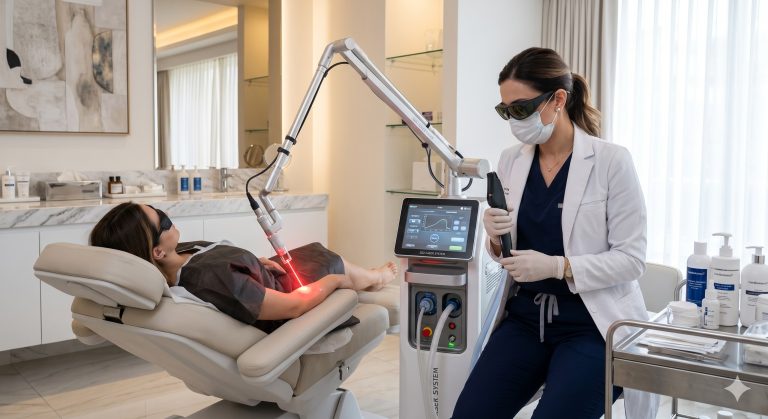
For the modern medical spa or dermatology clinic, investing in a commercial laser hair removal machine is no longer an experiment; it is a cornerstone of profitability and patient retention. However, the gap between entry-level IPL devices and FDA/Medical CE-cleared diode lasers is vast. This guide provides a technical breakdown of the core metrics—Fluence (J/cm²), Pulse Width (ms), and Spot Size (mm)—that dictate clinical efficacy. We will analyze how selective photothermolysis, executed by high-power diode systems (755nm/808nm/1064nm), delivers permanent hair reduction while ensuring epidermal safety through advanced contact cooling.
The Physics of Efficacy: Selective Photothermolysis & Wavelength Synergy
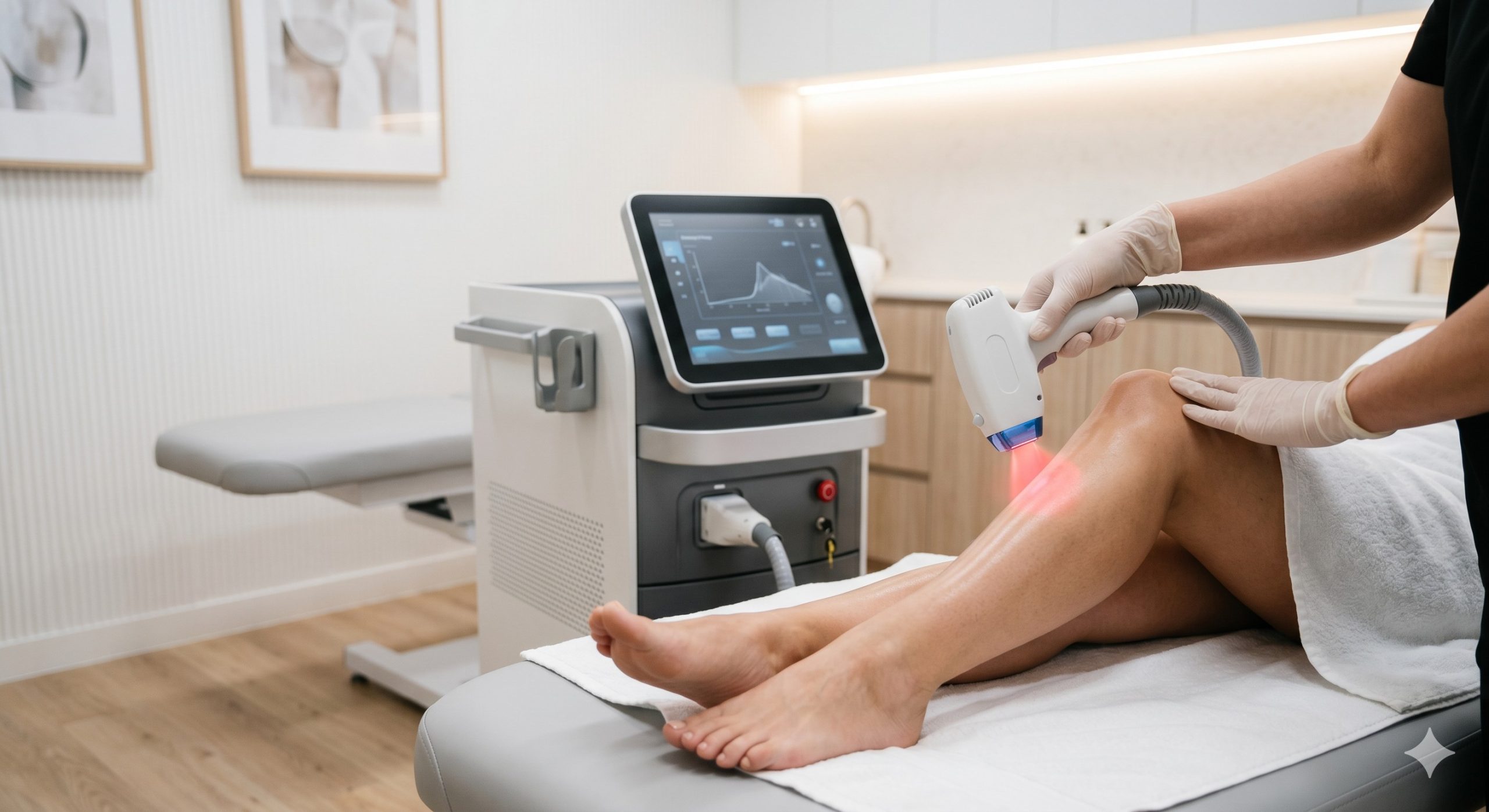
Clinical success begins with targeting chromophores. Melanin in the hair follicle absorbs specific light wavelengths. A true commercial laser hair removal machine leverages the principle of selective photothermolysis: delivering a specific wavelength (absorbed by the target), pulse duration (shorter than the target’s thermal relaxation time), and sufficient fluence (energy density) to thermally destroy the follicular stem cells without damaging the surrounding dermis. Single-wavelength 808nm diode lasers offer deep penetration and high melanin absorption, but modern tri-wavelength systems (755nm for fine/light hair, 808nm for deep/bulky roots, and 1064nm for deep penetration in darker skin types) provide superior versatility.
Critical Output Metrics
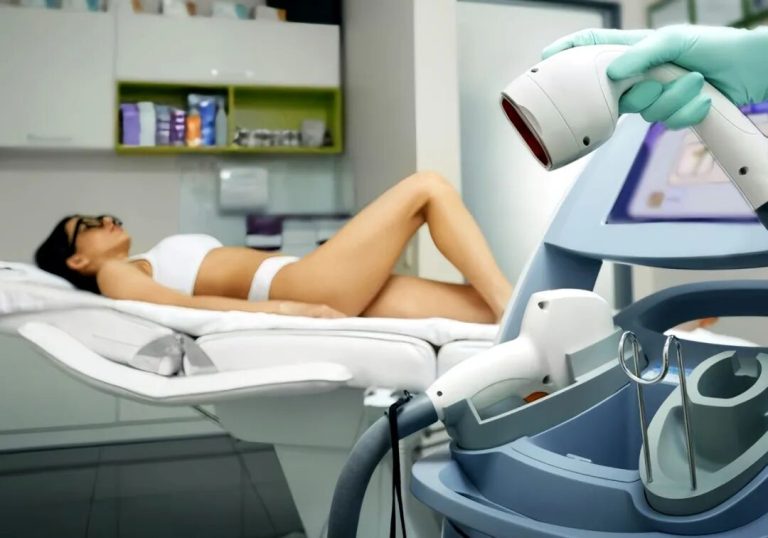
When evaluating a commercial laser hair removal machine, ignore marketing jargon. Focus exclusively on adjustable parameters: Fluence (10-120 J/cm²) allows you to treat high-resistance terminal hairs, while Pulse Width (5-400 ms) enables safe energy dispersion for varying follicle diameters. A minimum Spot Size of 12mm x 12mm (or 12mm round) is required for high-throughput clinics to reduce treatment time by 40% compared to legacy 9mm spots.
| Key Parameter | Technical Specification | Clinical Relevance |
|---|---|---|
| Wavelength / Laser Type | Triple Wavelength (755nm / 808nm / 1064nm) Diode | Versatility for all Fitzpatrick Skin Types I-VI & all hair colors |
| Spot Size | 12mm x 12mm (Square) / 15mm Round | Larger spot size increases treatment speed (J/cm² per pulse) and penetration depth |
| Fluence (Energy Density) | 10 – 120 J/cm² (Adjustable) | Higher fluence (40-60J) targets anagen-phase thick follicles; lower fluence protects epidermis |
| Pulse Width | 5ms – 400ms (Adjustable) | Longer pulses (20-40ms) for dark skin to avoid PIH; short pulses (5-15ms) for fine hair |
| Cooling System | Sapphire Contact Cooling with TEC (0°C to 4°C) | Pre-epidermal cooling allows high fluence delivery without burns or pain |
| Repetition Rate | Up to 10 Hz | Faster shot frequency (10 pulses/sec) reduces full-leg treatment to under 15 minutes |
| Laser Bar Lifecycle | 1,000,000 – 3,000,000 shots | Determines total cost of ownership; dual-bar systems provide uptime redundancy |
| Certifications | Medical CE (Class IIb), FDA 510(k), ISO 13485 | Mandatory for clinic legal compliance, insurance, and professional credibility |
Clinic Safety Architecture: Epidermal Protection & Medical Compliance
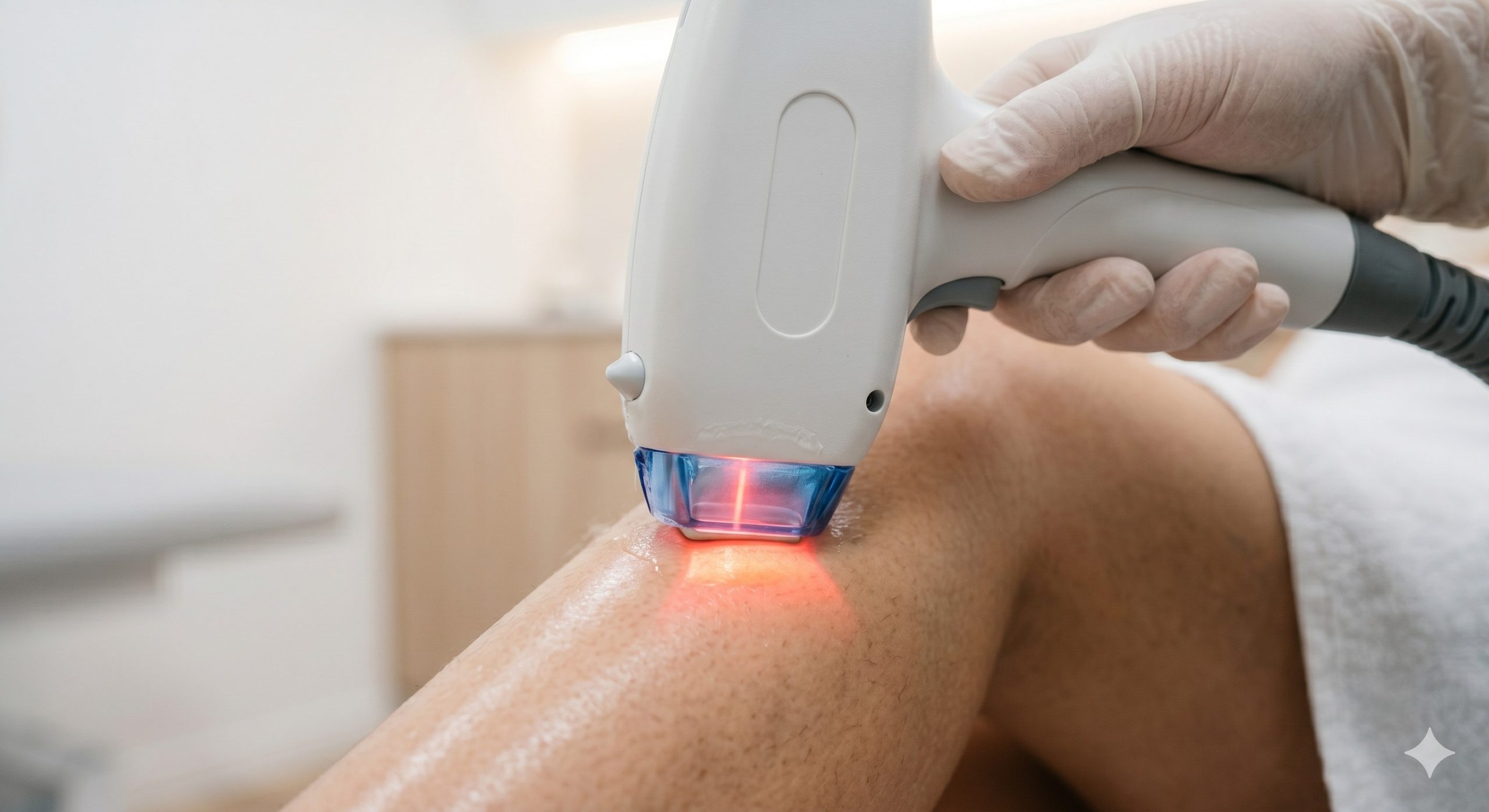
Efficacy is meaningless without safety. High-repetition-rate treatments (up to 10Hz) generate significant heat in the epidermis. Therefore, a premium commercial laser hair removal machine integrates a Sapphire Contact Cooling window (operating between 0°C to 4°C). This TEC (Thermoelectric Cooler) system pre-cools the epidermis, allowing clinicians to safely deliver therapeutic fluence (40-60 J/cm²) to Fitzpatrick Skin Types IV-VI without the risk of PIH (Post-Inflammatory Hyperpigmentation). Ensure the device holds ISO 13485 certification (quality management for medical devices) and specific Medical CE (Class IIb) or FDA 510(k) clearance. This is not a suggestion; it is mandatory for liability insurance and clinic audits.
Clinical Protocols: Fitzpatrick Typing & Parameter Optimization
Standardized protocols differentiate profitable clinics from negligent ones.
- Fitzpatrick I-III (Light Skin/Dark Hair): Utilize 755nm or 808nm wavelengths. Set Fluence between 10-14 J/cm², Pulse Width 5-15ms. High fluence is well-tolerated due to low epidermal melanin. Expect 80-90% clearance after 6 sessions.
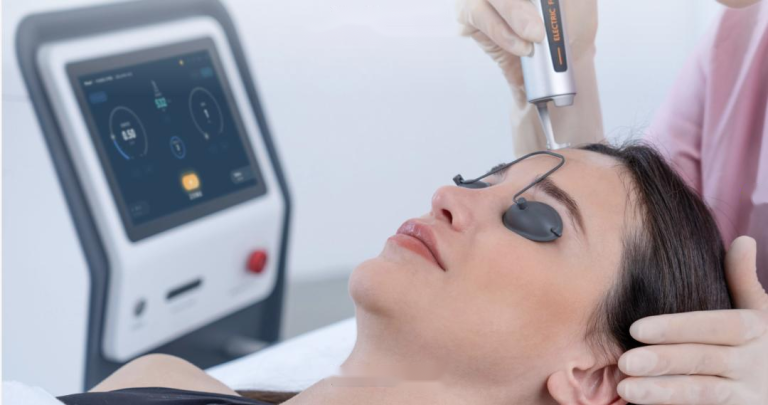
- Fitzpatrick IV-VI (Olive to Dark Skin): Use 1064nm wavelength to bypass epidermal melanin. Reduce Fluence to 9-12 J/cm², increase Pulse Width to 20-40ms. Slower energy delivery prevents epidermal overheating. Mandatory contact cooling to 0°C.
- Regulatory Checklist: Before purchasing a commercial laser hair removal machine, demand the Test Report for energy output consistency ( variance < ±5%). Request handpiece shot life data (typically 1-3 million shots per bar).
Comprehensive ROI Analysis: Throughput vs. Lifetime Cost of Ownership
The price of a commercial laser hair removal machine ranges from $12,000 (low-power diode/IPL) to $45,000+ (medical-grade tri-wavelength, high-frequency diode). However, CapEx is misleading. Calculate OpEx:
- Treatment Speed: A 12mm x 12mm spot size at 10Hz treats a Brazilian area in 8 minutes vs. 20 minutes with a 9mm spot. At $150 per session, your hourly revenue potential doubles.
- Consumables: True medical machines do not require gel (contact cooling eliminates the need). Handpiece durability (3 million shots) versus 500k shots in entry-level models.
- Redundancy: Dual laser bars allow uninterrupted clinic operation if one bar fails. Single-bar systems create catastrophic downtime.
Clinics report an average payback period of 6-9 months for a $30k system when booked at 15+ sessions per week. The internal rate of return (IRR) significantly outperforms legacy RF or IPL systems.
Conclusion: Strategic Procurement for Long-Term Clinical Value
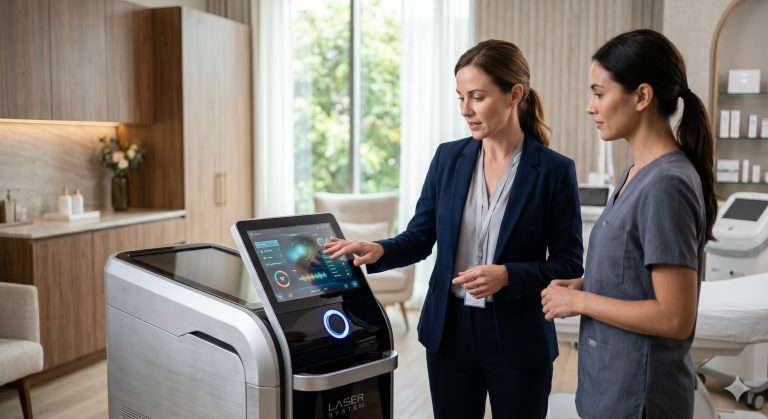
Selecting a commercial laser hair removal machine demands a shift from feature-counting to outcome engineering. Insist on verifiable metrics: adjustable spot sizes, independent control of fluence and pulse width, and certified cooling curves. A legitimate clinical asset will always include on-site engineering support, clinical training for all Fitzpatrick types, and transparent warranty terms on the laser bars. Do not compromise on Medical CE or ISO 13485—your medical license and patient safety depend on it. Integrate this device as your clinic’s high-volume, low-per-unit-cost cash flow engine, and standardize your protocols immediately.