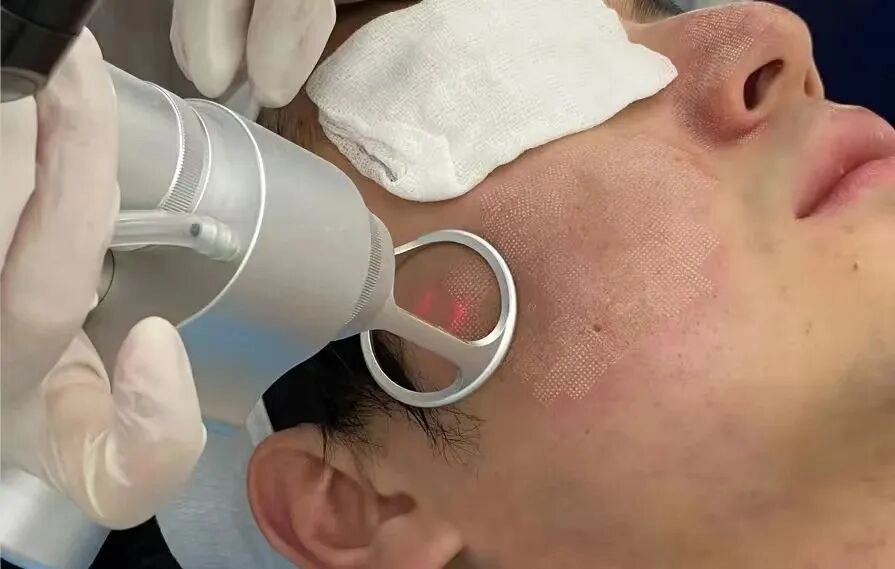
CO2 Laser for Acne Scars: Treatment, Results & Recovery
CO2 laser for acne scars is a professional resurfacing approach that uses controlled laser energy to improve selected types of atrophic acne scars, uneven skin texture, and visible surface irregularities. Fractional CO2 laser technology is particularly relevant because it creates microscopic treatment zones while preserving surrounding untreated tissue.
However, not all acne scars respond in the same way. Scar depth, morphology, skin characteristics, treatment intensity, and the laser system all influence the treatment strategy. This guide explains how fractional CO2 laser works for acne scars, what results may be expected, and what clinics should understand about this technology.
Quick Answer: Does CO2 Laser Help Acne Scars?
Fractional CO2 laser can help improve selected atrophic acne scars, particularly rolling and boxcar scars, by creating controlled microscopic ablative treatment zones in the skin. The resulting healing response can stimulate tissue remodeling and improve the appearance of uneven skin texture.
The treatment is not equally effective for every scar type. Deep ice-pick scars may require alternative or combination approaches, while tethered rolling scars may benefit from subcision before or alongside laser resurfacing.
Results develop progressively and generally require an individualized treatment plan. Temporary redness, swelling, crusting, and changes in skin pigmentation may occur during recovery. Treatment suitability and expected outcomes should be assessed by a qualified medical professional.
What Types of Acne Scars Can CO2 Laser Treat?
Understanding acne scar morphology is essential when evaluating CO2 laser acne scar treatment. Different scars have different structural characteristics, and a single resurfacing technique may not address every type equally well.
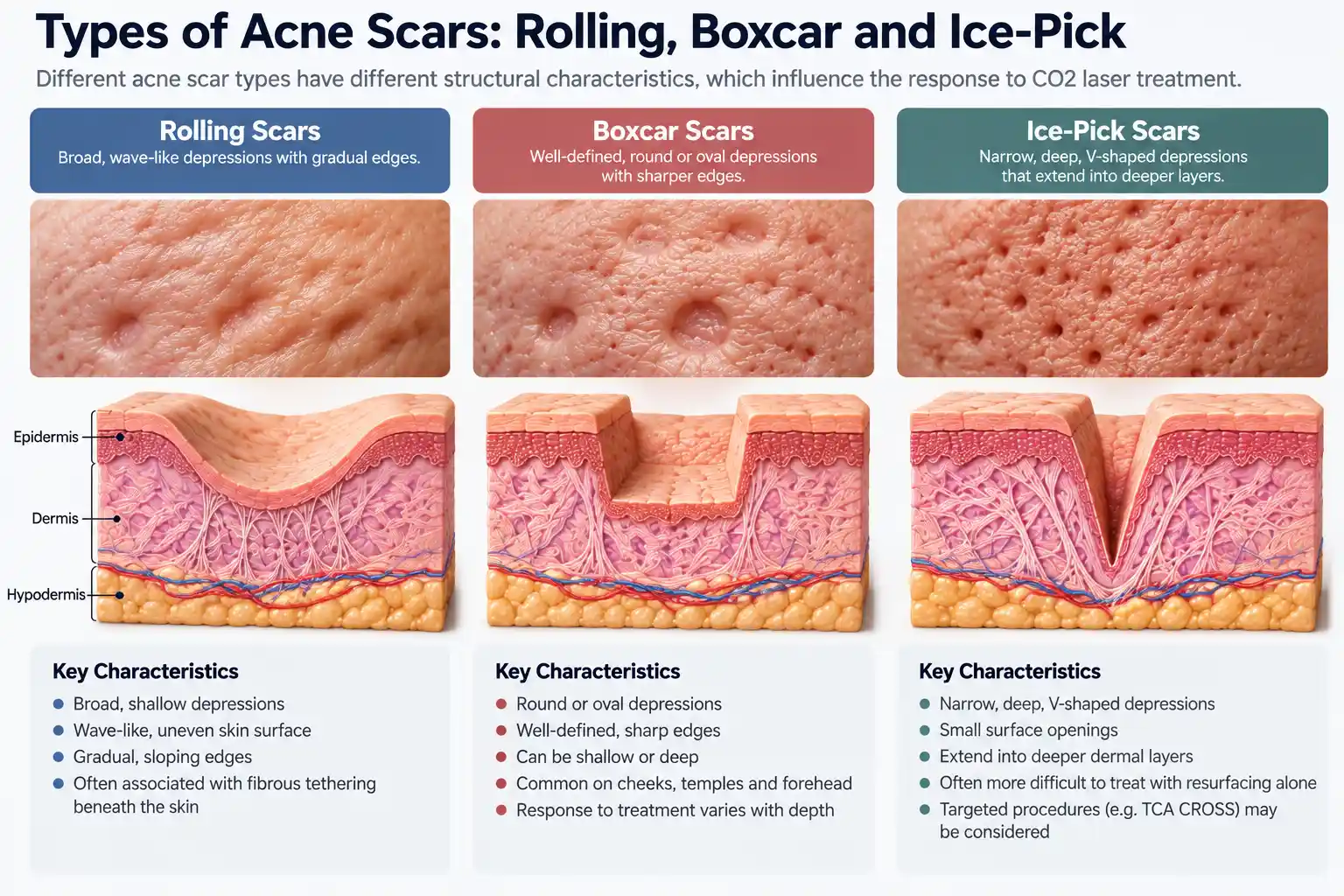
Atrophic acne scars are depressed scars caused by tissue loss during the healing process following inflammatory acne. They are commonly divided into three major categories: rolling scars, boxcar scars, and ice-pick scars.
Rolling Acne Scars
Rolling scars are broad, shallow depressions with sloping edges. They create an uneven skin surface that may become more visible under directional lighting.
Fractional CO2 laser resurfacing may improve surface texture and the appearance of selected rolling scars. However, when fibrous bands tether the skin to deeper tissue, laser treatment alone may not fully address the underlying structural problem. Subcision may therefore be considered as part of a combination treatment strategy.
Boxcar Acne Scars
Boxcar scars are characterized by round or oval depressions with relatively well-defined edges. They can be shallow or deep, and their response to treatment may vary accordingly.
Fractional CO2 laser treatment can help improve the appearance of selected boxcar scars through controlled resurfacing and subsequent tissue remodeling. Superficial boxcar scars may respond differently from deeper scars with sharply defined edges.
Ice-Pick Acne Scars
Ice-pick scars are narrow, deep depressions that extend into deeper layers of the skin. Their small surface openings can make them difficult to address with conventional resurfacing alone.
Although fractional CO2 laser may contribute to overall texture improvement, deep ice-pick scars often require targeted approaches such as TCA CROSS or other scar-specific procedures. Treatment selection should be based on individual scar morphology.
| Acne Scar Type | Characteristics | Potential Role of CO2 Laser |
|---|---|---|
| Rolling | Broad, shallow depressions with sloping edges | May improve surface irregularities; tethering may require subcision |
| Boxcar | Defined depressions with rounded or sharp edges | May improve selected shallow and moderate scars |
| Ice-Pick | Narrow, deep, sharply defined depressions | Limited as a standalone approach for deep scars; targeted procedures may be needed |
This distinction explains why a professional acne scar treatment plan should begin with scar classification rather than choosing a laser solely based on the patient’s overall skin appearance.
How Does Fractional CO2 Laser Work for Acne Scars?
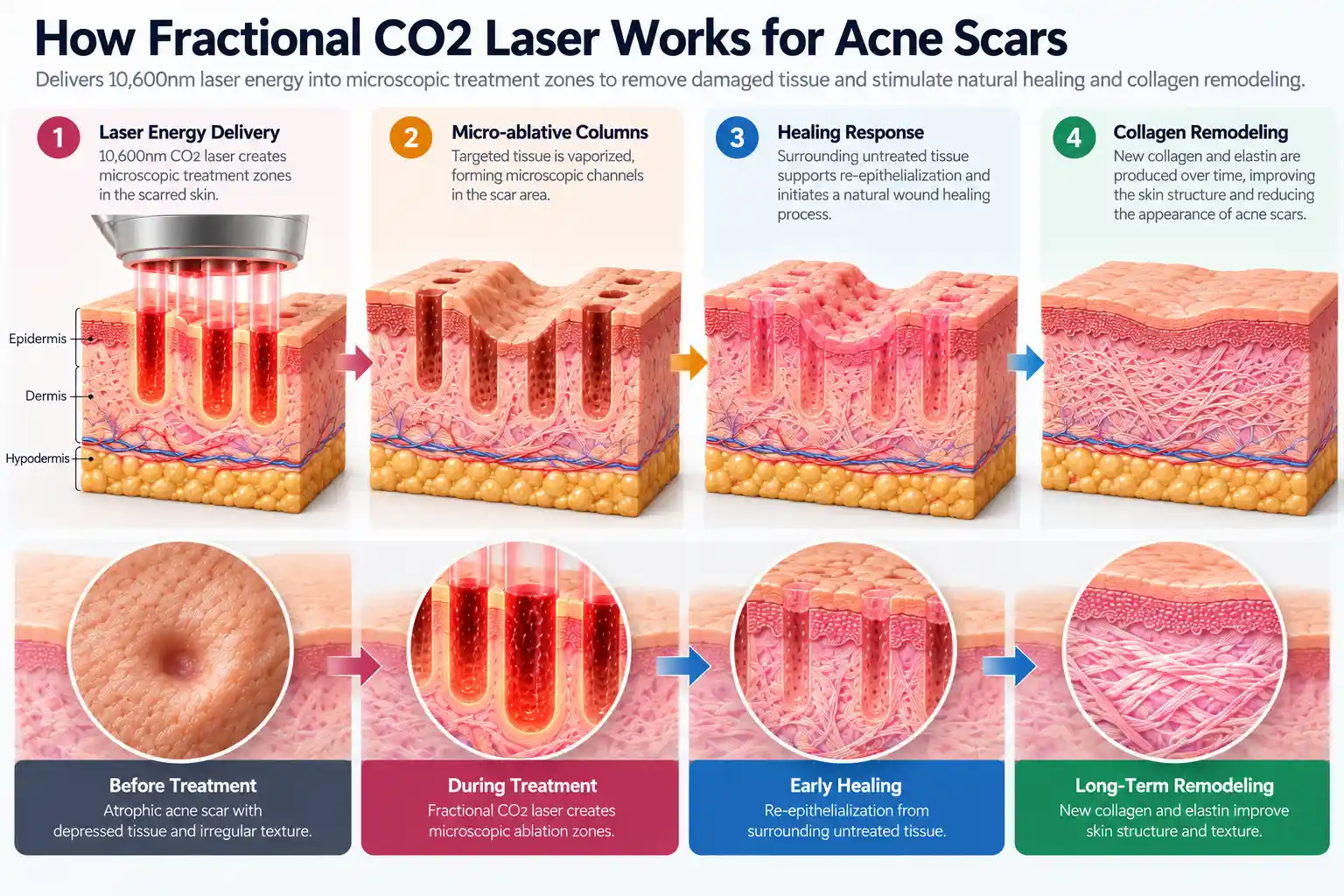
Fractional CO2 laser technology operates at a wavelength of 10,600nm, which is strongly absorbed by water in biological tissue. This interaction allows the system to produce controlled thermal and ablative effects in targeted skin areas.
Unlike fully ablative resurfacing, fractional CO2 laser distributes energy into microscopic treatment zones. Untreated tissue remains between these zones, supporting the subsequent healing process.
1. Controlled Microscopic Ablation
The laser creates microscopic columns of tissue ablation surrounded by areas of untreated skin. This fractional distribution allows clinicians to control the treatment coverage rather than treating the entire surface uniformly.
2. Thermal Stimulation in Surrounding Tissue
In addition to the ablative effect, fractional CO2 laser produces controlled thermal effects in surrounding tissue. The distribution of these effects depends on the laser parameters, pulse characteristics, treatment density, and delivery system.
3. Healing and Collagen Remodeling
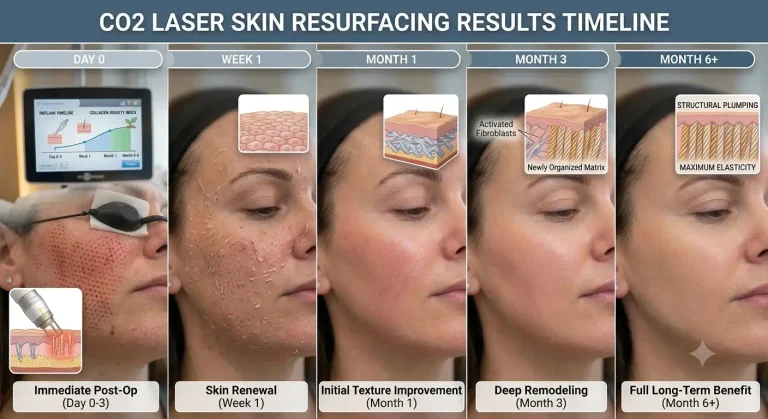
Following treatment, the skin initiates a wound-healing response involving tissue repair and collagen remodeling. These biological processes can gradually improve the appearance of selected acne scars and uneven skin texture.
The degree of improvement varies. It depends on scar depth, treatment parameters, individual healing response, and whether additional procedures are required.
What Are the Benefits of CO2 Laser for Acne Scars?
Fractional CO2 laser resurfacing is used in professional aesthetic and dermatological practice because it combines controlled ablation with thermal stimulation. Its potential benefits extend beyond individual acne scars to broader skin texture concerns.
Improvement in Uneven Skin Texture
Acne scars can create irregularities in the skin surface. Fractional resurfacing may help soften the appearance of selected depressions and improve overall surface texture through controlled tissue renewal.
Collagen Remodeling
The healing response following fractional CO2 treatment involves collagen remodeling. This process may contribute to gradual improvements in skin structure and the appearance of atrophic scars.
Multiple Resurfacing Applications
Fractional CO2 technology is not limited to acne scar treatment. Depending on the specific device, configuration, and applicable indications, it may also be used for:
- Skin resurfacing
- Selected surgical and traumatic scars
- Fine lines and wrinkles
- Uneven skin texture
- Selected stretch marks
- General skin rejuvenation
For clinics, this versatility can be an important equipment consideration. However, treatment indications and device capabilities should always be verified against the specific system’s intended use and regulatory documentation.
CO2 Laser for Acne Scars Before and After: What Results Can You Expect?
Before-and-after photographs are frequently used to evaluate the visible effects of fractional CO2 laser treatment. However, images should be interpreted carefully because lighting, camera angle, skin preparation, and treatment intervals can influence how scars appear.
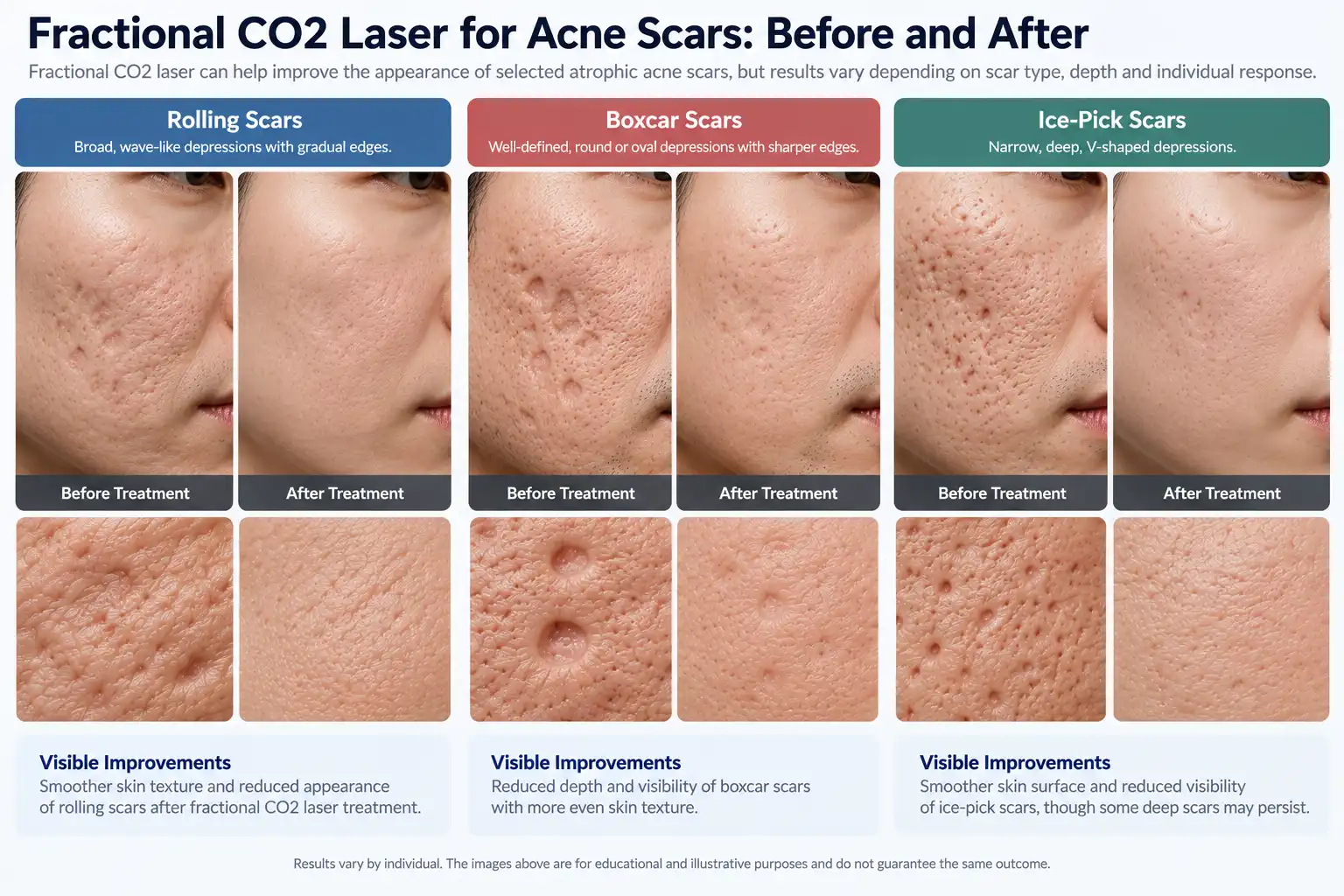
When evaluating fractional CO2 laser before and after results, several factors should be considered:
- Scar morphology: rolling, boxcar, and ice-pick scars may respond differently.
- Scar depth: deeper structural scars may require additional procedures.
- Treatment parameters: energy, density, pulse characteristics, and passes influence tissue response.
- Number of sessions: some treatment plans involve multiple sessions rather than one procedure.
- Individual healing: collagen remodeling and tissue recovery vary between individuals.
- Combination treatments: subcision, TCA CROSS, or other approaches may be incorporated when appropriate.
It is important not to promise complete scar removal or identical results for every patient. The realistic objective is generally improvement in scar appearance and skin texture, with the achievable degree of improvement determined by professional assessment.
How Many CO2 Laser Sessions Are Needed for Acne Scars?
There is no universal number of fractional CO2 laser sessions required for acne scars. The treatment plan depends on the patient’s scar morphology, severity, skin characteristics, treatment intensity, and response to previous procedures.
A professional assessment may consider:
- Whether the scars are rolling, boxcar, or ice-pick types
- The depth and distribution of scar tissue
- Whether fibrous tethering is present
- Skin phototype and pigmentation history
- Previous acne scar treatments
- Acceptable recovery time
- The characteristics of the selected CO2 laser system
Treatment intervals should allow adequate recovery and be determined by the treating professional. More aggressive treatment does not automatically mean better results and may increase the risk of complications.
CO2 Laser Acne Scar Treatment Recovery: What to Expect
Recovery after fractional CO2 laser resurfacing depends on treatment intensity, fractional density, the number of passes, treated area, and individual skin response.
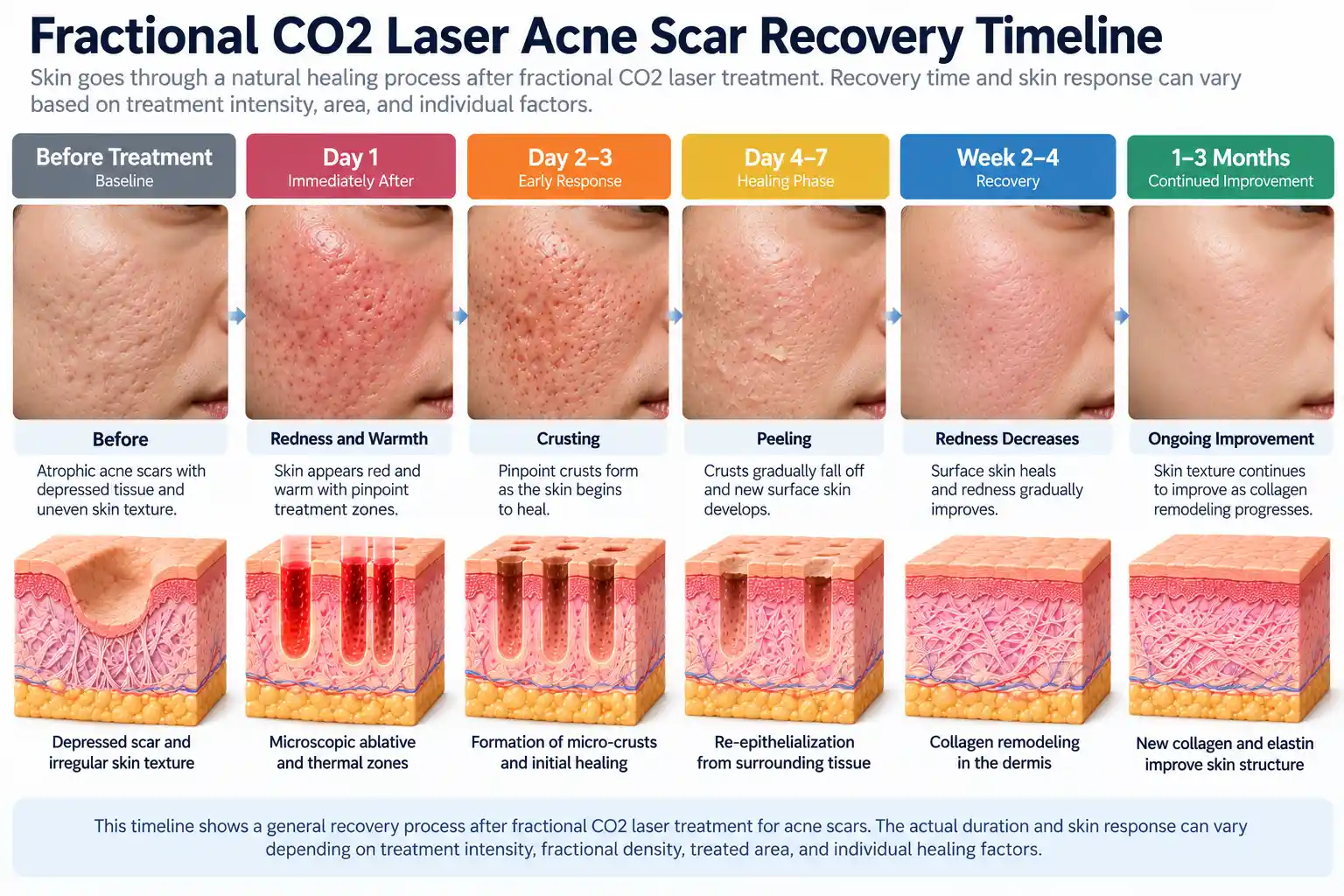
| Recovery Stage | Possible Skin Response |
|---|---|
| Immediately After Treatment | Redness, warmth, swelling, and sensitivity may occur. |
| Early Recovery | Pinpoint crusting, dryness, and temporary skin sensitivity may develop. |
| Healing Phase | Crusting gradually resolves and new surface skin develops. |
| Following Weeks | Skin texture and appearance may continue to change as tissue remodeling progresses. |
This table provides a general educational overview rather than a guaranteed recovery schedule. More intensive treatments may require longer downtime.
Post-Treatment Care Considerations
Following professional treatment, patients should follow the specific aftercare instructions provided by their healthcare professional. General considerations may include:
- Keeping the treated area clean according to professional instructions.
- Using recommended wound-care and moisturizing products.
- Avoiding picking, scratching, or forcibly removing crusts.
- Protecting healing skin from direct sunlight.
- Using appropriate sun protection once advised by the treating professional.
- Avoiding irritating skincare products until the skin has recovered sufficiently.
What Are the Risks and Side Effects of CO2 Laser for Acne Scars?
Fractional CO2 laser is an ablative resurfacing technology. Although it can be useful for selected acne scars, it also involves tissue injury and requires appropriate patient selection, operator training, and post-treatment management.
Possible temporary effects include:
- Redness and swelling
- Burning or temporary discomfort
- Dryness and crusting
- Temporary skin sensitivity
- Temporary changes in pigmentation
Potential complications can include prolonged redness, post-inflammatory hyperpigmentation, hypopigmentation, infection, delayed healing, and scarring.
Risk assessment should consider skin phototype, previous pigmentation responses, active acne, history of cold sores, medical history, recent sun exposure, treatment parameters, and wound-care practices.
Individuals with active inflammatory acne may need acne management before undergoing resurfacing. Treating active breakouts and treating established atrophic scars are different clinical objectives.
Fractional CO2 laser treatment should only be performed by appropriately qualified professionals using equipment within its intended use and applicable local requirements.
Fractional CO2 Laser vs Other Acne Scar Treatments
CO2 laser is one of several approaches used in acne scar management. Different procedures address different aspects of scar structure, so treatment selection should be based on the individual scar pattern rather than assuming one technology is suitable for every patient.
| Treatment | Primary Approach | Common Considerations |
|---|---|---|
| Fractional CO2 Laser | Ablative fractional resurfacing and thermal stimulation | Selected atrophic scars and uneven texture; recovery and pigment risks require consideration. |
| RF Microneedling | Needle-based delivery of radiofrequency energy | Can be considered for selected atrophic scars and skin remodeling objectives. |
| Subcision | Mechanical release of fibrous bands beneath depressed scars | Particularly relevant for selected tethered rolling scars. |
| TCA CROSS | Localized chemical treatment of individual scars | Often considered for selected narrow, deep ice-pick scars. |
| Non-Ablative Fractional Laser | Fractional thermal stimulation without ablating the skin surface in the same manner as CO2 | Different recovery profile and treatment response. |
Fractional CO2 laser and RF microneedling are not interchangeable. Their energy sources, tissue interactions, delivery mechanisms, and treatment characteristics differ.
The appropriate option depends on scar type, desired treatment effect, skin characteristics, recovery expectations, and professional assessment.
What Should Clinics Consider When Choosing a Fractional CO2 Laser Machine?
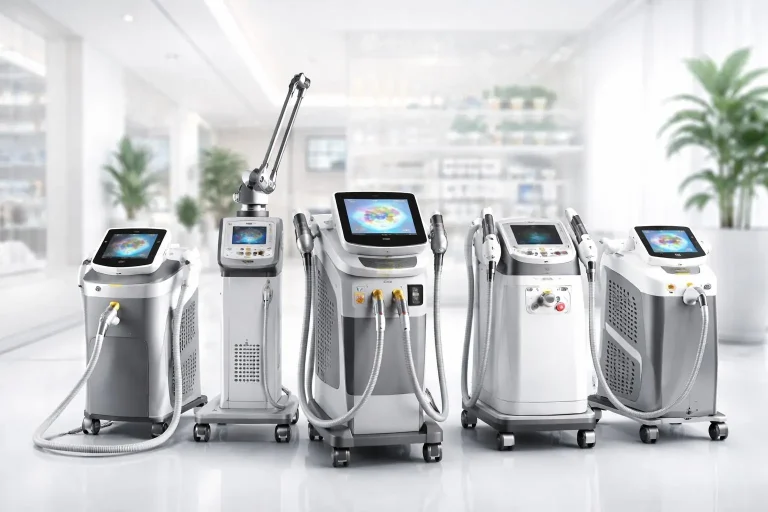
For dermatology clinics, medical aesthetic centers, and equipment distributors, choosing a fractional CO2 laser involves more than comparing the nominal wavelength. The complete system configuration influences treatment flexibility, workflow, maintenance, and long-term operation.
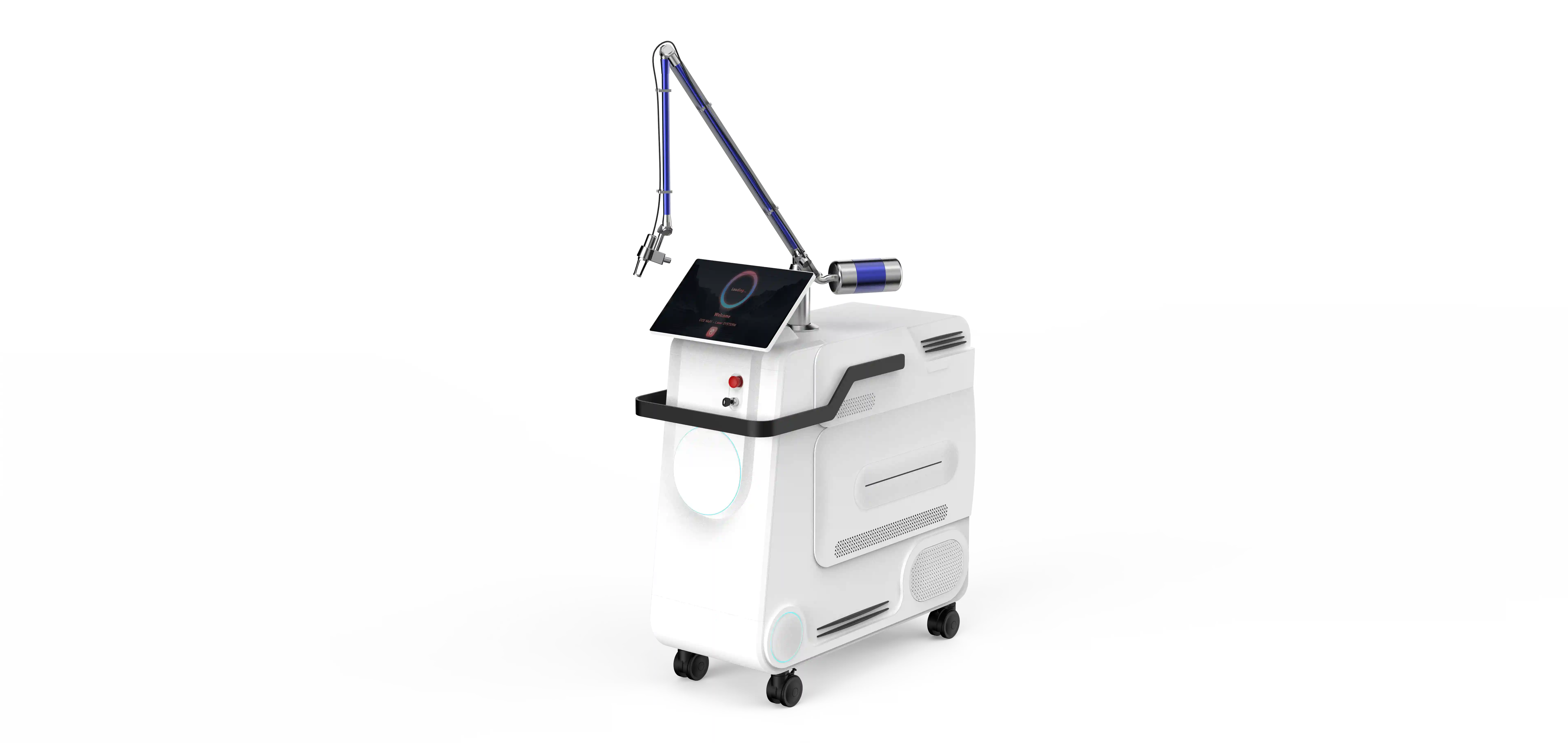
Laser Source and Energy Stability
The laser source is an important component of a professional CO2 system. Buyers should evaluate the laser tube technology, output characteristics, maintenance requirements, and manufacturer’s technical documentation.
Fractional Treatment Control
Evaluate how the system controls fractional treatment patterns, energy delivery, pulse characteristics, and treatment density. Practical adjustment options are important for matching equipment capabilities to different clinical workflows.
Applicators and Treatment Modes
Different applicators and treatment modes can expand the applications supported by a CO2 platform. Buyers should confirm which components are included in the standard configuration and which are optional.
Training and Technical Support
Professional equipment purchasing should also consider operator training, technical documentation, warranty, replacement parts, maintenance support, and after-sales service.
Regulatory Documentation
Before purchasing or distributing a medical aesthetic laser system, verify the actual regulatory documentation, product classification, intended use, and market-specific requirements. Never assume that a device has a particular certification without reviewing its official documentation.
CO2 4D: Professional Fractional CO2 Laser Technology by Cocoon Laser
For clinics and distributors evaluating professional fractional CO2 laser equipment, Cocoon Laser offers the CO2 4D Fractional CO2 Laser System.
The CO2 4D platform is designed around 10,600nm CO2 laser technology and RF-excited laser source architecture. Its product configuration combines fractional resurfacing capabilities with additional treatment modes for professional dermatology and gynecology applications.
Key platform characteristics include:
- 10,600nm CO2 laser technology
- RF-excited laser source
- Fractional and surgical treatment capabilities
- Four treatment modes
- Nine professional treatment applicators
- Adjustable treatment graphics
- OEM and ODM customization options
The platform is intended for professional buyers, including dermatology clinics, medical aesthetic centers, plastic surgery hospitals, medical equipment distributors, and OEM partners.
Clinics evaluating a fractional CO2 laser machine should review the complete specifications, available applicators, intended applications, training arrangements, and regulatory documentation before making a purchasing decision.
Learn more about the Cocoon Laser CO2 4D platform or contact our team for product specifications and configuration details.
How to Evaluate CO2 Laser Acne Scar Treatment Outcomes
For clinics introducing fractional CO2 laser treatments, consistent documentation is important for evaluating treatment outcomes and improving clinical workflows.
A structured evaluation process may include:
- Baseline assessment: document scar morphology, severity, distribution, and skin characteristics.
- Standardized photography: use consistent lighting, camera distance, angles, and positioning.
- Treatment documentation: record the device, applicator, parameters, treatment area, and session date.
- Recovery monitoring: document healing responses and any adverse events.
- Follow-up assessment: evaluate changes after an appropriate healing and remodeling period.
Before-and-after images should represent genuine clinical cases, be used with appropriate patient consent, and avoid misleading editing or presentation. Consistent documentation provides a more reliable basis for evaluating visible changes than isolated photographs.
Frequently Asked Questions About CO2 Laser for Acne Scars
Does CO2 laser completely remove acne scars?
Fractional CO2 laser may improve the appearance of selected atrophic acne scars, but complete scar removal should not be expected. Outcomes depend on scar type, depth, treatment parameters, and individual healing.
Is fractional CO2 laser effective for deep acne scars?
Fractional CO2 laser may improve selected deep or moderate atrophic scars, but deeper ice-pick scars and tethered rolling scars may require additional procedures such as TCA CROSS or subcision.
Is CO2 laser good for rolling acne scars?
Fractional CO2 laser may improve the surface appearance of rolling scars. However, scars tethered by underlying fibrous bands may require subcision as part of a combination treatment plan.
Is CO2 laser suitable for ice-pick scars?
Ice-pick scars are narrow and deep, which makes them difficult to treat with surface resurfacing alone. Targeted procedures such as TCA CROSS may be considered depending on professional assessment.
How long does it take to recover from fractional CO2 laser?
Recovery varies according to treatment intensity, fractional density, and individual response. Redness, swelling, crusting, and sensitivity may occur. More intensive treatments can require longer downtime.
How many CO2 laser sessions are needed for acne scars?
There is no standard session number for everyone. The treatment plan depends on scar morphology, severity, skin characteristics, treatment settings, and response to previous sessions.
What is the difference between fractional CO2 laser and RF microneedling?
Fractional CO2 laser uses 10,600nm optical energy to create microscopic ablative and thermal treatment zones. RF microneedling delivers radiofrequency energy through needle electrodes. Both can be considered for selected acne scars, but their mechanisms and treatment characteristics differ.
Can CO2 laser treat active acne?
Fractional CO2 laser is primarily used for resurfacing and selected scar-related applications rather than as a first-line treatment for active inflammatory acne. Active acne should be appropriately managed before considering scar resurfacing.
What type of CO2 laser is used for acne scar treatment?
Fractional CO2 laser systems operating at 10,600nm are commonly used for ablative fractional resurfacing. Device capabilities, fractional delivery methods, adjustable parameters, and intended applications vary between systems.
Can all skin types undergo fractional CO2 laser treatment?
Treatment suitability varies with skin phototype, pigmentation history, clinical indication, and treatment parameters. Individuals with darker skin tones may have a higher risk of post-inflammatory pigmentation changes and require particularly careful professional assessment.
Conclusion: Is CO2 Laser a Good Option for Acne Scars?
Fractional CO2 laser is an established resurfacing approach for improving selected atrophic acne scars and uneven skin texture. Its 10,600nm wavelength, controlled fractional ablation, and subsequent tissue remodeling response make it an important technology in professional skin resurfacing.
However, treatment success depends on more than the laser itself. Accurate scar classification, appropriate patient selection, suitable treatment parameters, and professional aftercare all contribute to the overall treatment strategy.
For clinics and medical equipment distributors, understanding these clinical requirements is equally important when evaluating a fractional CO2 laser machine.
Professional Fractional CO2 Laser Equipment
Looking for a Professional CO2 Laser Machine?
Explore Cocoon Laser’s professional CO2 laser solutions for dermatology clinics, medical aesthetic centers, distributors, and OEM partners. Contact our team to discuss product specifications, available configurations, customization options, and cooperation opportunities.
Request Specifications & Quote