CO2 Laser Healing Process: Recovery Timeline, Aftercare & Results
Quick Answer
The CO2 laser healing process typically includes redness, swelling, peeling and gradual skin renewal after treatment. Most patients experience initial recovery within 7–14 days, while collagen remodeling and visible skin improvements continue for several months. Proper CO2 laser aftercare is essential for supporting healing and achieving optimal resurfacing results.
Understanding the CO2 Laser Healing Process
The CO2 laser healing process begins immediately after treatment when controlled laser energy creates microscopic thermal treatment zones within the skin. These controlled injuries activate the body’s natural repair mechanisms, stimulating new collagen production and skin regeneration.
Modern fractional CO2 laser systems are designed to provide controlled resurfacing by treating targeted areas while preserving surrounding tissue. This approach allows clinics to customize treatment intensity while supporting a more predictable recovery experience.
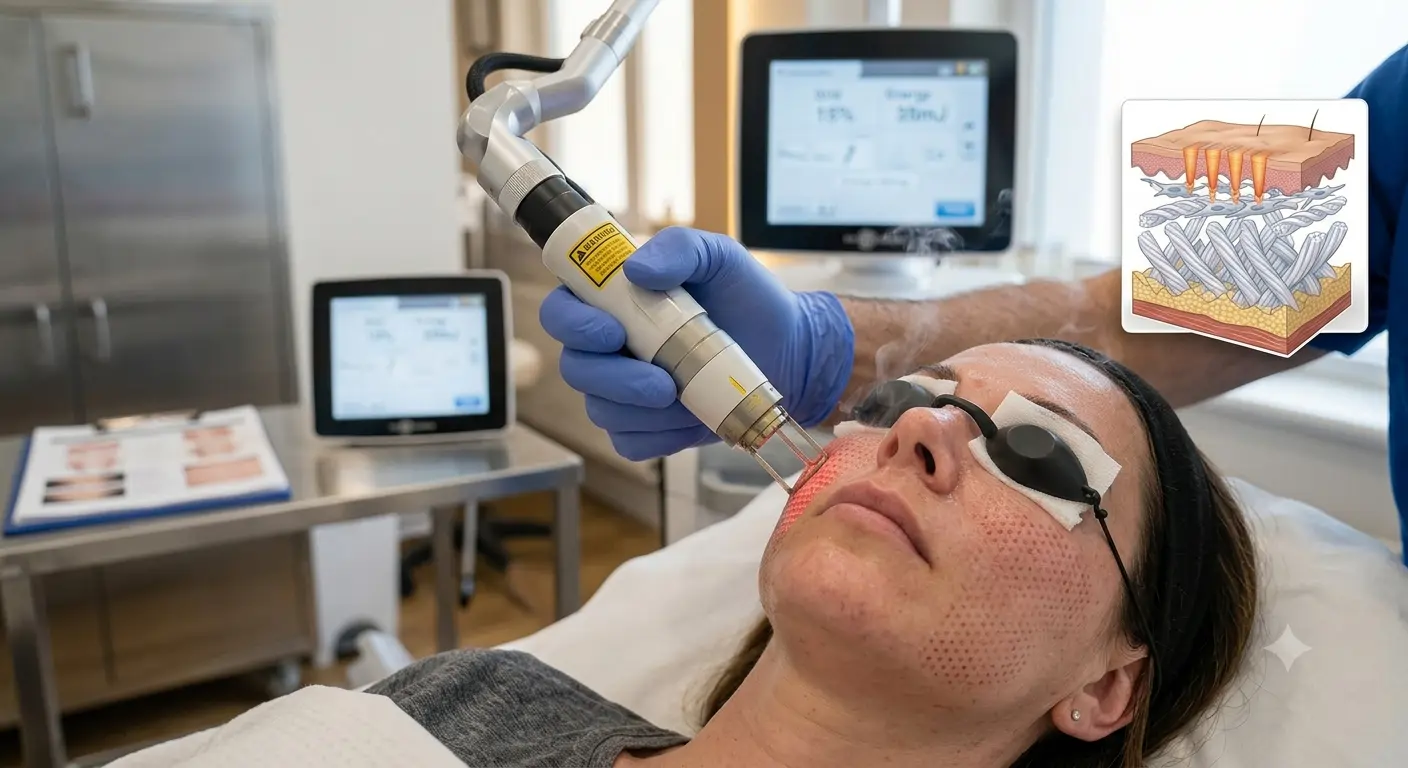
CO2 Laser Recovery Timeline: What to Expect
The CO2 laser recovery timeline varies depending on treatment depth, energy settings, skin condition and individual healing response. Fractional CO2 laser treatments generally involve a shorter recovery period compared with fully ablative resurfacing procedures.
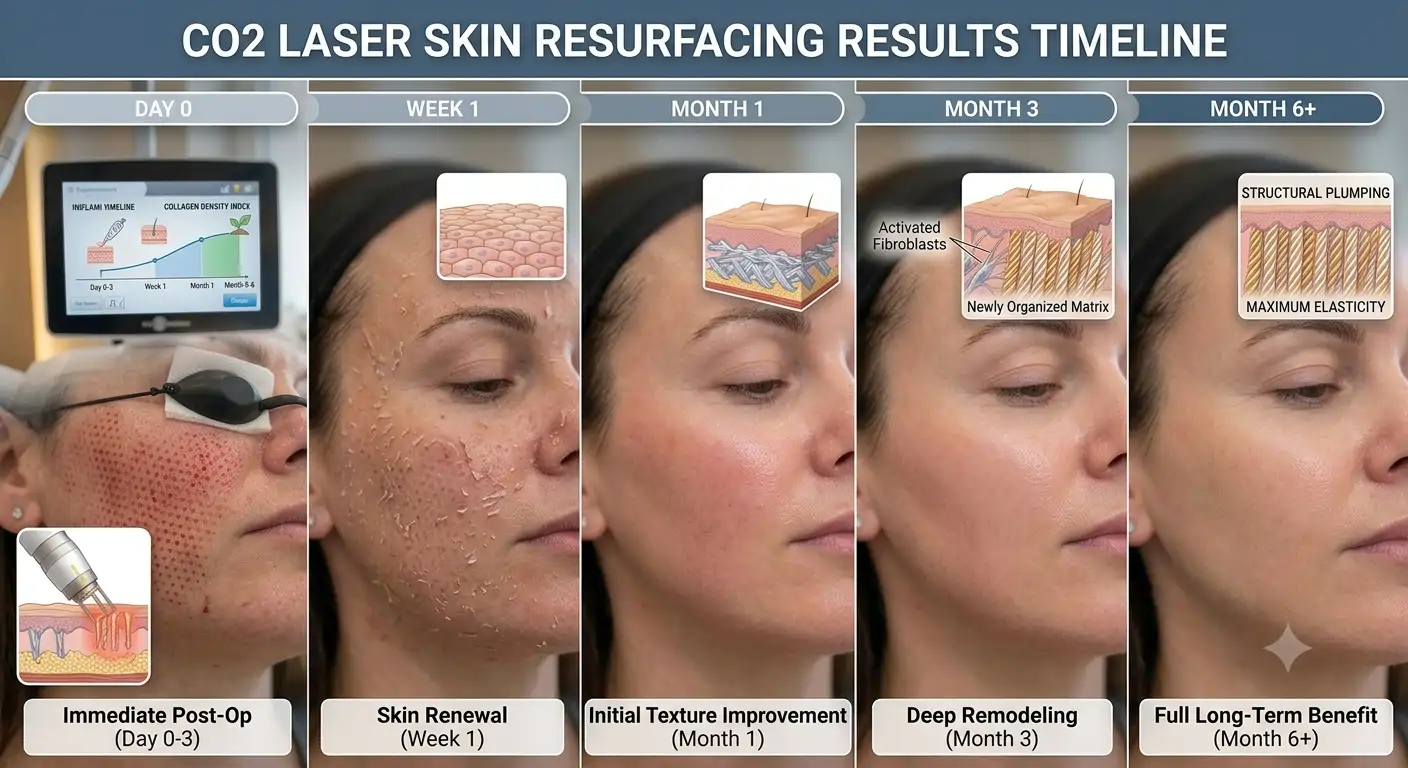
Day 0–3: Immediate Post-Treatment Stage
During the first few days after CO2 laser treatment, patients commonly experience redness, swelling, warmth and sensitivity in the treated area. These effects occur because the skin is responding to controlled thermal energy and beginning the repair process.
Clinics usually provide specific post-treatment instructions during this stage, including gentle cleansing, moisturizing and strict sun protection.
Day 4–7: Peeling and Skin Renewal Stage
Between the fourth and seventh day, the treated skin may begin peeling or shedding. This is part of the natural resurfacing process as damaged surface layers are replaced with renewed skin tissue.
Patients should avoid manually removing peeling skin because this may interfere with natural healing and increase irritation risks.
Week 2–4: Visible Recovery Stage
After the initial recovery period, redness usually decreases and skin texture gradually improves. The skin may continue feeling slightly sensitive while deeper regeneration processes continue.
Month 1–6: Collagen Remodeling Stage
Although surface healing may occur within several weeks, collagen remodeling continues for months after CO2 laser treatment. During this period, improvements in firmness, texture and overall skin quality may continue developing.
CO2 Laser Aftercare: How to Support Proper Healing
Proper CO2 laser aftercare plays an important role in maintaining patient comfort, supporting recovery and helping achieve consistent treatment outcomes. Clinics typically provide customized aftercare protocols based on treatment intensity and patient skin condition.
Keep the Skin Clean and Protected
After CO2 laser resurfacing, the treated skin requires gentle care. Patients should follow professional cleansing recommendations and avoid harsh skincare products during the early healing period.
Use Recommended Moisturization
Maintaining adequate skin hydration helps support barrier recovery and reduces discomfort during peeling and renewal stages.
Apply Strict Sun Protection
Sun protection is one of the most important parts of CO2 laser aftercare. Newly resurfaced skin is more sensitive to UV exposure, and consistent protection helps reduce unwanted pigmentation risks.
Avoid Aggressive Skincare During Recovery
Patients should avoid exfoliating products, strong active ingredients and unnecessary irritation until the skin barrier has sufficiently recovered.
How Long Does CO2 Laser Recovery Take?
The CO2 laser recovery time depends on several factors, including whether the treatment uses fractional or fully ablative CO2 laser technology, the treatment depth, energy settings and the patient’s individual healing response.
For most fractional CO2 laser procedures, the initial recovery period is commonly around 7 to 14 days. However, mild redness and skin sensitivity may continue for several weeks as collagen remodeling takes place beneath the skin surface.
| Recovery Stage | Typical Timeline | Common Skin Changes |
|---|---|---|
| Immediate Recovery | Day 0–3 | Redness, swelling, warmth and sensitivity |
| Surface Healing | Day 4–7 | Peeling, dryness and skin renewal |
| Early Improvement | Week 2–4 | Improved texture and reduced redness |
| Collagen Remodeling | Month 1–6 | Progressive firmness and skin quality improvement |
Clinics should explain that CO2 laser recovery is not limited to surface healing. While the outer skin may recover within weeks, deeper collagen remodeling continues for months after treatment.
CO2 Laser Results Timeline: When Will You See Results?
CO2 laser results develop gradually because the treatment works through both immediate resurfacing effects and long-term biological regeneration. Patients may notice early improvements after healing, while final outcomes continue improving as new collagen forms.
After 1 Week
During the first week, the skin is mainly focused on recovery. Peeling and redness may still be present, and visible results are usually limited during this stage.
After 1 Month
Around one month after treatment, many patients begin noticing smoother skin texture, improved tone and early rejuvenation effects.
After 3 Months
At approximately three months, collagen remodeling becomes more noticeable. Skin firmness, elasticity and overall texture may continue improving.
After 6 Months
Long-term CO2 laser results may continue developing up to six months after treatment as collagen structures mature and skin regeneration progresses.

Factors That Affect CO2 Laser Healing Time
Although CO2 laser recovery follows a general pattern, individual healing experiences can vary. Several factors influence how quickly the skin recovers after treatment.
Treatment Depth and Energy Settings
Deeper resurfacing treatments generally create stronger skin remodeling effects but may require longer recovery periods. Fractional CO2 laser systems allow practitioners to adjust treatment parameters according to patient needs.
Fractional vs Traditional CO2 Laser Treatment
Fractional CO2 laser treatments usually provide a more controlled recovery experience because microscopic treatment zones preserve surrounding healthy tissue.
Traditional fully ablative CO2 laser procedures may involve more intensive resurfacing and longer downtime.
Patient Skin Condition
Skin sensitivity, pigmentation tendency, age and overall skin health can influence the healing process. Professional consultation helps determine appropriate treatment parameters.
Post-Treatment Care Compliance
Following recommended CO2 laser aftercare instructions can significantly influence recovery quality. Proper hydration, sun protection and avoiding unnecessary irritation support better healing conditions.
Fractional CO2 Laser Recovery vs Traditional CO2 Laser Recovery
The development of fractional CO2 laser technology has changed how clinics approach skin resurfacing treatments. By delivering laser energy through controlled microscopic zones, fractional systems provide greater flexibility in balancing results and recovery.
| Feature | Fractional CO2 Laser | Traditional CO2 Laser |
|---|---|---|
| Treatment Method | Micro thermal treatment zones | Full surface ablation |
| Downtime | Generally shorter | Generally longer |
| Treatment Flexibility | Highly adjustable | More aggressive approach |
| Clinic Applications | Broad aesthetic procedures | Intensive resurfacing |
For many aesthetic clinics, fractional CO2 laser systems have become a preferred solution because they support customized treatment protocols while maintaining effective resurfacing performance.
Choosing the Right CO2 Laser System for Clinical Treatments
The quality of the CO2 laser system can influence treatment consistency, workflow efficiency and clinical versatility. Clinics evaluating professional equipment should consider technology features beyond basic laser output.
Fractional Scanner Precision
A reliable fractional scanning system helps deliver consistent treatment patterns and allows practitioners to customize coverage density.
Adjustable Treatment Parameters
Energy control, pulse duration and scanning modes allow clinics to create different treatment approaches for wrinkles, scars and skin resurfacing.
Reliable Cooling and Safety Design
Integrated cooling and safety features improve patient comfort and support stable operation during clinical procedures.
CocoonLaser professional CO2 laser platforms, including CO2 Star and CO2 4D , are designed for aesthetic clinics seeking advanced skin resurfacing solutions.
Common CO2 Laser Aftercare Mistakes to Avoid
Proper CO2 laser aftercare is an important part of achieving successful treatment outcomes. Although CO2 laser technology provides controlled resurfacing, incorrect post-treatment care may increase irritation, delay recovery or affect final results.
1. Excessive Sun Exposure After Treatment
One of the most common mistakes after CO2 laser treatment is insufficient sun protection. Newly resurfaced skin is more sensitive to ultraviolet exposure, which may increase the risk of unwanted pigmentation changes.
Patients should follow professional recommendations regarding sunscreen use and sun avoidance during the recovery period.
2. Removing Peeling Skin Manually
During the healing process, peeling is a natural part of skin renewal. Removing flaking skin manually may interfere with recovery and increase unnecessary irritation.
3. Using Strong Skincare Products Too Early
Active ingredients such as exfoliating acids, retinoids and other intensive skincare products may irritate recovering skin. Patients should gradually return to regular skincare routines according to professional guidance.
4. Ignoring Professional Aftercare Instructions
Every CO2 laser treatment is customized according to skin condition, treatment depth and clinical goals. Following personalized aftercare instructions helps support predictable healing and better results.
When Can Patients Return to Normal Activities After CO2 Laser?
The timeline for returning to normal activities after CO2 laser treatment depends on treatment intensity and individual recovery speed. Fractional CO2 laser procedures generally allow patients to resume daily activities sooner compared with more aggressive ablative treatments.
Work and Daily Activities
Many patients can gradually return to normal routines after the initial recovery stage, although visible redness may continue depending on treatment settings.
Exercise and Physical Activity
Patients are commonly advised to avoid intense exercise during the early healing period because increased heat and sweating may irritate sensitive skin.
Makeup Application
The timing of makeup use depends on skin recovery. Clinics usually recommend waiting until the skin barrier has sufficiently recovered before applying cosmetic products.
Skincare Routine
A gentle skincare routine is typically recommended during recovery. Strong active ingredients should only be reintroduced when the skin has healed adequately.
CO2 Laser Healing Process Frequently Asked Questions
How long does CO2 laser take to heal?
The initial CO2 laser healing period is commonly around 7 to 14 days for many fractional treatments. However, deeper collagen remodeling continues for several months after treatment.
How long is CO2 laser downtime?
CO2 laser downtime varies depending on treatment intensity. Fractional CO2 laser treatments generally involve shorter downtime compared with fully ablative CO2 laser procedures.
What should I avoid after CO2 laser treatment?
Patients should generally avoid excessive sun exposure, aggressive skincare products, picking peeling skin and activities that may irritate the treated area during early recovery.
When will I see CO2 laser results?
Initial improvements may become visible after the skin recovers, while more significant results continue developing over several months as collagen remodeling progresses.
Is fractional CO2 laser recovery faster than traditional CO2 laser?
Fractional CO2 laser recovery is generally more controlled because the treatment creates microscopic thermal zones while preserving surrounding tissue, which can support faster healing compared with full-field resurfacing.
How often can CO2 laser treatments be performed?
Treatment intervals depend on the patient’s condition, treatment goals and the clinical protocol selected by the practitioner. Professional evaluation is required to determine appropriate scheduling.
Final Thoughts: Understanding the CO2 Laser Healing Journey
The CO2 laser healing process is an essential part of achieving successful skin resurfacing outcomes. While the initial recovery period involves redness, swelling and peeling, these temporary effects are part of the controlled regeneration process created by CO2 laser technology.
Modern fractional CO2 laser systems allow aesthetic clinics to customize treatment parameters according to patient needs, helping balance effective resurfacing with manageable recovery experiences.
For clinics considering professional CO2 laser technology, selecting a reliable system with precise energy control, fractional scanning capability and comprehensive manufacturer support is essential.
CocoonLaser provides professional CO2 laser solutions designed for aesthetic clinics seeking advanced skin resurfacing platforms, including CO2 Star and CO2 4D .