A Dermatologist’s Guide to OPT IPL Max+ Technology: Spot Sizes, Fluence, and Tissue Interaction
Introduction: Shifting the IPL Paradigm with OPT Technology
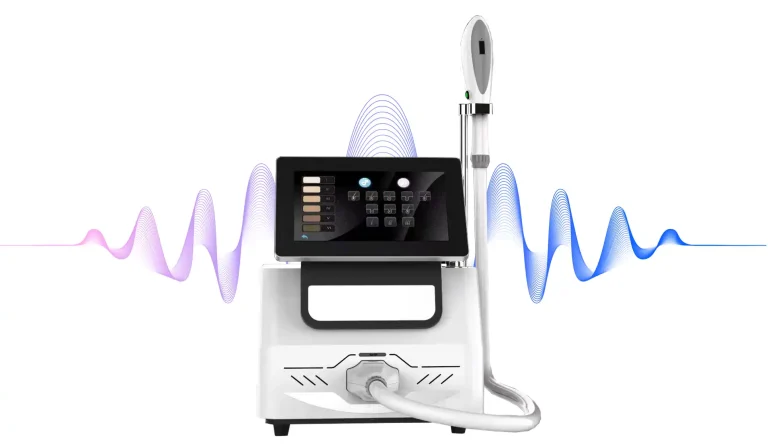
For over two decades, Intense Pulsed Light (IPL) has been a cornerstone of medical aesthetics, yet traditional systems have often been criticized for inconsistent energy output and suboptimal safety profiles. The advent of OPT IPL Max+ technology (Optimal Pulse Technology) represents a generational leap, moving from a ‘square wave’ to a truly uniform ‘gate wave’ energy spectrum. This clinical deep-dive analyzes the engineering, tissue interaction, and dermatological parameters that make OPT IPL Max+ technology a superior choice for modern clinics targeting high-volume, multi-indication treatments.
Selective Photothermolysis Re-engineered: The Physics of OPT
Traditional IPL systems suffer from energy decay at the beginning and end of each pulse, leading to epidermal burns or sub-therapeutic fluence. OPT IPL Max+ technology utilizes a high-voltage, low-inductance capacitor bank combined with real-time feedback control to deliver a perfectly truncated, flat-top pulse profile. This ensures that the targeted chromophore (melanin or hemoglobin) receives consistent energy density across the entire pulse width. The result is a higher peak power without exceeding the thermal relaxation time (TRT) of the target, maximizing thermal coagulation while minimizing collateral damage.
Critical Output Metrics & Clinical Parameters
The efficacy of OPT IPL Max+ technology is dictated by precise, adjustable parameters. The system typically operates within a spectral range of 500-1200nm, with intelligent cut-off filters (480nm, 530nm, 560nm, 590nm, 640nm, 690nm, and 755nm) to isolate specific chromophores. Key adjustable metrics include Fluence (10-50 J/cm²), Pulse Width (3-25 ms), and Pulse Delay (5-150 ms). This level of control allows practitioners to safely treat from Fitzpatrick Skin Type I to VI without common IPL complications.
| Key Parameter | Technical Specification (OPT IPL Max+) |
|---|---|
| Wavelength Range | 500-1200nm (Interchangeable Cut-off Filters: 480-755nm) |
| Energy Density / Fluence | 10 – 50 J/cm² (adjustable in 0.5 J increments) |
| Pulse Width | 3 – 25 ms (independent adjustment per pulse in multi-shot mode) |
| Cooling System | Sapphire ICE Contact Cooling + TEC (0°C to -5°C steady-state) |
| Spot Size | 12 x 35 mm (standard) / Up to 15 x 45 mm (high-throughput handpiece) |
| Repetition Rate | Up to 2 Hz (continuous pulsed mode) |
| Regulatory Status | Medical CE (Class IIa/b), ISO 13485, FDA 510(k) Clearance (specific models) |
Epidermal Protection Mechanisms: Beyond Surface Cooling
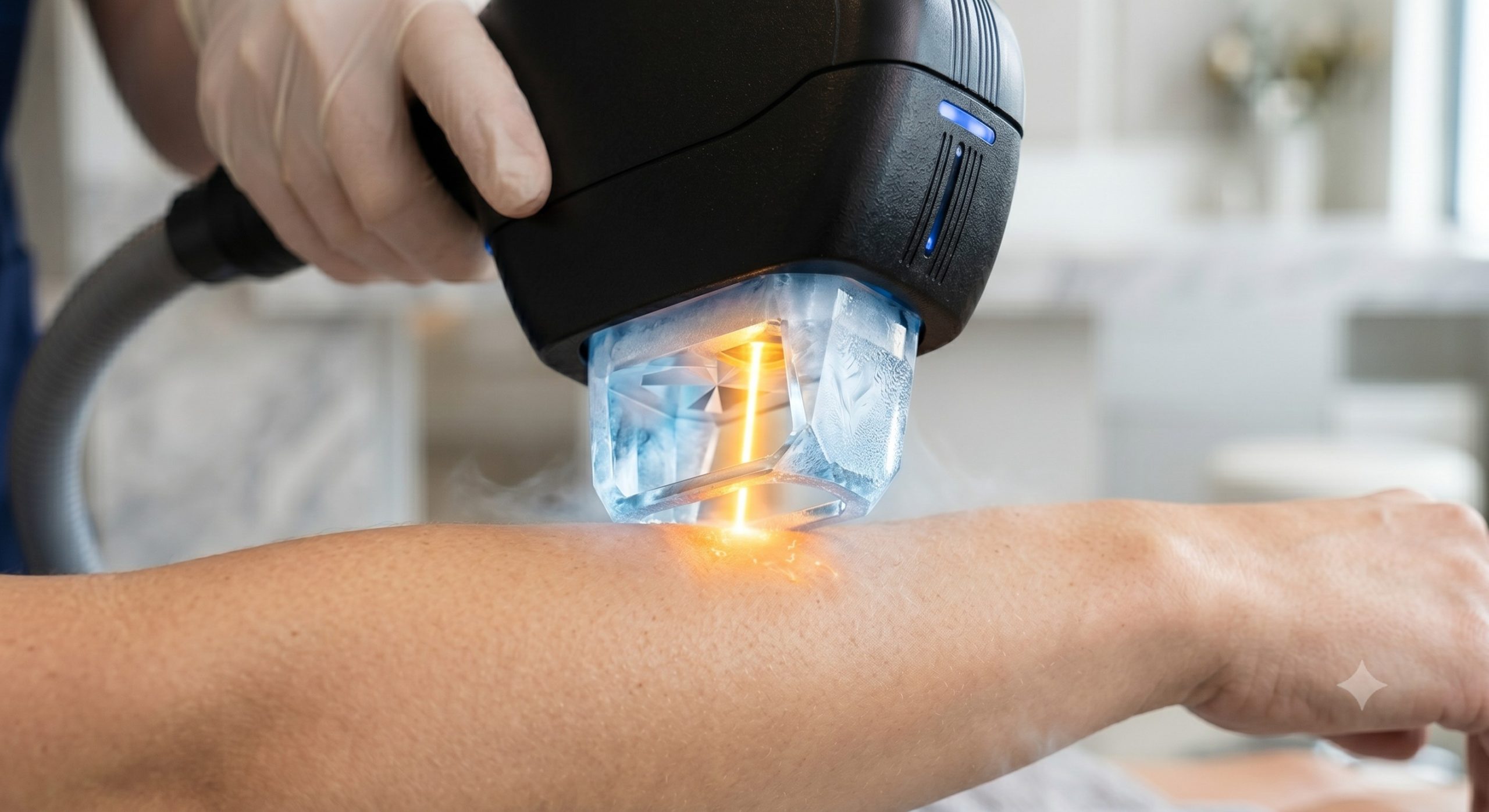
OPT IPL Max+ technology integrates a dual-layer cooling system, typically combining an integrated semiconductor cooler (TEC) with a Sapphire ICE contact cooling handpiece. Unlike cryogen sprays, Sapphire’s thermal conductivity (approximately 35 W/mK) allows the epidermis to be pre-cooled to 0°C to -5°C before the pulse is delivered. This creates a thermal buffer zone, drastically reducing the risk of post-inflammatory hyperpigmentation (PIH) and allowing for higher, more effective fluences on challenging indications like deep vascular lesions or coarse hair.
High-Throughput Clinical Workflows & Spot Size Strategy
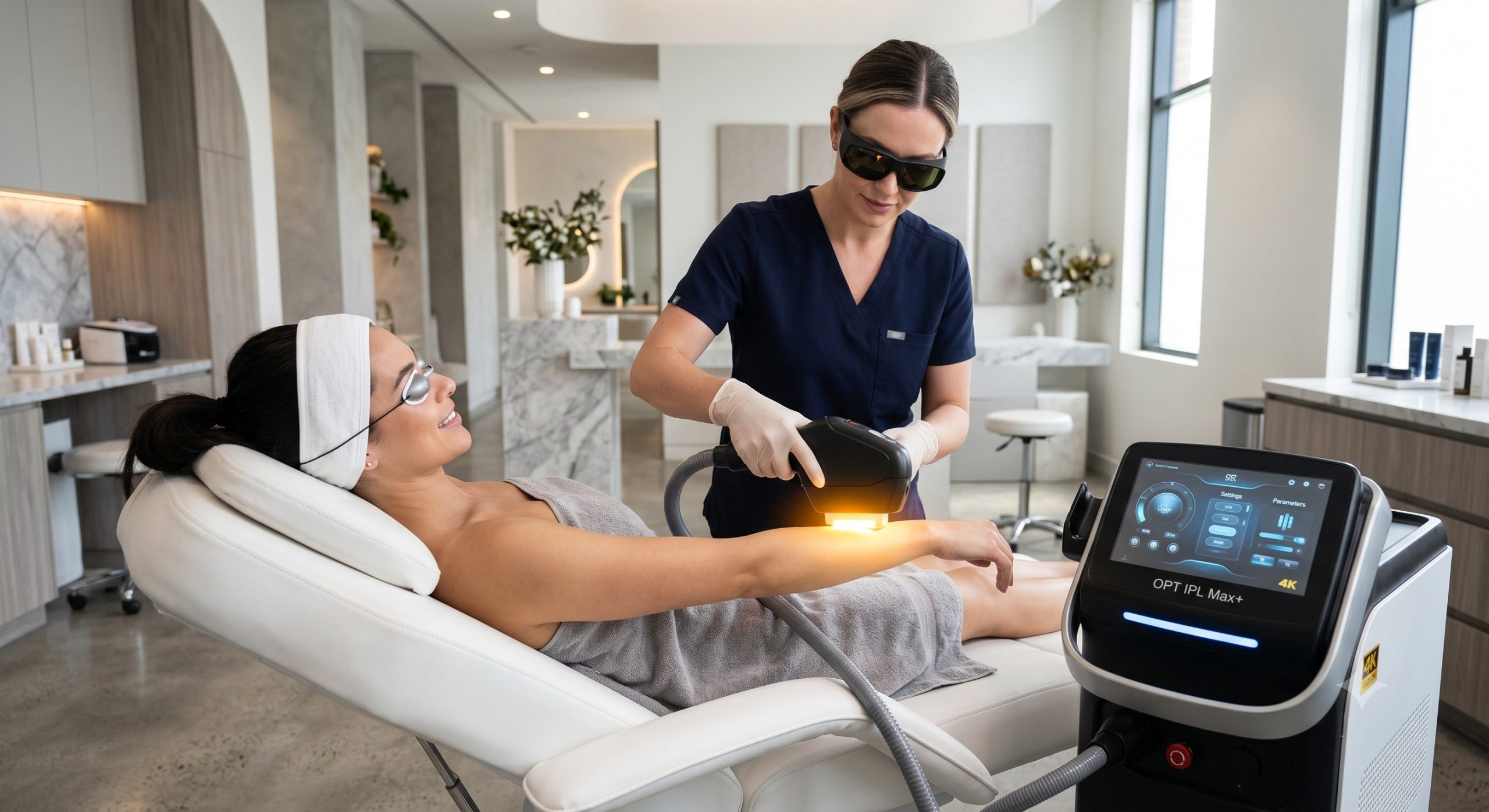
Clinical efficiency is driven by handpiece engineering. Most OPT IPL Max+ technology platforms feature a large spot size (typically 12 x 35 mm or 15 x 45 mm) and a high repetition rate (up to 2 Hz). A larger spot size not only reduces treatment time by up to 40% compared to older 8mm spot systems but also minimizes light scattering, as the energy penetrates deeper into the dermis with less divergence. For clinic owners, this translates directly to increased patient throughput and a lower cost-per-procedure without sacrificing clinical outcomes.
Fitzpatrick Scale Strategy & Indication Versatility
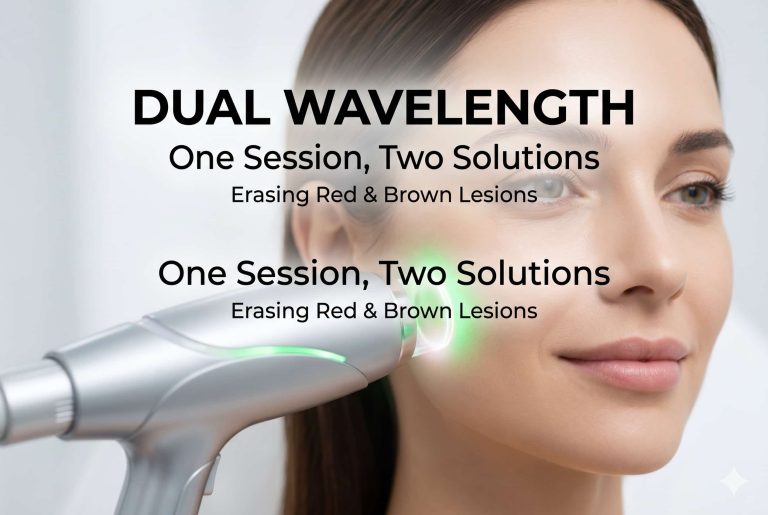
The true power of OPT IPL Max+ technology lies in its algorithmic adaptability. For Hair Removal (755nm/810nm/940nm triple-wavelength synergy), the system modulates fluence and pulse width based on melanin density. For Pigmented Lesions (560nm/590nm filters), it utilizes a shorter pulse width (3-6 ms) to shatter epidermal melasma and solar lentigines. For Vascular Lesions (530nm-590nm filter), the extended pulse delay allows for selective coagulation of oxyhemoglobin in telangiectasias and port-wine stains without purpura. This multi-modality capability transforms a single capital investment into a comprehensive clinic service suite.
Safety Compliance & Quality Assurance
Clinically reputable OPT IPL Max+ technology platforms are manufactured under ISO 13485 certified facilities and carry stringent regulatory markers including Medical CE (Class IIa/IIb) and often FDA 510(k) clearance. The internal power supply must maintain stability within ±5% across 10 million shots, ensuring that the last treatment is as effective and safe as the first. Furthermore, integrated skin impedance sensors and real-time energy calibration loops prevent accidental over-treatment, meeting the highest standards of patient safety and clinic liability protection.
Clinical Outlook & ROI Summary for Dermatologists
Adopting OPT IPL Max+ technology is not merely an equipment upgrade; it is a strategic shift toward evidence-based, high-safety phototherapy. By mastering the specific parameters of fluence, pulse width, and thermal relaxation times, dermatologists can achieve clearance rates for hair reduction exceeding 85% and significant improvement in vascular/pigmented lesions with fewer than four sessions. For the clinic, the low consumable cost (no gels or disposables for many handpieces) combined with high patient retention makes this technology a definitive ROI accelerator in the competitive medical aesthetics landscape.