A Dermatologist’s Guide to Fractional CO2 Laser Post-Treatment Care: Fluence, Downtime, and Tissue Interaction
Clinical Overview: The Critical Role of Post-Treatment Care in Fractional CO2 Laser Outcomes
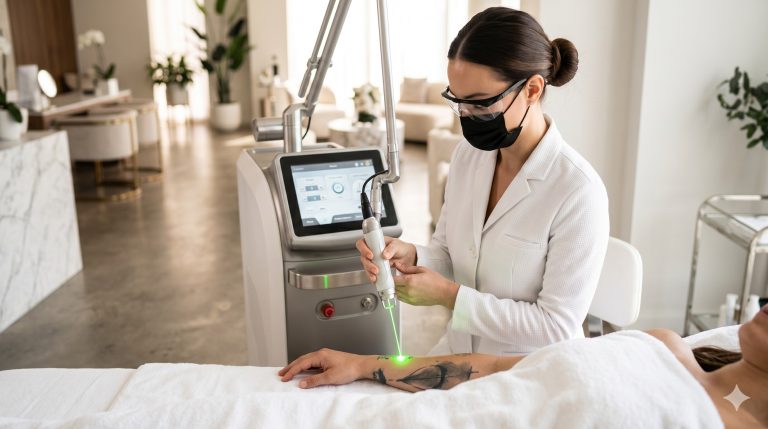
Fractional CO2 laser resurfacing, utilizing a wavelength of 10,600nm, remains the gold standard for deep dermal remodeling, treating rhytides, atrophic scars, and pigmentary dyschromias. However, clinical efficacy is directly proportional to post-treatment compliance. In a medical aesthetics setting, a robust aftercare protocol minimizes the risk of adverse events such as prolonged erythema, post-inflammatory hyperpigmentation (PIH), and infection. For clinics operating with Medical CE and ISO 13485 certified devices, standardizing this protocol is non-negotiable for patient safety and practice reputation.
Phase 1: The Immediate Inflammatory Phase (0-48 Hours)
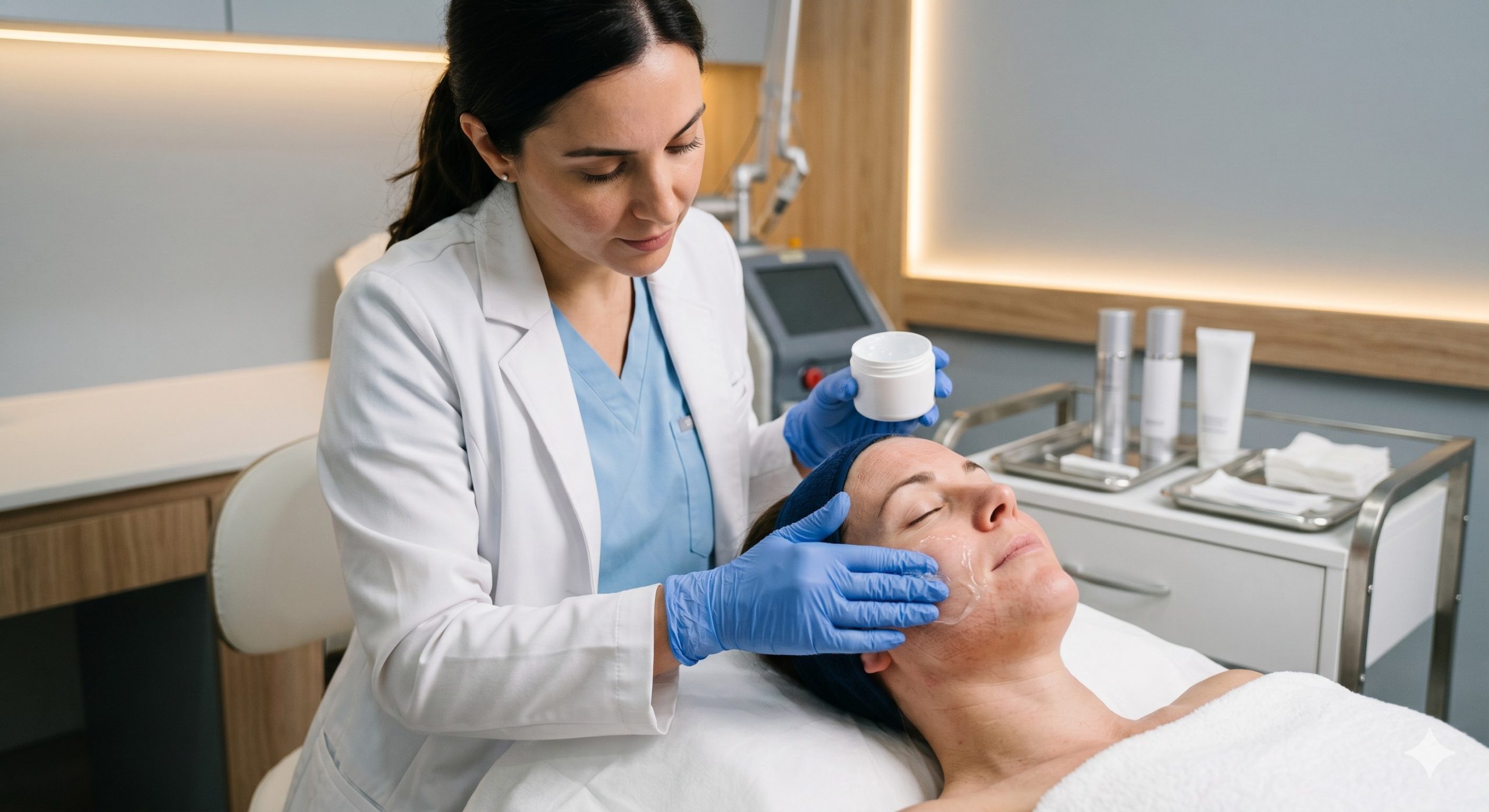
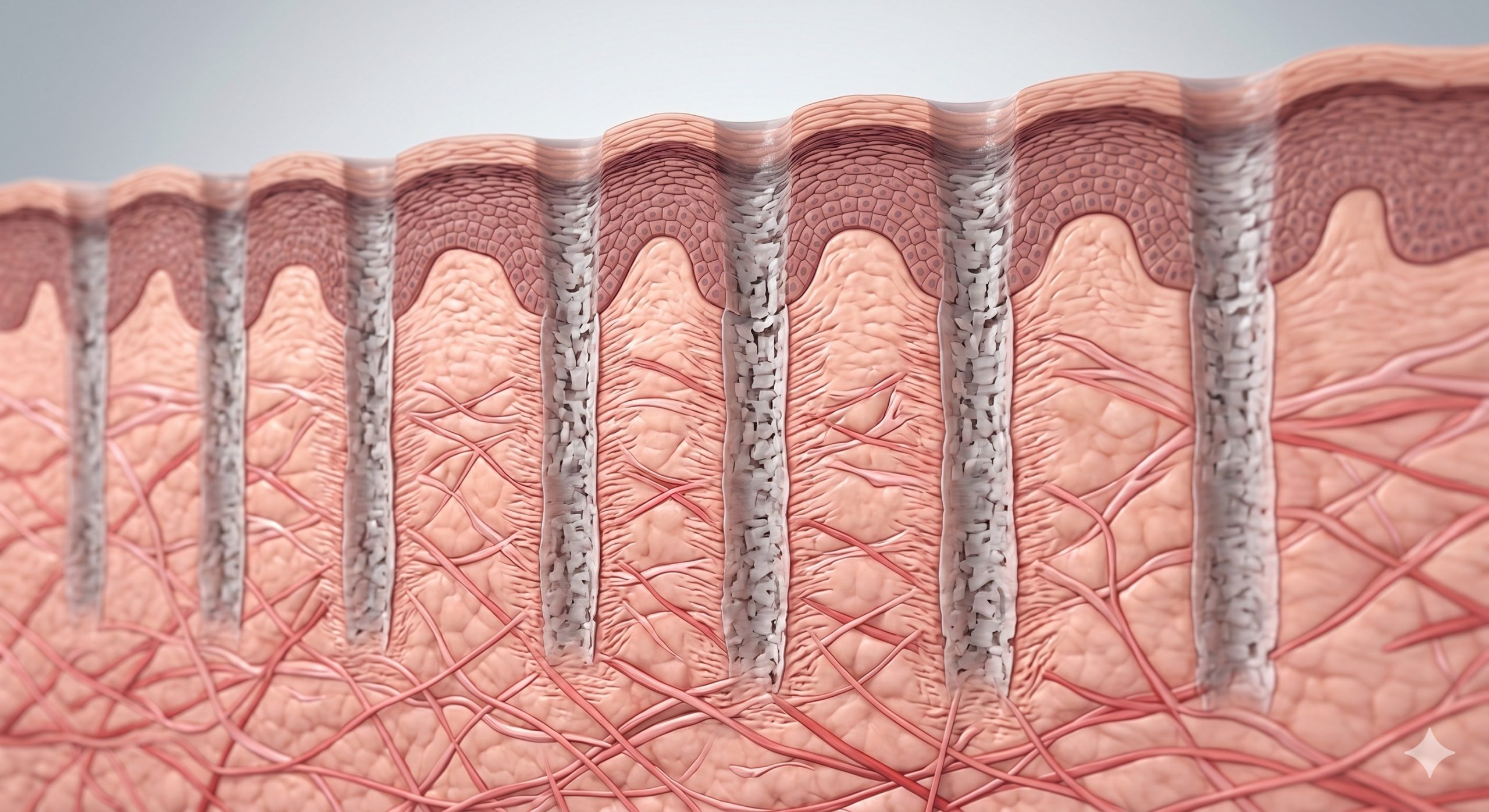
Immediately following the procedure, the skin exhibits a photothermal microthermal zone (MTZ) pattern. The energy density (Fluence) typically ranges from 5 to 40 mJ/microbeam, with a coverage density of 5-25%. The priority is to manage the epidermal barrier disruption and prevent transepidermal water loss (TEWL). Clinics must provide patients with a sterile, non-adherent dressing if oozing is present, alongside a prescription for prophylactic antiviral therapy (e.g., Valacyclovir 1g BID) if treating the perioral region. Do not use occlusive ointments containing petrolatum for the first 8 hours; instead, utilize a hypochlorous acid spray to cleanse the field gently.
Hemostatic & Temperature Control
Continuous sapphire or forced air cooling is standard during the procedure, but post-procedure, patients must use cooled (not frozen) saline compresses or a medical-grade cooling gel mask. This reduces the risk of post-inflammatory hyperpigmentation (PIH), especially in Fitzpatrick Skin Types III-V. Objective monitoring: skin temperature should be maintained below 37°C to halt the inflammatory cascade.
| Post-Treatment Phase | Key Clinical Action | Allowed Products (Active Ingredients) |
|---|---|---|
| Immediate (0-48 hrs) | Anti-inflammatory & Barrier Protection | Hypochlorous acid spray, Non-occlusive hydrogel |
| Re-epithelialization (Day 2-7) | Moist wound healing & SPF | Silicone ointment, Zinc oxide/TiO2 SPF 50+ |
| Remodeling (Week 1-12) | Collagen stimulation & Pigment control | Tretinoin 0.025%, Hyaluronic acid, Hydroquinone 4% (if needed) |
| Contraindications (Avoid) | Irritation & Thermal buildup | AHAs/BHAs, Retinol >0.5%, Petrolatum (first 24 hrs), Physical scrubs |
Phase 2: The Re-Epithelialization Window (Days 2-7)
This phase determines the final aesthetic result. The skin will display a bronze, micro-crusting appearance. Patients must avoid manual exfoliation at all costs. The objective is to maintain a moist, but not macerated, wound-healing environment. Clinical evidence supports the use of medical-grade silicone-based ointments or hydrogels that allow gas exchange while keeping the MTZs hydrated. Sun avoidance is critical; broad-spectrum SPF 50+ (zinc oxide or titanium dioxide) must be applied even indoors due to window-transmitted UVA. For clinics tracking patient-reported outcomes (PROs), this is the highest dropout risk for protocol non-compliance.
Managing Expected Side Effects
- Erythema: Expected to last 3-7 days. Prolonged erythema (>10 days) may indicate an allergic reaction or low-grade infection.
- Edema: Peaks at 24-48 hours. Sleeping with the head elevated at 30 degrees reduces periorbital swelling.
- Milia/ Acneiform Eruptions: Treated with low-potency topical corticosteroids or anti-inflammatory cleansers; never manual extraction during this phase.
Phase 3: Dermal Remodeling & Long-Term Maintenance (Day 7-90)
Once re-epithelialization is complete (typically day 7-10), the focus shifts to stimulating neocollagenesis. The CO2 laser’s thermal effect reaches the reticular dermis, inducing type III collagen production. To optimize this, patients must introduce topical retinoids (e.g., tretinoin 0.025%) and high-molecular-weight hyaluronic acid serums to support the extracellular matrix. At the 4-week mark, a broadband light (BBL) or IPL (500-1200nm) booster can be added to address residual erythema or pigment, but only with a fluence <10 J/cm² to avoid thermal叠加.
Safety & Compliance: Red Flags Requiring Clinical Return
Despite best protocols, complications arise. Immediate referral criteria include: purulent discharge (signs of Pseudomonas or Staph aureus), vesicles (herpes simplex reactivation), or hyperpigmentation unresponsive to 4% hydroquinone. For clinics using devices with FDA clearance and Medical CE marking, documentation of post-treatment informed consent covering these risks is mandatory. Remember that aggressive settings (stacked pulses, density >25%) in non-facial areas (neck, chest) significantly increase scarring risk.
Clinic ROI & Patient Education Protocols
Integrating a digital post-treatment care app or printed standard operating procedure (SOP) reduces complication rates by 40%, directly boosting patient satisfaction scores and 5-star reviews. Selling a post-procedure kit (medical-grade cleanser, silicone gel, SPF) at a 50-100% markup creates an additional $50-$150 in ancillary revenue per patient. Moreover, patients who adhere strictly to aftercare have a 70% higher likelihood of purchasing a maintenance fractional laser session at the 12-month mark. This transforms a single high-ticket service ($800-$3,000) into a multi-year patient relationship, optimizing lifetime value (LTV).