Erbium YAG (2940nm) vs. Erbium Glass (1550nm) FAQ: Expert Answers for Aesthetic Clinics & Dermatologists
Overview
For B2B medical aesthetic buyers, selecting between Erbium YAG (2940nm) and Erbium Glass (1550nm) lasers is a critical clinical and financial decision. This FAQ addresses the core pre-sales and post-sales questions clinic owners and dermatologists ask, covering skin safety, treatment efficacy, ROI, and maintenance. We provide definitive, expert-level answers designed to cut through marketing hype.
Frequently Asked Questions
Q1: What is the primary clinical difference between Erbium YAG 2940nm and Erbium Glass 1550nm lasers?
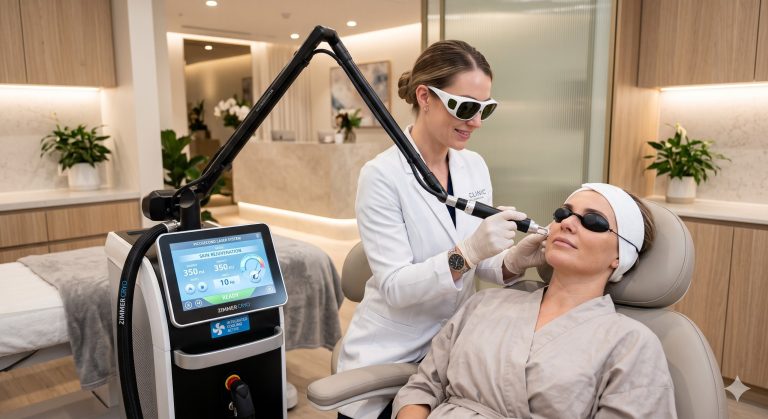
The primary clinical difference lies in their target chromophore and ablation mechanism. The 2940nm wavelength is highly absorbed by water, making it an ablative laser that vaporizes the epidermis and superficial dermis for skin resurfacing. Conversely, the 1550nm wavelength is a non-ablative fractional laser that penetrates deeper into the dermis while preserving the epidermis, heating water in a pixelated pattern to stimulate collagen without open wounds.
Q2: Which laser is safer and more effective for treating all Fitzpatrick skin types (I-VI)?
The Erbium Glass 1550nm laser is generally safer and preferred for Fitzpatrick skin types IV-VI due to its non-ablative, fractional delivery, which significantly reduces the risk of post-inflammatory hyperpigmentation (PIH). While the 2940nm YAG is safe for lighter skin (I-III), its ablative nature increases the risk of PIH in darker skin tones, requiring careful energy adjustments and longer downtime.
Q3: What is the expected handpiece lifespan and shot count for each laser system?
The typical lifespan of a high-quality Erbium Glass 1550nm handpiece is rated for 100,000 to 150,000 shots, whereas an Erbium YAG 2940nm handpiece generally lasts for 100,000 to 200,000 pulses. This variation depends on the manufacturer’s engineering and the energy settings used clinically. It is crucial to factor in the cost of replacing these consumables (handpieces) into your clinic’s operational budget, typically ranging from $800 to $2,500 USD per unit.
Q4: What are the average treatment sessions and clearance rates for common indications?
For skin resurfacing and deep wrinkles, Erbium YAG typically requires 1-3 sessions with a single-session clearance rate of 50-70%. For melasma and textural improvement, the Erbium Glass 1550nm usually demands a series of 3-5 sessions, achieving a 60-80% cumulative clearance rate due to its dermal remodeling effect. Setting these expectations with patients is vital for satisfaction and retention.
Q5: What is the clinical ROI and consumable cost structure for a clinic?
The Erbium Glass 1550nm system often provides a faster ROI due to its minimal downtime and ability to treat a broader range of skin types, allowing for higher patient throughput. However, the Erbium YAG commands a higher price per session for deep resurfacing. Consumable costs are primarily the handpiece, which should be amortized over the shot count. Both systems have a typical clinic payback period of 6-18 months when properly marketed for the right indications.
Q6: What are the key maintenance protocols for these laser machines?
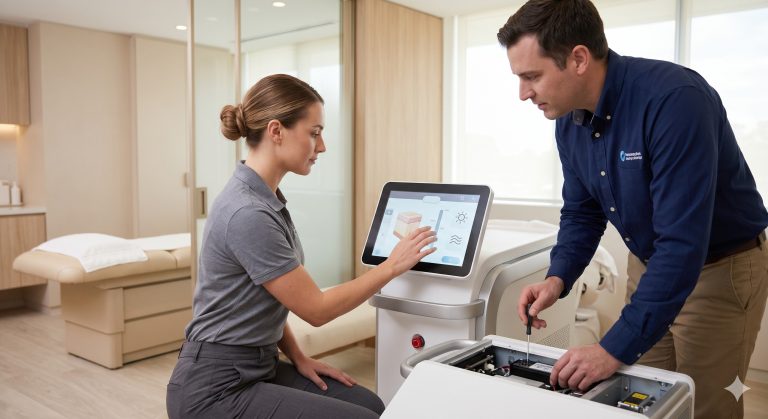
Critical maintenance for both systems includes checking the water circulation system daily to ensure proper thermal regulation, and cleaning the optical windows to maintain output energy. Specific to the Erbium YAG, regular calibration of the energy meter is essential. For the Erbium Glass, ensuring the contact cooling system is functional is vital for patient safety. A comprehensive maintenance schedule is required to maintain FDA/CE compliance and device longevity.
Q7: How does the cooling system work for patient comfort on these devices?
For non-ablative Erbium Glass systems, an advanced contact cooling or dynamic cooling device (DCD) is used to cool the epidermis before, during, and after the laser pulse, effectively blocking thermal pain. For ablative Erbium YAG, while some cooling is used, the pain is typically managed with topical or local anesthesia due to the tissue vaporization. The 1550nm system is often preferred for painless or near-painless treatments, enhancing patient retention.
Q8: What operational training and technical support are included for clinic staff?
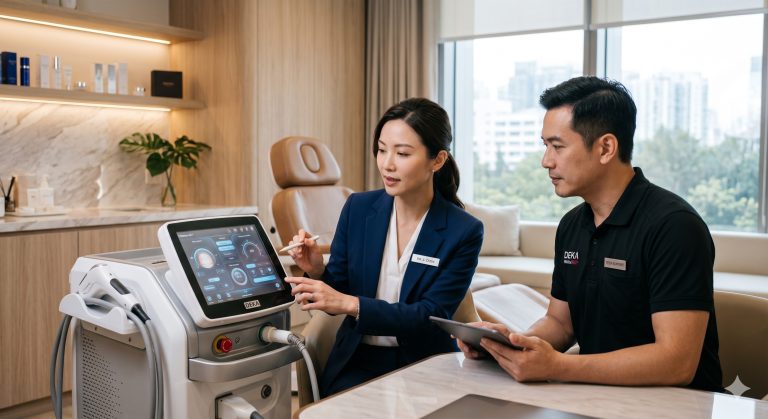
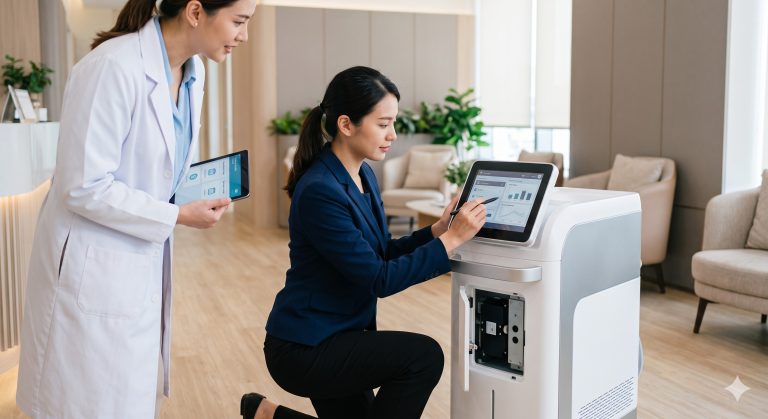
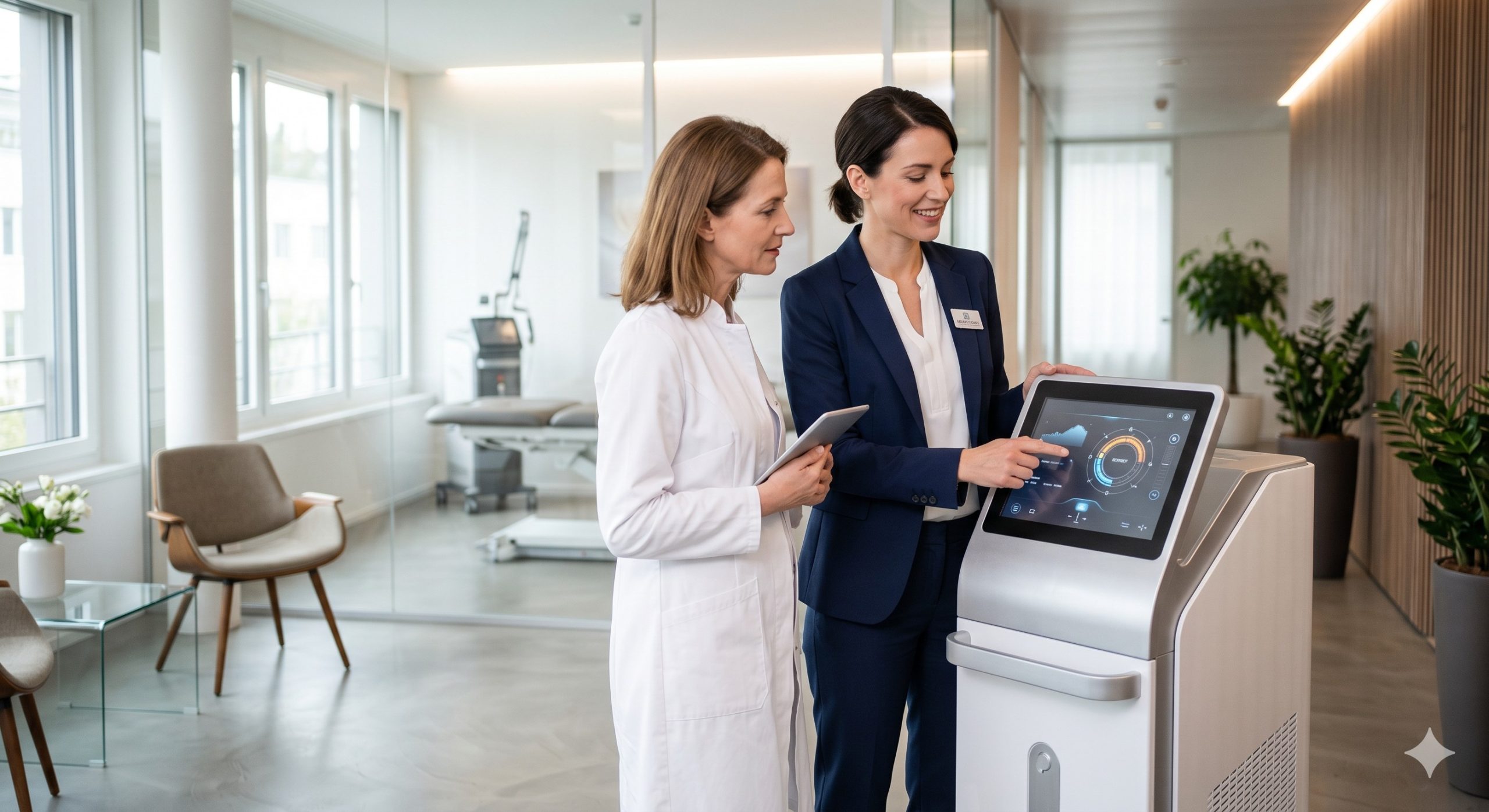
Reputable suppliers provide comprehensive on-site or virtual training covering smart touchscreen UI operation, preset protocol selection, and parameter adjustments for different skin types. Post-sales support should include a dedicated technical support hotline, access to an online troubleshooting guide, and a clear warranty structure for the laser source and optics. This is critical for safe and effective clinical integration.