LVA Dual Thulium Laser FAQ: Expert Answers for Aesthetic Clinics & Dermatologists
Overview
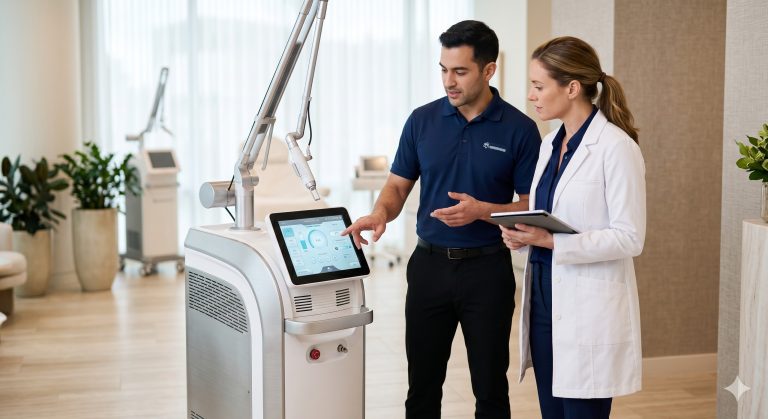
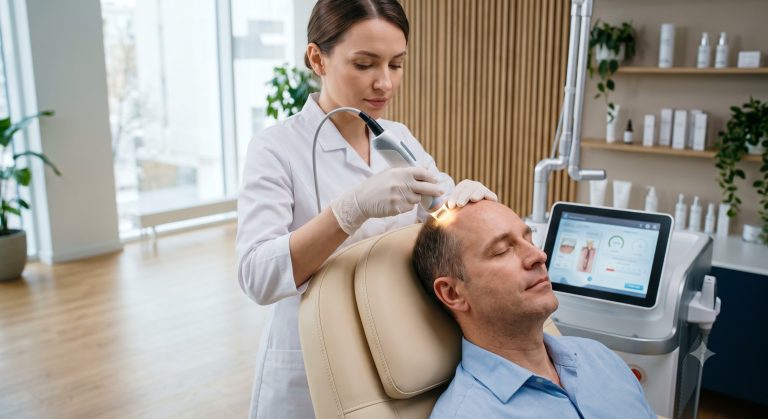
The LVA dual thulium laser platform represents a significant advancement in medical aesthetics, combining two distinct thulium wavelengths (1927nm and 1940nm) within a single device for superior epidermal and dermal resurfacing, pigmentation treatment, and skin rejuvenation. This FAQ addresses the most critical pre-sales and post-sales questions from B2B clinic buyers, technical support engineers, and dermatologists.
Frequently Asked Questions
Q1: Is LVA dual thulium laser technology suitable for all Fitzpatrick skin types?
Yes, the LVA dual thulium laser is clinically safe and effective for Fitzpatrick skin types I through VI. Unlike older ablative lasers that carry high post-inflammatory hyperpigmentation risk in darker skin tones, the dual thulium wavelengths operate in a fractional, non-ablative to micro-ablative mode. This allows for precise epidermal renewal with minimal thermal diffusion into the dermis, reducing the risk of dyschromia. For types V-VI, lower energy densities and wider spot sizes are recommended, and the integrated contact cooling system further protects the basal layer.
Q2: What is the typical handpiece shot lifespan, and what are the consumable replacement costs?
The LVA dual thulium handpiece delivers a minimum of 1.5 million effective pulses before requiring replacement under normal clinical use (tested to 2 million pulses). Consumables are limited to the handpiece itself and the distilled water circuit filters. There are no disposable tips or patient-specific consumables, making the per-treatment cost exceptionally low—approximately $0.50 to $1.50 per patient session depending on treatment area and pulse count. Handpiece replacement costs typically range from $1,800 to $2,500, translating to less than $0.002 per pulse.
Q3: How does LVA dual thulium compare to legacy CO2 and erbium YAG lasers for clinic investment?
The LVA dual thulium offers superior safety and faster patient recovery with comparable clinical efficacy for pigmentation, texture, and mild rhytides. Key advantages include: reduced downtime (1-3 days versus 7-14 days for CO2), lower anesthesia requirements (topical only versus nerve blocks), and virtually no risk of pinpoint bleeding or prolonged erythema. While CO2 remains superior for deep cicatricial scars, the dual thulium platform treats a broader patient base (including summer-treated patients) and generates higher patient throughput due to shorter room turnover times. Typical ROI payback period is 4-8 months in a busy med spa vs 9-14 months for legacy CO2.
Q4: What advanced cooling mechanisms are integrated into the LVA dual thulium system?
The LVA platform employs a dual-layer sapphire contact cooling system with thermoelectric regulation, maintaining an epidermal tip temperature of -4°C to +2°C continuously throughout the laser pulse. This is not a post-cooling spray; it is real-time conductive cooling that protects the stratum corneum and melanocytes while allowing thermal energy to reach target chromophores in the dermis. The system includes automatic temperature feedback: if skin impedance rises above a preset threshold, the laser fluence is dynamically reduced to prevent thermal injury.
Q5: What are the maintenance protocols for the water circulation and thermal regulation system?
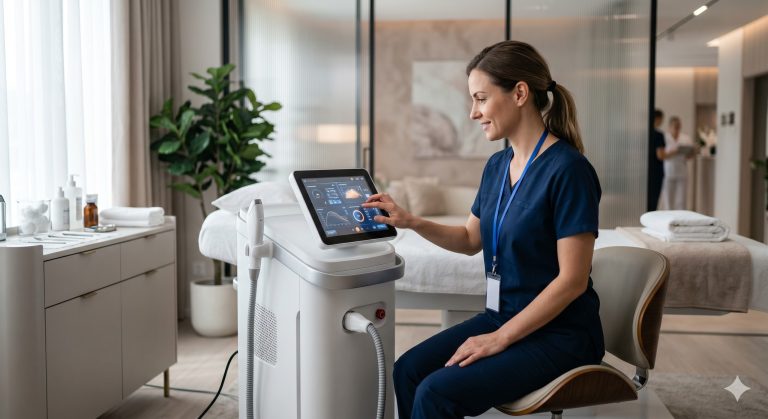
The LVA dual thulium requires distilled water circulation system inspection and filter replacement every 500 operating hours or quarterly, whichever comes first. Standard protocol: (1) Power off and disconnect mains, (2) Drain the closed-loop circuit using the rear access port, (3) Replace the inline particulate filter (SKU: LVA-FLT-01), (4) Refill with 4L of medical-grade distilled water, (5) Run the self-priming cycle from the UI service menu. The thermal regulation pumps have a rated lifespan of 8,000 hours. Annual professional maintenance by certified technicians includes flow rate calibration (target 1.2-1.5 L/min) and thermistor accuracy verification.
Q6: What training, warranty, and compliance certifications are included with the LVA system?
The LVA dual thulium laser carries Medical CE (Class IIb), FDA 510(k) clearance for soft tissue coagulation and dermatological resurfacing, and ISO 13485 manufacturing certification. Standard B2B warranty: 24 months on the laser mainframe and generator, 12 months or 1.5M pulses (whichever first) on the handpiece. Included clinical training: 2 full days on-site or via AR remote support for up to 3 operators, covering Fitzpatrick treatment parameters, patch testing protocols, adverse event management, and maintenance verification. Extended warranty and annual service contracts are available at 8-12% of device cost per annum.
Q7: What are the common error codes and troubleshooting steps for output optimization?
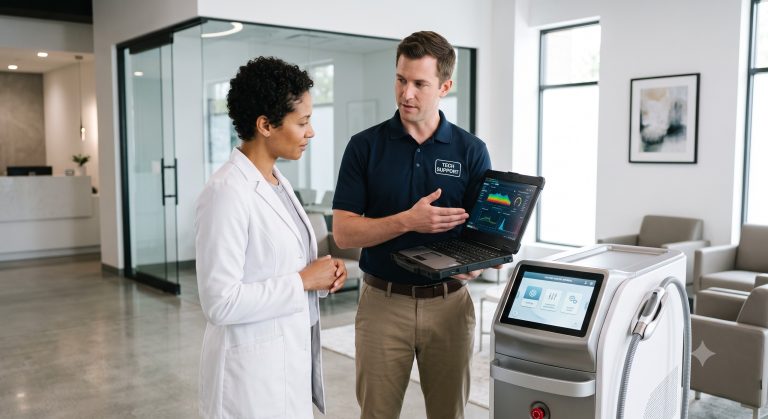
Most common error: ‘E-17: Flow deviation’ indicates air bubbles or low distilled water. Solution: run the purge cycle (Settings > Service > Purge) for 90 seconds. Second most common: ‘E-42: Energy mismatch’ occurs when the handpiece window is soiled or cracked. Troubleshooting: inspect the sapphire window with a loupe; clean with isopropyl alcohol and a lint-free wipe. If cracked, replace handpiece. For gradual output decline (e.g., 5-10% below set fluence), recalibrate using the external energy meter port and the built-in calibration routine. Always verify that the room ambient temperature is between 18-26°C; the laser’s PSU derates above 28°C.
Q8: What is the clinical ROI and payback period for a clinic purchasing the LVA dual thulium?
Based on current US and EU clinic data, the LVA dual thulium generates a median gross profit per full-face treatment of $185-$320 (average charge $450-$600, consumable cost ~$2, labor ~$65). At 12-15 full-face treatments per week (conservative), weekly gross profit ranges $2,220-$4,800. Assuming a device purchase price of $38,000-$52,000, the payback period is 4-8 months. Higher throughput clinics offering combination packages (dual thulium + RF microneedling) report ROI within 3 months. Key profit drivers: no disposable tips, minimal downtime so patients return to work quickly, and the ability to treat summer-active patients without extended sun avoidance.