Non-Invasive Face Lift Machine: The Ultimate 2026 Clinic Guide to Technology, Safety & ROI
Introduction: Solving Clinic Inefficiencies and Patient Discomfort
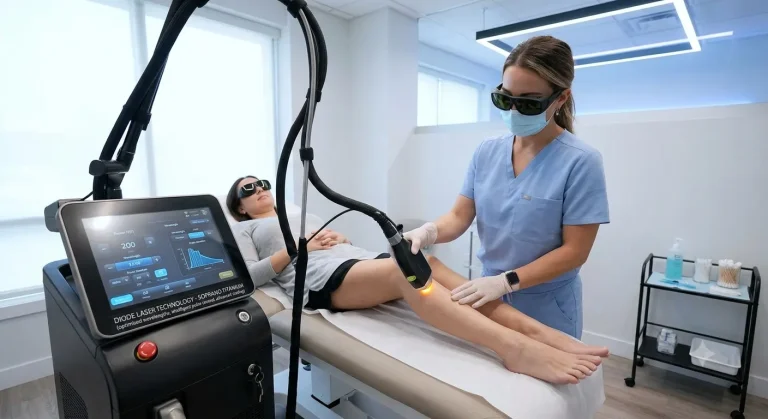
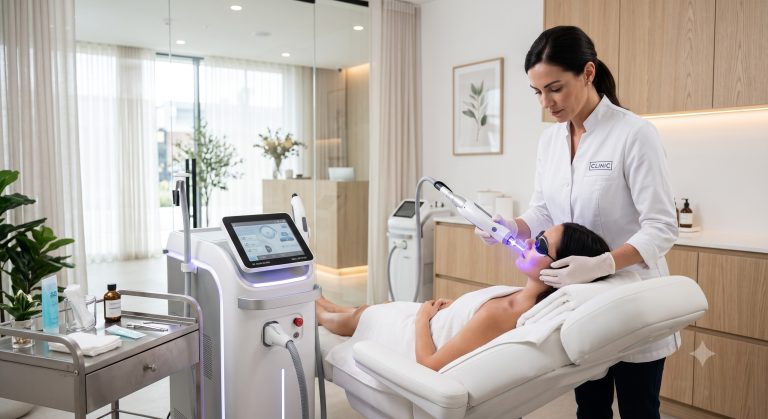
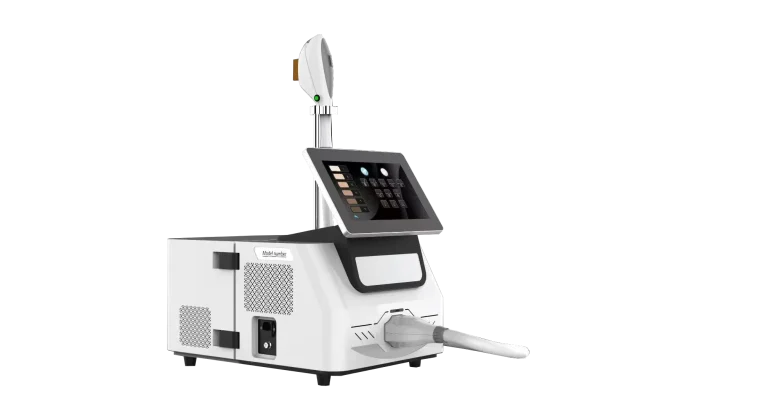
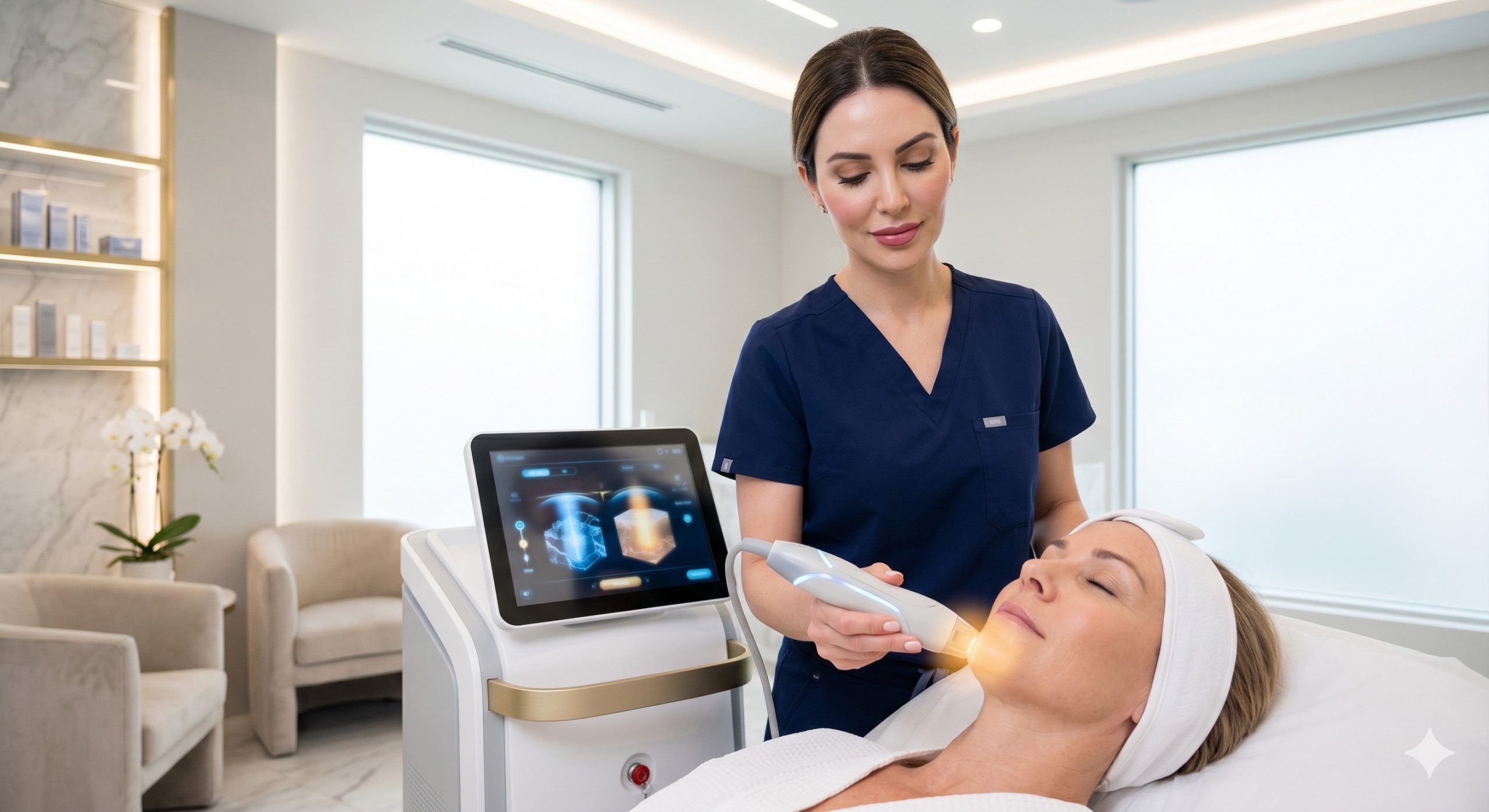
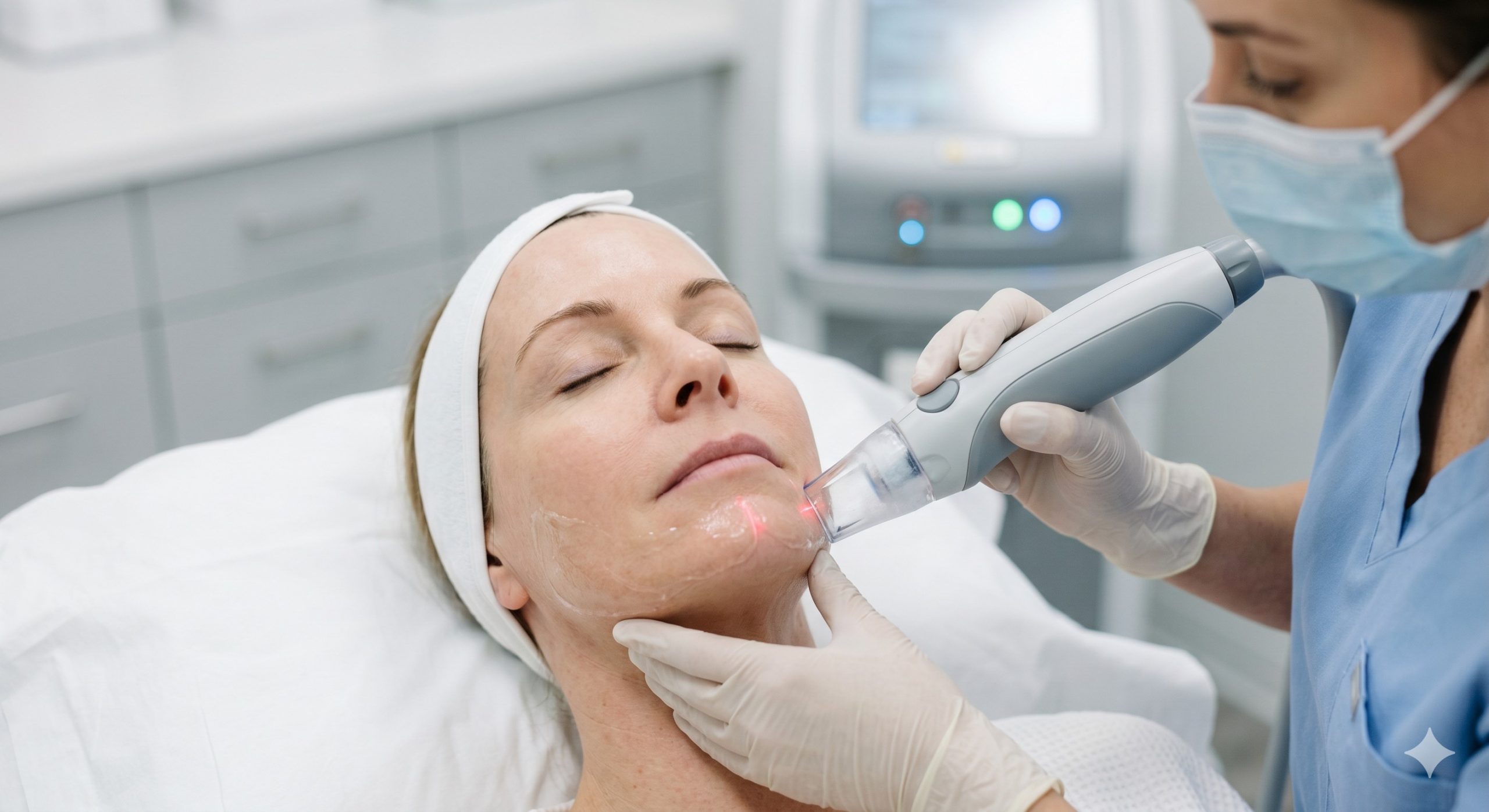
For years, aesthetic clinics have faced a critical trade-off: offer effective facial lifting with significant patient downtime and discomfort (surgical or RF needling) or provide comfortable, zero-recovery treatments with suboptimal, transient results. Low-level laser therapy wands and microcurrent devices often fail to achieve the dermal contraction and neocollagenesis required for a clinically meaningful non-invasive face lift. The modern solution is a medical-grade non-invasive face lift machine that combines high-power diode laser energy (755nm/808nm/1064nm) with advanced contact cooling—delivering surgical-like lifting without epidermal damage. This article provides a clinical deep dive into the technology, specifications, and business case for acquiring a non-invasive face lift machine for your practice.
Core Technology & Clinical Efficacy: Beyond Surface Heating
Selective Photothermolysis for Deep Dermal Coagulation
A clinically valid non-invasive face lift machine leverages selective photothermolysis but targets water in the dermis (not melanin or hemoglobin). Using a 1064nm Nd:YAG or high-power 808nm diode laser, energy penetrates 3-5mm into the reticular dermis. The target temperature for collagen denaturation and immediate fiber contraction is 60°C–70°C, achieved with fluences of 20–40 J/cm² and pulse widths of 10–100 ms. This triggers neocollagenesis over 3-6 months, producing progressive skin tightening and lift.
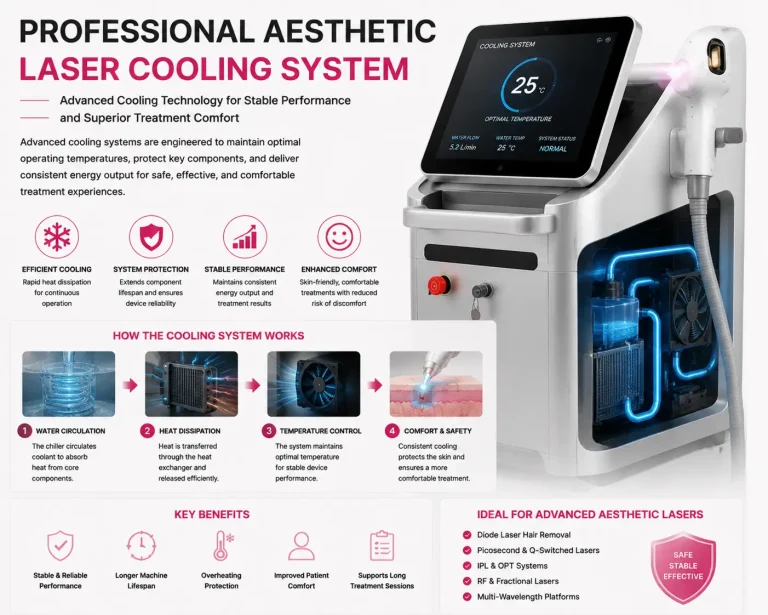
Advanced Cooling Systems: The Key to Safety & Comfort
Without cooling, epidermal temperatures exceed 55°C within milliseconds, causing burns. Professional non-invasive face lift machines integrate TEC (Thermoelectric Cooling) with Sapphire contact cooling windows achieving 0°C to 4°C surface temperature. Real-time impedance monitoring ensures energy is only delivered when skin contact is optimal. This allows high fluence (up to 50 J/cm²) painlessly, enabling Fitzpatrick skin types I-V treatment without pre-cooling gels.
Technical Specifications: What Defines a Clinical-Grade System
When evaluating a non-invasive face lift machine, your clinic requires verifiable metrics. Below are the minimum performance standards for medical CE and FDA-cleared devices:
| Key Parameter | Technical Specification |
|---|---|
| Wavelength / Laser Type | 808nm Diode Laser or 1064nm Nd:YAG (dual-wavelength preferred for Fitzpatrick IV-V) |
| Energy Density / Fluence | 30 – 50 J/cm² (clinical minimum for dermal coagulation) |
| Spot Size | 12mm – 25mm diameter (large spot reduces scattering, increases depth) |
| Pulse Width | 30 – 100 ms (optimized for thermal relaxation time of dermis) |
| Cooling System | TEC + Sapphire contact cooling with real-time skin temperature monitoring (0°C–4°C) |
| Repetition Rate | 1 – 10 Hz (adjustable for scanning speed) |
| Penetration Depth | 3 – 5 mm (reticular dermis target) |
| Safety Certifications | Medical CE (Class IIb), FDA 510(k) clearance, ISO 13485 |
Energy Density & Spot Size Dynamics
A larger spot size (≥ 15mm diameter) reduces light scattering and increases penetration depth. The optimal fluence for face lifting is 30–40 J/cm², delivered over a pulse width of 30-60ms. Combined with a repetition rate of 1-2 Hz, a full face treatment (800-1200 shots) takes under 20 minutes—dramatically improving patient throughput.
Treatment Areas & Indications
The modern non-invasive face lift machine is indicated for mild to moderate skin laxity on Fitzpatrick skin types I-V. Key treatment zones include:
- Lower face & jawline: Reduction of jowls and marionette lines.
- Submental area (double chin): Non-invasive fat coagulation and skin tightening.
- Periorbital region: Brow lift and reduction of upper/lower eyelid hooding (using small spot size adapters).
- Neck & décolletage: Horizontal neck line improvement and crepey skin correction.
Contraindications include active infection, recent filler within 4 weeks, and Fitzpatrick VI skin without test spot. Typical protocol: 3 sessions spaced 4 weeks apart, then annual maintenance.
Clinic ROI & Competitive Advantage: Why Legacy Alternatives Fail
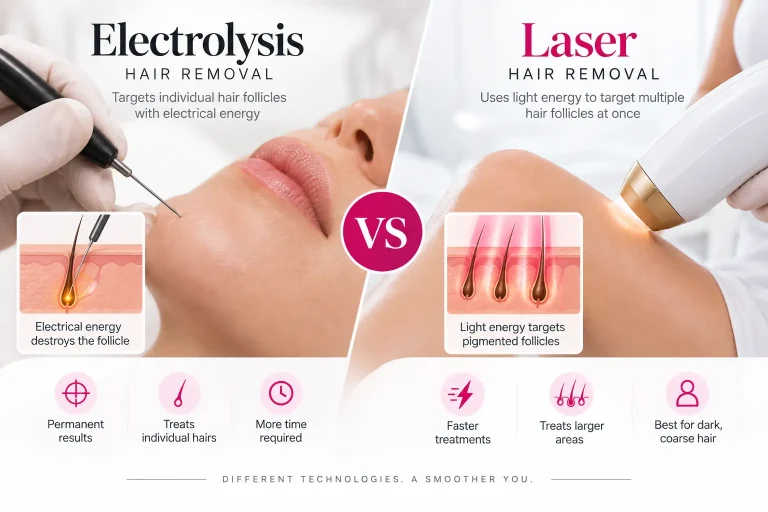
High-Intensity Focused Ultrasound (HIFU) vs. Laser Lifting
HIFU causes deep thermal coagulation points at 4.5mm, but pain is significant (often requiring nerve blocks), and results are focal. A non-invasive face lift machine with large spot scanning delivers homogeneous volumetric heating, eliminating skipped areas and reducing patient pain scores from 7/10 (HIFU) to 2/10.
Consumable Costs & Speed
Unlike fractional RF that requires single-use tips ($50-$150 per patient), laser-based non-invasive face lift machines have zero consumables—only the sapphire window cleaned with disinfectant. With 20-minute treatments, a single operator can treat 3-4 patients per hour. At $400-$600 per session, daily revenue exceeds $4,000. Payback period on a $45,000 medical laser: under 6 months for a mid-volume clinic.
Regulatory & Certification Advantage
Market with confidence: Demand ISO 13485 manufacturing certification and Medical CE (Class IIb) or FDA 510(k) clearance specifically for “non-invasive dermatological laser for skin tightening and face lift.” Avoid “cosmetic only” devices that lack clinical data.
Conclusion: The Future of Aesthetic Business Growth
The non-invasive face lift machine represents the convergence of clinical efficacy, patient comfort, and operational profitability. As patients increasingly reject downtime and seek natural, progressive results, clinics equipped with diode or Nd:YAG-based lifting platforms will dominate the facial rejuvenation market. Invest in a non-invasive face lift machine that offers validated parameters (755nm/808nm/1064nm, ≥ 40 J/cm², sapphire cooling, and ≥ 15mm spot size). Your ROI, patient satisfaction, and clinical reputation will follow.