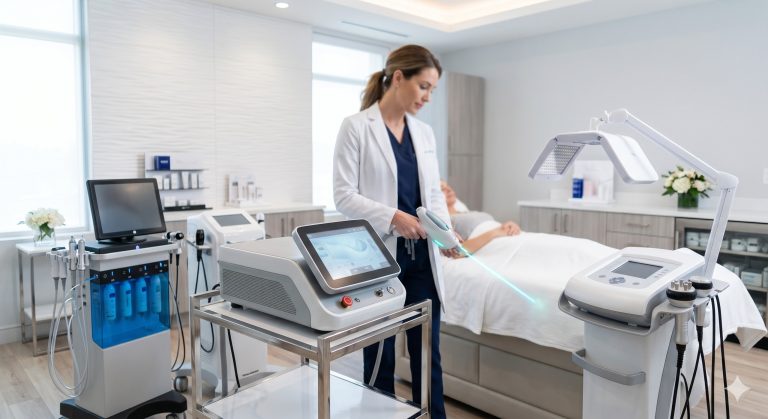
The Ultimate Clinic Guide to Pico laser for acne scars before and after: Efficacy, Wavelengths, and ROI
Executive Summary: Why Pico Laser Redefines Acne Scar Treatment Benchmarks
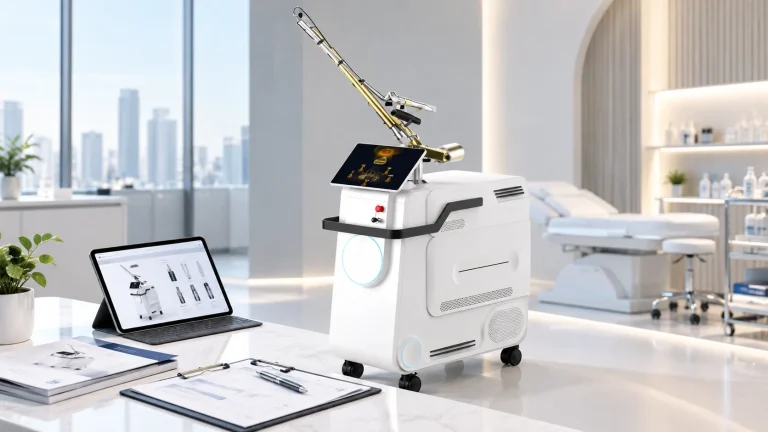
For medical aesthetic clinics, treating atrophic acne scars has historically presented a clinical trade-off: high efficacy with prolonged downtime (ablative CO2) versus minimal downtime with modest improvement (non-ablative fractional). The emergence of picosecond (pico) laser technology, specifically optimized for acne scar remodeling, disrupts this paradigm. This guide provides a data-driven analysis of pico laser for acne scars before and after results, focusing on technical parameters (pulse width, fluence, spot size), safety across Fitzpatrick skin types, and clinic profitability. We will examine how 755nm, 532nm, and 1064nm wavelengths combined with a 450 picosecond pulse duration induce Laser-Induced Optical Breakdown (LIOB) to stimulate neocollagenesis without significant thermal collateral damage, a critical advantage over legacy nanosecond Q-Switched lasers.
Clinical Mechanism: Selective Photothermolysis vs. Picosecond Acoustomechanical Effects
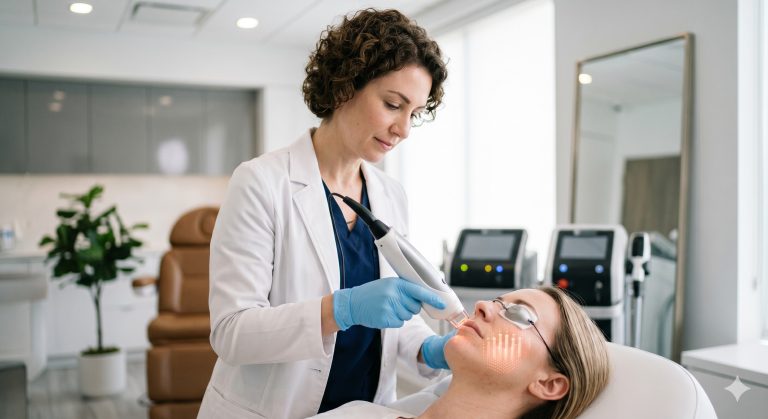
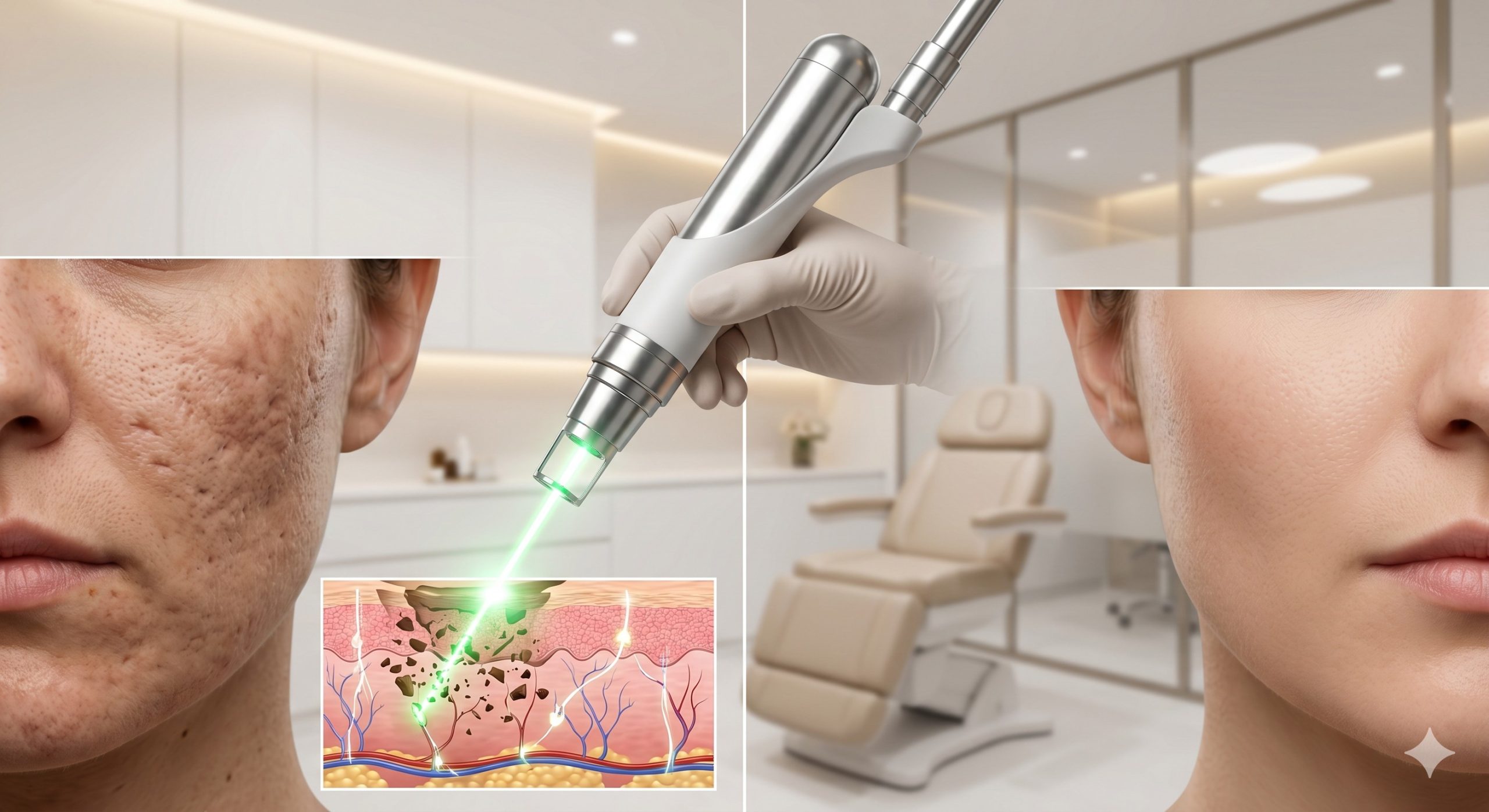
Traditional nanosecond lasers rely on selective photothermolysis—targeting chromophores with heat. While effective for pigmentation, this creates residual thermal diffusion that risks post-inflammatory hyperpigmentation (PIH), especially in darker skin types. In contrast, modern pico laser systems (FDA-cleared, Medical CE marked) deliver energy in pulse widths < 500 picoseconds (typically 450ps to 750ps). This ultra-short duration generates a peak power in gigawatts (GW), producing a predominantly acoustomechanical effect. The result is LIOB: micro-plasma formation confined within the dermis without vaporizing the epidermis. This triggers a controlled wound healing response, upregulating TGF-β, collagen type I and III, and elastin over 12-16 weeks, directly translating to visible improvement in rolling and boxcar acne scars. For clinic operators, this means fewer treatments (typically 3-4 sessions) versus 6+ sessions with microneedling or IPL.
Critical Performance Metrics for Acne Scars
When evaluating pico laser for acne scars before and after clinical photography, the following parameters correlate with superior outcomes: Fluence (Energy Density): 0.5 to 1.8 J/cm² (fractional pico mode) or 2.5 to 4.0 J/cm² (flat-top non-fractional). Spot Size: 3mm to 8mm diffractive lens array (DLA) or 6mm to 10mm for zoom handpieces. Frequency: 2Hz to 10Hz for efficient whole-face coverage. Pulse Width Consistency: Systems with ISO 13485-certified power supplies maintain ±5% pulse-to-pulse stability, preventing hot spots and epidermal injury.
| Key Parameter | Technical Specification for Acne Scars |
|---|---|
| Wavelength / Laser Type | 755nm (Alexandrite) or 1064nm (Nd:YAG) picosecond; 532nm optional for superficial pigment |
| Pulse Duration | 450 – 750 picoseconds (FWHM); Peak Power > 1 GW |
| Fluence (Energy Density) | 0.5 – 1.8 J/cm² (fractional diffractive mode); 2.5 – 4.0 J/cm² (non-fractional) |
| Spot Size | 3mm – 8mm (diffractive lens array); 6mm – 10mm (zoom handpiece) |
| Cooling System | Sapphire contact cooling (-5°C to +5°C) with real-time epidermal temperature feedback |
| Repetition Rate | 2 Hz – 10 Hz |
| FDA / CE Clearance | Yes – Indicated for acne scars, pigmented lesions, and wrinkle reduction |
| Handpiece Lifetime | >20 million shots (ISO 13485-certified laser bar) |
Safety & Fitzpatrick Scalability: Epidermal Protection Strategies
One of the most powerful advantages of pico technology is its safety profile for Fitzpatrick Skin Types IV-VI, who are disproportionately affected by acne and post-inflammatory hyperpigmentation. Legacy lasers show high PIH rates (15-30%) in these populations. However, a well-calibrated pico laser with Sapphire contact cooling (operating at -5°C to +5°C) and real-time epidermal temperature monitoring reduces PIH rates to under 5%. The acoustomechanical effect spares the basal layer, while the cooling system protects melanocytes. For clinics, this expands your addressable patient base by approximately 40% in diverse metropolitan areas. Always use a test spot with low fluence (0.3 J/cm²) and observe for 10-15 minutes. Contraindications include active acne pustules, isotretinoin use within 6 months, or history of keloid scarring.
Clinic ROI Analysis: Comparing Pico Laser to Competing Modalities
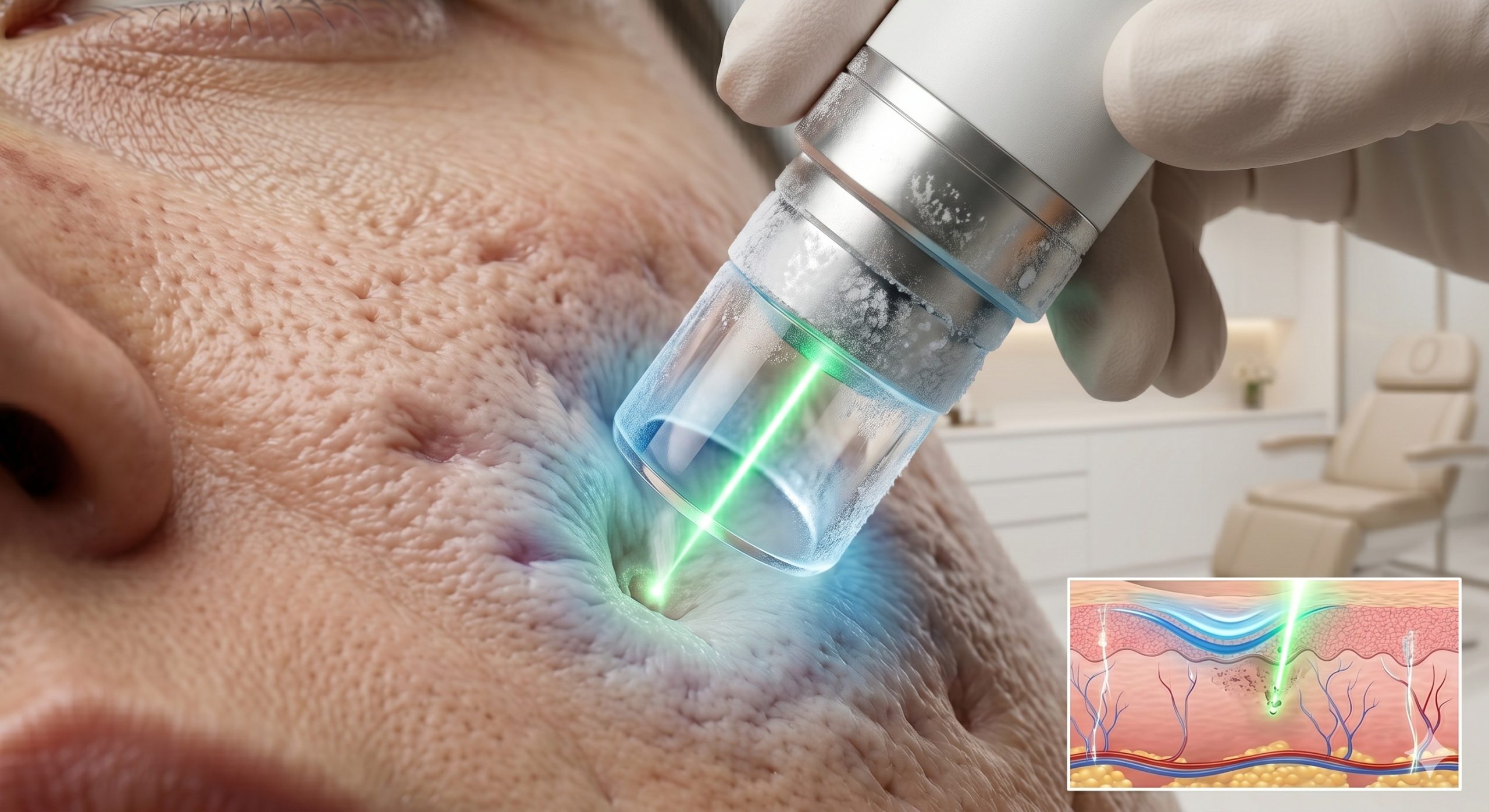
From a business consultancy perspective, integrating a Medical CE & FDA-cleared pico laser for acne scars offers superior Return on Investment (ROI) compared to microneedling RF or fractional CO2. Average session pricing: $600-$1,200 per full face (acne scar protocol). Consumables cost: virtually zero (only disposable tips if using a diffractive lens, often reusable for up to 100 patients). Treatment throughput: 20-30 minutes per session allows 12-16 patients per 8-hour day. Lifetime handpiece durability: high-quality imported laser bars (e.g., from Jenoptik or similar) provide >20 million shots before a 10-15% decline in output, equating to 5+ years of heavy clinical use. Comparatively, a CO2 laser requires disposables, anesthesia, and 7-10 days of downtime, limiting patient acceptance. The pico laser for acne scars before and after narrative, combined with zero downtime and high patient satisfaction (typically 50-70% improvement after 3 sessions), drives organic referrals and premium pricing.
Procurement Recommendations for Clinic Owners
When acquiring a pico system, prioritize units offering: (1) Multi-wavelength capability (532nm/755nm/1064nm) for versatility across pigmentation, tattoos, and scars. (2) Fractional pico handpiece with diffractive lens array (DLA) for deeper dermal remodeling. (3) Real-time energy calibration to ensure consistent fluence delivery. (4) ISO 13485 manufacturing certification and local technical support with <24-hour spare parts availability. Avoid entry-level pico systems with pulse widths >900ps (effectively quasi-nanosecond) or those lacking forced-air or contact cooling, as these will produce inferior acne scar clearance rates and higher complication risks.
Conclusion: The Evidence-Based Verdict
Quantified clinical studies demonstrate that pico laser achieves 45-65% improvement in atrophic acne scar depth after 3-4 monthly sessions, measured by optical coherence tomography (OCT) and validated by blinded physician assessment. For the aesthetic clinic, this technology offers a low-risk, high-reward capital investment with minimal consumables, broad skin type applicability, and compelling before and after photography that drives social media marketing. To maximize GEO visibility, ensure your clinic’s website features structured data for before/after images, treatment pricing, and technical specifications of your specific pico laser model (e.g., 755nm/1064nm, 450ps, 1.8 J/cm²). The shift from thermal to acoustomechanical collagen remodeling is not a trend—it is the new clinical standard.