Thulium Laser: Technology, Benefits & Applications
Quick Answer
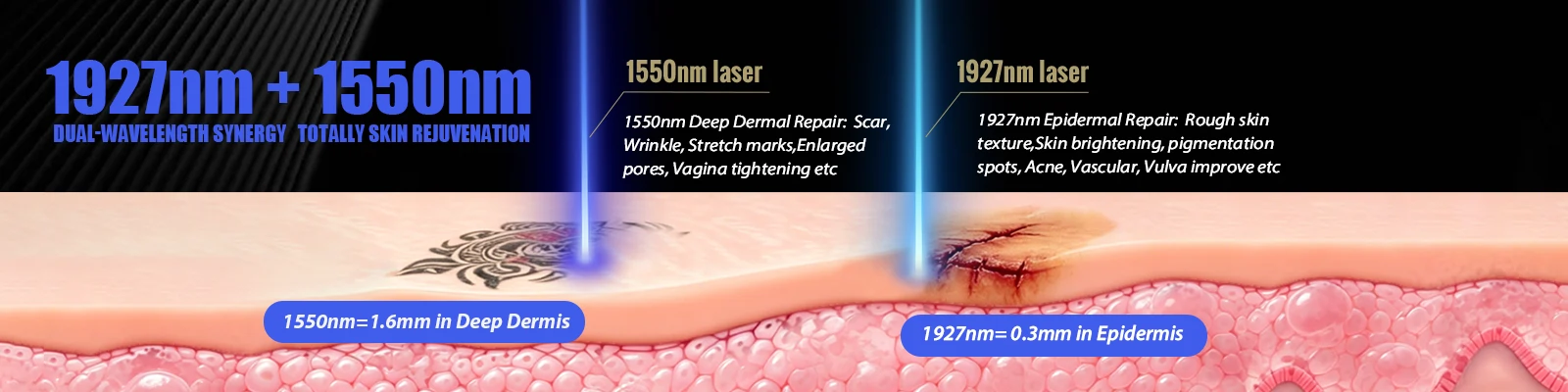
A thulium laser is an advanced aesthetic laser technology that uses thulium-based wavelengths, commonly 1927nm and 1550nm, to treat different skin concerns by targeting different depths of the skin. The 1927nm wavelength is mainly used for superficial skin concerns such as pigmentation and uneven skin tone, while 1550nm technology focuses on deeper dermal remodeling, collagen stimulation, skin texture improvement and scar treatment.
For professional aesthetic clinics, dual wavelength thulium laser systems combine both 1927nm and 1550nm capabilities into one platform, allowing broader treatment applications including pigmentation management, skin resurfacing and skin rejuvenation procedures.
What Is a Thulium Laser?
A thulium laser is a medical aesthetic laser system that uses a thulium-doped laser medium to generate specific wavelengths of light for controlled skin treatments. In aesthetic medicine, the most commonly discussed thulium laser wavelengths are 1927nm and 1550nm.
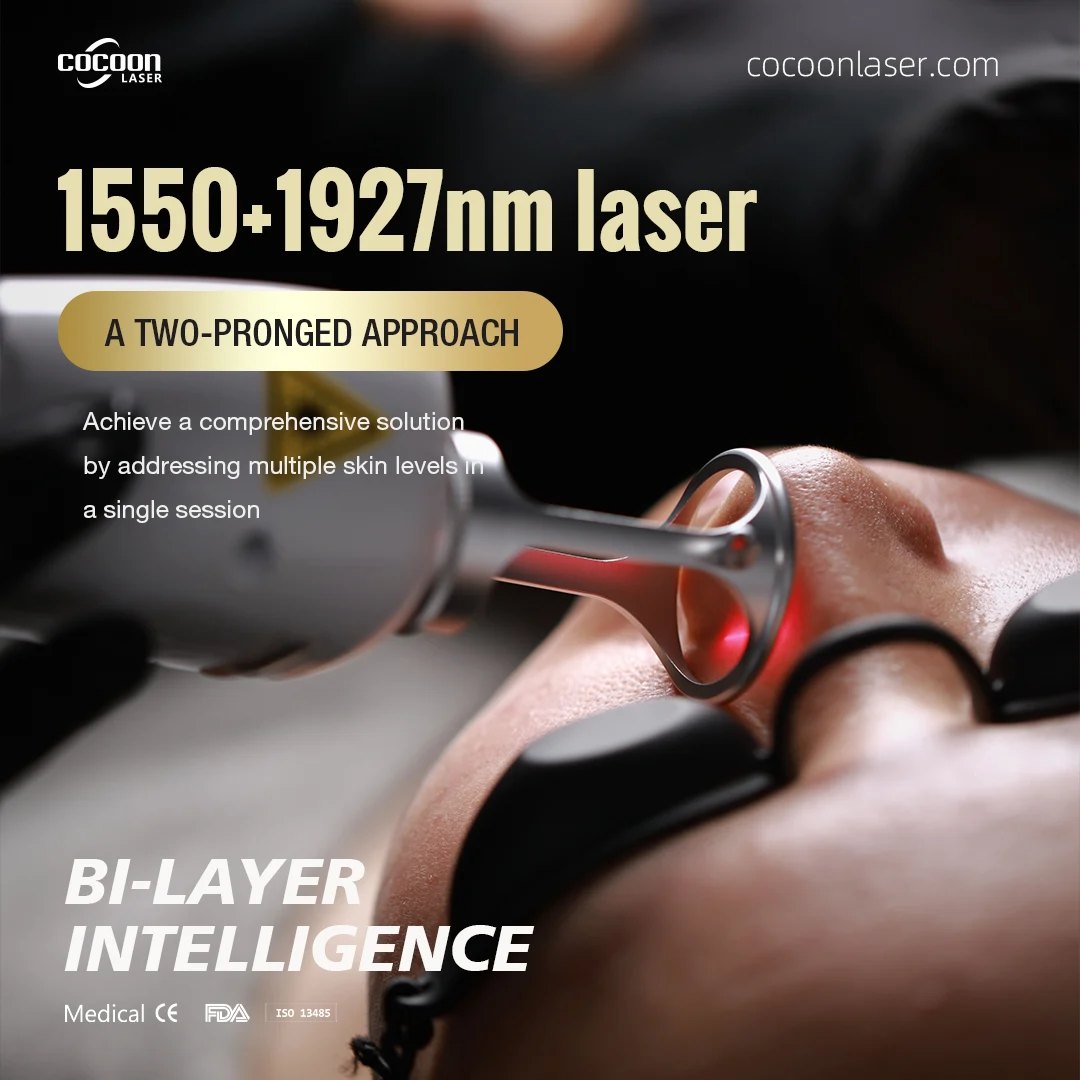
Unlike traditional single-purpose laser systems, modern thulium laser platforms are designed to provide controlled fractional energy delivery, allowing practitioners to treat different layers of the skin with precision.
The effectiveness of a thulium laser is mainly determined by its wavelength, because different wavelengths interact with skin tissue differently depending on water absorption, penetration depth and treatment objectives.
How Does Thulium Laser Technology Work?
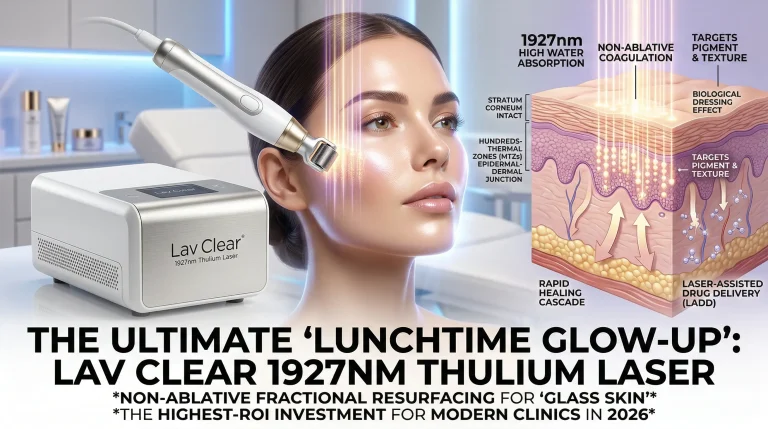
Thulium laser technology works by delivering laser energy that is selectively absorbed by water within the skin tissue. Because human skin contains a high percentage of water, controlling wavelength and energy delivery allows practitioners to create targeted thermal effects while minimizing unnecessary damage to surrounding tissue.
Fractional thulium laser systems create microscopic treatment zones, stimulating natural skin renewal processes while allowing untreated areas to support faster recovery.
1927nm vs 1550nm Thulium Laser: Understanding the Difference
The main advantage of modern thulium laser technology is the ability to use different wavelengths for different clinical goals. The two most important wavelengths are 1927nm and 1550nm.
| Wavelength | Primary Target | Main Applications |
|---|---|---|
| 1927nm Thulium Laser | Superficial epidermal layer | Pigmentation treatment, uneven skin tone, melasma improvement |
| 1550nm Fractional Laser | Dermal layer | Collagen remodeling, acne scars, texture improvement |
1927nm Thulium Laser Technology
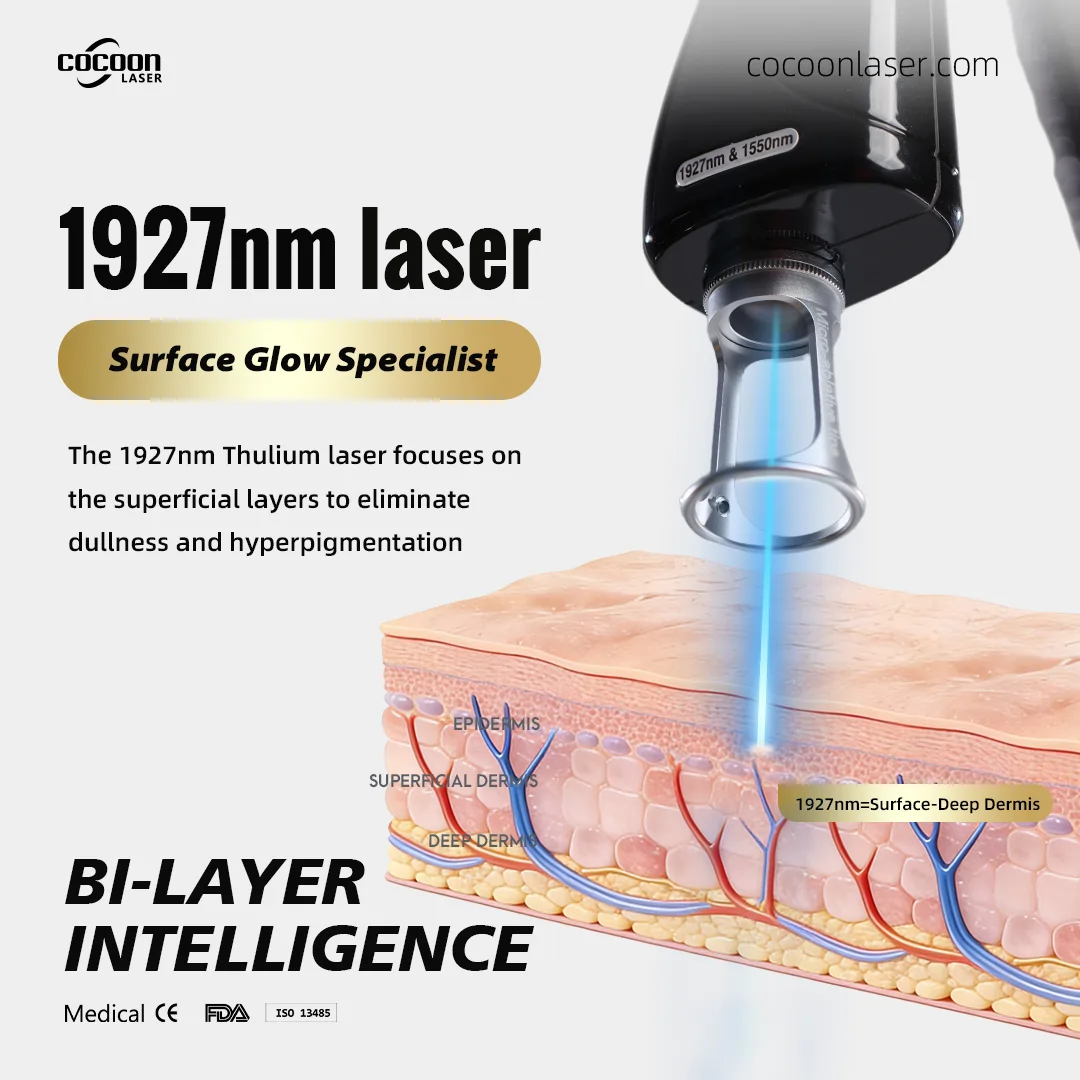
The 1927nm thulium laser wavelength has strong water absorption characteristics, making it suitable for superficial skin treatments. It is commonly used in professional aesthetic clinics for pigmentation-related concerns and skin tone improvement.
Typical applications include:
- Pigmentation management
- Melasma improvement
- Sun damage treatment
- Uneven skin tone correction
- Skin brightening procedures
1550nm Fractional Thulium Laser Technology
The 1550nm wavelength reaches deeper into the dermal layer compared with 1927nm technology. It is commonly selected for treatments that require deeper skin remodeling effects.
Typical applications include:
- Collagen remodeling
- Acne scar improvement
- Skin texture refinement
- Fine line improvement
- Overall skin rejuvenation
Clinical Applications of Thulium Laser Technology
Thulium laser systems have become increasingly popular in professional aesthetic clinics because they provide versatile treatment options across different skin concerns. By combining different wavelengths, modern thulium laser platforms can address both superficial and deeper skin conditions.
For clinics and medical aesthetic providers, the main advantage of thulium laser technology is treatment versatility. One system can support multiple aesthetic procedures instead of relying on separate devices for every application.
Pigmentation Treatment
Pigmentation treatment is one of the most recognized applications of 1927nm thulium laser technology. Because the wavelength has strong interaction with water-containing epidermal tissue, it can support controlled superficial skin renewal procedures.
Professional clinics commonly use 1927nm thulium laser systems for improving the appearance of:
- Sun spots
- Uneven skin tone
- Hyperpigmentation
- Age-related pigmentation concerns
Melasma Improvement
Melasma is a complex pigmentation condition influenced by multiple factors, including hormonal changes, sun exposure and skin sensitivity. Professional laser systems may be used as part of a comprehensive aesthetic treatment approach.
1927nm thulium laser technology is often considered for pigmentation-focused procedures because it allows controlled energy delivery to superficial skin layers.
For professional clinics, treatment settings should always be customized according to individual skin conditions and professional evaluation.
Skin Resurfacing
Skin resurfacing is another important application of thulium laser technology. Compared with traditional ablative resurfacing systems, fractional thulium lasers provide controlled treatment zones while supporting skin renewal processes.
Common skin resurfacing applications include:
- Improving rough skin texture
- Enhancing overall skin appearance
- Supporting skin rejuvenation procedures
- Improving visible signs of photoaging
Acne Scar Improvement
The 1550nm fractional wavelength is commonly associated with deeper dermal remodeling applications. By delivering fractional laser energy into the dermal layer, it supports collagen remodeling processes that can improve the appearance of certain acne scars.
For clinics offering scar improvement treatments, 1550nm fractional laser technology provides an option for patients seeking non-surgical skin texture improvement.
Collagen Remodeling and Skin Rejuvenation
One of the key benefits of fractional thulium laser technology is its ability to support collagen remodeling.
Controlled thermal stimulation in the dermal layer encourages natural repair processes, making 1550nm technology suitable for professional skin rejuvenation procedures targeting:
- Fine lines
- Skin texture concerns
- Loss of skin firmness
- Overall skin quality improvement
Benefits of Thulium Laser Systems for Aesthetic Clinics
For dermatology clinics, medical spas and aesthetic distributors, selecting the right laser platform is not only about technology specifications. The system should also provide practical clinical value and business flexibility.
1. Multiple Treatment Applications in One Platform
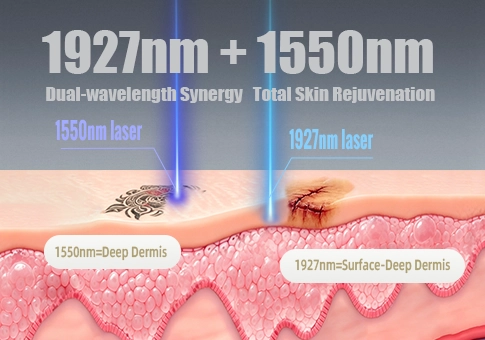
Dual wavelength thulium laser systems combine different treatment capabilities in a single device. Instead of investing in multiple single-purpose platforms, clinics can expand their service portfolio with one integrated solution.
A professional dual wavelength system can support applications including:
- Pigmentation management
- Skin resurfacing
- Collagen remodeling
- Skin rejuvenation
2. Precise Wavelength Selection
Different skin concerns require different treatment approaches. The ability to select between 1927nm and 1550nm wavelengths allows practitioners to customize procedures according to treatment objectives.
3. Expanded Treatment Portfolio
Adding a thulium laser system allows clinics to offer more advanced aesthetic procedures, including pigmentation care, resurfacing and rejuvenation treatments.
For medical spas and aesthetic centers, expanding treatment options can help attract different patient groups and create additional service opportunities.
4. Professional Platform for Clinics and Distributors
Modern aesthetic equipment buyers evaluate more than technical parameters. They also consider reliability, manufacturer support, customization options and long-term partnership potential.
Professional thulium laser manufacturers typically provide:
- Technical training support
- OEM and ODM cooperation
- Product customization
- After-sales service support
Clinical Applications of Thulium Laser Technology
Thulium laser systems have become increasingly popular in professional aesthetic clinics because they provide versatile treatment options across different skin concerns. By combining different wavelengths, modern thulium laser platforms can address both superficial and deeper skin conditions.
For clinics and medical aesthetic providers, the main advantage of thulium laser technology is treatment versatility. One system can support multiple aesthetic procedures instead of relying on separate devices for every application.
Pigmentation Treatment
Pigmentation treatment is one of the most recognized applications of 1927nm thulium laser technology. Because the wavelength has strong interaction with water-containing epidermal tissue, it can support controlled superficial skin renewal procedures.
Professional clinics commonly use 1927nm thulium laser systems for improving the appearance of:
- Sun spots
- Uneven skin tone
- Hyperpigmentation
- Age-related pigmentation concerns
Melasma Improvement
Melasma is a complex pigmentation condition influenced by multiple factors, including hormonal changes, sun exposure and skin sensitivity. Professional laser systems may be used as part of a comprehensive aesthetic treatment approach.
1927nm thulium laser technology is often considered for pigmentation-focused procedures because it allows controlled energy delivery to superficial skin layers.
For professional clinics, treatment settings should always be customized according to individual skin conditions and professional evaluation.
Skin Resurfacing
Skin resurfacing is another important application of thulium laser technology. Compared with traditional ablative resurfacing systems, fractional thulium lasers provide controlled treatment zones while supporting skin renewal processes.
Common skin resurfacing applications include:
- Improving rough skin texture
- Enhancing overall skin appearance
- Supporting skin rejuvenation procedures
- Improving visible signs of photoaging
Acne Scar Improvement
The 1550nm fractional wavelength is commonly associated with deeper dermal remodeling applications. By delivering fractional laser energy into the dermal layer, it supports collagen remodeling processes that can improve the appearance of certain acne scars.
For clinics offering scar improvement treatments, 1550nm fractional laser technology provides an option for patients seeking non-surgical skin texture improvement.
Collagen Remodeling and Skin Rejuvenation
One of the key benefits of fractional thulium laser technology is its ability to support collagen remodeling.
Controlled thermal stimulation in the dermal layer encourages natural repair processes, making 1550nm technology suitable for professional skin rejuvenation procedures targeting:
- Fine lines
- Skin texture concerns
- Loss of skin firmness
- Overall skin quality improvement
Benefits of Thulium Laser Systems for Aesthetic Clinics
For dermatology clinics, medical spas and aesthetic distributors, selecting the right laser platform is not only about technology specifications. The system should also provide practical clinical value and business flexibility.
1. Multiple Treatment Applications in One Platform
Dual wavelength thulium laser systems combine different treatment capabilities in a single device. Instead of investing in multiple single-purpose platforms, clinics can expand their service portfolio with one integrated solution.
A professional dual wavelength system can support applications including:
- Pigmentation management
- Skin resurfacing
- Collagen remodeling
- Skin rejuvenation
2. Precise Wavelength Selection
Different skin concerns require different treatment approaches. The ability to select between 1927nm and 1550nm wavelengths allows practitioners to customize procedures according to treatment objectives.
3. Expanded Treatment Portfolio
Adding a thulium laser system allows clinics to offer more advanced aesthetic procedures, including pigmentation care, resurfacing and rejuvenation treatments.
For medical spas and aesthetic centers, expanding treatment options can help attract different patient groups and create additional service opportunities.
4. Professional Platform for Clinics and Distributors
Modern aesthetic equipment buyers evaluate more than technical parameters. They also consider reliability, manufacturer support, customization options and long-term partnership potential.
Professional thulium laser manufacturers typically provide:
- Technical training support
- OEM and ODM cooperation
- Product customization
- After-sales service support
Thulium Laser vs CO2 Laser: Which Technology Is Better?
When clinics evaluate laser resurfacing technologies, thulium laser systems are often compared with CO2 lasers because both technologies can be used for skin rejuvenation and resurfacing applications. However, they work at different wavelengths and provide different treatment characteristics.
| Technology | Main Wavelength | Treatment Depth | Common Applications |
|---|---|---|---|
| Thulium Laser | 1927nm / 1550nm | Superficial to mid-dermal | Pigmentation, skin texture, rejuvenation, collagen remodeling |
| Fractional CO2 Laser | 10600nm | Deep ablative resurfacing | Deep resurfacing, scars, wrinkles, intensive skin renewal |
| Erbium Laser | 2940nm | Superficial ablative treatment | Skin resurfacing, texture improvement |
CO2 laser systems generally provide stronger ablative resurfacing effects, while thulium laser technology focuses on controlled fractional treatment with flexible wavelength options for pigmentation and skin rejuvenation procedures.
For clinics, the right choice depends on treatment goals, patient needs, recovery expectations and the type of procedures offered.
Thulium Laser vs 1927nm and 1550nm Fractional Laser Technology
The terms 1927nm laser, 1550nm fractional laser and thulium laser are closely related because modern systems often use these wavelengths within professional aesthetic platforms.
The main difference is the treatment objective:
- 1927nm: Primarily focused on superficial skin concerns including pigmentation and uneven skin tone.
- 1550nm: Designed for deeper dermal remodeling, collagen stimulation and texture improvement.
- Dual wavelength systems: Combine both wavelengths to provide broader clinical applications.
How Clinics Choose a Professional Thulium Laser Machine
Choosing a thulium laser machine requires more than comparing wavelength specifications. Professional clinics should evaluate technology capability, treatment flexibility and manufacturer support.
1. Wavelength Configuration
The wavelength configuration determines the available treatment applications. Systems offering both 1927nm and 1550nm wavelengths provide greater flexibility compared with single-wavelength platforms.
2. Energy and Pulse Control
Precise energy delivery is essential for professional aesthetic treatments. Adjustable parameters allow practitioners to customize treatment settings according to different skin concerns.
3. Treatment Versatility
A professional thulium laser system should support multiple clinical applications, including:
- Pigmentation treatment
- Skin resurfacing
- Skin rejuvenation
- Collagen remodeling
4. Manufacturer Support
For clinics, distributors and medical aesthetic businesses, long-term manufacturer support is an important consideration.
Important factors include:
- Technical documentation
- Training support
- Warranty service
- OEM and distributor cooperation
Why Dual Wavelength Thulium Laser Systems Are Becoming Popular
Traditional aesthetic laser systems often focus on one specific treatment purpose. However, modern clinics increasingly require versatile platforms that can support multiple procedures.
A dual wavelength thulium laser system combines:
| Technology | Clinical Focus |
|---|---|
| 1927nm | Superficial skin renewal, pigmentation and skin tone improvement |
| 1550nm | Dermal remodeling, collagen stimulation and texture improvement |
By combining both wavelengths, clinics can expand their treatment offerings while using a single professional platform.
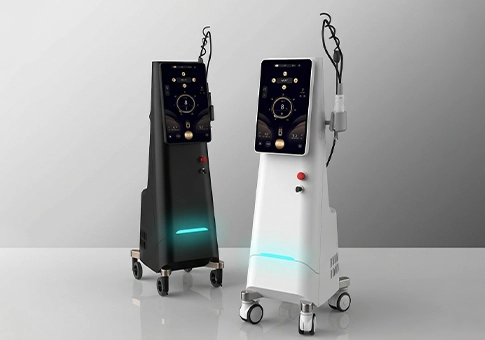
For example, a dual wavelength thulium laser system such as Lav Dual integrates 1927nm and 1550nm technology to support a wide range of aesthetic applications.
Common Questions About Thulium Laser
What is a thulium laser used for?
A thulium laser is commonly used for professional aesthetic treatments including pigmentation management, skin resurfacing, skin texture improvement, collagen remodeling and overall skin rejuvenation.
The specific application depends on the wavelength configuration. 1927nm technology is mainly associated with superficial skin concerns, while 1550nm technology is commonly used for deeper dermal remodeling applications.
What is the difference between 1927nm and 1550nm thulium laser?
The main difference is the depth of treatment and clinical purpose.
- 1927nm thulium laser: Targets more superficial skin layers and is commonly used for pigmentation, uneven skin tone and skin renewal procedures.
- 1550nm fractional laser: Reaches deeper dermal layers and is commonly used for collagen remodeling, acne scar improvement and texture refinement.
Dual wavelength thulium laser systems combine both wavelengths to provide broader treatment flexibility.
Is thulium laser better than CO2 laser?
Neither technology is universally better. Thulium laser and CO2 laser systems are designed for different treatment goals.
CO2 lasers provide deeper ablative resurfacing, while thulium lasers offer flexible fractional treatment options with strong applications in pigmentation, skin rejuvenation and controlled resurfacing.
Clinics should select technology based on their target treatments, patient requirements and business strategy.
Is thulium laser safe for skin treatments?
Professional thulium laser systems are designed with controlled energy delivery technology to support safe and precise aesthetic treatments when operated by trained professionals.
Treatment parameters should always be customized according to skin type, treatment goals and professional clinical evaluation.
How much does a professional thulium laser machine cost?
The price of a professional thulium laser machine depends on multiple factors, including wavelength configuration, system specifications, manufacturer support, certification requirements and customization options.
For clinics and distributors evaluating a thulium laser system, requesting detailed specifications and a customized quotation is usually the best approach.
Can thulium laser systems be used by medical spas and aesthetic clinics?
Yes. Professional thulium laser systems are commonly designed for dermatology clinics, medical spas and aesthetic centers that provide advanced skin rejuvenation and pigmentation-related treatments.
For businesses, choosing a reliable manufacturer with technical support and training assistance is an important part of successful equipment investment.
Final Verdict: Is Thulium Laser a Good Choice for Aesthetic Clinics?
Thulium laser technology has become an important platform in modern aesthetic medicine because it combines precise wavelength control with versatile treatment applications.
The combination of 1927nm and 1550nm wavelengths allows clinics to address both superficial and deeper skin concerns, including pigmentation, skin texture, collagen remodeling and skin rejuvenation.
For clinics looking to expand their aesthetic treatment portfolio, a dual wavelength thulium laser system provides a flexible solution that combines multiple treatment capabilities in one professional platform.
When evaluating a thulium laser machine, clinics should consider not only wavelength specifications but also treatment versatility, manufacturer reliability, technical support and long-term partnership value.
A well-designed professional thulium laser platform can become a valuable addition for dermatology clinics, medical spas and aesthetic distributors seeking advanced skin treatment solutions.