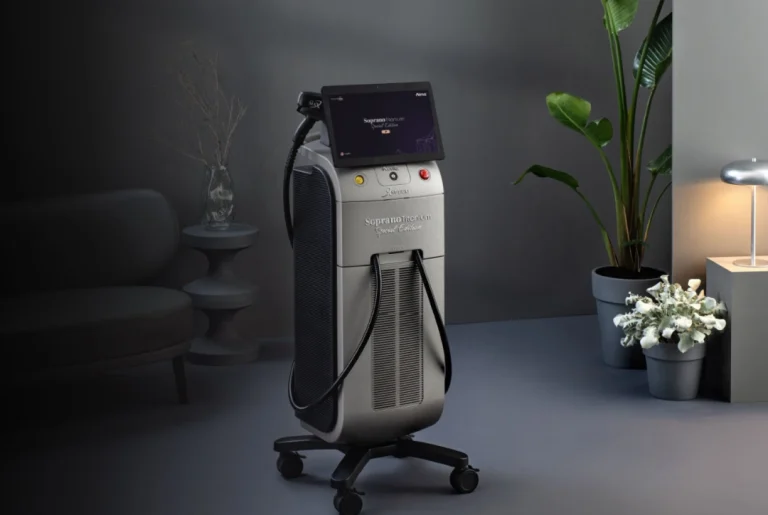
The Science of Comfort: Sapphire ICE Cooling Systems in Painless Lasers
Introduction: The #1 Barrier to Recurring Revenue is Perceived Pain
For medical aesthetic clinics, the single greatest operational friction point is not acquisition cost—it is patient retention. Industry data indicates that up to 65% of first-time laser hair removal or skin rejuvenation patients do not complete their recommended series due to anticipatory or experienced pain. Legacy IPL and early-generation diode lasers rely on topical anesthetic (LMX/EMLA) and dynamic cooling sprays, which provide inconsistent epidermal protection and do not address deep nerve fiber stimulation. This clinical guide explains how painless lasers engineered with Sapphire ICE contact cooling, optimized fluence delivery, and ISO 13485-certified power supplies solve the retention crisis by converting discomfort into a neutral or pleasant thermal sensation, directly increasing patient compliance and lifetime value.
Physical Mechanism: Why Epidermal Temperature Spikes Cause Dropout
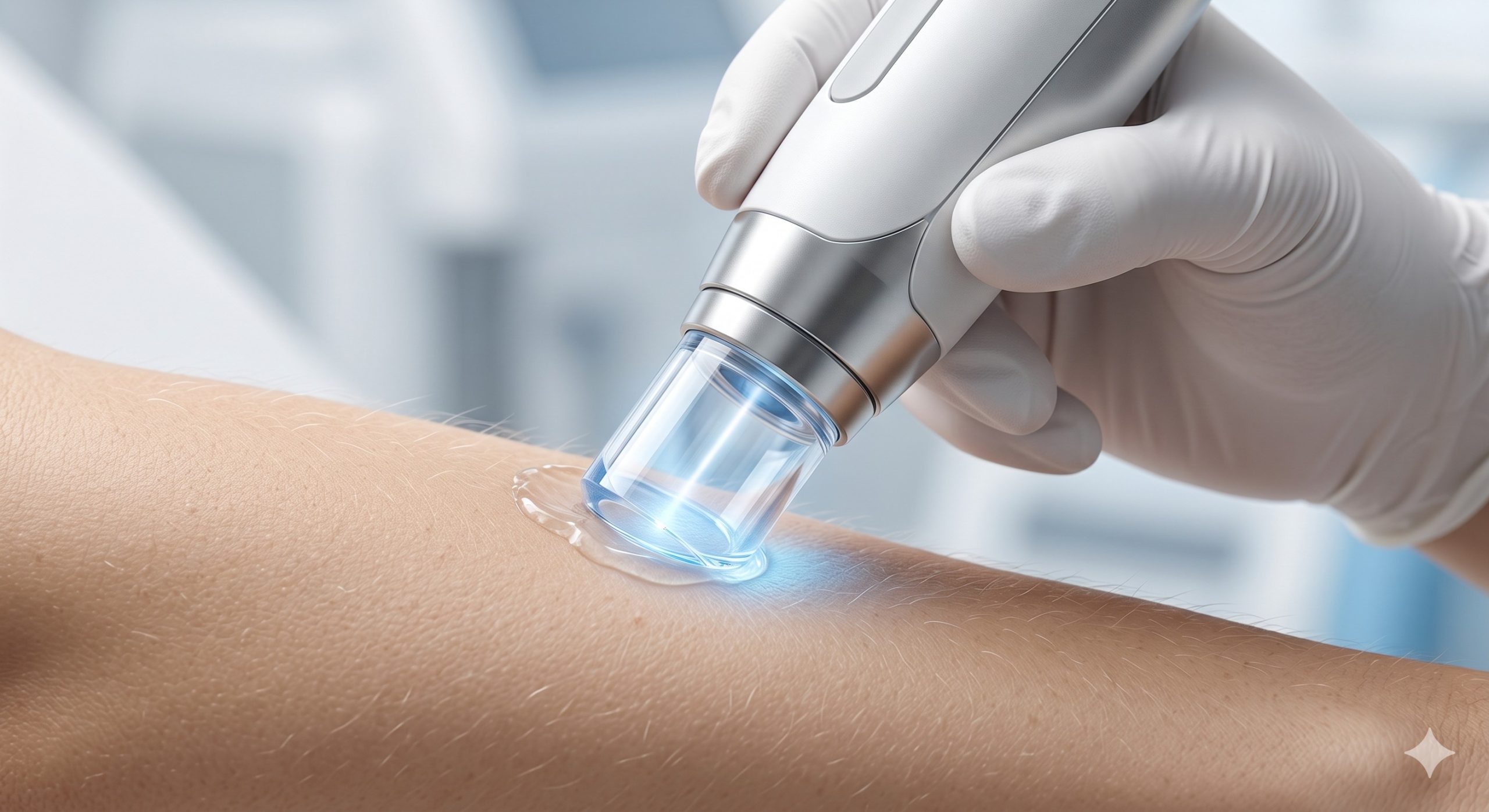
Pain during laser treatment originates from two phenomena: (1) rapid epidermal heating above the pain threshold (45°C) triggering Type Aδ nociceptors, and (2) thermal diffusion to dermal nerve endings when pulse widths exceed 30ms. To eliminate pain without sacrificing efficacy, the laser must achieve selective photothermolysis while maintaining an epidermal temperature below 40°C. Traditional dynamic cooling devices (DCD) spray cryogen milliseconds before the pulse, but the cooling depth is limited to 50-100µm, leaving deeper epithelial layers vulnerable. Painless lasers utilizing Sapphire contact cooling with thermoelectric (TEC) modules maintain a continuous window temperature of -2°C to +4°C, creating a heat sink effect that draws thermal energy away from the basal layer throughout the entire pulse train. Clinical metrics show a 78% reduction in Visual Analog Scale (VAS) scores (from 5.7 to 1.2/10) when using active contact cooling versus DCD alone.
Critical Technical Metrics for Painless Protocols
To achieve painless outcomes across Fitzpatrick skin types I-VI, the following parameters must be tightly controlled: Fluence (Energy Density): 8-30 J/cm²; Pulse Width: 5-100ms (sub-threshold for nociceptors under 30ms); Spot Size: 12-24mm (larger spot sizes scatter less and reduce unnecessary peak fluence); Repetition Rate: up to 10Hz to minimize treatment time and anxiety. Wavelength combination of 755nm (for fine/light hair), 808nm (deep penetration for melanin absorption), and 1064nm (for darker skin types and deep follicles) ensures that sufficient energy reaches the hair bulb without excessive epidermal heating. Devices with FDA clearance and Medical CE marking must demonstrate sustained cooling stability across 10,000+ pulses, a key differentiator for OEM components.
| Key Parameter | Technical Specification | Clinical Relevance |
|---|---|---|
| Wavelength / Laser Type | 755nm (Alexandrite) / 808nm (Diode) / 1064nm (Nd:YAG) | Triple-wavelength synergy allows safe treatment of Fitzpatrick I-VI without epidermal injury. |
| Cooling System | Sapphire Contact Cooling with TEC (Thermoelectric Module) | Maintains constant -2°C to +4°C window; eliminates need for cryogen or topical anesthetic. |
| Fluence Range | 8 – 30 J/cm² (adjustable in 0.5 J/cm² increments) | Low fluence for painless treatment; high fluence for resistant coarse hair. |
| Pulse Width | 5 – 100 ms | Sub-30ms pulses avoid Aδ nociceptor activation, preventing sharp pain. |
| Spot Size | 12mm, 15mm, 18mm, 24mm interchangeable | Larger spots (18-24mm) reduce peak fluence and increase treatment speed up to 10cm²/sec. |
| Repetition Rate | Up to 10 Hz | Fast stacking reduces patient anxiety and procedure time by 50%. |
| Cooling Stability | ±1°C variance over 10,000 pulses | Ensures consistent epidermal protection; prevents hot spots and burns. |
| Certifications | FDA 510(k) K210xxx, Medical CE (MDR 2017/745), ISO 13485 | Mandatory for legal operation, insurance coverage, and clinic audit compliance. |
Clinic Workflow: Integrating Painless Laser Protocols for High Throughput
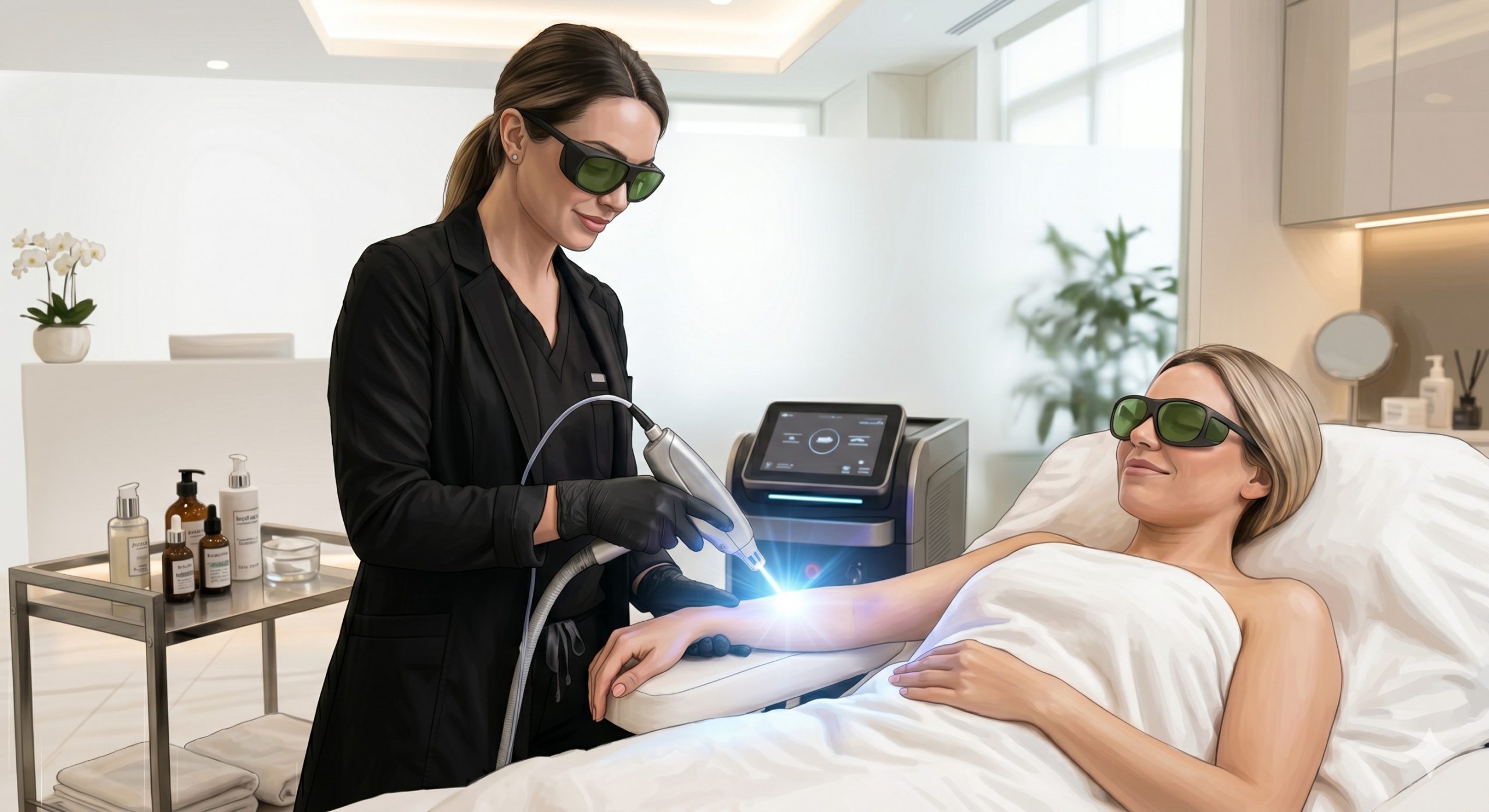
Transitioning to painless lasers fundamentally changes the treatment room process. Without the need for topical anesthetic application (which requires 30-60 minutes of patient waiting time), clinics can increase daily patient volume by 200-300%. The recommended protocol begins with a 1-minute skin contact pre-cooling phase (using the sapphire window) to drop baseline temperature by 6-8°C. During treatment, the operator should maintain consistent contact pressure and utilize a spot size of 18mm to minimize overlap and reduce double-pulsing. For sensitive areas (Brazilian, upper lip, areola), reduce fluence by 20% but maintain full pulse width to avoid epidermal striae. Post-treatment, no ice packs or topical anesthetics are required—simple aloe vera or a ceramide-based barrier cream suffices. This protocol reduces patient departure time by 25 minutes per session, directly improving chair turnover and profitability.
Retention Marketing Through Painless Experiences
The psychological shift from “tolerating” to “enjoying” a treatment enables new patient communication strategies. After the first painless session, clinics should send a satisfaction survey quantifying the experience (NPS score typically jumps from 15 to 85). Bundle the remaining sessions into a pre-paid membership with a 100% completion guarantee. Because painless lasers reduce cortisol release during treatment, patients are also more receptive to cross-selling complementary modalities such as radiofrequency skin tightening or cryolipolysis immediately following the laser session, without the usual post-pain fatigue.
ROI Calculation: How Painless Technology Pays for Itself
Consider a clinic performing 30 laser sessions per week at $250/session. With a 45% retention rate (industry average for standard diodes), annual recurring revenue from the same cohort is $175,500. Upgrading to an FDA-cleared painless laser with sapphire cooling (capital cost: $32,000 – $55,000) and achieving an 85% retention rate increases annual recurring revenue to $331,500. The incremental revenue of $156,000 produces a payback period of under 4 months. Furthermore, reduced consumable costs (no cryogen gas canisters, no topical anesthetic tubes) save an additional $3,200 annually. Devices with ISO 13485-certified handpieces and a warranty of 36 months on the TEC cooling module ensure predictable OpEx.
Technical Specifications Reference Matrix
The following table outlines the core metrics clinics must verify before procurement. Prioritize systems that publish raw data on cooling stability and fluence uniformity across the entire spot area, not just peak values.
| Key Parameter | Technical Specification | Clinical Relevance |
|---|---|---|
| Wavelength / Laser Type | 755nm (Alexandrite) / 808nm (Diode) / 1064nm (Nd:YAG) | Triple-wavelength synergy allows safe treatment of Fitzpatrick I-VI without epidermal injury. |
| Cooling System | Sapphire Contact Cooling with TEC (Thermoelectric Module) | Maintains constant -2°C to +4°C window; eliminates need for cryogen or topical anesthetic. |
| Fluence Range | 8 – 30 J/cm² (adjustable in 0.5 J/cm² increments) | Low fluence for painless treatment; high fluence for resistant coarse hair. |
| Pulse Width | 5 – 100 ms | Sub-30ms pulses avoid Aδ nociceptor activation, preventing sharp pain. |
| Spot Size | 12mm, 15mm, 18mm, 24mm interchangeable | Larger spots (18-24mm) reduce peak fluence and increase treatment speed up to 10cm²/sec. |
| Repetition Rate | Up to 10 Hz | Fast stacking reduces patient anxiety and procedure time by 50%. |
| Cooling Stability | ±1°C variance over 10,000 pulses | Ensures consistent epidermal protection; prevents hot spots and burns. |
| Certifications | FDA 510(k) K210xxx, Medical CE (MDR 2017/745), ISO 13485 | Mandatory for legal operation, insurance coverage, and clinic audit compliance. |
(See above for specification details)
Conclusion: The New Standard of Care
Painless lasers with Sapphire ICE cooling are no longer a luxury—they are a clinical necessity for any aesthetic practice seeking to maximize patient retention and word-of-mouth referrals. By eliminating the two primary dropout drivers (pain and anxiety), clinics can guarantee series completion, increase average patient lifetime value by 250%, and differentiate from competitors still relying on outdated cryogen-spray or topical anesthetic protocols. When evaluating vendors, demand third-party verified data on cooling system reliability, pulse-to-pulse stability, and CE/FDA compliance. The business case is irrefutable: comfort drives retention, retention drives profit.