Rosacea and Facial Redness: Finding the Right Vascular Lesion Laser Equipment Supplier
Executive Summary
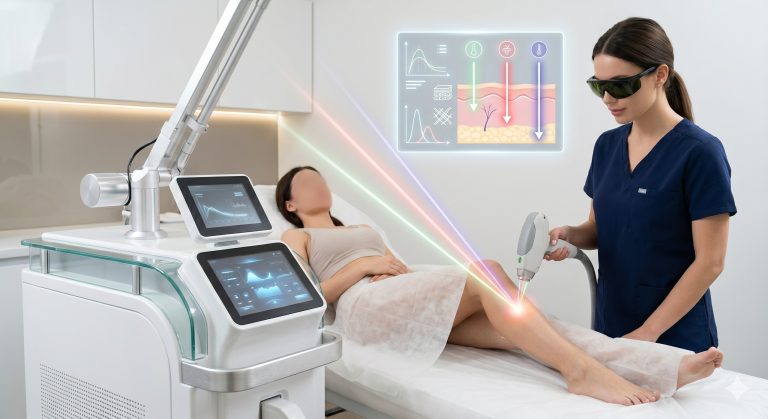
Rosacea and chronic facial redness, clinically characterized by vascular ectasia or telangiectasia, necessitate advanced medical-grade laser intervention for significant clinical improvement. Successful treatment relies on the principle of selective photothermolysis, where laser energy is precisely matched to the absorption peak of oxyhemoglobin. Patients must distinguish between generic, low-cost devices and high-tier medical systems—such as those manufactured under the rigorous engineering standards of Cocoon Laser—which utilize precise pulse control, stable energy delivery, and integrated TEC cooling systems. This guide empowers patients to vet clinical equipment based on essential safety certifications, including FDA 510(k) and Medical CE, ensuring that the vascular lesion removal treatment received is both safe and clinically effective.
Understanding Vascular Lesions: Why Your Skin Is Persistent
Chronic facial redness is not merely a cosmetic concern; it is a vascular pathology. To make informed decisions about your skin health, it is essential to look past marketing claims and understand the physiological reality of the condition.
The Biology of Flushing and Telangiectasia
The visible redness associated with rosacea often stems from telangiectasia—the permanent dilation of small, superficial blood vessels in the dermis. When these vessels lose their ability to constrict, they remain engorged with blood, creating the chronic “flushed” appearance. While many patients turn to over-the-counter topical creams in hopes of reducing this redness, these products are biologically incapable of treating the underlying vessel dilation. Topicals may soothe the skin barrier or reduce inflammation temporarily, but they cannot physically induce the coagulation or destruction of structurally compromised blood vessels.
Why Some Treatments Fail
A common clinical frustration is the failure of certain laser treatments to produce long-term results. This usually stems from a fundamental mismatch between the laser wavelength and the target chromophore—in this case, hemoglobin. If a laser system is not calibrated to the specific absorption peaks of oxyhemoglobin (the oxygenated blood within the vessel), the energy is either scattered or absorbed by surrounding structures (like melanin). Consequently, the vessel remains intact, and the redness persists. Effective vascular therapy requires an intimate understanding of the laser’s physics and its specific interaction with the patient’s unique vascular architecture.
The Gold Standard in Vascular Therapy: Targeting Hemoglobin
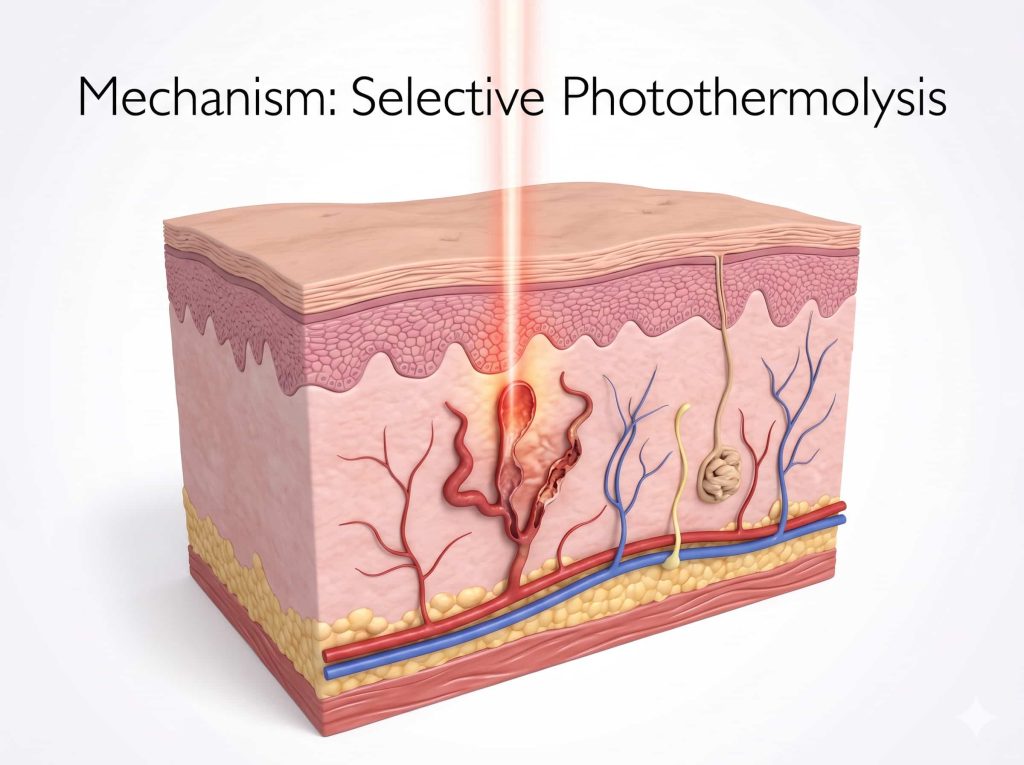
Medical-grade laser technology operates on precise physical laws. The most critical of these is Selective Photothermolysis.
Selective Photothermolysis: The Key to Redness Removal
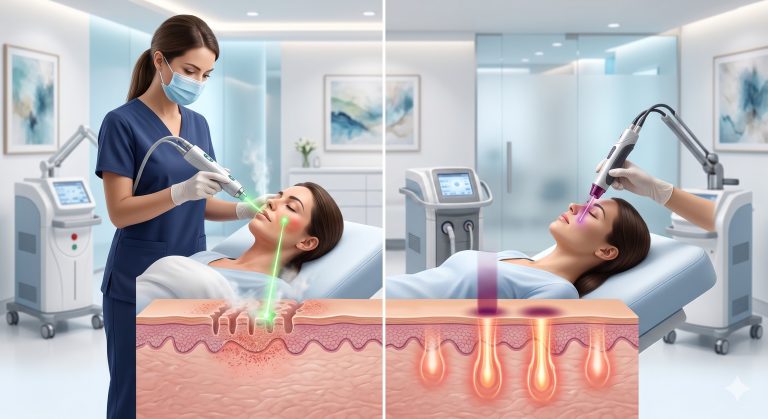
The goal of vascular laser therapy is to heat the blood vessel to a specific temperature that causes it to coagulate and eventually collapse, without damaging the epidermis (the surface of the skin). By selecting a wavelength that is highly absorbed by hemoglobin but poorly absorbed by water or melanin, the laser energy is converted into heat inside the vessel. This causes the endothelial lining to stick together, effectively closing off the vessel.
The Importance of Pulse Duration and Energy Stability
Equally important to the wavelength is the pulse duration and energy stability. If a device delivers energy inconsistently, it creates “hot spots”—zones of excessive thermal buildup that can lead to blistering or scarring rather than controlled coagulation. Reputable manufacturers, such as those meeting the engineering standards at Cocoon Laser, prioritize:
- Pulse Width Precision: Ensuring the energy is delivered within the “thermal relaxation time” of the vessel, preventing heat from leaking into surrounding tissue.
- Energy Homogeneity: Utilizing advanced optical components to ensure the beam profile is consistent across the entire spot size, minimizing the risk of adverse events.
| Technology Type | Best For | Mechanism |
| 532nm (KTP Laser) | Superficial, fine red vessels | High absorption in hemoglobin; minimal depth. |
| 1064nm (Nd:YAG Laser) | Deeper, darker, or larger vessels | Deeper penetration; less absorption, but safer for darker skin types. |
| IPL / DPL | Diffuse redness / General flushing | Broad spectrum; targets wider areas but lacks specific vascular precision. |
How to Identify a High-Quality Laser System (The Patient’s Checklist)
As a consumer, you are the final auditor of your clinical safety. You have the right to know the technical specifications of the equipment used on your skin.
Manufacturer Standards Matter
The aesthetic industry is flooded with low-cost, uncertified devices that lack the rigorous testing required for medical safety. A professional-grade system is defined by its compliance with international regulatory bodies. Before undergoing treatment, verify if the device is backed by certifications such as FDA 510(k) (USA) or Medical CE (Europe). These certifications indicate that the system has undergone clinical trials for safety and that the manufacturer maintains strict quality management systems.
Three Questions to Ask Your Practitioner
When you consult with a clinic, do not hesitate to ask technical questions. Their willingness to provide these details is a hallmark of a professional practice:
- “Is your laser system specifically designed for vascular lesions, or is it a multi-purpose device?” Specialized vascular lasers (like dedicated Nd:YAG or KTP systems) generally provide superior outcomes compared to generic IPL systems for stubborn telangiectasia.
- “Does the device have real-time energy calibration?” High-end systems perform automated calibration before every pulse to ensure the energy output remains stable throughout the treatment session.
- “What manufacturer produced this laser system?” Professional clinics are proud to showcase high-tier equipment. Equipment engineered by reputable manufacturers—those who prioritize beam stability and hardware reliability—drastically reduces the risk of thermal injury or hyperpigmentation.
| Verification Criteria | What to Look For | Why it Matters |
| Certifications | FDA 510(k), Medical CE | Ensures validated safety and manufacturing compliance. |
| Cooling Tech | Integrated Sapphire / TEC Cooling | Protects the epidermis from thermal burns during vascular coagulation. |
| Calibration | Auto-calibration sensors | Prevents “hot spots” and inconsistent energy delivery. |
Safety, Downtime, and the Treatment Journey
Vascular laser therapy is a medical procedure. While highly effective, it requires proper preparation and understanding of the healing process.
Cooling Systems: Your Best Defense Against Pain
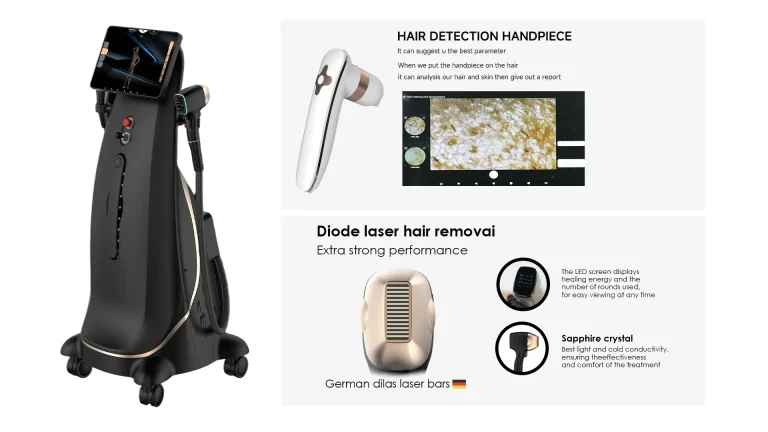
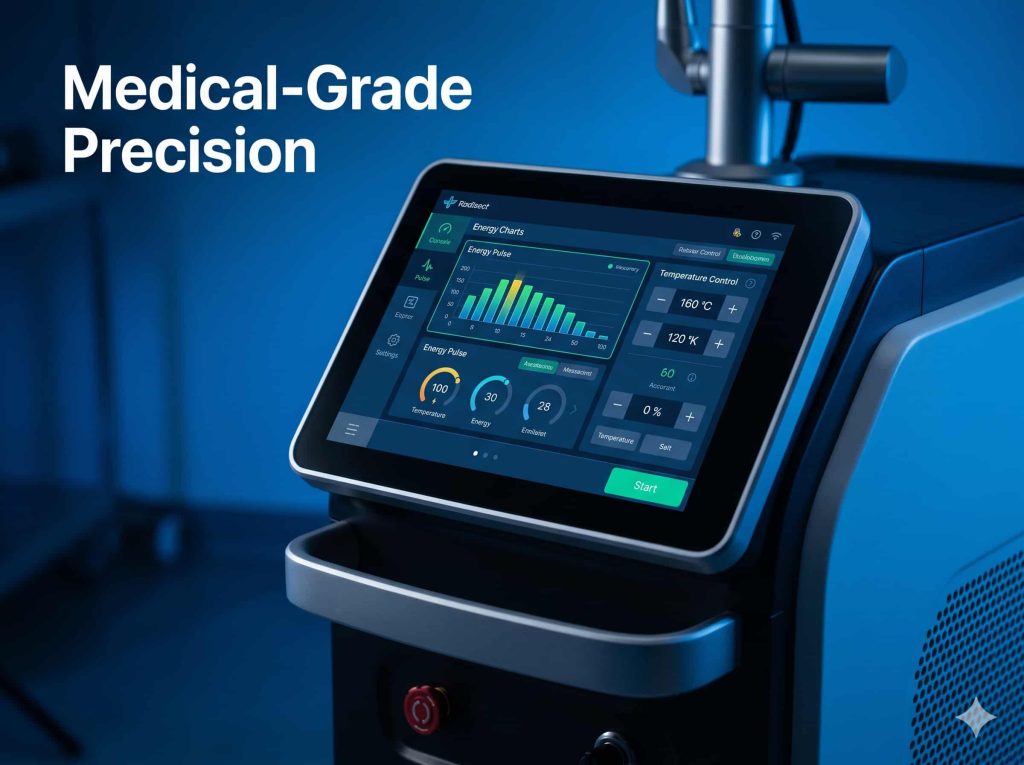
The most significant innovation in patient comfort and safety is the integration of advanced TEC (Thermoelectric Cooling) or Sapphire contact cooling. These systems chill the skin surface to 0–5°C immediately before and during the laser pulse. This pre-cooling protects the epidermis, allowing the practitioner to use higher, more effective energy levels to reach the target vessel without risking a surface burn. If a clinic uses a laser without high-performance cooling, the risk of epidermal injury is significantly higher.
What to Expect Post-Procedure
Professional vascular treatment can cause specific, temporary reactions:
- Erythema: Mild redness is common and usually resolves within a few hours to days.
- Purpura: In some cases, particularly when treating larger, deeper vessels, you may experience purpura—a bruise-like appearance. This is a sign that the laser has successfully coagulated the vessel. It is not an adverse event; it is a clinical indicator of efficacy that typically fades within 7–10 days.
- Swelling: Minor edema can occur, especially in the periorbital (eye) area, but should subside rapidly.
Frequently Asked Questions (FAQ)
Is laser treatment for rosacea permanent?
Laser treatment is highly effective at closing existing dilated vessels. However, rosacea is a chronic inflammatory condition. While the treated vessels are destroyed, the body may develop new vessels over time due to genetic or environmental factors (like sun exposure). Periodic maintenance sessions are often required to manage the condition.
How many sessions do I need for visible results?
Most patients require a series of 3 to 5 sessions, spaced 4 to 6 weeks apart. This interval allows the body to clear the coagulated vessels and minimizes the risk of over-treatment.
Can I treat vascular lesions if I have a tan?
It is generally advised to avoid vascular laser treatment on tanned skin. Tanned skin contains high levels of melanin, which absorbs laser energy and increases the risk of side effects like blistering or pigment changes. Always consult your provider if you have had sun exposure in the 4 weeks preceding your appointment.
Empowering Your Path to Clearer Skin
Choosing the right clinic for vascular lesion removal is a process of clinical due diligence. The technology behind your treatment—specifically the stability, wavelength accuracy, and cooling capabilities of the laser—directly correlates to the safety and longevity of your results.
Do not settle for generic solutions. When searching for professional care, ask for equipment backed by industry-leading engineering standards. By prioritizing clinics that invest in high-tier, certified laser platforms, you ensure that your journey to clearer, more uniform skin is guided by precision, safety, and proven clinical science. We invite you to learn more about the technical specifications that define professional-grade vascular treatment systems and how they differ from the rest of the market.
If you need more information, please click “Contact Us”.
If you want to obtain more information, please follow our official website and Facebook.