CO2 Laser Skin Resurfacing: Complete Guide for Clinics
Quick Answer
CO2 laser skin resurfacing is an advanced aesthetic laser treatment that uses carbon dioxide laser energy to remove damaged skin layers and stimulate collagen remodeling. Modern fractional CO2 laser systems allow clinics to perform controlled skin resurfacing procedures for wrinkles, acne scars, pigmentation concerns and overall skin rejuvenation with customizable treatment parameters.
What Is CO2 Laser Skin Resurfacing?
CO2 laser skin resurfacing is a professional aesthetic procedure that uses a carbon dioxide laser wavelength to create controlled thermal effects within the skin. By precisely removing damaged tissue and stimulating natural healing responses, CO2 laser technology helps improve skin texture, reduce wrinkles and support collagen regeneration.
Unlike traditional ablative procedures that remove large areas of tissue, modern fractional CO2 laser systems deliver laser energy through microscopic treatment zones. This approach allows clinics to achieve effective resurfacing results while improving treatment control and recovery management.
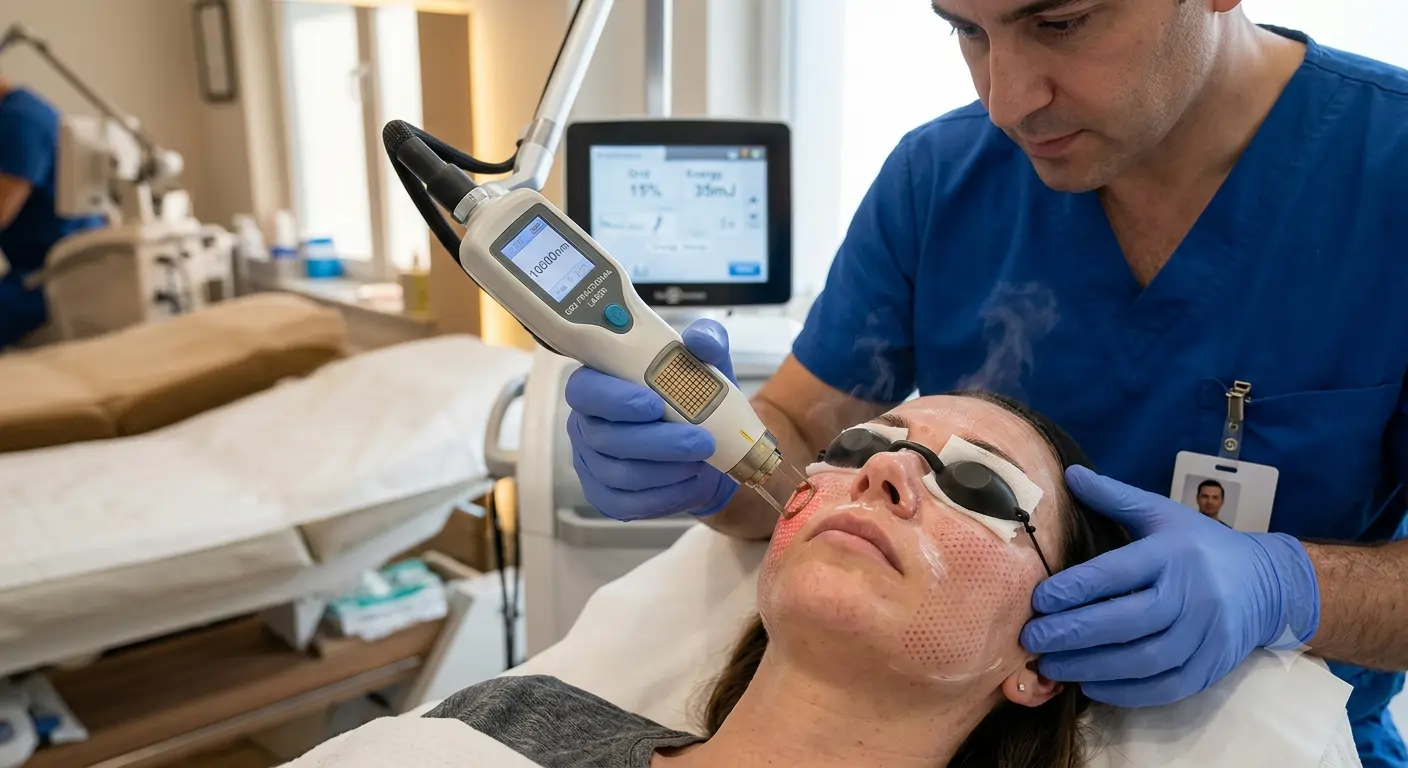
The CO2 laser operates at a wavelength of approximately 10,600nm, which is strongly absorbed by water molecules in human tissue. Since skin contains a high percentage of water, this wavelength enables precise interaction with targeted tissue layers.
How Does CO2 Laser Skin Resurfacing Work?
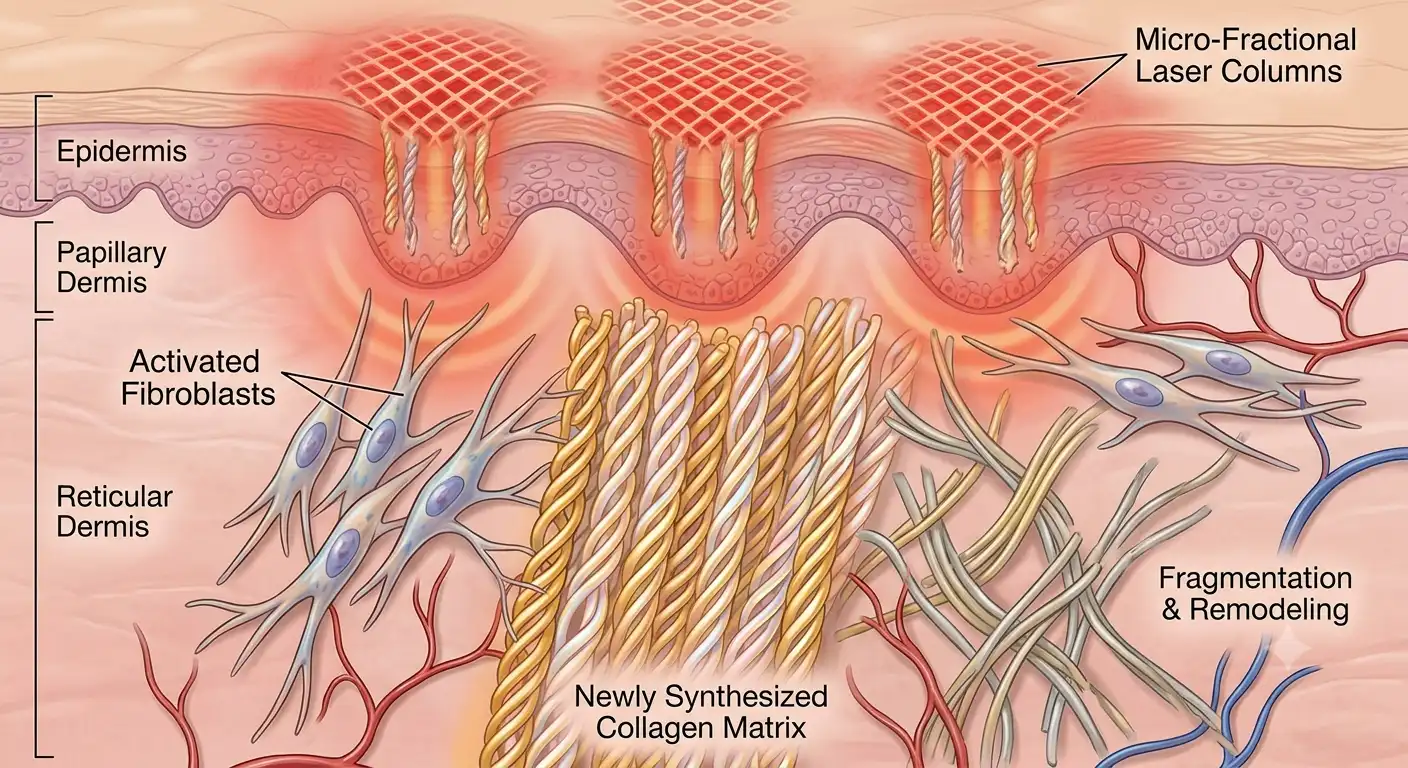
CO2 laser skin resurfacing works through a combination of controlled tissue ablation and thermal stimulation. The laser delivers energy into targeted skin areas, creating a predictable healing response that encourages new collagen formation and skin remodeling.
1. Laser Energy Absorption
The CO2 laser wavelength is absorbed by water within skin cells. This absorption converts laser energy into controlled thermal energy, allowing practitioners to precisely remove damaged tissue layers.
2. Controlled Tissue Ablation
During treatment, the laser removes microscopic portions of the skin surface while preserving surrounding tissue. This controlled ablation process creates a foundation for skin renewal and regeneration.
3. Collagen Remodeling Process
Following treatment, the body begins a natural healing response. Fibroblast activity increases, supporting collagen production and improving skin firmness, elasticity and overall texture over time.
Fractional CO2 Laser Technology Explained
Fractional CO2 laser technology has become one of the most widely used approaches for professional skin resurfacing because it provides precise energy delivery with improved treatment flexibility.
Instead of treating the entire skin surface continuously, fractional CO2 laser systems create thousands of microscopic thermal treatment zones. The untreated surrounding tissue supports faster recovery while maintaining effective skin remodeling effects.
| Feature | Traditional CO2 Laser | Fractional CO2 Laser |
|---|---|---|
| Treatment Area | Full skin surface | Micro thermal zones |
| Recovery Time | Longer downtime | More controlled recovery |
| Treatment Flexibility | Limited customization | Adjustable parameters |
| Clinical Application | More aggressive resurfacing | Broad aesthetic applications |
For modern aesthetic clinics, fractional CO2 laser systems provide greater flexibility because practitioners can adjust energy density, pulse duration and treatment patterns according to different skin concerns.
Benefits of CO2 Laser Skin Resurfacing
CO2 laser skin resurfacing is widely used in aesthetic clinics because it combines precise tissue removal with controlled thermal stimulation. By improving damaged skin structures and encouraging collagen remodeling, CO2 laser treatments can address multiple skin concerns through a single advanced laser platform.
Wrinkle Reduction and Skin Tightening
One of the most common applications of CO2 laser skin resurfacing is improving the appearance of fine lines and wrinkles. The controlled thermal effect created by CO2 laser energy stimulates collagen contraction and long-term remodeling, helping improve skin firmness and elasticity.
Compared with superficial skincare procedures, fractional CO2 laser treatments target deeper skin layers where collagen restructuring occurs, making them a popular choice for professional facial rejuvenation programs.
Acne Scar Treatment
Fractional CO2 laser technology is frequently used for acne scar treatment because it can create controlled micro-injuries within scarred tissue. This process activates natural healing mechanisms and supports the formation of new collagen fibers.
For aesthetic clinics, CO2 laser acne scar treatments are commonly customized according to scar type, skin condition and desired treatment intensity. Energy settings, pulse duration and treatment density can be adjusted to achieve balanced results and recovery management.
Skin Texture Improvement
CO2 laser skin resurfacing can improve uneven skin texture, enlarged pores and surface irregularities by removing damaged skin layers and stimulating new tissue formation.
Many professional clinics use fractional CO2 laser systems as part of comprehensive skin rejuvenation protocols because they provide customizable treatment options for different patient needs.
Pigmentation and Skin Tone Improvement
Although CO2 laser is primarily known for resurfacing and collagen stimulation, controlled CO2 laser treatments can also support improvements in certain pigmentation-related concerns by renewing damaged surface skin and improving overall skin quality.
CO2 Laser Applications in Aesthetic Clinics
Professional CO2 laser systems are versatile platforms designed for a wide range of aesthetic applications. By adjusting treatment parameters, clinics can develop customized protocols for facial rejuvenation, scar treatment and advanced skin resurfacing procedures.
1. Facial Rejuvenation
CO2 laser facial treatments are commonly performed to improve fine lines, skin laxity, uneven texture and signs of aging. The combination of controlled ablation and collagen stimulation makes CO2 laser technology a popular solution for advanced facial rejuvenation.
2. Acne Scar Resurfacing
Fractional CO2 laser systems provide controlled resurfacing for atrophic acne scars by creating targeted treatment zones that stimulate collagen regeneration.
3. Skin Resurfacing Procedures
Clinics use CO2 laser resurfacing technology to refresh damaged skin, improve surface quality and support long-term skin renewal.
4. Vaginal Rejuvenation Applications
Some professional CO2 laser platforms also support gynecological aesthetic applications through specialized treatment protocols designed for tissue remodeling.
Professional CO2 Laser Systems for Clinics
Selecting the right CO2 laser system is an important decision for aesthetic clinics because treatment versatility, reliability and workflow efficiency directly affect clinical performance.
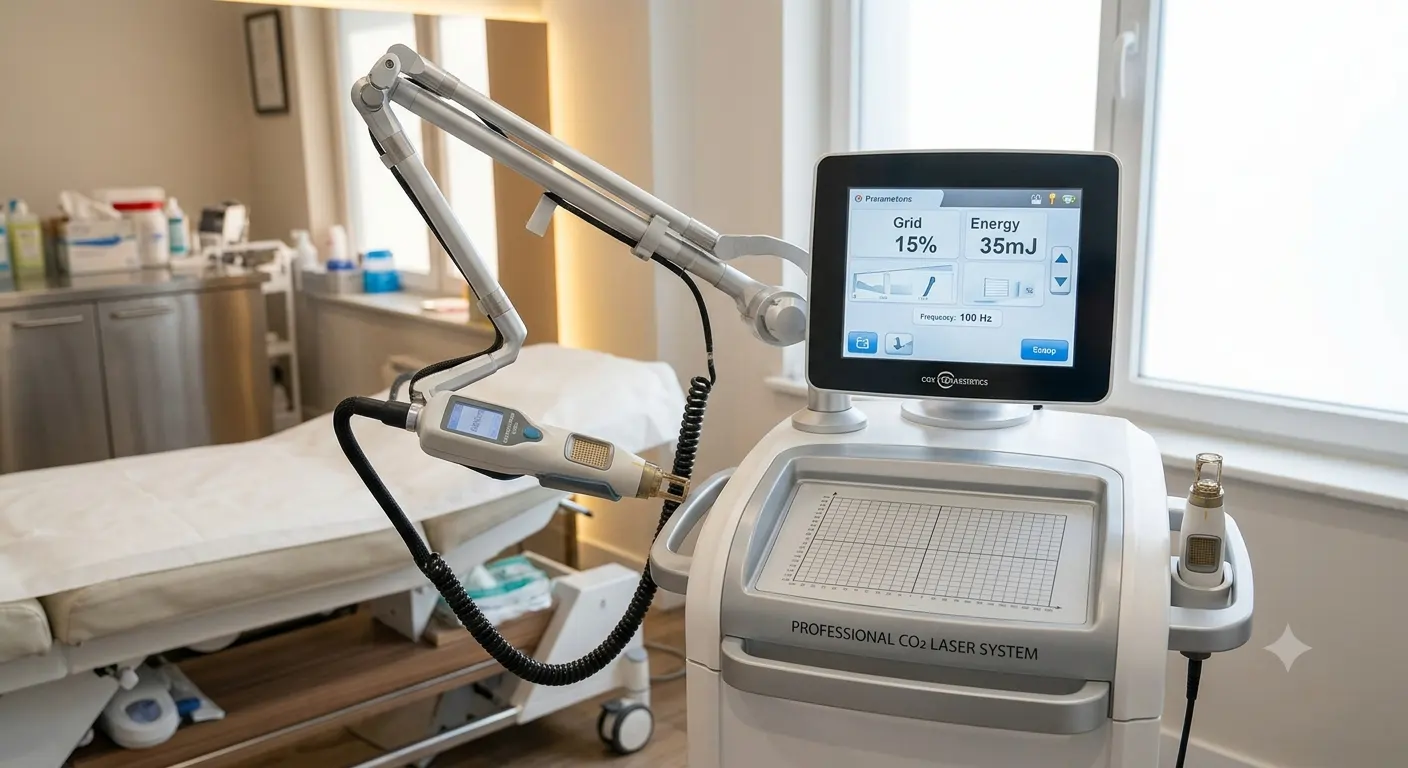
Modern professional CO2 laser platforms typically include adjustable energy settings, fractional scanning technology, multiple treatment modes and integrated safety features to support different aesthetic procedures.
CO2 Star: Professional Fractional CO2 Laser System
The CO2 Star is designed as a professional fractional CO2 laser platform for aesthetic clinics requiring reliable skin resurfacing, wrinkle reduction and scar treatment capabilities.
CO2 4D: Advanced CO2 Laser Platform
The CO2 4D provides an advanced approach to CO2 laser treatments by combining multiple treatment capabilities within a professional aesthetic laser system.

CO2 Laser Healing Process and Recovery Timeline
Understanding the CO2 laser healing process is essential for both clinics and patients because recovery time depends on treatment depth, laser parameters, skin condition and individual healing response.
Modern fractional CO2 laser systems allow practitioners to customize treatment intensity by adjusting parameters such as energy level, density and pulse duration. This flexibility helps clinics balance treatment effectiveness with recovery requirements.
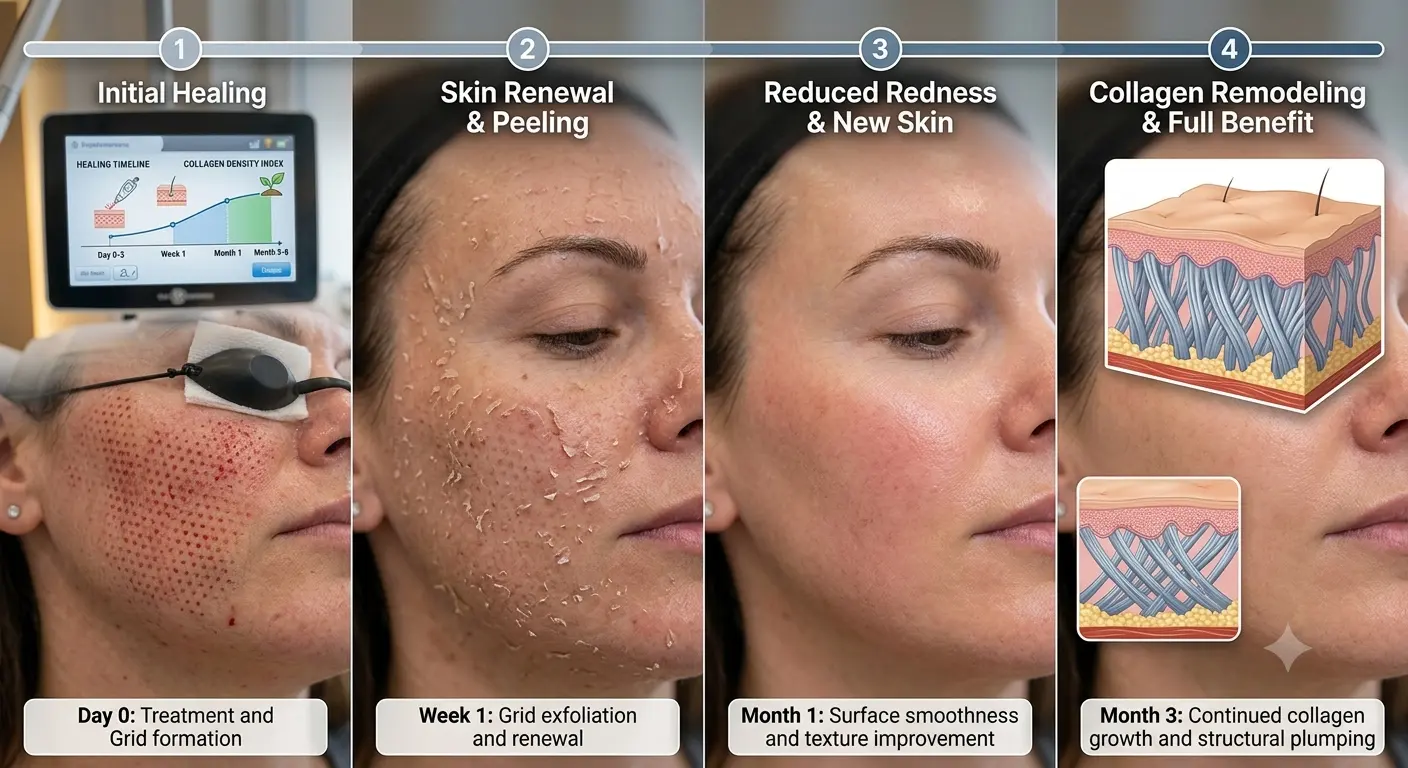
Immediately After CO2 Laser Treatment
After a CO2 laser skin resurfacing procedure, patients may experience temporary redness, warmth, swelling and sensitivity in the treated area. These reactions are expected because the laser creates controlled thermal effects that activate the skin regeneration process.
Days 1–3: Initial Healing Stage
During the first few days, the skin typically begins the repair process. Redness, mild swelling and a feeling similar to sunburn may occur depending on treatment intensity.
Professional aftercare instructions are important during this stage to support proper healing and reduce unnecessary irritation.
Days 4–7: Skin Renewal Stage
As the skin continues to recover, treated areas may experience peeling, dryness or temporary texture changes. This process represents the removal of damaged surface layers and the beginning of new skin formation.
Weeks 2–4: Collagen Remodeling Stage
Although surface recovery may occur within several weeks, deeper collagen remodeling continues after treatment. New collagen formation gradually improves skin firmness, texture and overall appearance.
Months 3–6: Long-Term Results
The full benefits of CO2 laser skin resurfacing continue developing over several months as collagen structures mature. Many clinics evaluate final improvements after the remodeling process has progressed.
CO2 Laser vs Erbium Laser: Which Is Better?
CO2 laser and Erbium laser are two popular ablative laser technologies used for professional skin resurfacing. Both systems can improve skin texture and stimulate collagen production, but they differ in wavelength, tissue interaction and treatment intensity.
| Feature | CO2 Laser | Erbium Laser |
|---|---|---|
| Wavelength | 10,600nm | 2,940nm |
| Water Absorption | High | Very High |
| Resurfacing Depth | Deeper tissue interaction | More superficial resurfacing |
| Collagen Remodeling | Strong thermal stimulation | Controlled stimulation |
| Typical Applications | Wrinkles, scars, intensive resurfacing | Fine lines, texture improvement |
For clinics performing advanced skin resurfacing procedures, fractional CO2 laser technology remains one of the most established solutions because of its versatility and ability to provide customized treatment options.
How Clinics Choose a Professional CO2 Laser Machine
Choosing a professional CO2 laser machine requires careful evaluation of technology, treatment flexibility, reliability and long-term operational value. Clinics should consider both technical specifications and practical workflow requirements.
1. Fractional Scanning Technology
A high-quality CO2 laser system should provide precise fractional scanning control to create consistent treatment patterns and support different resurfacing applications.
2. Adjustable Energy and Pulse Parameters
Flexible control of energy output, pulse duration and treatment density allows practitioners to customize procedures according to different skin concerns.
3. Cooling and Safety Features
Effective cooling systems and safety mechanisms improve patient comfort and support stable clinical operation during repeated treatments.
4. Treatment Versatility
Modern CO2 laser systems may support multiple applications including skin resurfacing, wrinkle reduction, acne scar treatment and advanced aesthetic procedures.
5. Manufacturer Support and Certification
For clinics and distributors, choosing a reliable CO2 laser manufacturer with technical support, documentation and quality management systems is an important part of long-term investment planning.
Frequently Asked Questions About CO2 Laser Skin Resurfacing
What is CO2 laser skin resurfacing used for?
CO2 laser skin resurfacing is commonly used for improving wrinkles, acne scars, uneven skin texture and overall skin rejuvenation through controlled laser resurfacing and collagen remodeling.
How long does CO2 laser healing take?
The initial CO2 laser recovery period is commonly several days to a few weeks depending on treatment intensity. Deeper collagen remodeling continues for several months after treatment.
Is fractional CO2 laser better than traditional CO2 laser?
Fractional CO2 laser technology provides more controlled treatment by creating microscopic treatment zones, allowing clinics to customize procedures and manage recovery more effectively.
How many CO2 laser treatments are needed?
The number of treatments depends on the patient’s skin condition, treatment goals and selected laser parameters. Professional assessment is required to develop an appropriate treatment plan.
Is CO2 laser safe for all skin types?
CO2 laser treatments require professional evaluation because skin type, pigmentation risk and treatment parameters influence procedure planning and outcomes.
Final Thoughts: Choosing CO2 Laser Technology for Your Clinic
CO2 laser skin resurfacing remains one of the most advanced solutions for professional aesthetic clinics seeking effective skin renewal technology. With fractional delivery, adjustable treatment parameters and proven collagen remodeling effects, modern CO2 laser systems provide versatile options for facial rejuvenation, scar improvement and skin resurfacing procedures.
For clinics and distributors evaluating a professional CO2 laser machine, selecting a reliable system with advanced technology, flexible applications and manufacturer support is essential for long-term success.
Explore professional CO2 laser solutions from CocoonLaser to discover advanced platforms designed for modern aesthetic practices.