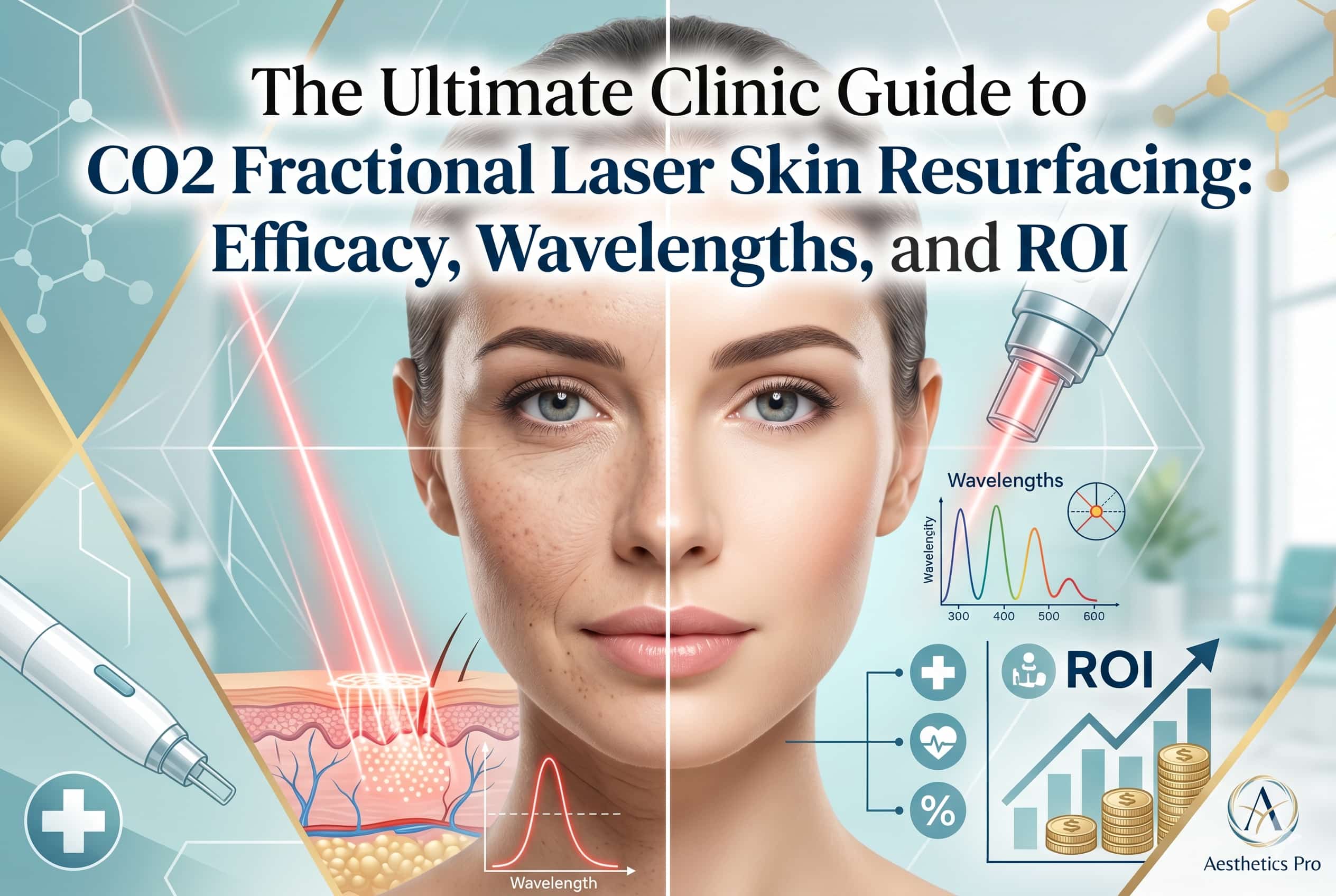
The Ultimate Clinic Guide to co2 fractional laser skin resurfacing: Efficacy, Wavelengths, and ROI
Introduction: The Evolution of Skin Resurfacing in Medical Aesthetics
The demand for non-surgical skin rejuvenation has skyrocketed, positioning co2 fractional laser skin resurfacing as the gold standard for treating photoaging, scarring, and textural irregularities. For clinic owners and medical directors, selecting the right device is a decision that impacts clinical outcomes, patient safety, and the bottom line. This ultimate guide dissects the technology, clinical protocols, and business strategies required to successfully integrate fractional CO2 laser technology into your practice. We will explore the physics of tissue ablation, critical technical metrics such as energy density (fluence) and spot size, and the necessary safety features like advanced cooling systems, ensuring your investment delivers superior efficacy and a robust return on investment (ROI).
Clinical Mechanism: The Science of Fractional Ablation
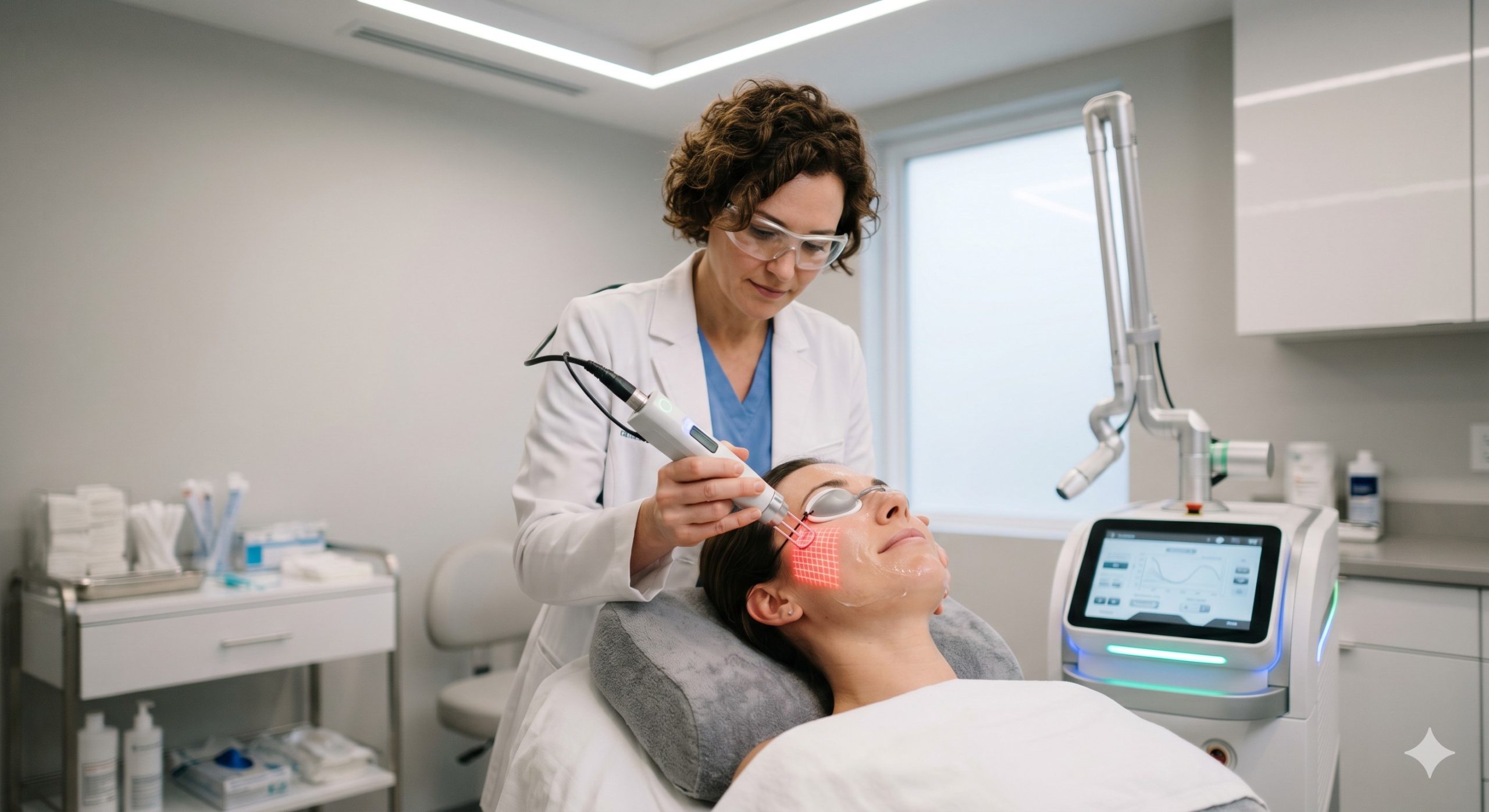
Unlike traditional ablative lasers that remove entire layers of skin, co2 fractional laser skin resurfacing operates on the principle of fractional photothermolysis. The device emits a 10,600nm wavelength, which is highly absorbed by water in the skin’s tissue. By delivering this energy in a microscopic array of pixels, the laser creates thousands of deep, narrow columns of thermal injury, known as Micro-Thermal Zones (MTZs), while leaving the surrounding tissue intact. This design stimulates a rapid wound-healing response, promoting the production of new, healthy collagen and elastin.
Precision Metrics and Performance Parameters
Clinical efficacy is dependent on precise parameter selection. The true power of a modern system lies in its ability to customize fluence (measured in J/cm²) and dwell time (pulse width). Leading devices in the market, which are often FDA-cleared and hold Medical CE marks, come equipped with high-quality imported laser bars and scanning systems to ensure stable energy output. Key technical specifications to consider include:
- Wavelength: 10,600nm (CO2) and sometimes 2,940nm (Er:YAG) for variable ablation depths.
- Fractional Spot Size: Variable, typically ranging from 10-20mm to adjust treatment speed and penetration depth.
- Energy Density (Fluence): Adjustable up to 40mJ per MTZ to tackle deep wrinkles or severe acne scarring.
- Pulse Width: Ultra-short pulses (sub-millisecond) to minimize thermal spread and reduce post-procedure erythema.
- Treatment Frequency: High-speed scanning systems that can treat a full face in 15-20 minutes.
Safety and Cooling: Protecting the Epidermis
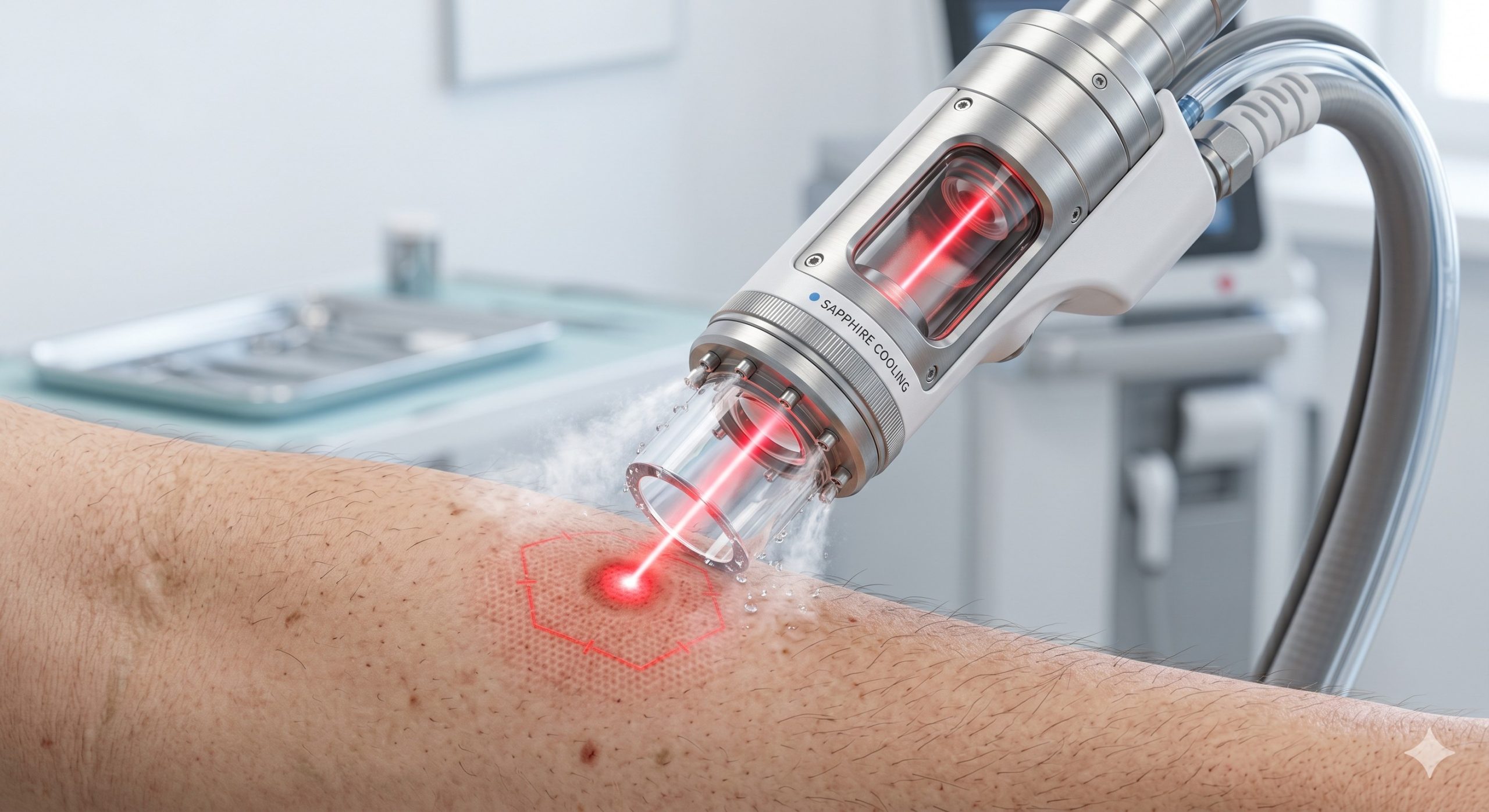
One of the primary concerns with traditional ablative lasers is the risk of burns, hyperpigmentation, and extended downtime. High-end co2 fractional laser skin resurfacing systems mitigate these risks through sophisticated cooling mechanisms. Epidermal cooling is crucial to protect the stratum corneum while allowing high energy to penetrate the dermis.
Modern devices utilize Sapphire contact cooling technology. This involves a chilled sapphire tip that lowers the skin’s surface temperature immediately before, during, and after the laser pulse. This not only enhances patient comfort but also allows for the use of higher energies safely, making treatments effective even for patients with darker skin types (Fitzpatrick IV-VI) when applied conservatively. In addition to cooling, compliance with ISO 13485 manufacturing standards ensures that the device’s internal water circuits and power supplies are built for consistent, long-term stability.
| Key Parameter | Technical Specification |
|---|---|
| Wavelength / Laser Type | 10,600nm (CO2) / 2,940nm (Er:YAG) |
| Cooling System | Sapphire Contact Cooling (TEC) |
| Energy Density (Fluence) | Up to 40mJ per Micro-Thermal Zone |
| Safety Compliance | FDA Cleared, Medical CE, ISO 13485 |
| Pulse Width | < 1ms (Ultra-Short) |
| Treatment Frequency | High-speed scanning up to 10Hz |
Clinical Guidelines: Patient Assessment and Indications
For a clinic to maximize the utility of their co2 fractional laser skin resurfacing device, a standardized clinical pathway is essential. The primary indications for this treatment include:
- Acne Scars: Pitted and atrophic scars respond exceptionally well due to the deep dermal remodeling capabilities.
- Photoaging: Fine lines, periorbital wrinkles, and actinic keratosis are significantly reduced.
- Pigmentary Disorders: Melasma and solar lentigines benefit from the laser’s peeling effect.
Fitzpatrick Skin Type Classification
Selecting the right parameters based on the Fitzpatrick Skin Type is non-negotiable for patient safety. Type I-II patients can tolerate higher fluences and densities, while Type IV-VI require lower settings and a more conservative approach to avoid post-inflammatory hyperpigmentation (PIH). Proper pre-treatment preparation and post-procedure wound care are critical to ensure optimal clearance rates and patient satisfaction.
ROI and Business Integration Strategy
Beyond clinical excellence, the business case for co2 fractional laser skin resurfacing is compelling. This technology is a high-ticket service, allowing clinics to charge significantly more per session than for traditional IPL or non-ablative lasers. The ROI is driven by high throughput and minimal consumable costs (reusable handpieces reduce ongoing expenses).
When evaluating the Total Cost of Ownership (TCO), look for devices with durable handpieces and a high number of guaranteed shots (pulse durability). This ensures long-term stability of the investment. By combining this technology with other modalities, such as injectables or skin-tightening devices, clinics can create comprehensive treatment packages that increase average patient spend and build a reputation as a full-service aesthetic center.
Conclusion: Elevating Your Practice with Next-Gen Technology
Integrating co2 fractional laser skin resurfacing into your service portfolio represents a significant step toward establishing your clinic as a leader in medical aesthetics. It requires a deep understanding of selective photothermolysis, mastery of the hardware’s technical specifications, and a commitment to Medical CE and FDA compliance. By following the clinical guidelines outlined in this article, you can achieve unparalleled skin rejuvenation results, ensuring high patient referral rates and profitability for years to come. As the industry evolves, staying at the forefront of technology with a reliable, well-engineered fractional laser system is the most effective way to meet your patients’ demands for safe and transformative results.