The Ultimate Clinic Guide to best picosecond laser machine for aesthetic clinics: Efficacy, Wavelengths, and ROI
Introduction: The Evolution of Aesthetic Laser Technology
The aesthetic medicine industry is witnessing a paradigm shift, driven by the demand for treatments that offer superior efficacy with minimal downtime. At the forefront of this revolution is picosecond laser technology. For clinic owners and medical directors, selecting the best picosecond laser machine for aesthetic clinics is a critical strategic decision that impacts treatment outcomes, patient satisfaction, and the clinic’s bottom line. Unlike traditional nanosecond lasers, picosecond devices operate on a fundamentally different principle—the photoacoustic effect—which allows for precise targeting of chromophores with less thermal damage to surrounding tissue . This guide provides a comprehensive, clinically-driven analysis of the technology, key specifications, and the business case for integrating a picosecond platform into your practice.
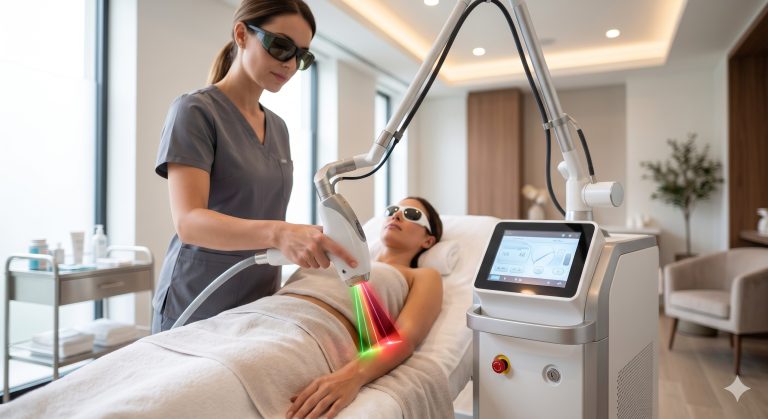
[IMAGE_1]The Physics of Precision: How Picosecond Technology Works
Selective Photothermolysis vs. Photoacoustic Effect
Understanding the physical mechanism is key to appreciating why picosecond lasers are superior. Traditional Q-switched (nanosecond) lasers rely heavily on the photothermal effect, using heat to break down pigment. In contrast, picosecond lasers deliver energy in ultra-short pulses—measured in trillionths of a second (10⁻¹² s) . This incredibly short pulse duration generates a powerful photoacoustic shockwave that shatters pigment particles into much finer dust than thermal-based methods . The result is more efficient clearance of tattoo ink and pigment, with a significantly reduced risk of thermal spread and subsequent scarring or hyperpigmentation.
Critical Technical Metrics
When evaluating devices, a deep dive into the technical specifications is non-negotiable. The “best picosecond laser machine for aesthetic clinics” will excel in several key areas. The pulse width is paramount; shorter pulse widths, such as 350ps or even 250ps , generally provide a stronger photoacoustic effect. High peak power (measured in Gigawatts, e.g., 1.8 GW to 2.7 GW) is equally crucial as it ensures the energy reaches the target with enough force for effective fragmentation . Furthermore, a comprehensive platform will offer multiple wavelengths, including 755nm (highly absorbed by melanin), 532nm (for superficial pigment and red/yellow tattoos), 1064nm (for deeper penetration and darker skin types), and specialty wavelengths like 585nm or 660nm . The table below summarizes these critical performance indicators.
Technical Specifications
| Key Parameter | Technical Specification & Importance |
|---|---|
| Pulse Duration (Width) | 250 – 350 picoseconds (ps). Critical for generating a strong photoacoustic effect to shatter pigment with minimal heat diffusion . |
| Primary Wavelengths | 755 nm (Melanin-targeting), 532 nm (Superficial/Red/Yellow), 1064 nm (Deep penetration/Dark skin), 585 nm/650 nm (Tattoo colors) . |
| Peak Power | 1.8 – 2.7 Gigawatts (GW). Ensures sufficient energy is delivered within the ultra-short pulse to effectively fragment pigment and tattoo ink . |
| Spot Size Range | 2 mm to 10 mm. Adjustable spot sizes allow for precise targeting of different lesion types and optimizing energy density (Fluence) . |
| Cooling Technology | Advanced Contact/Sapphire Cooling or Cryogen. Essential for protecting the epidermis, maximizing patient comfort, and enabling safe treatments . |
| Certifications | FDA Clearance, Medical CE (MDR), NMPA. Indicates compliance with rigorous international safety and quality standards (ISO 13485) . |
Clinical Applications: Versatility for High-Volume Aesthetic Practices
Expanding Your Service Portfolio
One of the strongest arguments for investing in a top-tier picosecond platform is its unparalleled versatility. A single device can address a wide array of patient concerns, creating multiple revenue streams. This multi-functionality is a hallmark of the best picosecond laser machine for aesthetic clinics.
- Pigmentary Conditions: Picosecond lasers are the gold standard for treating benign pigmented lesions, including sunspots, freckles, and melasma. The 755nm wavelength, for instance, is known for its high melanin absorption, making it exceptionally effective for these concerns . The 1064nm wavelength is often preferred for treating deeper pigmentation and is considered safer for darker skin types (Fitzpatrick IV-VI) due to its lower melanin absorption and deeper penetration, reducing the risk of post-inflammatory hyperpigmentation .
- Tattoo Removal: The ability to treat multicolored tattoos is a significant advantage. Platforms offering multiple wavelengths (e.g., 1064nm, 532nm, 694nm, 650nm, 585nm) allow practitioners to effectively target black, blue, green, red, yellow, and orange inks in fewer sessions compared to older technologies .
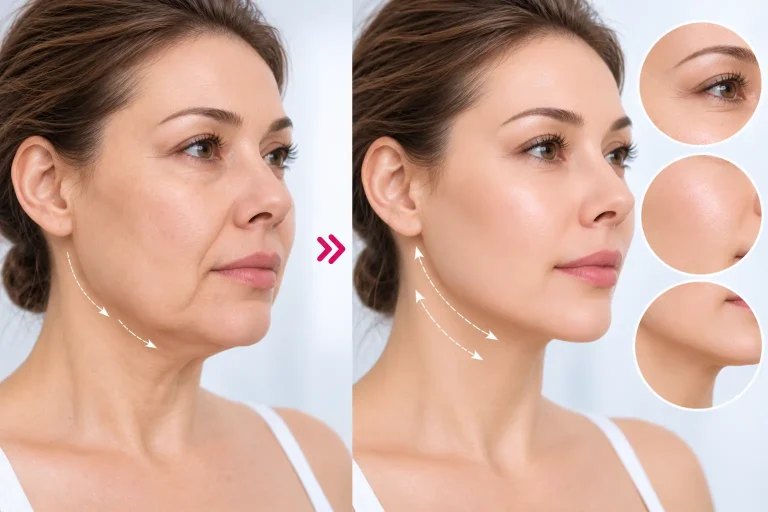
- Skin Rejuvenation and Resurfacing: Advanced picosecond systems feature handpieces with diffractive or micro-lens arrays, such as the Focus Lens Array or HEXA Micro Lens Array . These lenses create high-intensity zones within the dermis to induce Laser-Induced Optical Breakdown (LIOB), stimulating collagen and elastin production to improve fine lines, acne scars, and overall skin texture with minimal downtime .
Business Impact: ROI and Competitive Advantage
The Business Case for Picosecond Integration
Beyond clinical efficacy, the financial implications of purchasing a picosecond laser are profound. The high demand for these advanced treatments allows clinics to command premium pricing. Because treatments are often more efficient (fewer sessions required for tattoos and pigmentation ), clinics can achieve a higher patient throughput, directly boosting profitability. Furthermore, the low consumable costs and the ability to perform multiple treatments with one platform contribute to a faster and more substantial Return on Investment (ROI) .
Regulatory Compliance and Patient Safety
In an increasingly competitive and regulated market, compliance is critical. The best picosecond laser machine for aesthetic clinics will hold essential certifications like Medical CE (MDR) and FDA clearance . These certifications are not just for regulatory purposes; they are a testament to the device’s safety, efficacy, and robust quality management systems (e.g., ISO 13485). For the clinic, this translates to lower legal risk, higher credibility with patients, and a competitive edge in marketing .
Conclusion: A Strategic Imperative for Modern Clinics
In the rapidly evolving landscape of aesthetic medicine, the picosecond laser is no longer a luxury but a strategic necessity for clinics aiming to provide state-of-the-art care. By offering a combination of superior clinical outcomes, an expanded treatment portfolio, and a strong financial profile, it stands as a cornerstone technology. The best picosecond laser machine for aesthetic clinics is one that balances cutting-edge physics (ultra-short pulse widths, high peak power, and multi-wavelength capability) with robust business benefits (regulatory certification, low maintenance, and high patient throughput). For the discerning practitioner, investing in a premier picosecond platform is an investment in the future of the practice.