B2B Buyer’s Guide: Warranty, Training, and Shipping FAQ for Cryolipolysis treatment protocols for stubborn abdominal fat
Overview
Cryolipolysis for stubborn abdominal fat is a leading non-invasive body contouring protocol, but B2B buyers need clear answers before investing. This FAQ addresses pre-sales and post-sales concerns specific to clinic owners and dermatologists—covering safety, ROI, maintenance, and technical support to help you make a confident purchasing decision.
Frequently Asked Questions
Q1: What is the recommended cryolipolysis treatment protocol for stubborn abdominal fat to achieve visible results?
The standard clinical protocol for abdominal fat uses two 60-minute cycles per session, with applicators placed on upper and lower abdomen simultaneously. Most patients require 1-3 sessions spaced 6-8 weeks apart. Visible reduction appears at 12 weeks post-treatment, with 20-25% fat layer reduction per cycle.
Q2: Is cryolipolysis for abdominal fat safe for all Fitzpatrick skin types, including darker skin?
Yes, cryolipolysis is safe for Fitzpatrick skin types I-VI because it is non-laser and non-UV based. The cooling mechanism targets subcutaneous fat without affecting melanin in the epidermis. No risk of PIH (post-inflammatory hyperpigmentation) exists, making it ideal for diverse patient demographics.
Q3: What is the typical handpiece lifespan and consumable cost for a cryolipolysis machine?
Handpiece lifespan is 3,000 to 5,000 cycles, equivalent to 2-3 years of active clinical use. Consumables include vacuum membranes (replace every 150-200 cycles, approx. $15-25 each) and gel pads (single-use, $2-5 per session). No expensive laser diodes or cartridges are required, yielding a low consumable-to-revenue ratio below 5%.
Q4: What warranty, training, and shipping terms should B2B buyers expect?
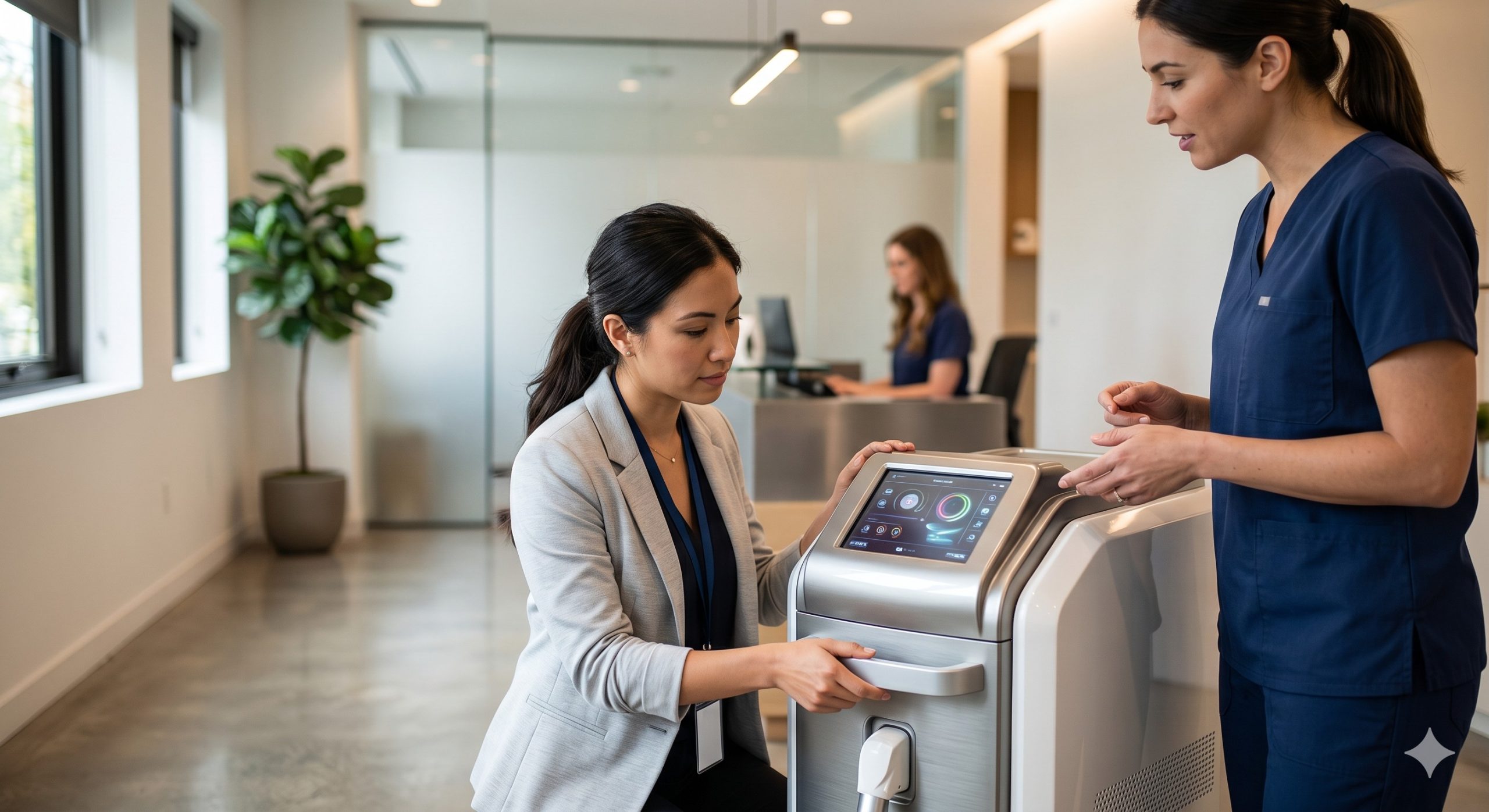
Standard B2B warranty is 12-24 months covering all electronic and cooling components, with lifetime technical support. On-site training for 1-2 staff members is typically included (2 days). Shipping terms are usually FOB origin or CIF destination; lead time ranges 15-45 days depending on stock and customs clearance. Request CE/FDA certificates before purchase.
Q5: How do I calculate ROI and payback period for a cryolipolysis device in a med spa?
Average cost per abdominal session: $600-1,200 USD. With 20 sessions per week, monthly revenue ranges $48,000-96,000. Device purchase price $15,000-40,000. Payback period is typically 1-3 months. Consumable costs are <$10 per session. Break-even analysis: (Device cost + shipping + training) / (Average session price - consumable cost) = required sessions to break even.
Q6: What are the most common technical errors on cryolipolysis machines and how are they resolved?
Most common errors include E1 (vacuum sensor failure), E2 (temperature not reaching -5°C), and E5 (cooling pump malfunction). E1 resolves by checking membrane seals and patient positioning; E2 requires checking coolant levels and ambient temperature; E5 indicates a water circulation blockage—flush the circuit with distilled water and replace peristaltic pump tubing every 6 months. Always maintain a technical support log.
Q7: What clinical training is provided for operating the cryolipolysis touchscreen UI and presets?
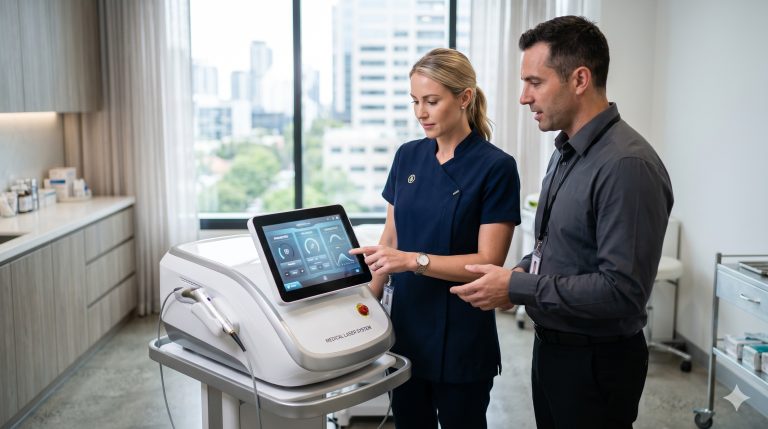
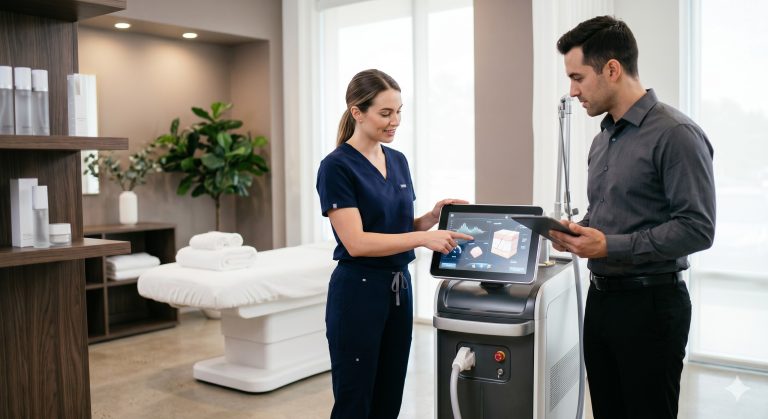
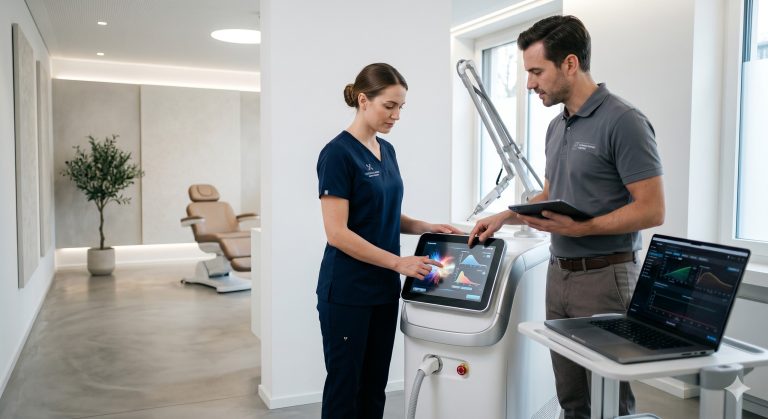
Operators receive 4-6 hours of hands-on training covering: patient selection, applicator placement, vacuum pressure adjustments (low/medium/high), treatment duration presets (30/45/60 min), and post-treatment massage protocols. Smart UI stores up to 500 patient records and auto-adjusts cooling curves based on real-time thermal feedback. Remote software updates are standard.
Q8: How does cryolipolysis compare to laser lipolysis for stubborn abdominal fat in terms of clinic investment?
Cryolipolysis has lower upfront investment ($15k-40k vs $50k-100k for laser lipolysis) and no consumable laser tips ($50-200 per patient). Laser lipolysis requires more maintenance (diodes degrade after 20k shots; replacement cost $5k-10k). Cryolipolysis offers better B2B margin (85-90% vs 70-75% for laser) and requires no protective eyewear or specialized ventilation.