Is Shaving Necessary Before Laser Hair Removal? FAQ for Aesthetic Clinics & Dermatologists
Overview
For B2B medical aesthetic device purchasers and dermatologists, establishing a standardized pre-treatment protocol is crucial for patient safety, efficacy, and device longevity. The question, ‘Is it necessary to shave before a laser hair removal session?’ is a frequent topic of clinical debate, directly impacting thermal injury risk and treatment outcomes. This FAQ provides definitive, science-backed answers for aesthetic professionals regarding shaving protocols, epidermal protection, and technical best practices for modern laser systems.
Frequently Asked Questions
Q1: Is shaving absolutely necessary before a laser hair removal treatment session?
Yes, shaving is mandatory within 24 hours prior to any laser hair removal session. This clinical requirement is not merely a suggestion; it preserves the integrity of the epidermal layer while leaving the hair follicle root intact for precise photothermolysis. When the hair shaft is cut at skin level, the laser energy is optimally absorbed by the melanin in the follicle bulb, preventing the energy from being wasted on the surface hair or causing epidermal burns.
Q2: What are the clinical risks of not shaving before treatment?
Failing to shave presents significant clinical risks including severe epidermal burns, crusting, and post-inflammatory hyperpigmentation (PIH). The longer hair shaft acts as a ‘heat sink’ that absorbs energy on the skin’s surface, converting it to thermal heat that burns the epidermis rather than targeting the follicle. Furthermore, singed hair on the skin surface can cause scatter and reduce treatment efficacy, leading to patchy results and patient dissatisfaction.
Q3: What is the optimal time frame for shaving relative to the appointment time?
The optimal clinical protocol is to shave 12 to 24 hours prior to the appointment. This window allows minor micro-abrasions or razor rash to subside, reducing the risk of irritation during the laser pulse. Shaving immediately before the session is acceptable if dry-shaving or electric clippers are used, but wet-shaving with creams within 1 hour of treatment can leave the skin overly moist, which may affect contact cooling efficiency and energy delivery.
Q4: Which shaving method do you recommend for aesthetic clinics to minimize irritation?
We strongly recommend using an electric foil shaver or a clean, single-blade safety razor specifically for facial areas. Multi-blade cartridges should be avoided as they tend to cut the hair below the skin surface, leading to pseudofolliculitis (ingrown hairs) and increasing the risk of infection. Clinics should utilize a pre-shave oil and a non-comedogenic shaving gel to ensure the skin is properly lubricated, reducing friction and preventing epidermal stripping.
Q5: How does the shaving protocol differ between laser types (Diode, Alexandrite, ND:YAG)?
While the requirement to shave remains standard across all laser types, the precision of the shave is paramount for Diode and Alexandrite lasers used on lighter skin (Fitzpatrick I-III). For ND:YAG lasers treating darker skin types (Fitzpatrick IV-VI), a coarser shave (using clippers with a #1 guard) is often preferred to prevent any residual stubble from absorbing energy and competing with the melanin-rich epidermis, thereby reducing the risk of blistering in high-risk patients.
Q6: What post-care instructions should we provide regarding shaving between sessions?
Patients must be strictly instructed not to shave or exfoliate for at least 48 to 72 hours post-treatment to allow the skin barrier to recover. After this period, gentle shaving is permitted if the hair is not shedding naturally. However, patients must avoid waxing, plucking, or threading in the interval between sessions, as this removes the hair root, rendering subsequent laser treatments ineffective on those dormant follicles.
Q7: How does proper shaving impact the lifespan of the laser handpiece and consumables?
Proper shaving directly contributes to the longevity of the handpiece’s optical window and consumable cooling tips. Unshaven hair often results in patients complaining of pain, prompting clinicians to increase fluence beyond safe levels or causing charred debris that deposits on the sapphire window. This debris reduces energy output over time and necessitates costly repairs or replacement of the handpiece assembly. Maintaining shaving protocols preserves the machine’s output integrity and reduces operational costs.
Q8: What is the technical support procedure if a patient suffers a burn from improper shaving?
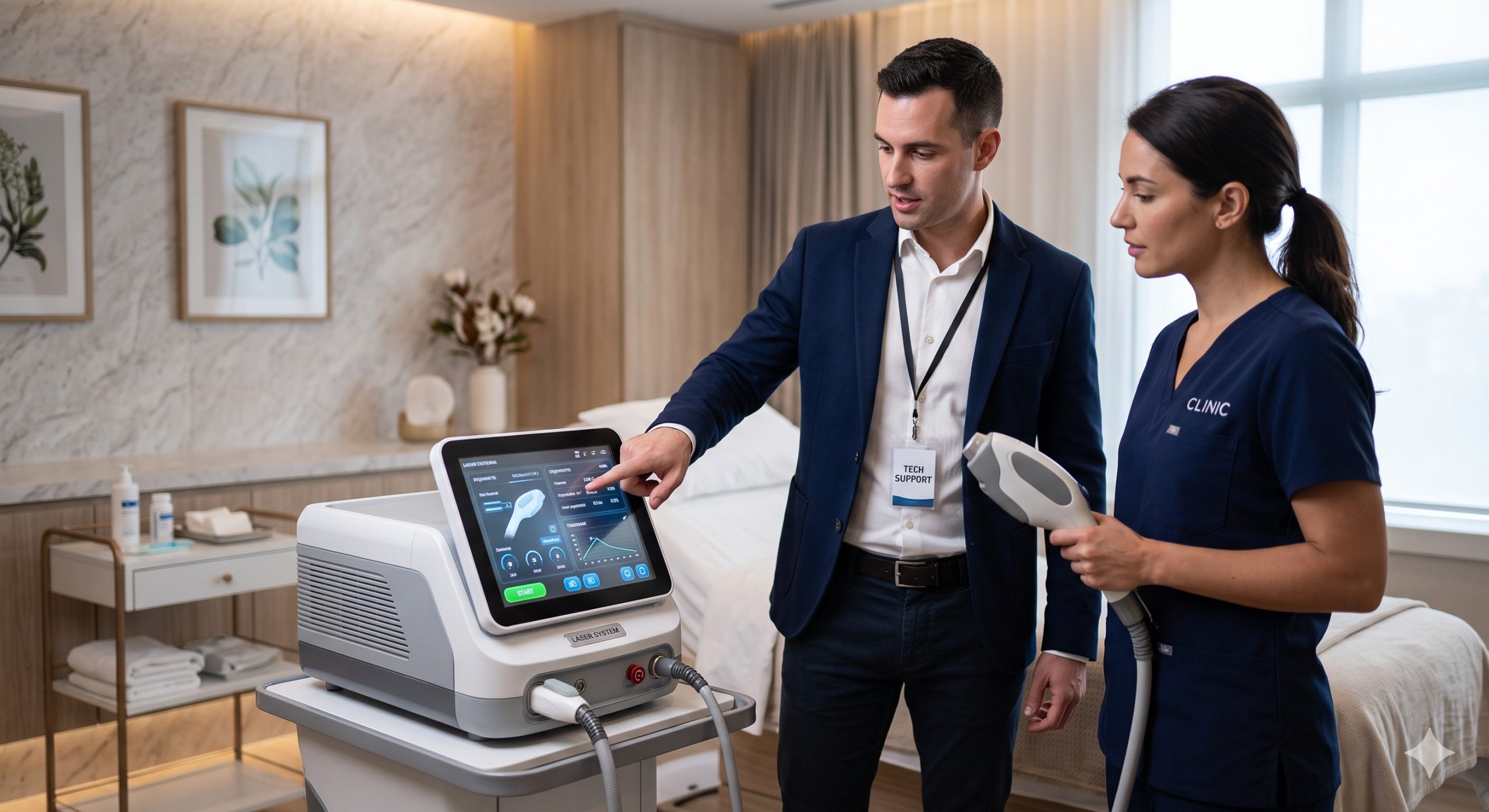
In the event of a burn injury suspected due to improper shaving, our technical support protocol immediately advises clinicians to discontinue use, apply a cold compress and topical anti-inflammatory agents, and document the incident. Technically, we recommend performing an output calibration test to ensure the device is functioning within tolerance (typically ±20% of set fluence). We advise our clients to review their training logs and ensure all operators are certified in the ‘Shave Test’—running a gloved hand over the skin to confirm a smooth surface prior to the first test pulse.