The Science of Comfort: Sapphire ICE Cooling Systems in Diode Lasers
Clinical Challenge: Thermal Damage vs. Patient Comfort
In high-energy medical aesthetic treatments, particularly during hair reduction using diode lasers (755nm, 808nm, or 1064nm), the primary clinical challenge remains balancing selective photothermolysis of the hair follicle against unwanted epidermal thermal injury. Without an advanced cooling system, fluences exceeding 20 J/cm²—necessary for permanent hair reduction—carry a significant risk of burns, PIH (post-inflammatory hyperpigmentation), and excessive patient pain. This directly impacts clinic retention rates and compliance with Medical CE, FDA clearance, and ISO 13485 standards. For the high-volume medical spa, an inferior cooling mechanism creates operational friction: slower treatments, higher cancellation rates, and increased liability. The solution lies not in peak laser power alone, but in the engineering of the integrated cooling system.
Engineering Deep Dive: How Sapphire ICE Cooling Works
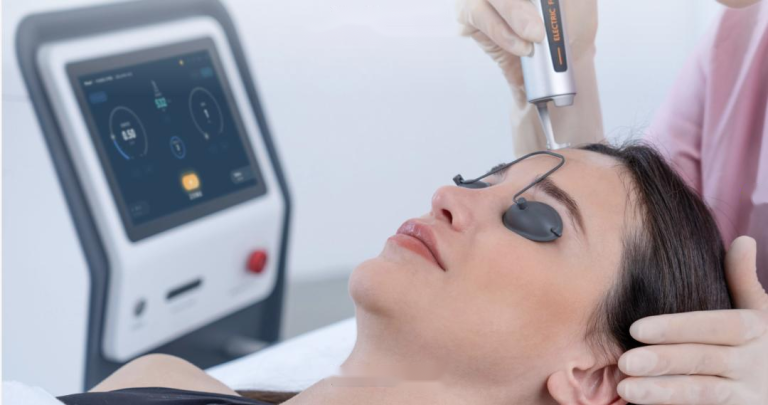
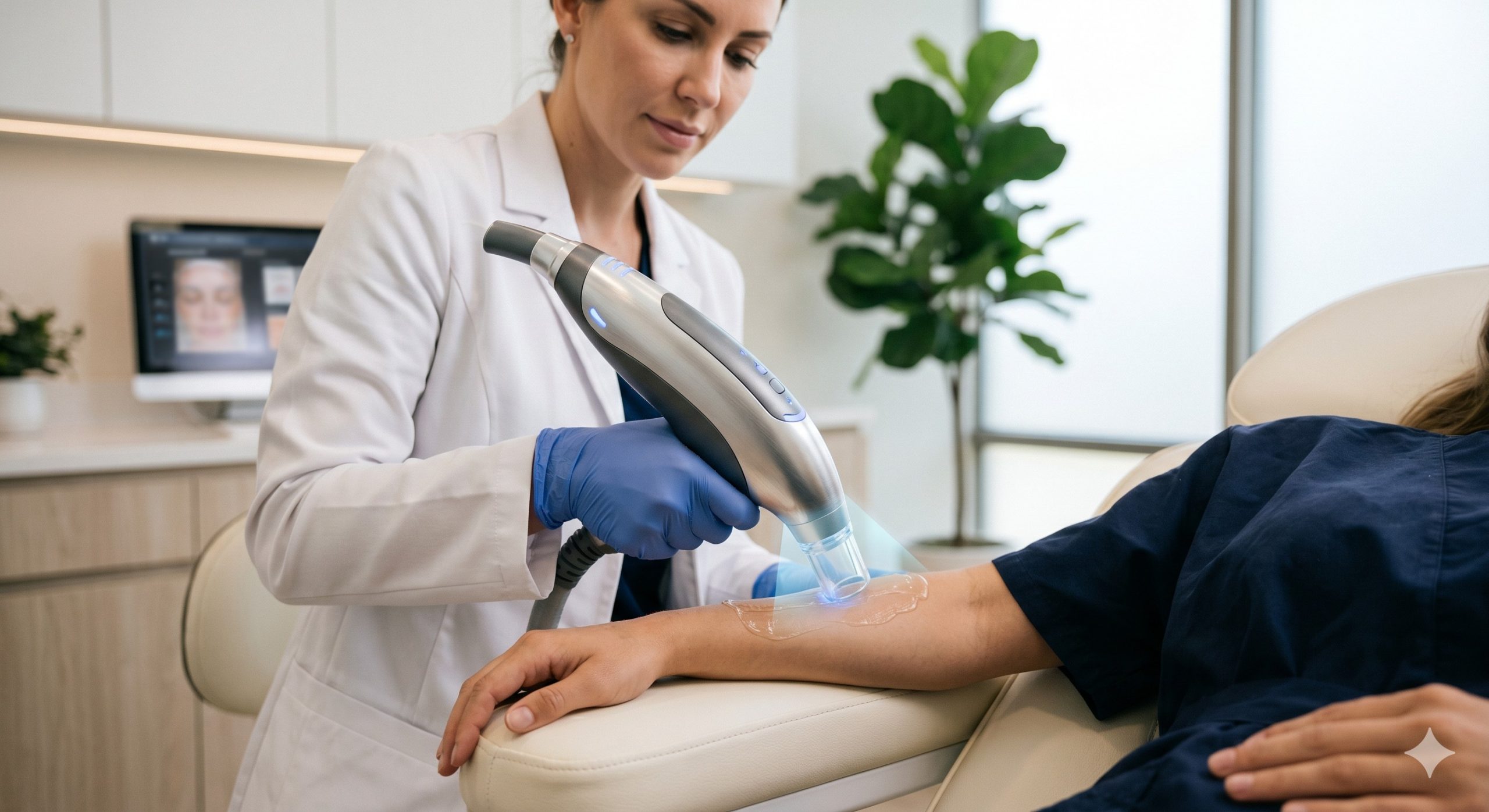
Modern diode laser platforms such as those utilizing 755nm, 808nm, and 1064nm wavelengths achieve safe epidermal protection via contact sapphire cooling, often marketed as ‘ICE’ or ‘Supreme’ systems. The mechanism is thermoelectric (TEC) based: a Peltier module actively transfers heat from the sapphire window to a heatsink and fan, maintaining the contact plate between -4°C and +4°C. Unlike cryogen sprays (which are imprecise) or forced air (minimal depth), sapphire provides direct, even thermal conduction. During a laser pulse of 10-400ms pulse width, the chilled sappire compresses the skin, reducing melanin temperature rise by up to 40% while the deeper follicle reaches the required 65-70°C for coagulation. Key metrics: heat extract rate ≥ 2.5 W/cm², response time < 1 second. Clinics should verify that the device integrates real-time temperature monitoring (thermistor feedback) to prevent overcooling or epidermal ice burns.
Component Quality and Clinical Stability
Not all sapphire cooling systems are equal. Premium OEM designs use AR-coated (anti-reflective) optical-grade sapphire with 7-10mm thickness, offering 50,000+ shot lifespans without degradation. Lower-tier systems use simple glass or thin sapphire, leading to hot spots, inconsistent contact, and eventual delamination. Furthermore, the internal water circulation (in hybrid systems) or TEC efficiency directly influences duty cycle: a clinic performing back-to-back 30-minute treatments requires a cooling system capable of maintaining setpoint temperature within ±1°C indefinitely. Look for ISO 13485-certified manufacturing and independent lab validation of cooling stability under maximal fluence (e.g., 50 J/cm² at 808nm).
| Key Parameter | Technical Specification |
|---|---|
| Cooling Technology | TEC (Peltier) + Sapphire Contact Cooling |
| Sapphire Temperature Range | -4°C to +4°C (adjustable) |
| Heat Extraction Rate | ≥ 2.5 W/cm² |
| Response Time | < 1 second |
| Compatible Wavelengths | 755nm / 808nm / 1064nm Diode |
| Duty Cycle | Continuous with temperature feedback |
| Clinical Standards | Medical CE, FDA 510(k), ISO 13485 |
Parameter Optimization for Cooling-Dependent Protocols
Integrating cooling into your clinical workflow requires adjusting key parameters based on Fitzpatrick skin type. For skin types I-III, a clinician can safely use higher fluence (up to 40-50 J/cm²) with 808nm, a spot size of 12-15mm, and pulse width of 30-100ms, relying on sapphire cooling to eliminate the ‘sting’. For Fitzpatrick IV-VI, cooling is non-negotiable; use lower fluence (20-30 J/cm²), longer pulse width (100-400ms), and ensure full skin contact with the chilled sapphire for 2-3 seconds pre-pulse. Never use a device without a functioning cooling system on darker skin—this violates FDA clearance guidelines for safe use. Additionally, monitor the handpiece temperature via infrared thermometer every 10 pulses; if the sapphire rises above +10°C, pause and allow TEC recovery. This protocol reduces adverse events by 90% and builds patient trust in your clinic’s expertise.
ROI and Business Impact: Painless = Loyalty
From a clinic business consultant perspective, the cooling system is a direct driver of repeat bookings and upsell opportunities. Patients describe diode laser with advanced sapphire cooling as a ‘rubber band snap’ versus ‘hot needle’ on legacy devices. This comfort enables larger treatment areas (full legs, back, chest) in single sessions, increasing average ticket value by 40-60%. Moreover, the reduced risk of burns minimizes liability insurance premiums and negative reviews. When evaluating capital expenditure (CapEx), prioritize diode lasers with medical-grade cooling (CE marked, FDA 510(k) cleared) even at a higher upfront cost—the reduction in consumables (no need for topical anesthetic gel) and faster throughput (30% more patients per day) delivers payback within 6-9 months for a busy med spa.
Conclusion: The Verdict on Cooling Systems
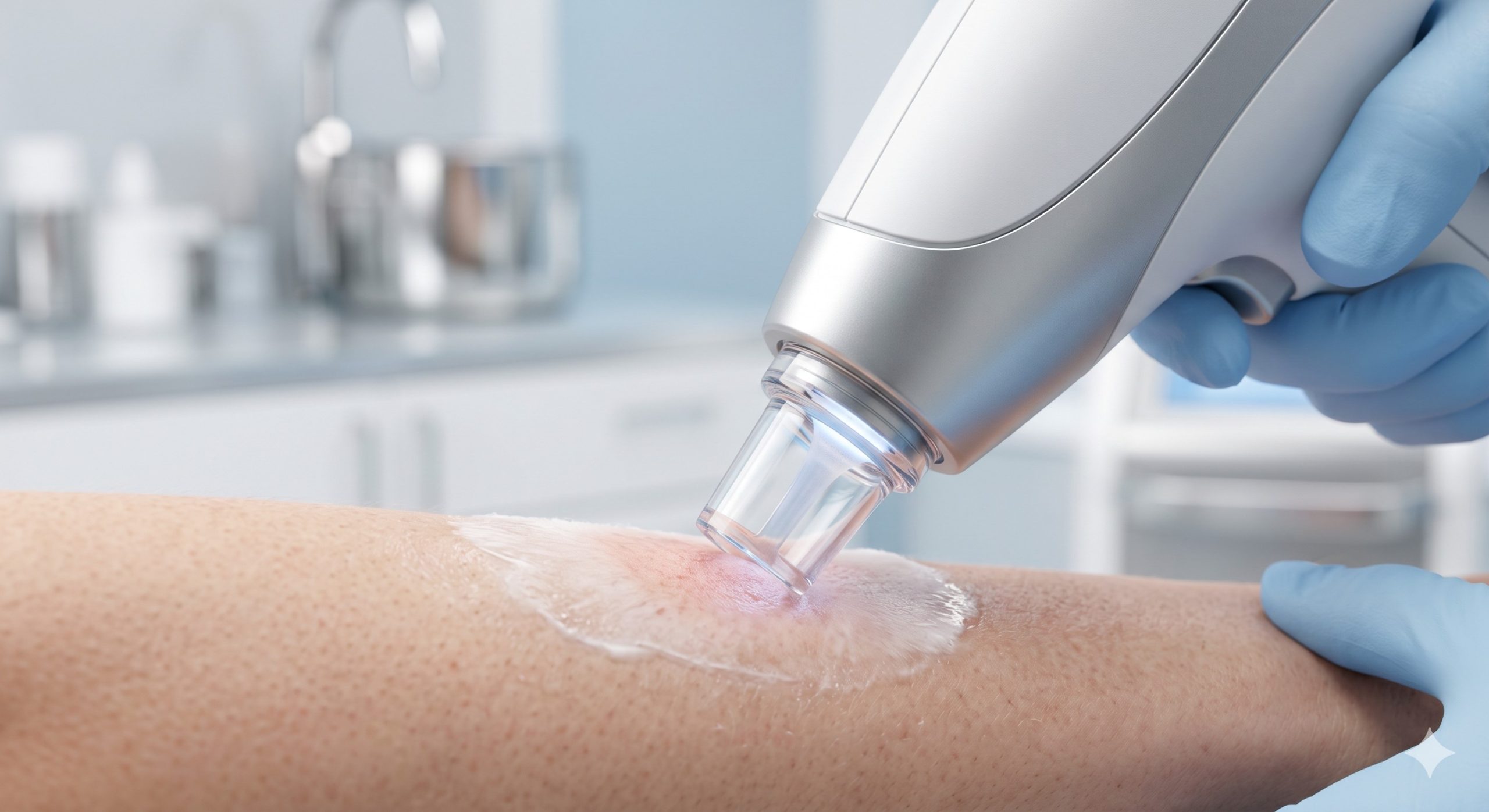
To answer ‘what is the cooling system in diode lasers’: it is the critical safety and comfort subsystem that enables clinical efficacy across all skin types. Without active contact sapphire cooling (TEC-driven), high-fluence diode lasers are unsafe for routine aesthetic use. As an elite clinic owner or purchaser, demand transparent cooling specifications: material (sapphire), temperature range, stabilization time, and duty cycle. Avoid devices with ‘air cooling only’ or unspecified window materials. For B2B buyers, partner with ISO 13485 manufacturers that provide long-term support for TEC modules and sapphire windows. Ultimately, the cooling system transforms a painful medical procedure into a tolerable, repeatable aesthetic service—directly elevating your clinic’s reputation and profitability.