How Does Laser Hair Removal Work? Science & Process Explained
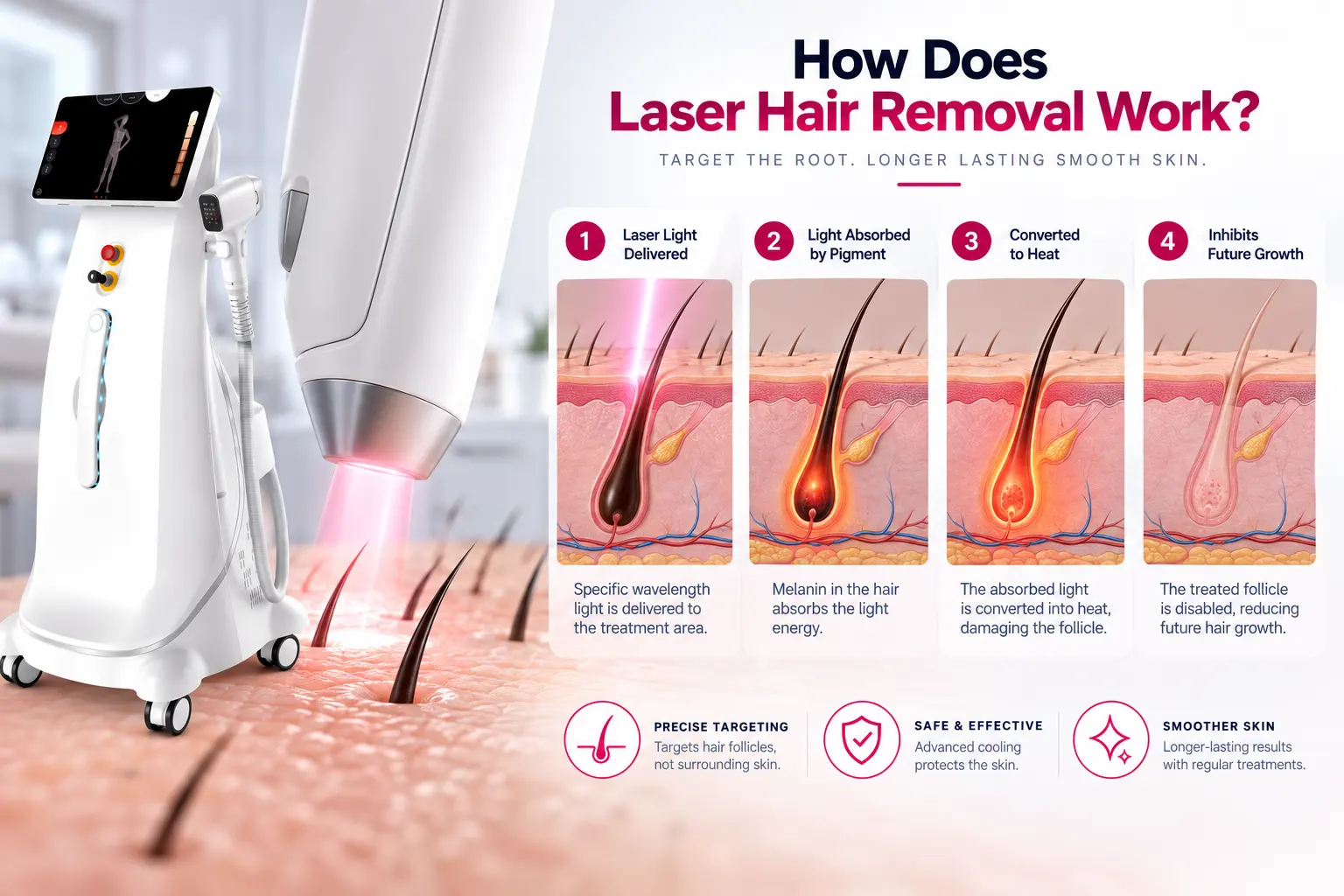
How does laser hair removal work? Professional laser hair removal uses controlled light energy to target pigment in the hair. The absorbed energy is converted into heat, which can damage structures associated with the hair follicle and reduce its ability to produce new hair.
The process depends on several factors working together, including wavelength, melanin absorption, pulse duration, fluence, cooling and the stage of the hair growth cycle. This is also why laser hair removal usually requires multiple treatment sessions rather than a single appointment.
Quick Answer: How Does Laser Hair Removal Work?
Laser hair removal works by directing a specific wavelength of light toward pigmented hair. Melanin in the hair absorbs part of the light energy and converts it into heat. When sufficient thermal energy reaches the follicular structures responsible for hair growth, future hair production can be reduced.
Because hairs move through different stages of the growth cycle and are not equally responsive at the same time, a course of multiple treatments is generally used. Results depend on hair color, skin characteristics, wavelength, treatment parameters and individual response.

How Laser Hair Removal Works on the Hair Follicle
To understand how laser hair removal works, it helps to separate the process into three basic steps: light delivery, absorption and thermal effect.
1. The Laser Delivers a Specific Wavelength of Light
A professional hair-removal laser produces light within a defined wavelength range. Different laser technologies use different wavelengths, which influences how the light interacts with melanin and how deeply it can penetrate into tissue.
Common professional hair-removal wavelengths include approximately 755 nm, 808/810 nm and 1064 nm. Some diode laser platforms combine multiple wavelengths within one treatment system.
2. Melanin in the Hair Absorbs the Light
Hair contains a natural pigment called melanin. When appropriately selected laser light reaches a pigmented hair, part of that optical energy can be absorbed by the melanin.
Dark, coarse hair generally provides a stronger optical target than white, gray or very light hair because it contains more pigment capable of absorbing the treatment wavelength.
3. Light Energy Is Converted Into Heat
After the laser energy is absorbed, it is converted into heat. The goal is to create a controlled thermal effect within the hair and associated follicular structures while limiting unnecessary heating of surrounding skin.
When the follicular target receives an appropriate thermal dose, its ability to produce future hair can be reduced.
What Is Selective Photothermolysis?
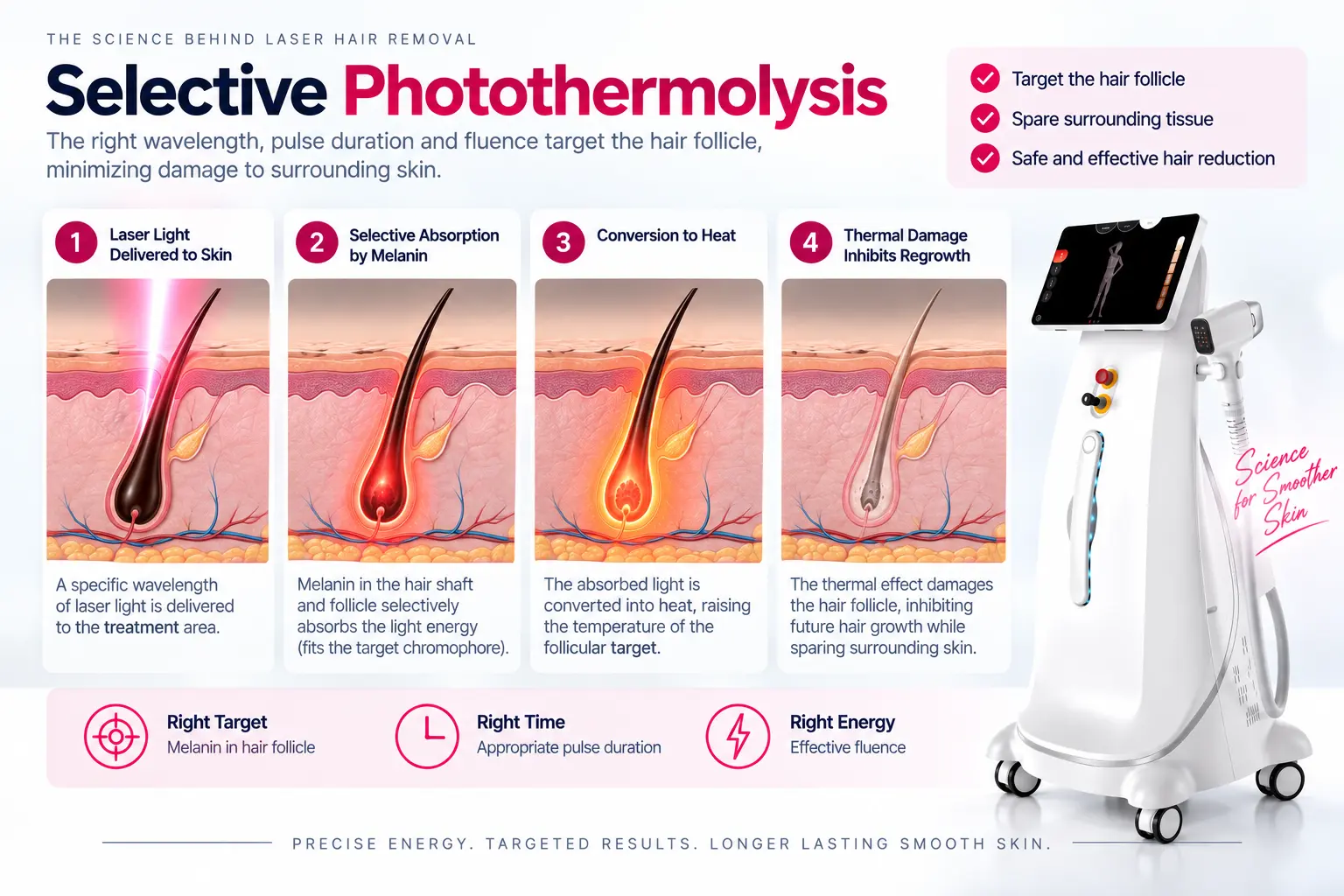
The principle behind modern laser hair removal is commonly explained through selective photothermolysis.
In simplified terms, the concept involves selecting light and treatment parameters so that a desired target absorbs sufficient optical energy to create a controlled thermal effect while reducing unnecessary injury to surrounding tissue.
For laser hair removal, melanin in pigmented hair is an important optical target. Wavelength, pulse duration, fluence, spot size and cooling all influence how energy is delivered.
For a deeper explanation of the underlying principle, see our guide to selective photothermolysis.
Why Does Laser Hair Removal Require Multiple Sessions?
One of the most important parts of understanding the laser hair removal process is understanding the hair growth cycle.
Hair follicles do not all grow synchronously. Individual hairs move through different biological stages, commonly described as:
- Anagen: the active growth phase
- Catagen: a transitional phase
- Telogen: a resting phase
Hair in the active growth stage generally provides a more useful target for laser hair reduction because the pigmented hair structure is more closely associated with the follicular structures involved in growth.
Since only a portion of hairs are in a favorable stage at any one time, repeated treatments allow additional hairs to be targeted as they progress through the growth cycle.
Learn more in our complete guide to the hair growth cycle and laser hair removal.
What Happens to the Hair After Laser Treatment?
Treated hair does not necessarily disappear immediately after the laser pulse. Some hairs remain visible temporarily and may gradually shed from the treated follicles over the following period.
Hair that later grows in the treated area may appear reduced in density or may become finer, depending on treatment response.
Laser hair removal is therefore more accurately described as a method for long-term or permanent hair reduction rather than a guarantee that every treated follicle will permanently stop producing hair.
Which Laser Wavelengths Are Used for Hair Removal?
Wavelength is one of the most important technical variables in professional laser hair removal because it influences melanin absorption, penetration depth and interaction with skin.
| Technology | Typical Wavelength | General Characteristic |
|---|---|---|
| Alexandrite Laser | 755 nm | Relatively strong melanin absorption |
| Diode Laser | Approximately 808/810 nm | Common professional hair-removal wavelength |
| Nd:YAG Laser | 1064 nm | Lower melanin absorption and deeper optical penetration |
| Multi-Wavelength Diode | Multiple wavelengths | Combines different wavelength characteristics in one platform |
Wavelength alone does not determine treatment quality. Fluence, pulse duration, spot size, cooling, operator technique and appropriate patient selection also matter.
How Does Diode Laser Hair Removal Work?
Diode laser hair removal commonly uses wavelengths around 808 or 810 nm, although professional platforms may use other or multiple diode wavelengths.
The fundamental mechanism remains the same: laser energy is delivered toward pigmented hair, absorbed by melanin and converted into heat within the follicular target.
Professional diode systems may also use contact cooling, larger treatment windows, different pulse structures and adjustable energy parameters to support clinical treatment across different areas and patient characteristics.
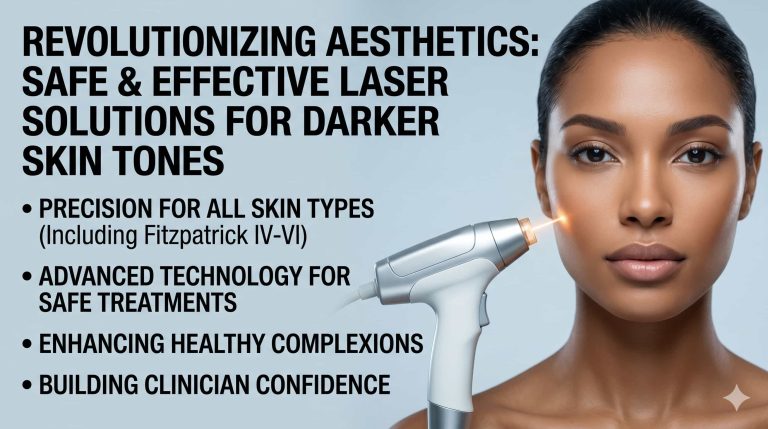
How Does Laser Hair Removal Work on Different Skin Types?
The challenge in laser hair removal is that melanin exists not only in hair but also in the epidermis. Skin with more epidermal pigment can therefore absorb more optical energy at certain wavelengths.
This makes wavelength selection, energy settings, pulse duration and cooling particularly important when treating different skin characteristics.
Professional assessment is important because treatment parameters should not be selected solely according to hair color. Skin characteristics, recent sun exposure, treatment area, hair density and device capabilities can all affect treatment planning.
Why Is Cooling Important During Laser Hair Removal?
Cooling is an important part of many professional laser hair removal systems. Its purpose is to help manage heat at the skin surface while laser energy is delivered toward the hair follicle.
Depending on the device, cooling may involve contact cooling, chilled surfaces, air cooling or other thermal-management methods.
Cooling does not replace correct treatment parameters. It works together with wavelength, pulse duration, fluence and treatment technique as part of the overall system design.
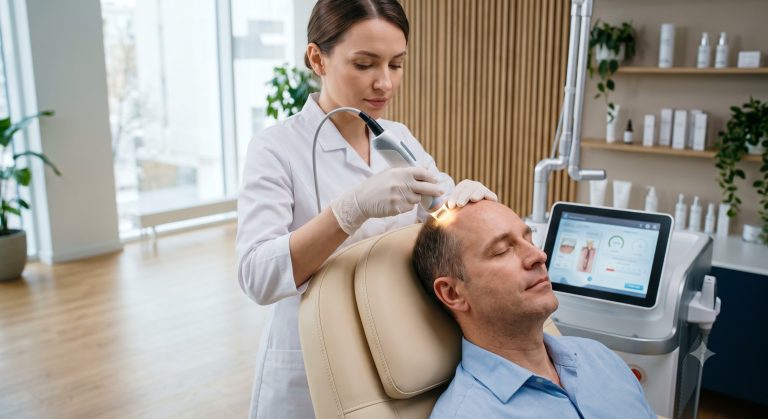
What Happens During a Laser Hair Removal Session?
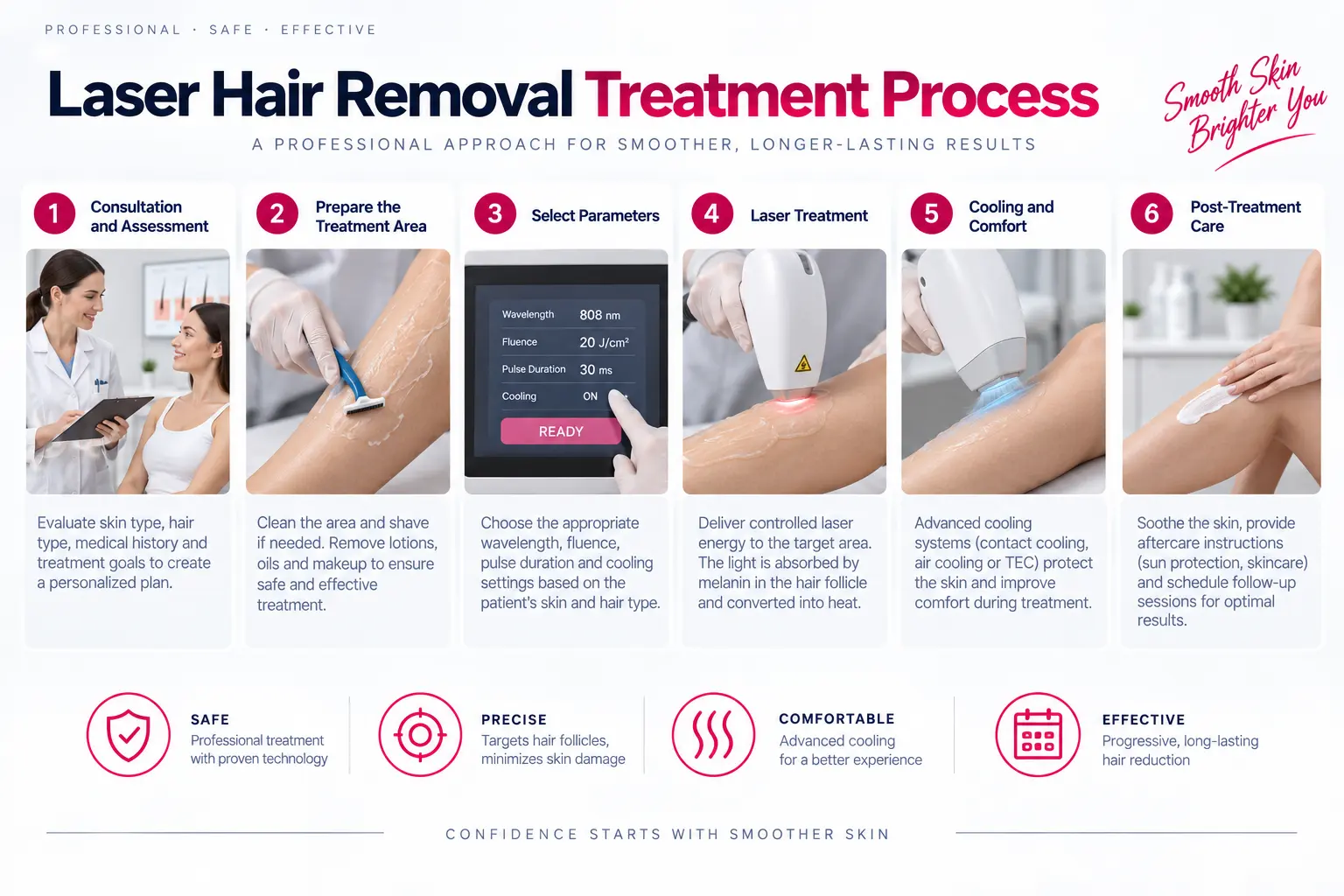
The exact workflow varies by clinic and device, but a professional laser hair removal session commonly involves several stages.
- Assessment: The provider evaluates the treatment area, hair characteristics, skin characteristics and relevant treatment history.
- Preparation: The treatment area is prepared according to the clinic’s protocol.
- Parameter selection: Appropriate wavelength and device settings are selected for the treatment.
- Laser delivery: The handpiece is moved across or positioned over the treatment area while controlled pulses are delivered.
- Cooling: The device or treatment protocol may use cooling before, during or after energy delivery.
- Post-treatment guidance: The provider gives appropriate aftercare instructions based on the treatment performed.
Does Laser Hair Removal Work Immediately?
Laser energy begins interacting with the targeted hair during treatment, but the visible cosmetic result is not necessarily immediate.
Treated hairs may shed gradually, and additional untreated or less-responsive hairs can become visible as the hair cycle progresses. This is one reason treatment results are normally evaluated across a series of sessions rather than after one appointment.
Does Laser Hair Removal Work Permanently?
Laser treatment can produce substantial long-term hair reduction, but it should not be presented as a guarantee that every hair follicle will be permanently eliminated.
Treatment response varies between individuals, and future hair growth can also be influenced by biological and hormonal factors. Some people may undergo maintenance treatments after the initial treatment course.
If you are comparing laser with other long-term hair-removal methods, see our guide to the best permanent hair removal methods.
Why Doesn’t Laser Hair Removal Work Well on White or Gray Hair?
The effectiveness of conventional laser hair removal depends heavily on the presence of an optical target.
White and gray hairs contain little or no melanin, which means there is less pigment available to absorb the laser energy. Very light blonde or red hair can also be more difficult to target effectively depending on pigment concentration and device characteristics.
This is a fundamental limitation of melanin-targeting laser hair removal rather than simply a matter of increasing laser power.
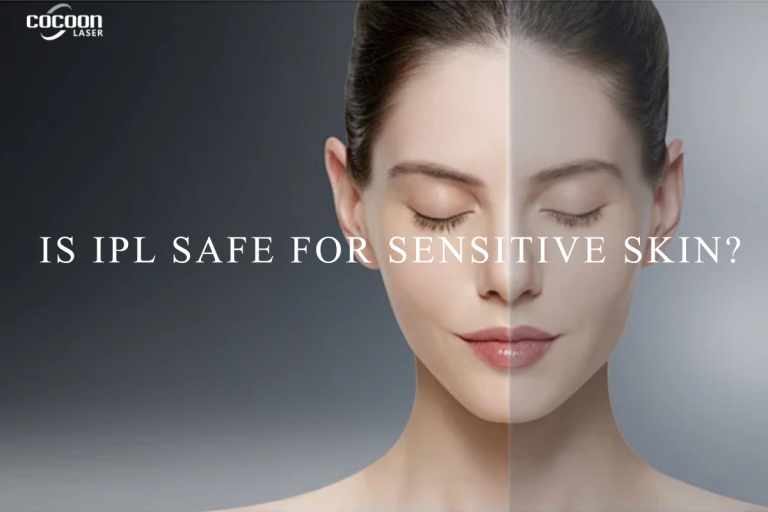
Laser Hair Removal vs IPL: Do They Work the Same Way?
Laser hair removal and IPL can both use melanin as an optical target, but they are not the same technology.
A laser produces light with more specific wavelength characteristics, while Intense Pulsed Light (IPL) uses broad-spectrum light that is filtered into selected wavelength ranges.
The technologies can therefore differ in spectral output, pulse delivery, treatment parameters and device design.
See our detailed IPL vs laser comparison for a deeper explanation of the differences.
How Much Does Laser Hair Removal Cost?
Because professional laser hair removal normally involves multiple appointments, treatment cost should be evaluated across the complete course rather than by looking only at the price of one session.
Prices can vary substantially according to treatment area, clinic location, technology, package structure and the number of sessions involved.
For detailed U.S. budgeting estimates covering the face, underarms, bikini area, Brazilian, legs, back and full body, see our complete guide to laser hair removal cost.
What Determines Whether Laser Hair Removal Works Well?
Successful laser hair reduction depends on more than simply choosing a laser wavelength. Important variables include:
- Hair color and melanin content
- Hair thickness and density
- Skin characteristics
- Hair growth stage
- Laser wavelength
- Fluence
- Pulse duration
- Spot size
- Cooling
- Treatment technique
- Device capabilities
- Individual biological response
This is why professional laser hair removal should be understood as a controlled treatment process rather than simply exposing hair to a high-powered light source.
Frequently Asked Questions
How does laser hair removal work?
Laser hair removal works by delivering controlled light energy toward pigmented hair. Melanin absorbs part of the energy and converts it into heat, creating a thermal effect in follicular structures associated with hair growth.
Does laser hair removal destroy the hair follicle?
Laser treatment is intended to create sufficient thermal injury within targeted follicular structures to reduce future hair production. Treatment response varies, so it should not be interpreted as guaranteed destruction of every follicle.
Why do you need multiple laser hair removal sessions?
Hair follicles are in different stages of the growth cycle at the same time. Repeated sessions allow additional hairs to be treated as they enter more responsive stages of growth.
Which hair color responds best to laser hair removal?
Dark, pigmented hair generally provides a stronger optical target because it contains more melanin. White and gray hairs contain very little melanin and are generally poor targets for conventional laser hair removal.
What wavelength is used for laser hair removal?
Common professional hair-removal wavelengths include approximately 755 nm, 808/810 nm and 1064 nm. Some professional diode systems combine multiple wavelengths.
How does diode laser hair removal work?
Diode laser hair removal delivers a selected diode wavelength toward pigmented hair. Melanin absorbs the optical energy, which is converted into heat within the follicular target.
Does laser hair removal work after one session?
One treatment can affect responsive hairs, but a complete result should not be expected after a single session because hairs are in different stages of the growth cycle.
Does laser hair removal work on blonde hair?
Response can be limited when blonde hair contains relatively little melanin. The less pigment present in the hair, the weaker the optical target for conventional melanin-based laser hair removal.
Does laser hair removal work on dark skin?
Professional laser treatment can be performed across different skin characteristics, but wavelength selection, treatment parameters and cooling require appropriate professional assessment because epidermal melanin also absorbs optical energy.
Is IPL the same as laser hair removal?
No. IPL uses filtered broad-spectrum light, while laser systems use more specific wavelength characteristics. Both may target melanin for hair reduction, but the underlying light sources and device designs differ.
Final Verdict
Laser hair removal works by using controlled light energy to target melanin in pigmented hair and create a thermal effect within follicular structures involved in hair growth.
The process is based on selective photothermolysis and depends on the interaction between wavelength, melanin absorption, pulse duration, fluence, cooling and the biological hair growth cycle.
Because not every hair is equally responsive at the same time, laser hair removal is generally performed as a series of treatments. The effectiveness of the process also depends on hair characteristics, skin characteristics, device technology, treatment parameters and individual response.