Fractional CO2 Laser vs CO2 Laser
Quick Answer
Fractional CO2 laser and traditional CO2 laser both use carbon dioxide laser technology for skin resurfacing, but they differ in energy delivery methods. Fractional CO2 laser creates microscopic treatment zones to support controlled healing, while traditional CO2 laser provides full-area ablation with stronger resurfacing effects and longer recovery periods.
What Is CO2 Laser Technology?
CO2 laser technology is an ablative laser treatment platform that uses a carbon dioxide wavelength of approximately 10,600nm. Because this wavelength is strongly absorbed by water molecules in skin tissue, it allows precise removal of damaged skin layers and controlled thermal stimulation.
Professional CO2 laser systems are widely used in aesthetic clinics for skin resurfacing, wrinkle reduction, acne scar improvement and collagen remodeling procedures.
What Is Fractional CO2 Laser Technology?
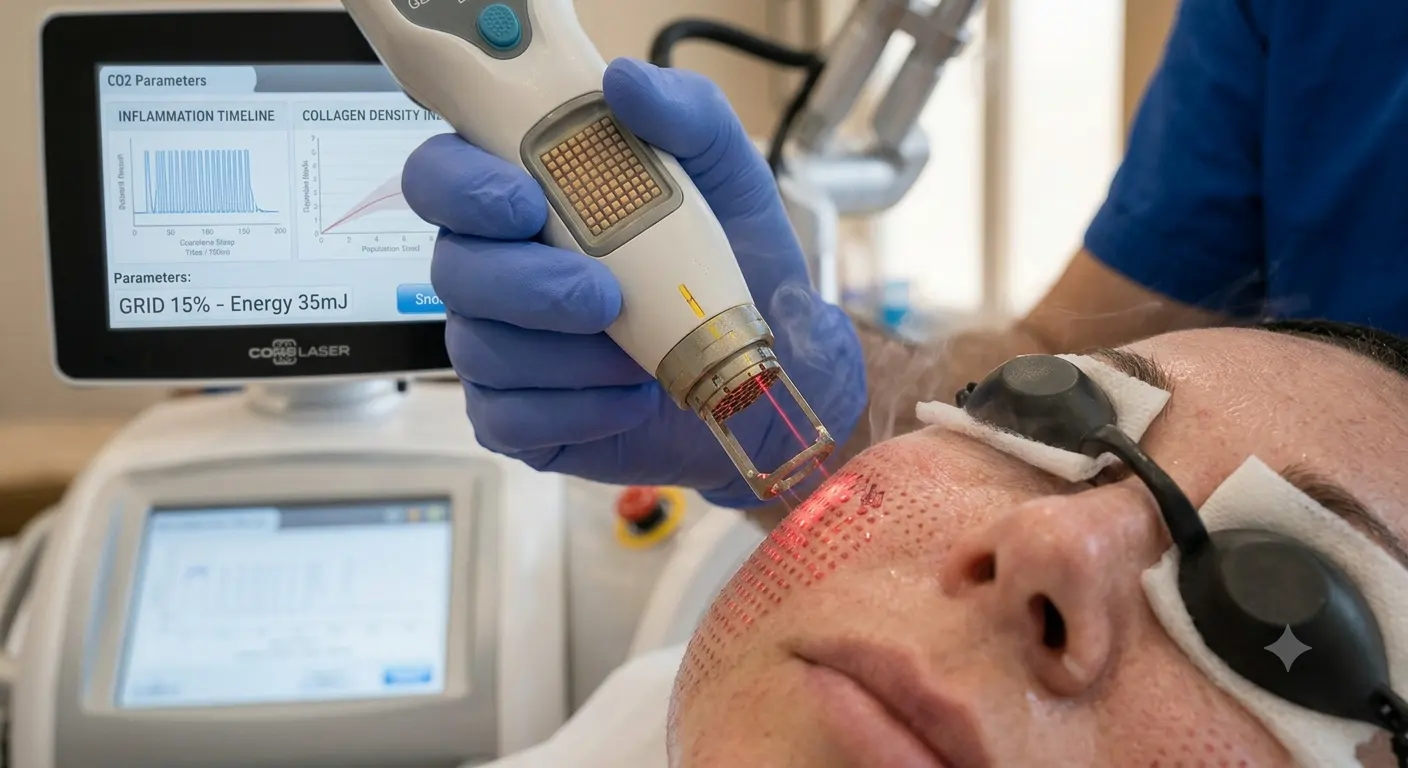
Fractional CO2 laser technology is an advanced approach that delivers laser energy through microscopic treatment columns instead of treating the entire skin surface continuously.
By creating controlled micro thermal zones, fractional CO2 laser systems preserve surrounding untreated tissue. This design supports faster recovery while maintaining effective resurfacing and collagen stimulation.
Modern aesthetic clinics commonly use fractional CO2 laser systems because they provide greater flexibility in adjusting treatment intensity, coverage density and recovery expectations.

Fractional CO2 Laser vs CO2 Laser: Key Differences
The main difference between fractional CO2 laser and traditional CO2 laser technology is how laser energy is delivered into the skin.
| Feature | Fractional CO2 Laser | Traditional CO2 Laser |
|---|---|---|
| Energy Delivery | Microscopic treatment columns | Full-area ablation |
| Treatment Coverage | Partial skin coverage | Complete treatment surface |
| Recovery | Generally shorter downtime | Longer recovery period |
| Customization | Highly adjustable | More aggressive treatment |
| Clinical Usage | Broad aesthetic applications | Intensive resurfacing procedures |
Treatment Depth Comparison: Fractional CO2 Laser vs CO2 Laser
One of the most important differences between fractional CO2 laser and traditional CO2 laser technology is the way treatment depth is controlled. Both technologies rely on controlled thermal energy, but their delivery patterns create different resurfacing effects.
Fractional CO2 Laser Treatment Depth
Fractional CO2 laser systems deliver laser energy into microscopic columns within the skin. These fractional treatment zones can be adjusted according to energy level, density and pulse parameters.
Because untreated skin remains between the treatment columns, the surrounding tissue helps support the natural healing process. This makes fractional CO2 laser technology suitable for many aesthetic applications requiring controlled resurfacing.
Traditional CO2 Laser Treatment Depth
Traditional CO2 laser systems treat the entire targeted surface area through ablative energy delivery. This approach can provide stronger resurfacing effects but generally creates more extensive tissue impact and longer recovery requirements.
Historically, traditional CO2 laser treatments were widely used for intensive resurfacing procedures. However, modern fractional technology has become increasingly popular because it provides greater customization for different patient needs.
Recovery and Downtime Comparison
Recovery time is one of the most important considerations when comparing fractional CO2 laser vs CO2 laser technology. Clinics must balance treatment effectiveness with patient comfort and downtime expectations.
| Recovery Factor | Fractional CO2 Laser | Traditional CO2 Laser |
|---|---|---|
| Initial Recovery | Usually shorter | Usually longer |
| Skin Redness | Temporary redness | More significant redness |
| Peeling / Healing | Controlled healing process | More intensive healing |
| Patient Convenience | Suitable for broader aesthetic use | Requires more downtime planning |
For many aesthetic clinics, fractional CO2 laser technology provides an effective balance between visible skin improvement and manageable recovery, making it a preferred choice for modern treatment workflows.
Results Comparison: Fractional CO2 Laser vs CO2 Laser
Both fractional CO2 laser and traditional CO2 laser treatments can stimulate collagen remodeling and improve skin quality. The difference is mainly related to treatment intensity, customization and recovery requirements.
Skin Texture Improvement
Both technologies can improve uneven skin texture by removing damaged tissue and stimulating new collagen formation. Fractional CO2 laser allows practitioners to adjust treatment density according to the patient’s skin condition.
Wrinkle Reduction
CO2 laser treatments are widely recognized for wrinkle improvement because thermal stimulation encourages collagen contraction and long-term remodeling.
Acne Scar Improvement
Fractional CO2 laser is commonly selected for acne scar treatment because controlled micro thermal zones can target scar tissue while supporting gradual skin renewal.
Skin Rejuvenation
For general facial rejuvenation, fractional CO2 laser systems provide flexible treatment options suitable for different skin concerns and patient expectations.
Clinical Applications: Which Technology Is Used More Often?
The choice between fractional CO2 laser and traditional CO2 laser depends on the treatment objective, patient profile and clinical workflow.
Fractional CO2 Laser Applications
- Facial skin rejuvenation
- Fine lines and wrinkles
- Acne scar resurfacing
- Skin texture improvement
- Pigmentation-related skin concerns
- Customized resurfacing protocols
Traditional CO2 Laser Applications
- Deep resurfacing procedures
- More aggressive tissue remodeling
- Advanced wrinkle correction
- Intensive resurfacing treatments
In modern aesthetic clinics, fractional CO2 laser systems are often preferred because they provide broader clinical flexibility while maintaining effective resurfacing performance.
Which CO2 Laser Technology Is Better for Aesthetic Clinics?
There is no single answer because the ideal technology depends on clinic positioning, patient expectations and treatment goals. However, many professional aesthetic clinics choose fractional CO2 laser systems because they support a wider range of procedures with customizable recovery profiles.
When selecting a CO2 laser system, clinics should evaluate:
- Treatment versatility
- Energy and pulse adjustment capability
- Fractional scanning precision
- Patient comfort features
- Manufacturer technical support
A professional fractional CO2 laser platform can help clinics provide multiple treatments from a single system, including skin resurfacing, wrinkle reduction and acne scar improvement.
How to Choose a Professional Fractional CO2 Laser Machine
For aesthetic clinics evaluating a fractional CO2 laser machine, choosing the right system requires more than comparing laser power. A professional CO2 laser platform should provide reliable performance, flexible treatment options and technology that supports different clinical applications.
1. Fractional Scanner Performance
The fractional scanner is one of the most important components of a modern CO2 laser system. Precise scanning technology helps create consistent treatment patterns and allows practitioners to control treatment density according to different skin conditions.
2. Adjustable Energy and Pulse Parameters
A professional fractional CO2 laser machine should provide adjustable treatment parameters, including energy output, pulse duration and scanning modes. These controls allow clinics to customize procedures for skin resurfacing, wrinkles and acne scar treatments.
3. Multiple Treatment Modes
Versatile CO2 laser systems may include different operating modes for various aesthetic applications. Flexible configurations allow clinics to expand treatment offerings without investing in multiple devices.
4. Cooling and Patient Comfort Features
Integrated cooling technology helps improve patient comfort during treatment and supports consistent clinical workflows, especially when performing repeated procedures.
5. Manufacturer Support and Certification
For clinics and distributors, selecting a reliable CO2 laser manufacturer is essential. Technical support, training resources, documentation and quality management systems all contribute to long-term equipment value.
Professional Fractional CO2 Laser Systems from CocoonLaser
CocoonLaser provides professional CO2 laser platforms designed for aesthetic clinics seeking advanced skin resurfacing technology, customizable treatment parameters and reliable clinical performance.
CO2 Star Fractional CO2 Laser System
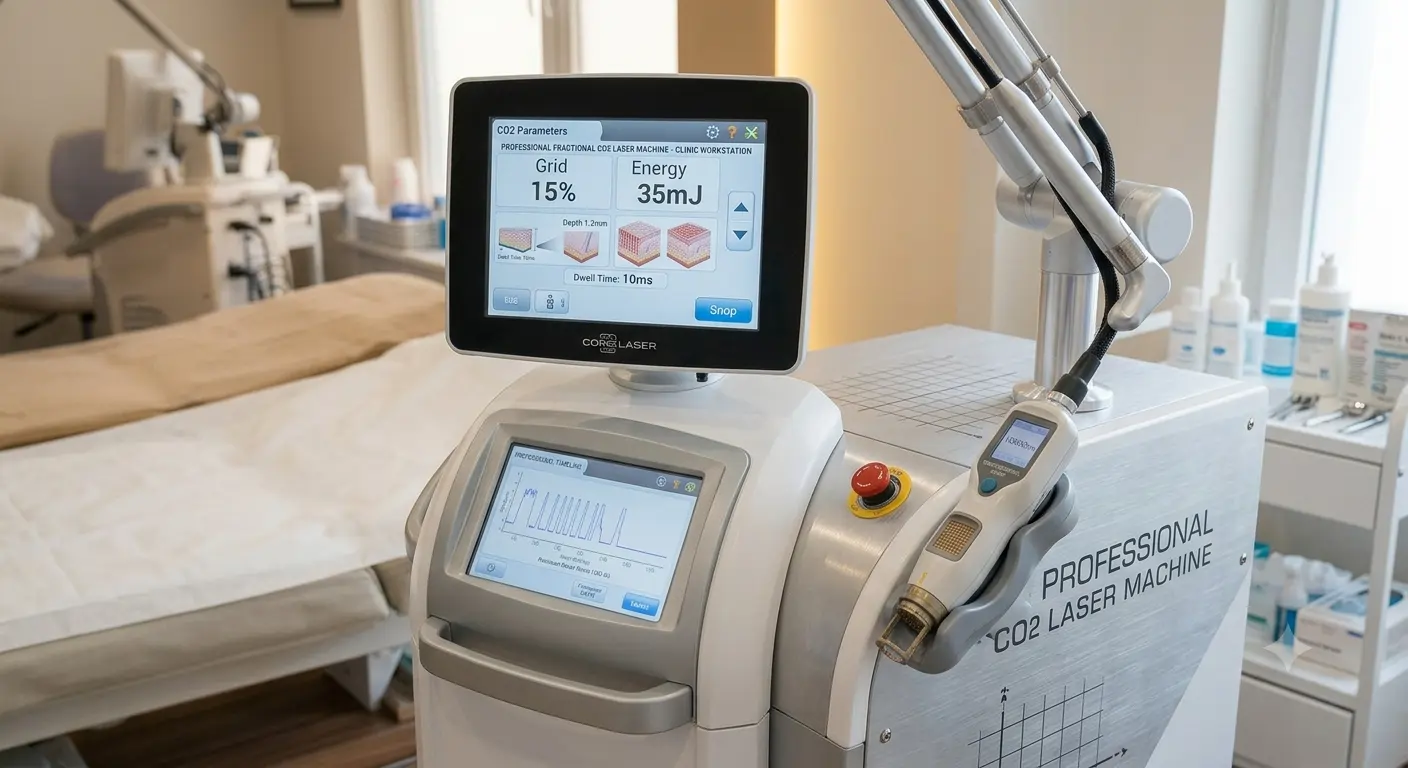
The CO2 Star is a professional fractional CO2 laser system designed for skin resurfacing, wrinkle reduction and acne scar improvement. Its adjustable treatment parameters allow clinics to develop customized resurfacing protocols for different patient needs.
CO2 4D Advanced CO2 Laser Platform
The CO2 4D provides an advanced CO2 laser solution combining multiple aesthetic treatment capabilities within one professional platform.
Frequently Asked Questions About Fractional CO2 Laser vs CO2 Laser
Is fractional CO2 laser better than traditional CO2 laser?
Fractional CO2 laser technology is often preferred for modern aesthetic clinics because it provides controlled treatment delivery, customizable parameters and generally more manageable recovery compared with traditional full-field CO2 laser resurfacing.
What is the main difference between fractional CO2 laser and CO2 laser?
The main difference is energy delivery. Fractional CO2 laser creates microscopic treatment zones, while traditional CO2 laser treats the entire target area through ablative resurfacing.
Does fractional CO2 laser have less downtime?
In many cases, fractional CO2 laser treatments involve a more controlled recovery process because surrounding untreated tissue supports natural healing.
Which CO2 laser is best for acne scars?
Fractional CO2 laser is commonly selected for acne scar treatment because it provides controlled resurfacing and collagen stimulation while allowing practitioners to customize treatment intensity.
Can fractional CO2 laser treat wrinkles and skin aging?
Yes. Fractional CO2 laser treatments are widely used for wrinkle reduction, skin texture improvement and collagen remodeling as part of professional facial rejuvenation procedures.
How do clinics choose a CO2 laser system?
Clinics should evaluate treatment flexibility, scanner precision, energy control, safety features, manufacturer support and certification when selecting a professional CO2 laser system.
Final Thoughts: Fractional CO2 Laser vs CO2 Laser
Both fractional CO2 laser and traditional CO2 laser technologies remain valuable options for professional skin resurfacing. The best choice depends on treatment goals, patient expectations and clinic positioning.
For many modern aesthetic clinics, fractional CO2 laser technology provides an effective balance between treatment performance, customization and recovery management. Its ability to support multiple applications makes it a practical solution for clinics expanding their skin rejuvenation services.
Understanding the differences between fractional CO2 laser and traditional CO2 laser helps clinics make informed decisions when investing in professional laser equipment.
Explore CocoonLaser professional CO2 laser solutions, including CO2 Star and CO2 4D , for advanced aesthetic treatment applications.