Painless Aesthetic Treatments: How the Diode Laser Hair Removal Cooling System Works
Overview
For clinic owners and dermatologists, patient comfort is a pivotal factor in treatment adherence and business reputation. The question ‘Is the Diode laser hair removal procedure painful?’ is the single most frequent pre-sales inquiry. This FAQ addresses that concern directly, detailing the advanced engineering—particularly the integrated contact cooling systems—that transforms the patient experience. We also cover essential pre-sales and post-sales aspects crucial for a thriving aesthetic practice.
Frequently Asked Questions
Q1: Is Diode laser hair removal painful, and how does the cooling system help?
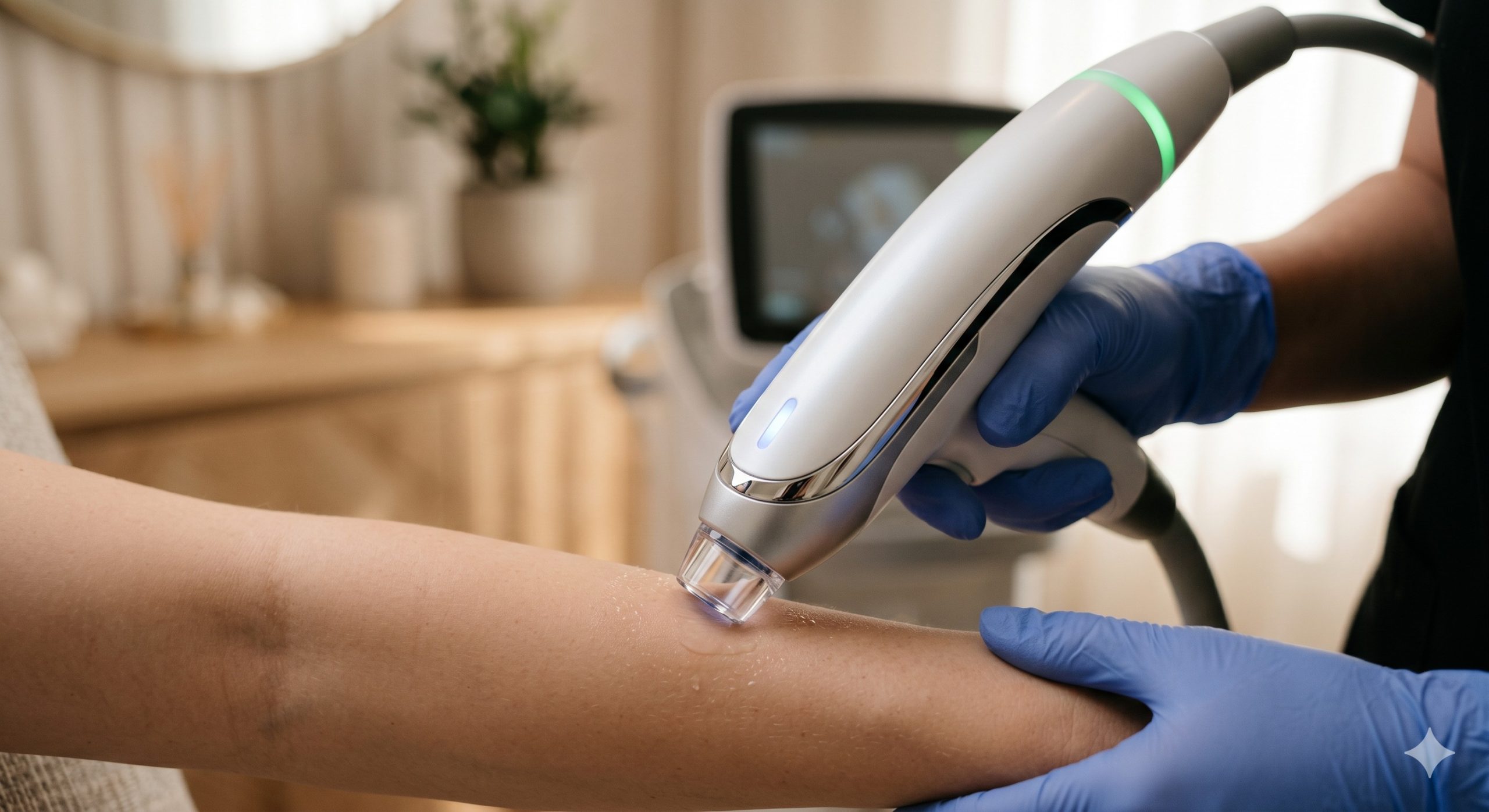
No, with modern medical-grade diode lasers, the procedure is typically described as a mild snapping sensation rather than sharp pain. This comfort is achieved through sophisticated contact cooling technology built into the handpiece. The cooling system lowers the skin’s epidermal temperature both before and immediately after the laser pulse, creating a protective buffer that minimizes thermal injury to the outer skin layers while allowing the 800-810nm wavelength to target the hair follicle effectively.
Q2: What is the specific technology behind the ‘pain-free’ claim for diode lasers?
The claim is grounded in the principle of selective photothermolysis combined with active cooling. The handpiece typically features a sapphire tip that operates at a constant temperature between -5°C and 0°C. This tip cools the dermis before the laser fires and continues to cool it afterwards. By chilling the superficial skin, it raises the pain threshold and reduces the risk of burns, ensuring the patient’s experience is highly tolerable and comfortable throughout the session.
Q3: Is Diode laser hair removal suitable for all skin types, including Fitzpatrick V and VI?
Yes, high-quality diode lasers are considered safe and effective for all Fitzpatrick skin types I-VI. The extended wavelength (often 810nm) penetrates deeply enough to bypass the melanin in the epidermis that is more prevalent in darker skin tones. When combined with the advanced contact cooling systems, the risk of hyperpigmentation or burning is significantly minimized, making it a versatile choice for a diverse client base.
Q4: How does the patient comfort compare between Diode lasers and traditional IPL or Alexandrite lasers?
Diode lasers generally offer a superior comfort profile compared to Alexandrite and IPL devices. Alexandrite lasers (755nm) are absorbed more heavily by melanin in the epidermis, often causing a more painful ‘stinging’ sensation and being less safe for darker skin. IPL is less focused, producing a broader, more intense heat sensation. The diode laser’s deeper penetration and advanced cooling system provide a notably gentler and more predictable treatment experience.
Q5: What maintenance is required to keep the cooling system functioning optimally for painless treatments?
Maintaining the water circulation and cooling circuit is essential for consistent, pain-free treatments. The primary maintenance tasks include regular cleaning of the water filter every 2-3 months and replacing the distilled or deionized water every 6-12 months to prevent mineral buildup. Additionally, the sapphire window on the handpiece must be cleaned with a soft cloth and isopropyl alcohol after each session to ensure optimal light transmission and cooling efficiency.
Q6: Can operators adjust cooling levels to manage patient pain thresholds during a session?
Yes, advanced diode laser systems offer adjustable cooling levels. The operator interface allows clinicians to fine-tune the cooling intensity from a pre-set baseline. This is particularly useful for treating different anatomical areas (e.g., a sensitive bikini line vs. a less sensitive leg) or for accommodating individual patient tolerance. Having this control empowers clinicians to personalize treatment parameters in real-time to maximize patient comfort and safety.
Q7: Is there any downtime or post-treatment pain associated with the procedure?
There is virtually zero downtime, and post-treatment pain is rare. Patients may experience mild, transient erythema (redness) and a slight warming sensation, which typically subsides within 1 to 24 hours. The cooling system not only prevents pain during the procedure but also reduces the inflammatory response post-treatment, meaning patients can return to their normal activities immediately, a key factor for clinic retention and satisfaction.