How to Choose a Diode Laser Machine: A Clinical & ROI Deep Dive for Clinics (2026 Update)
Introduction
As a clinic owner or medical director, you face a critical decision: investing in a diode laser machine that promises rapid hair reduction but often delivers inconsistent results, patient discomfort, or high consumable costs. Legacy systems frequently struggle with low fluence stability, small spot sizes that slow treatment, and inadequate cooling for darker skin types. The solution lies in understanding the clinical engineering behind how to choose a diode laser machine that maximizes efficacy, safety, and return on investment. This guide provides a data-driven framework based on 15 years of industry benchmarks, regulatory standards (Medical CE, FDA 510(k), ISO 13485), and real-world clinic performance metrics.
Core Technology & Clinical Efficacy
Selective Photothermolysis & Wavelength Optimization
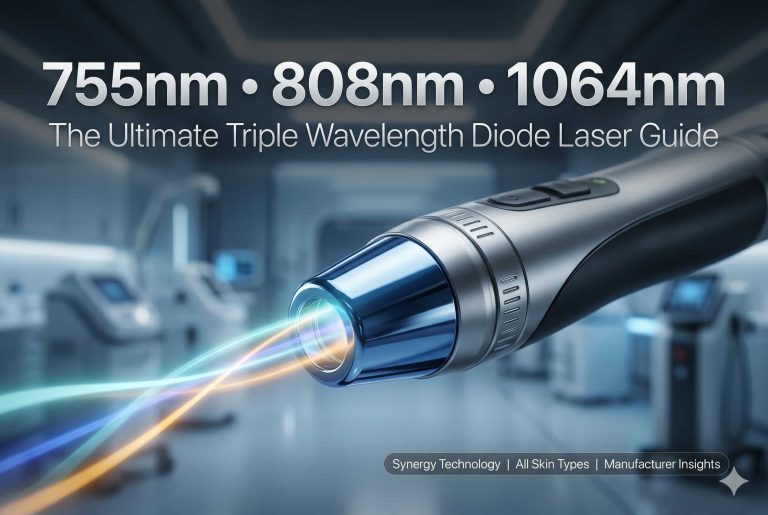
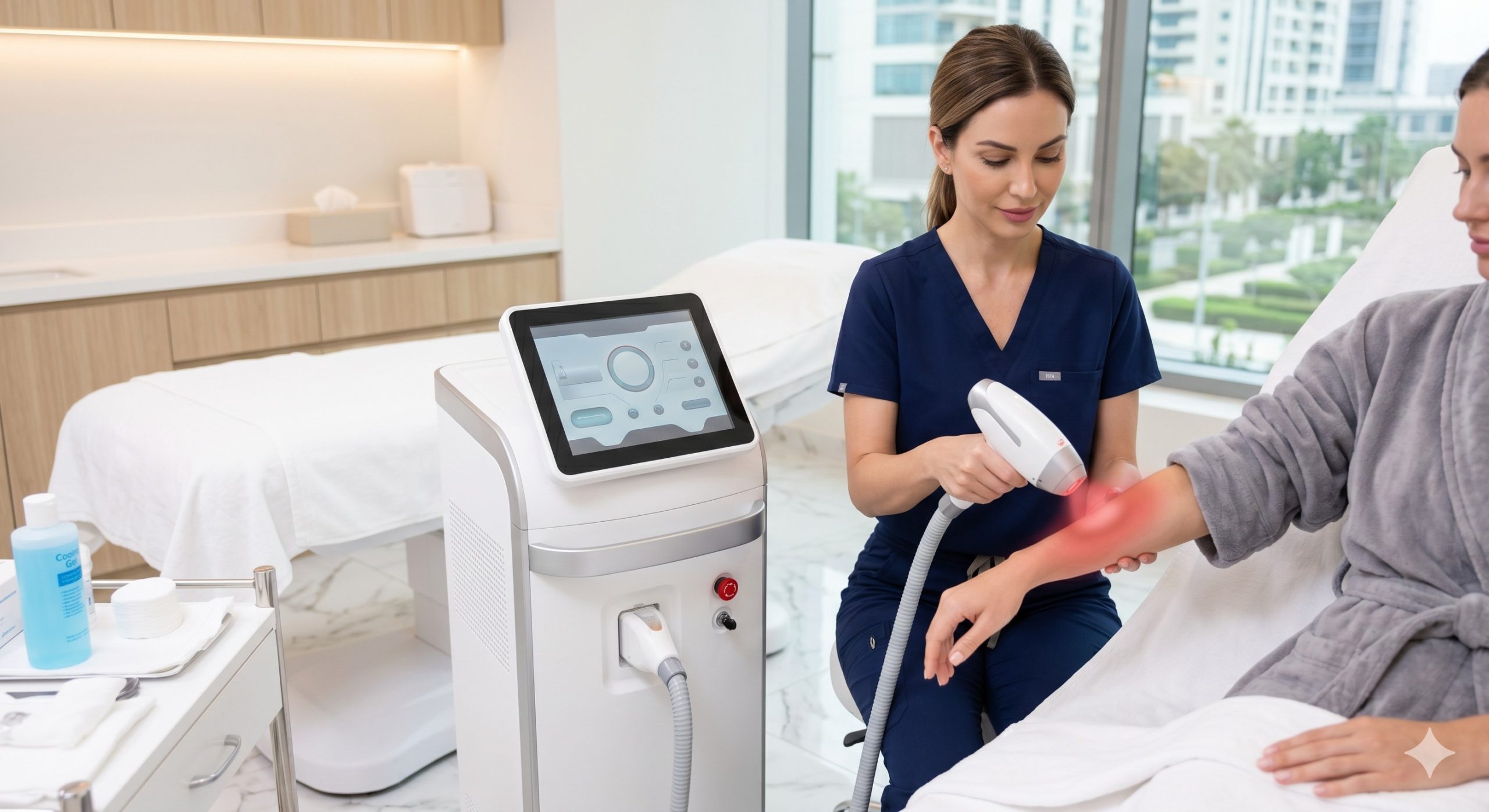
The fundamental mechanism of a diode laser machine is selective photothermolysis: targeting melanin in the hair follicle while sparing surrounding tissue. For permanent hair reduction, the optimal absorption window is achieved by triple-wavelength or dual-wavelength systems (e.g., 755nm, 808nm, 1064nm). 808nm diode laser offers the deepest penetration with balanced melanin absorption, making it the gold standard for Fitzpatrick skin types II-V. Adding 755nm targets fine and superficial hairs, while 1064nm reduces epidermal risk for type V-VI skin. Avoid single-wavelength 808nm-only machines if you treat diverse demographics.
Advanced Cooling: The Safety & Comfort Differentiator
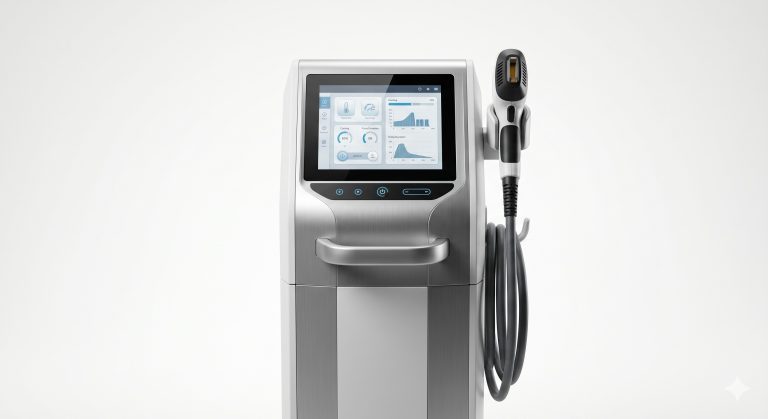
Thermal damage to the epidermis limits maximum usable fluence. High-end diode laser machines integrate Sapphire contact cooling (thermoelectric/TEC) with temperatures between -5°C and +5°C. Look for systems that provide real-time skin temperature monitoring and adjustable cooling levels. Without this, your clinic will face higher rates of post-inflammatory hyperpigmentation (PIH) and patient drop-off.
Technical Specifications
To objectively evaluate a how to choose a diode laser machine decision matrix, demand the following specifications from any vendor. Subpar specifications directly reduce clinical outcomes and increase per-treatment time.
| Key Parameter | Technical Specification | Clinical Minimum Requirement |
|---|---|---|
| Wavelength / Laser Type | Triple-Wavelength Diode (755nm / 808nm / 1064nm) | At least dual-wavelength (808+1064nm) |
| Maximum Fluence (Energy Density) | ≥ 50 J/cm² at 808nm | ≥ 35 J/cm² for deep follicles |
| Pulse Width Range | 5ms – 400ms (submillisecond adjustable) | 10ms – 200ms for all Fitzpatrick types |
| Spot Size | 15mm x 15mm (square or rectangular) | ≥ 12mm x 12mm to avoid slow treatments |
| Cooling System | Active TEC Sapphire Contact Cooling (-5°C to +10°C) + Skin temperature feedback loop | Sapphire contact cooling mandatory for type IV+ skin |
| Repetition Rate | ≥ 3 Hz (continuous) | ≥ 2 Hz for commercial clinic use |
| Laser Shot Lifespan (Consumable Cost) | ≥ 5 million shots (zero consumable) | ≥ 2 million shots to avoid early replacement |
| Regulatory Certifications | Medical CE (MDR 2017/745), FDA 510(k), ISO 13485 | Minimum Medical CE Class IIb and ISO 13485 |
Treatment Areas & Indications
A versatile diode laser machine must clinically perform across multiple body zones and all Fitzpatrick skin types. The table below shows approved indications with required fluence ranges and pulse durations.
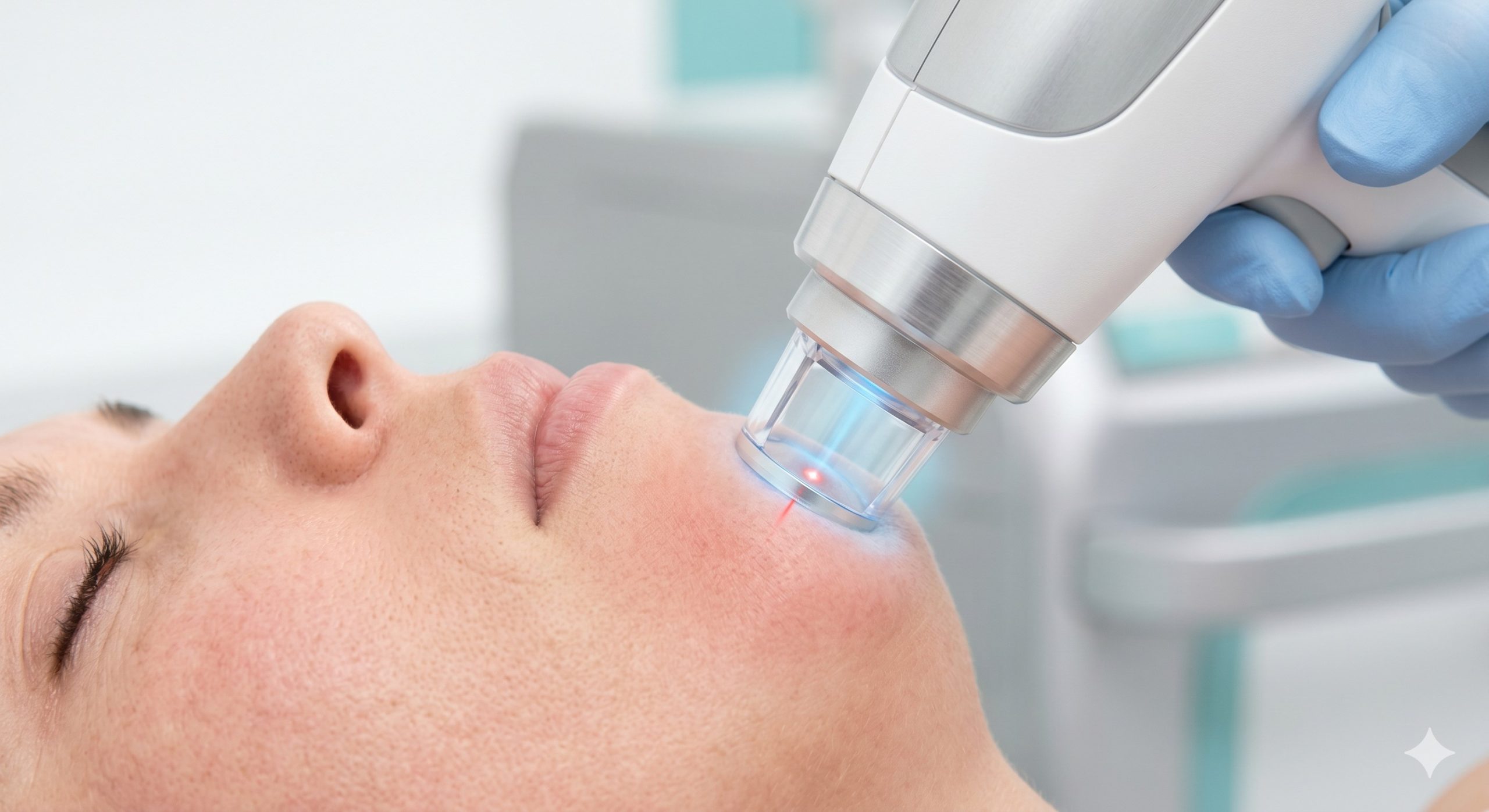
- Face & Neck: Fine hair (755nm, 10-14 J/cm², 5ms pulse width)
- Underarms & Bikini: Coarse terminal hair (808nm, 18-25 J/cm², 10-30ms)
- Legs & Arms: Large surface area demands spot size ≥ 12mm x 12mm and repetition rate ≥ 2Hz
- Back & Chest (male): Deep follicles need 1064nm, fluence 25-35 J/cm², wide spot size
- Fitzpatrick V-VI: Must use 1064nm long pulse (30-60ms) and TEC cooling below 0°C
Clinic ROI & Competitive Advantage
When evaluating how to choose a diode laser machine, calculate total cost of ownership (TCO) over 36 months. Legacy IPL or alexandrite systems require consumables (lamps, tips) costing $3,000–$7,000 annually. Modern diode laser machines offer >2 million shots without consumables, reducing marginal cost per shot to near zero. Treatment speed: a 15mm x 15mm spot size covers 225mm² per pulse vs. 64mm² for an 8mm round spot — 3.5x faster treatments, allowing 8-10 additional patients per week. At $150 average ticket price, that’s $4,800–$6,000 weekly added revenue. ROI breakeven typically occurs within 5-8 months for high-volume clinics. Additionally, sapphire cooling and multi-wavelength capability create a premium service tier (e.g., pain-free diode laser) that commands 30% higher pricing than standard hair removal services.
Conclusion
Choosing the right diode laser machine is a strategic decision that impacts clinical reputation, patient safety, and bottom-line profitability. Prioritize units with Medical CE and FDA clearance, ISO 13485 manufacturing certification, triple-wavelength capability (755/808/1064nm), active TEC sapphire cooling, and a spot size ≥ 12mm x 12mm. Avoid rebranded low-fluence devices without validated clinical studies. For the forward-thinking aesthetic business, investing in a premium diode laser machine is not an expense — it is a scalable asset that drives recurring high-margin revenue and superior patient outcomes.