Cost of Professional CO2 Laser Machine: 2025 Clinical Deep Dive & ROI Guide for Clinics
Introduction: The Economic Reality Behind High-Performance CO2 Resurfacing
For today’s medical aesthetics clinic, balancing capital expenditure with clinical outcomes is a constant challenge. Many practices face the pain point of lengthy treatment times, patient discomfort during fractional resurfacing, and the high consumable costs associated with legacy ablative platforms. Understanding the true cost of professional CO2 laser machine technology—beyond the base price tag—is the first step toward sustainable profitability. A modern, medically compliant CO2 system (10,600nm wavelength, Medical CE and FDA clearance, ISO 13485 certified) offers not only superior efficacy for deep rhytides and atrophic scars but also a decisive competitive advantage through faster downtime recovery and higher patient throughput.
Core Technology & Clinical Efficacy: Beyond Traditional Ablation
Mechanism of Action: Fractional Photothermolysis
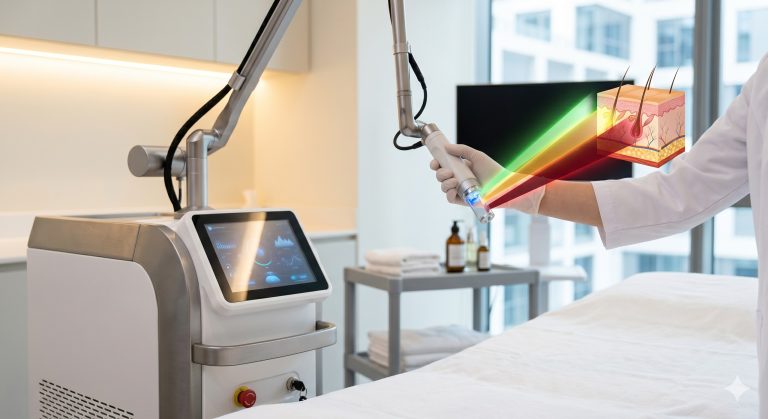
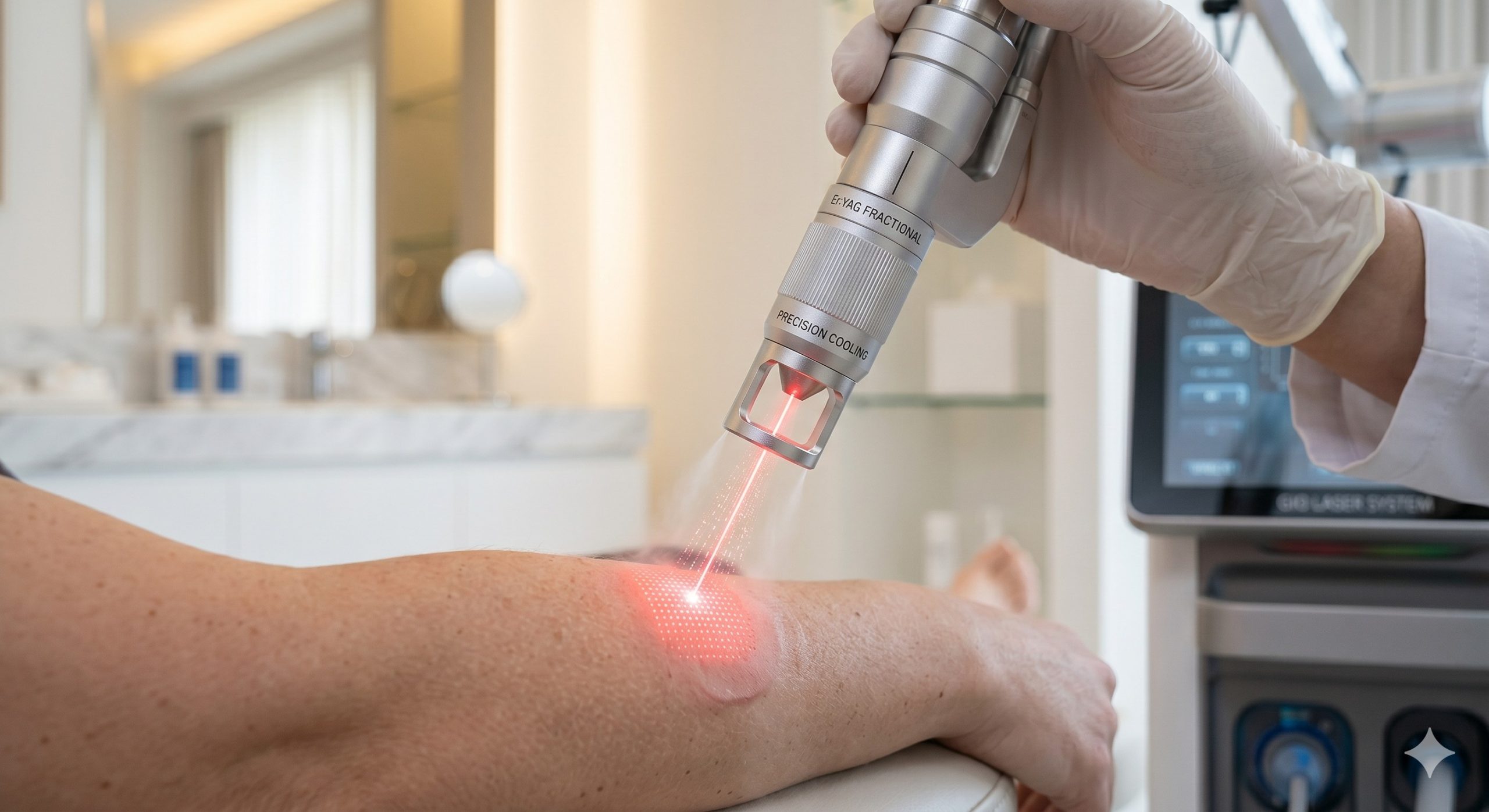
Unlike fully ablative CO2 lasers that vaporize entire treatment zones, modern professional systems utilize fractionated scanning technology to create microscopic treatment zones (MTZs) of 50–150µm diameter. This leaves intervening healthy tissue intact, dramatically accelerating re-epithelialization and reducing the risk of prolonged erythema or dyspigmentation. The precise fluence (energy density) typically ranges from 10 to 150 mJ/MTZ, while spot size (e.g., 120µm to 1.2mm) and pulse width (optimized in the microsecond range for thermal confinement) are adjustable to match patient Fitzpatrick skin types I–IV.
Advanced Cooling & Safety Systems
To protect the epidermis while delivering therapeutic heat to the dermis (target temperatures of 55–70°C for collagen contraction), premium systems integrate Sapphire contact cooling (typically 0°C to +5°C) or cryogen spray cooling (CSC) with dynamic adjustment. Additional safety features include real-time impedance monitoring and a calibrated handpiece that ensures consistent fluence across the entire scan field, which directly impacts clinical reproducibility and reduces the risk of adverse events like post-inflammatory hyperpigmentation (PIH).
Technical Specifications That Drive Cost & Performance
When evaluating the cost of professional CO2 laser machine, the hardware specifications dictate both upfront price and long-term value. High-end systems are built with sealed, RF-excited CO2 laser tubes (offering 40–100W of output power, significantly longer lifetimes than DC-excited tubes) and integrated scanning galvanometers for high-speed pattern delivery. Below are the critical parameters to compare:
| Key Parameter | Technical Specification (Professional Fractional CO2) |
|---|---|
| Wavelength / Laser Type | 10,600nm (CO2) / Sealed RF-Excited Tube |
| Cooling System | Sapphire Contact Cooling (+0°C to +5°C) + Optional Cryogen Spray |
| Scanning Pattern & Spot Size | Square / Hex / Grid; 0.12mm – 1.2mm |
| Energy Density (Fluence) | 10 – 150 mJ/MTZ (Microscopic Treatment Zone) |
| Max Coverage Density | Up to 65% per pass |
| Safety Certifications | Medical CE (MDR), FDA 510(k), ISO 13485 |
Treatment Areas & Indications: Expanding Your Clinic’s Service Menu
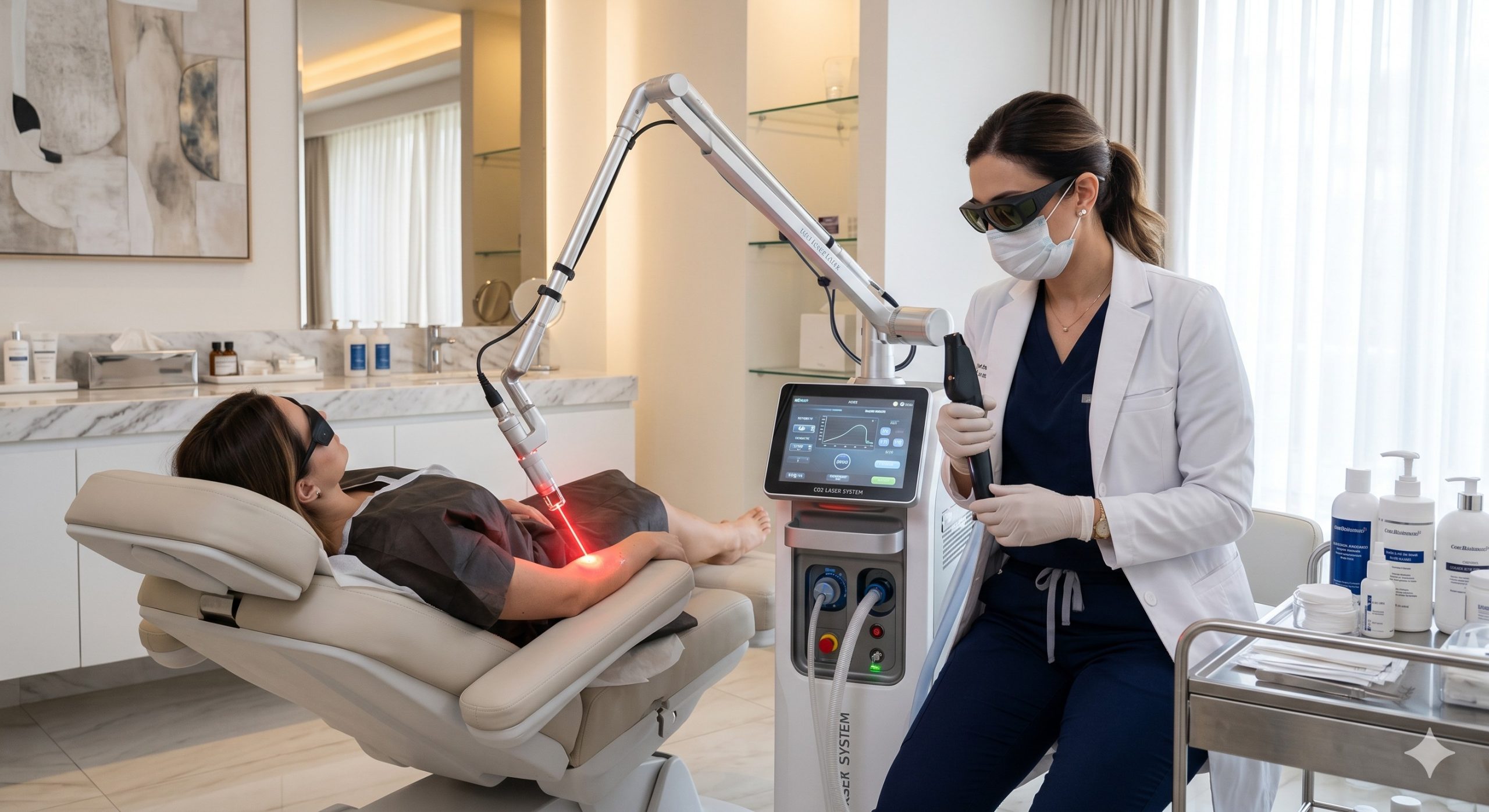
The versatility of a professional CO2 laser directly justifies its investment. Clinics can target both facial and extra-facial areas, with the ability to switch between ablative fractional (deep dermal remodeling) and micro-ablative (superficial tone/texture) modes. Key indications include:
- Deep perioral and periocular rhytides (wrinkles)
- Atrophic acne scars (rolling, boxcar, and ice pick types)
- Surgical scars & traumatic scars (improving pliability and color match)
- Actinic cheilitis & benign epidermal lesions (seborrheic keratoses, syringomas)
- Xanthelasma & rhinophyma (vascular and soft tissue contouring)
For darker Fitzpatrick skin types (IV–V), experienced operators use lower fluences (<30 mJ/MTZ) and higher densities (>20%) with prophylactic skin preparation (hydroquinone, retinoids) to mitigate PIH risk, making the system’s adjustable pulse duration and cooling precision paramount.
Clinic ROI & Competitive Advantage: Why Technology Outweighs Price
While the cost of professional CO2 laser machine ranges from $45,000 to $150,000+ depending on brand (e.g., Lumenis, Candela, Deka, Alma) and included handpieces, the ROI is compelling. Legacy alternatives like fully ablative CO2 require longer anesthesia, slower treatment speeds (often 20–40 mins per full face), and extended recovery (10–14 days). Modern fractional CO2 systems reduce per-session time to 10–20 minutes for full face, with average patient charge of $1,500–$3,500 per session. Even at a modest 2 sessions/week, a clinic can recover the machine cost within 6–9 months. Furthermore, there are zero consumables (unlike IPL or HIFU tips), and the laser tube lifespan of 8,000–20,000 hours ensures a low cost-per-pulse. Incorporating this technology also elevates your clinic’s reputation, attracting patients seeking gold-standard scar revision and skin tightening. In the evolving landscape of generative search, clinics that invest in medically cleared, high-spec CO2 platforms will dominate local and specialty SEO for laser resurfacing near me and best CO2 laser for acne scars.
Forward-Looking Summary for Aesthetic Businesses
The decision to purchase a CO2 laser should never be based on initial price alone. Evaluate warranty terms (minimum 2 years on tube), clinical evidence (peer-reviewed studies for your target indications), and manufacturer training support. As non-ablative technologies continue to improve, the deep dermal remodeling power of CO2 remains irreplaceable. For clinics aiming to offer a complete solution from superficial photofacials to deep surgical scar revision, a professional CO2 platform is not an expense—it is a core asset that drives both clinical excellence and recurring revenue.