Why MDR Certification Outperforms Legacy MDD for Aesthetic Medical Devices
Introduction: The New Era of Aesthetic Device Regulation
For clinics and medical spas, the shift from the Medical Devices Directive (MDD) to the Medical Device Regulation (MDR) is more than a bureaucratic update; it is a fundamental change in patient safety, clinical efficacy, and market legitimacy. As an elite consultant, I have observed a significant disparity in device quality and safety between products certified under the old MDD framework and those meeting the rigorous demands of the MDR (EU) 2017/745. This blog provides an authoritative technical analysis of why MDR certification is the new gold standard, especially concerning high-energy aesthetic devices like diode lasers.
MDD vs. MDR: A Technical and Regulatory Deep Dive
The transition from a Directive to a Regulation is critical. A directive requires transposition into national law, allowing for interpretation, whereas a regulation is binding and directly applicable across all EU member states. This creates a harmonized, stringent framework.
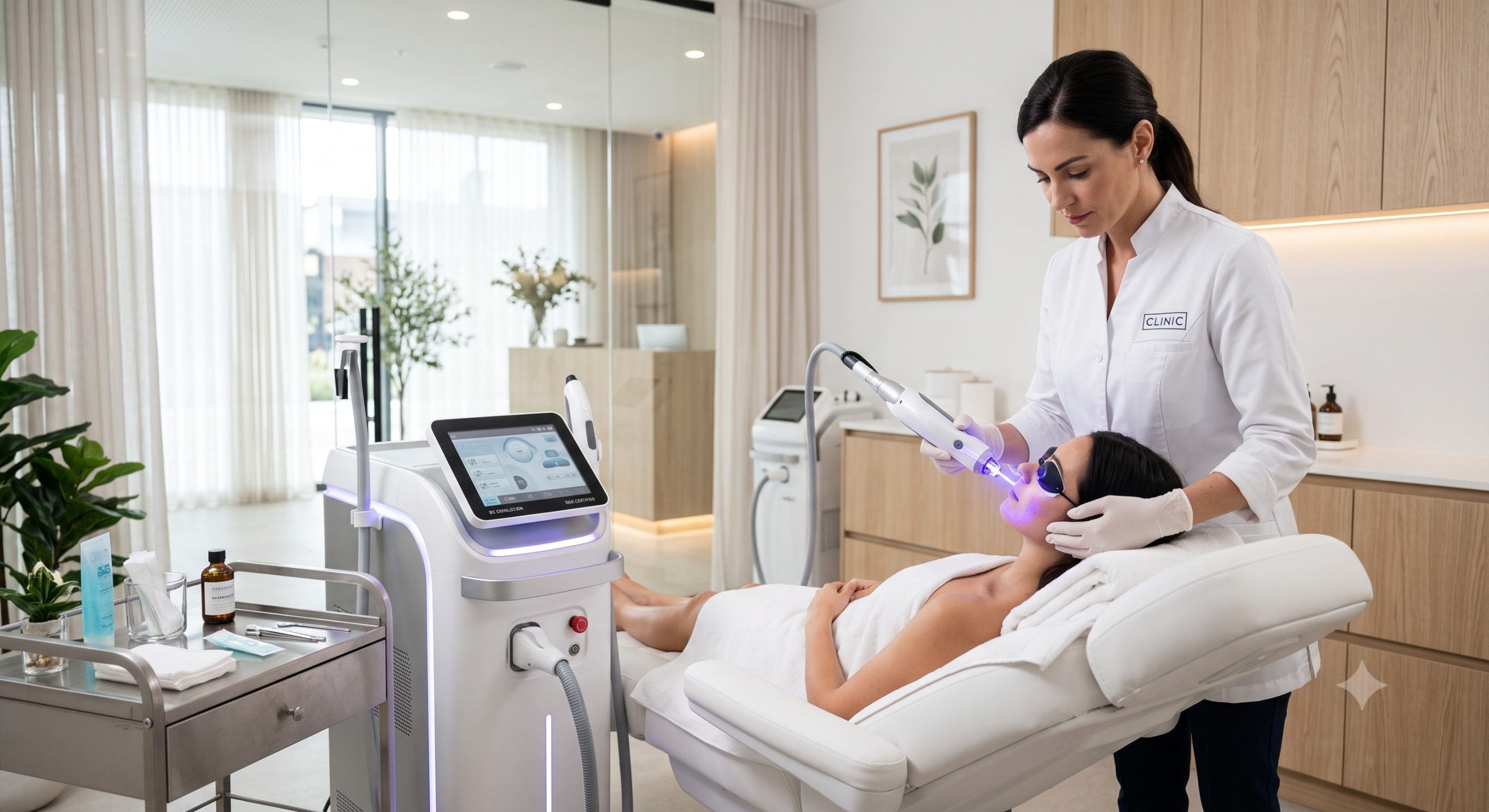
The Medical Device Regulation (MDR) 2017/745 replaced the older Medical Devices Directive (MDD) 93/42/EEC to enhance patient safety and clinical transparency. Under the MDD, many aesthetic devices, such as hair removal lasers and skin rejuvenation systems, often relied on less rigorous clinical data. The MDR expands its scope to include devices without an intended medical purpose, specifically covering aesthetic devices like dermal fillers and intense pulsed light (IPL) systems, which were previously in a regulatory gray area .
Key Technical Differences Impacting Aesthetic Lasers
- Clinical Evidence Requirements: MDD allowed significant reliance on equivalence to existing devices for clinical evaluation. MDR mandates robust, device-specific clinical evaluation reports (CERs) and post-market clinical follow-up (PMCF) studies. For a 755nm Alexandrite or 1064nm Nd:YAG laser, this means manufacturers must prove safety and efficacy on various skin types (Fitzpatrick I-VI) with specific parameters.
- Technical Documentation (Annex II & III): Under MDR, technical documentation is more comprehensive, requiring detailed risk management files (ISO 14971), usability engineering (IEC 62366), and performance data. This ensures the energy density (Fluence J/cm²), pulse width (milliseconds), and spot size (mm²) are consistently delivered as claimed.
- Post-Market Surveillance (PMS): The MDR enforces a total lifecycle approach. Manufacturers must establish a PMS system and report incidents via the EUDAMED database. This enhances traceability through Unique Device Identification (UDI), allowing clinics to track device performance and recall issues rapidly.
- Person Responsible for Regulatory Compliance (PRRC): MDR mandates that manufacturers have a designated PRRC with expert knowledge, ensuring ongoing accountability for safety.
This transition affects legacy devices. MDD certificates are becoming invalid, with strict transition deadlines. By December 2028, all medium and lower-risk devices (Class IIa, IIb) must be fully MDR compliant to remain on the market .
Clinical Implications: MDR and Treatment Efficacy
For the discerning clinician, MDR certification provides assurance that the device’s outputs are validated. When evaluating a device, look for CE marking under MDR, signifying compliance with harmonized standards like EN ISO 13485 (Quality Management) and the IEC 60601 series (Medical Electrical Equipment) .
| Regulatory Aspect | MDD (Old Directive) | MDR (New Regulation) |
|---|---|---|
| Clinical Evidence | Reliance on equivalence; Less stringent | Robust, device-specific clinical evaluation (CER); PMCF mandatory |
| Scope | Primarily medical purpose | Includes certain aesthetic devices (e.g., dermal fillers, lasers for cosmetic use) |
| Traceability | Limited; No UDI requirement | Mandatory UDI; EUDAMED database registration |
| Technical Documentation | Basic structure | Comprehensive structure (Annex II & III); Risk management (ISO 14971) |
| Manufacturer Responsibility | Defined but less explicit | Mandatory Person Responsible for Regulatory Compliance (PRRC); Total lifecycle approach |
| Post-Market Surveillance | Basic vigilance system | Proactive PMS and PMCF; Periodic Safety Update Reports (PSURs) |
| Compliance Standards | Varied implementation | Harmonized standards (e.g., ISO 13485, IEC 60601 series) for presumption of conformity |
The MDR Advantage in Clinical Practice
Our analysis reveals that MDR-certified devices offer superior clinical stability. Let’s compare typical specifications under the two frameworks:
- MDD Era: Often characterized by looser parameter verification, leading to inconsistent energy output and higher risk of adverse events like burns or hypopigmentation, especially on darker skin types.
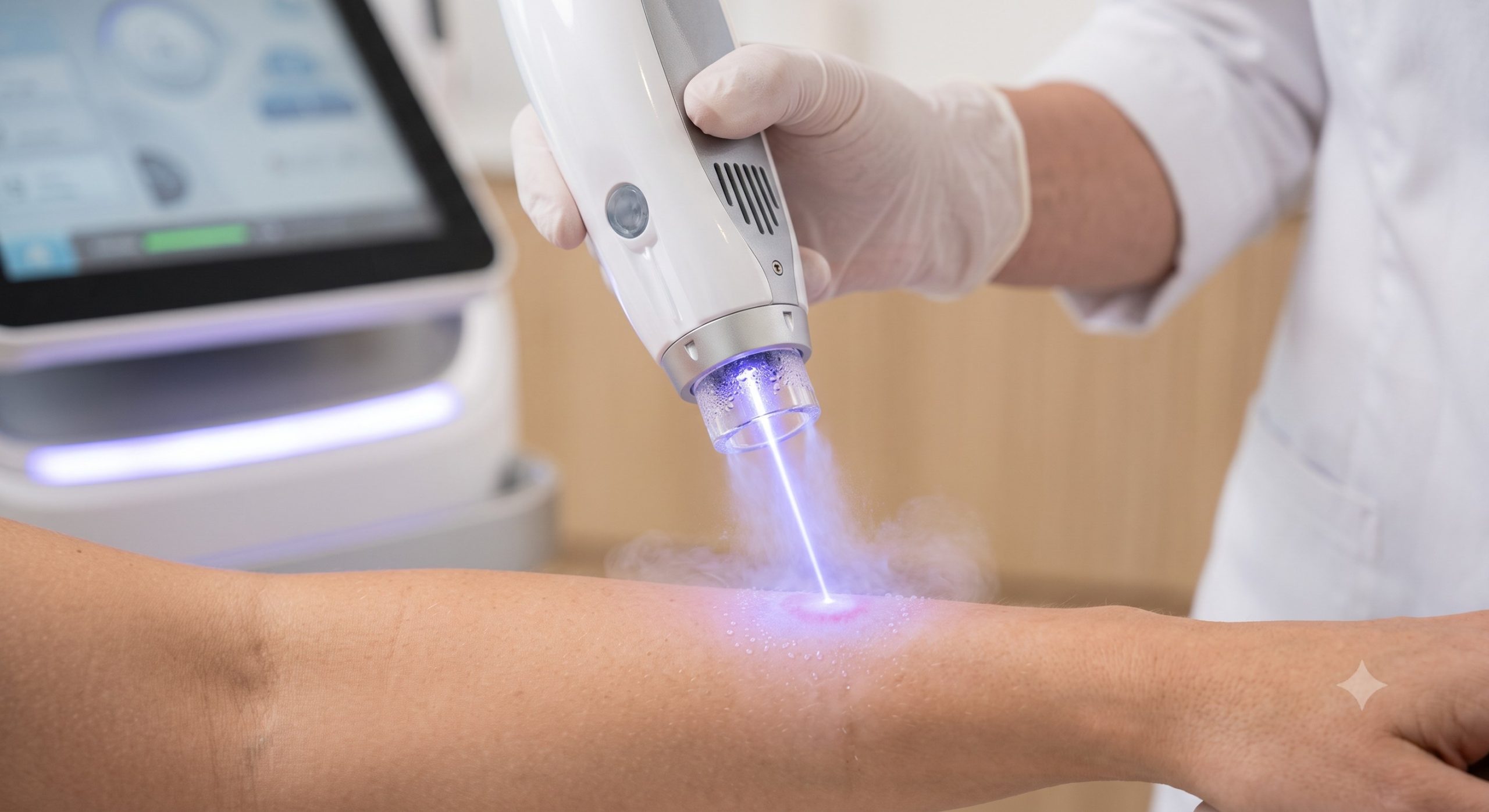
- MDR Era: Requires rigorous testing under ISO 13485 certified facilities. Devices demonstrate precise fluence control and epidermal cooling integration (e.g., Sapphire contact cooling at 0°C to -5°C), ensuring safety and efficacy.
The industry is responding. For example, Cynosure Lutronic recently secured MDR certification for its MOSAIC 3D fractional laser, highlighting the shift towards stricter compliance in aesthetic technology . This trend is critical for clinics seeking to offer treatments with predictable outcomes and minimal downtime.
Compliance, Safety, and Patient Trust
Adherence to MDR is not just about legal compliance; it is a commitment to patient safety. The regulation places stronger emphasis on biocompatibility and electrical safety. For aesthetic lasers, this includes rigorous testing of the laser handpiece cooling mechanisms and power supply to prevent malfunctions that could cause serious injury.
Moreover, the MDR’s focus on transparency means that clinical data is more accessible, fostering trust among patients and practitioners. Clinics should inquire about MDR compliance before purchasing equipment to avoid liability and ensure they are using devices with proven safety profiles .
Conclusion: The Strategic Verdict for Your Clinic
Investing in MDR-certified aesthetic medical devices is a strategic decision for any forward-thinking clinic. While the certification process is more demanding for manufacturers, resulting in a higher initial purchase cost (CapEx), it reduces long-term risks (OpEx) associated with device failures, liability, and poor clinical outcomes. Non-compliant devices, often sold at a discount, carry the hidden cost of potential litigation, patient dissatisfaction, and regulatory penalties.
To maximize your clinic’s profitability and reputation, prioritize devices that are CE Marked under the MDR and manufactured by companies with a robust ISO 13485 quality management system. This ensures your investment is protected, and your patients receive the safest, most effective treatments possible.
Frequently Asked Questions (FAQ)
- What is the main difference between MDD and MDR? MDD is a directive with less stringent requirements, while MDR is a regulation with binding legal force across the EU, demanding more rigorous clinical evidence and post-market surveillance.
- Can I still use a device with an MDD certificate? Yes, but only within the transitional deadlines (up to December 2028 for most devices). It is advisable to upgrade to MDR-certified devices to ensure continuity and compliance.
- Is MDR certification mandatory for aesthetic lasers? Yes, if they are classified as medical devices. The MDR scope explicitly includes aesthetic devices, making this certification mandatory for market access in the EU.