The Ultimate Clinic Guide to Professional CO2 Fractional Laser Machines for MedSpas: Efficacy, Wavelengths, and ROI
Introduction: The Gold Standard of Skin Rejuvenation
In the competitive landscape of medical aesthetics, the professional CO2 fractional laser machine has solidified its position as the gold standard for skin resurfacing and rejuvenation . For medspa owners and clinic directors, investing in this technology represents a significant clinical and financial commitment. This guide provides a comprehensive, data-driven analysis of fractional CO2 laser technology, covering the underlying physics, critical technical specifications, regulatory compliance, safety protocols for diverse skin types, and a detailed return on investment (ROI) breakdown to facilitate an informed procurement decision.
[IMAGE_1]Understanding the Technology: Selective Photothermolysis & The 10,600nm Wavelength
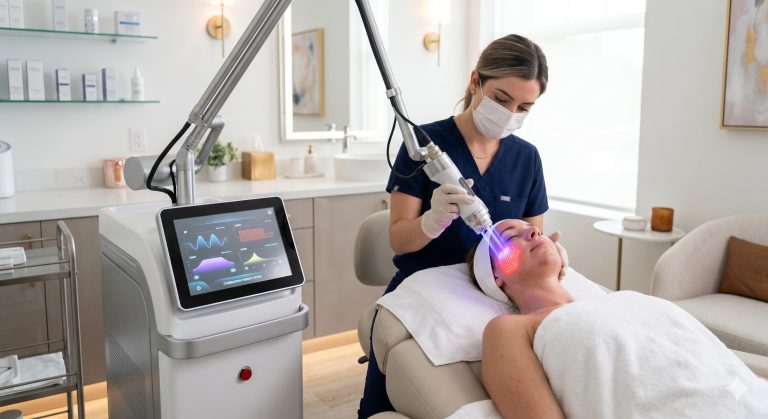
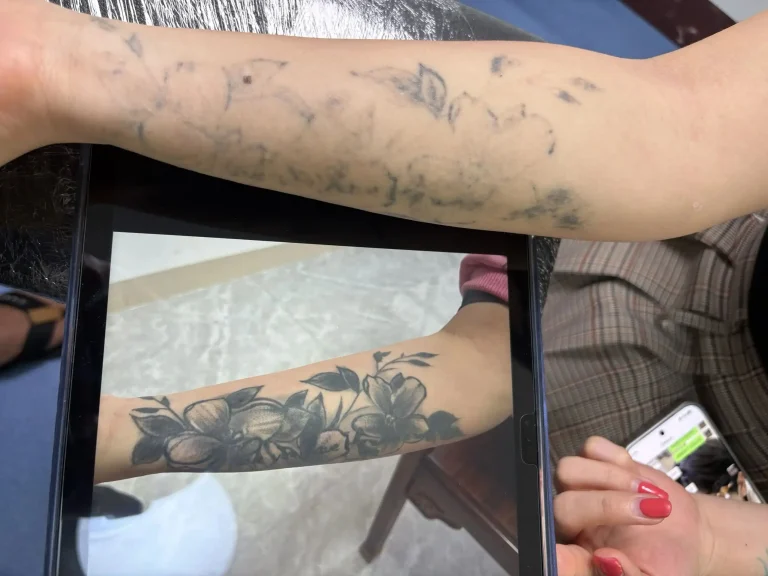
The efficacy of a professional CO2 fractional laser machine is rooted in the principle of selective photothermolysis. The laser emits light at a wavelength of 10,600 nanometers (nm), which is highly and specifically absorbed by water molecules within the skin tissue . This precise targeting creates microscopic columns of thermal injury, known as micro-thermal zones (MTZs), while leaving the surrounding tissue intact. This fractional approach stimulates the body’s natural wound-healing cascade, triggering neocollagenesis—the production of new collagen and elastin—and epidermal remodeling, which leads to significant improvements in skin texture, tone, and laxity .
Critical Technical Metrics for Evaluation
When evaluating a professional CO2 fractional laser, understanding the core technical specifications is essential for assessing clinical performance and safety. Key parameters include:
- Laser Type & Wavelength: Carbon Dioxide (CO2) at 10,600nm.
- Laser Source: RF Metal Tube (preferred for longevity and consistent output) vs. Glass Tube (shorter lifespan, inconsistent fluence). RF tubes typically offer 15,000-20,000+ operating hours .
- Output Power: Ranges from 30W to 40W, with higher power enabling faster treatments and deeper ablation profiles .
- Spot Size: In fractional mode, spot sizes typically range from 100μm to 500μm. The choice of spot size allows clinicians to tailor the treatment depth and intensity to specific skin concerns, from fine lines to deep surgical scars .
- Pulse Energy: Measured in milliJoules (mJ) per microbeam, often up to 150-300 mJ .
- Scan Area & Density: The treatment area and the number of microbeams per square centimeter (e.g., up to 3025 spots/cm2) determine the coverage and downtime .
- Cooling System: Forced-air or internal cooling mechanisms are critical for patient comfort and epidermal protection. Some advanced systems integrate sapphire contact cooling .
- Beam Delivery: Articulated arms with galvo-based scanning systems are standard for precision and speed .
| Key Parameter | Technical Specification | Clinical Significance |
|---|---|---|
| Wavelength / Laser Type | 10,600 nm (CO2) | Precise absorption by skin water content for controlled ablation and coagulation. |
| Laser Source | RF Metal Tube (15,000+ hours) | Ensures consistent fluence, energy stability, and reduced long-term maintenance costs compared to glass tubes. |
| Max Output Power | 30W – 40W | Faster treatment times and capacity for deeper tissue penetration for severe scarring. |
| Fractional Spot Size | 100μm – 500μm | Tailors treatment from superficial texture refinement to deep, ablative resurfacing. |
| Pulse Energy | Up to 150 – 300 mJ/dot | High energy per microbeam for effective collagen remodeling and scar revision. |
| Max Scan Area | 20x20mm | Covers a large treatment area efficiently, reducing overall session time. |
| Cooling System | Forced-air / Internal TEC Cooling | Mitigates thermal injury to the epidermis, improving patient comfort and safety. |
| Beam Delivery | Articulated Arm with Galvo Scanner | Provides precise, rapid, and even distribution of microbeams for consistent results. |
| Regulatory Status | FDA 510(k) Cleared / CE Marked | Mandatory certification for clinical use, ensuring the device meets safety and efficacy standards. |
Clinical Indications & Fitzpatrick Skin Type Strategy
The versatility of a professional CO2 fractional laser machine makes it a cornerstone treatment for a wide array of dermatological and aesthetic concerns. Key indications include:
- Acne scars and surgical scars
- Fine lines, wrinkles, and rhytides
- Skin texture irregularities and enlarged pores
- Pigmented lesions and vascular dyschromia
- Stretch marks
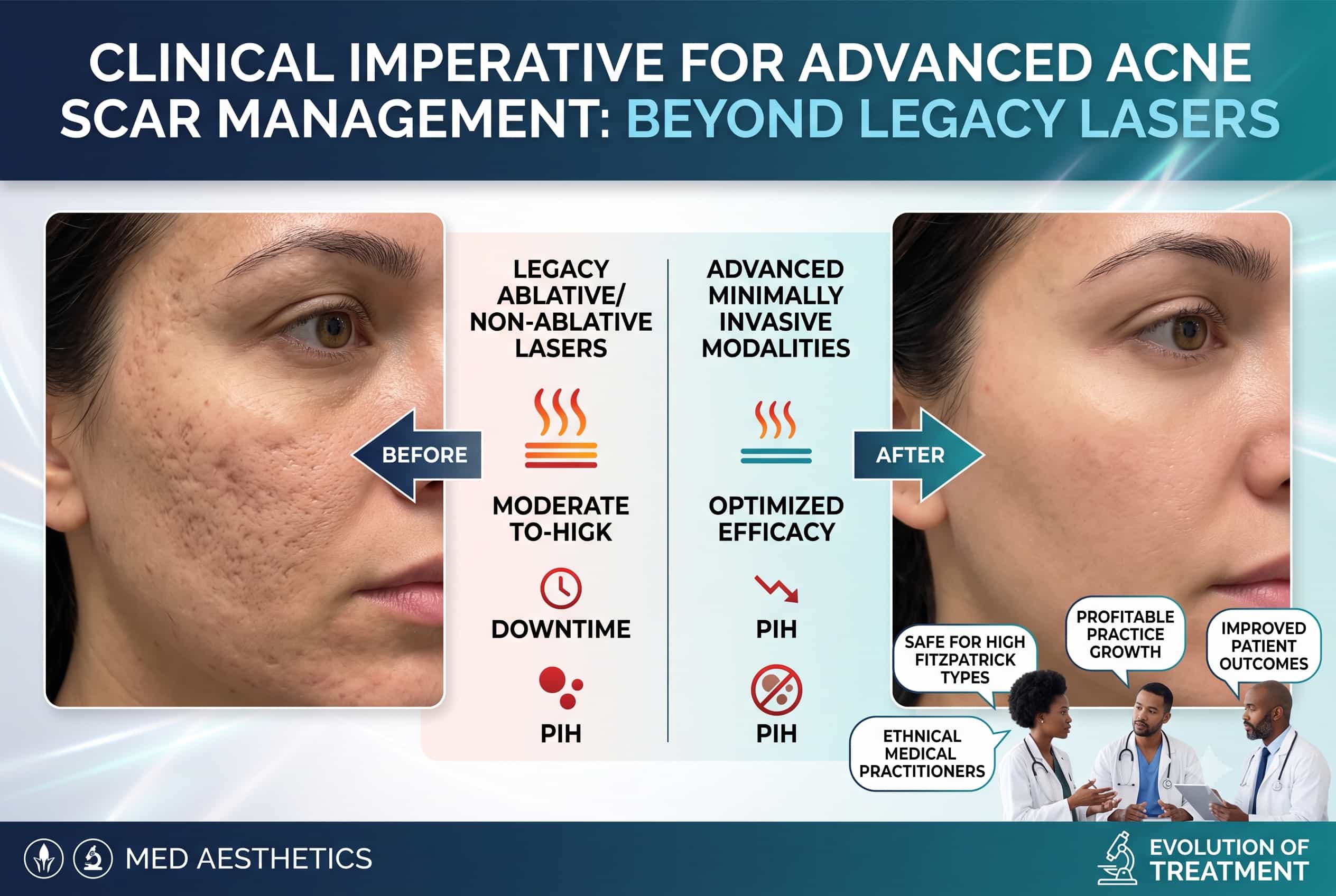
A significant advantage of modern fractional systems is their applicability across a wide range of Fitzpatrick skin types. However, treating darker skin (Fitzpatrick IV-VI) requires meticulous parameter selection to mitigate the risk of post-inflammatory hyperpigmentation (PIH) or hypopigmentation. Key strategies for treating darker skin types include the use of lower energy densities, higher density settings to create more superficial MTZs, and the implementation of randomized scanning patterns (e.g., Controlled Chaos™ technology) to prevent thermal buildup and hot spots .
[IMAGE_2]Clinic ROI & Business Strategy
For a medspa, the business case for a professional CO2 fractional laser machine is compelling due to its high patient demand, premium pricing, and low consumable costs. Unlike other modalities (e.g., RF microneedling with single-use tips), a CO2 laser’s per-patient consumable cost is near zero, making it a highly scalable service .
5-Year Total Cost of Ownership (TCO) & Break-Even Analysis
When evaluating the investment, the total cost of ownership (TCO) is more critical than the initial sticker price . Key cost categories include:
- Acquisition Cost: Entry-level, FDA-cleared B2B direct models start around $4,500, while premium, distributor-channel systems can exceed $150,000 .
- Laser Tube Replacement: RF metal tubes offer a lifespan of up to 20,000 hours, significantly reducing long-term operational costs compared to glass tubes .
- Maintenance & Calibration: Annual servicing is typically required to ensure consistent performance and safety .
A break-even analysis for a system with a $5,500 acquisition cost demonstrates rapid payback. With an average per-session revenue of $1,500 and a net contribution of ~$1,400 after variable costs, a clinic can recover the investment in approximately 4 sessions—equivalent to a month of operation at one session per week . This positions the fractional CO2 laser as an exceptionally high-ROI asset compared to legacy systems, which may take 12-18 months to achieve payback .
Regulatory Compliance & Quality Standards
Ensuring patient safety and clinical efficacy begins with procuring a device that meets stringent regulatory standards. A legitimate professional CO2 fractional laser machine for the U.S. market will possess FDA 510(k) clearance . For European markets, CE marking under the EU Medical Device Regulation (MDR) is mandatory . Additionally, manufacturing quality is often verified through certifications such as ISO 13485. Clinics must ensure their chosen device is cleared for the specific indications they intend to treat, such as ablative skin resurfacing, to avoid off-label use and compliance issues .
Conclusion: Making the Strategic Investment
Integrating a professional CO2 fractional laser machine into a medspa’s service menu is a strategic decision that offers unparalleled clinical outcomes and a robust financial return. By prioritizing devices with robust regulatory clearance, RF metal tube technology, and advanced safety features, clinics can deliver superior patient results while optimizing operational efficiency and profitability. The technology’s versatility, combined with a proven ROI model, makes it an indispensable asset for any practice committed to providing the highest standard of aesthetic care.