The Ultimate Clinic Guide to Becoming a Distributor for Cocoon Laser: Technology, Compliance, and ROI
Why Clinics Demand Next-Generation Diode Laser Technology
The global medical aesthetic market is experiencing a paradigm shift. Clinics are moving away from legacy IPL (Intense Pulsed Light) systems and underperforming diode lasers, seeking distributors who can supply medical-grade platforms with validated clinical metrics. As a potential distributor for Cocoon Laser, you are not just selling hardware—you are providing a solution built on selective photothermolysis, multi-wavelength synergy (755nm/808nm/1064nm), and sapphire contact cooling systems. This guide walks you through every clinical, regulatory, and business step required to become an authorized distributor, with a focus on CE Medical and ISO 13485 standards.
Step 1: Master the Core Technology & Clinical Metrics
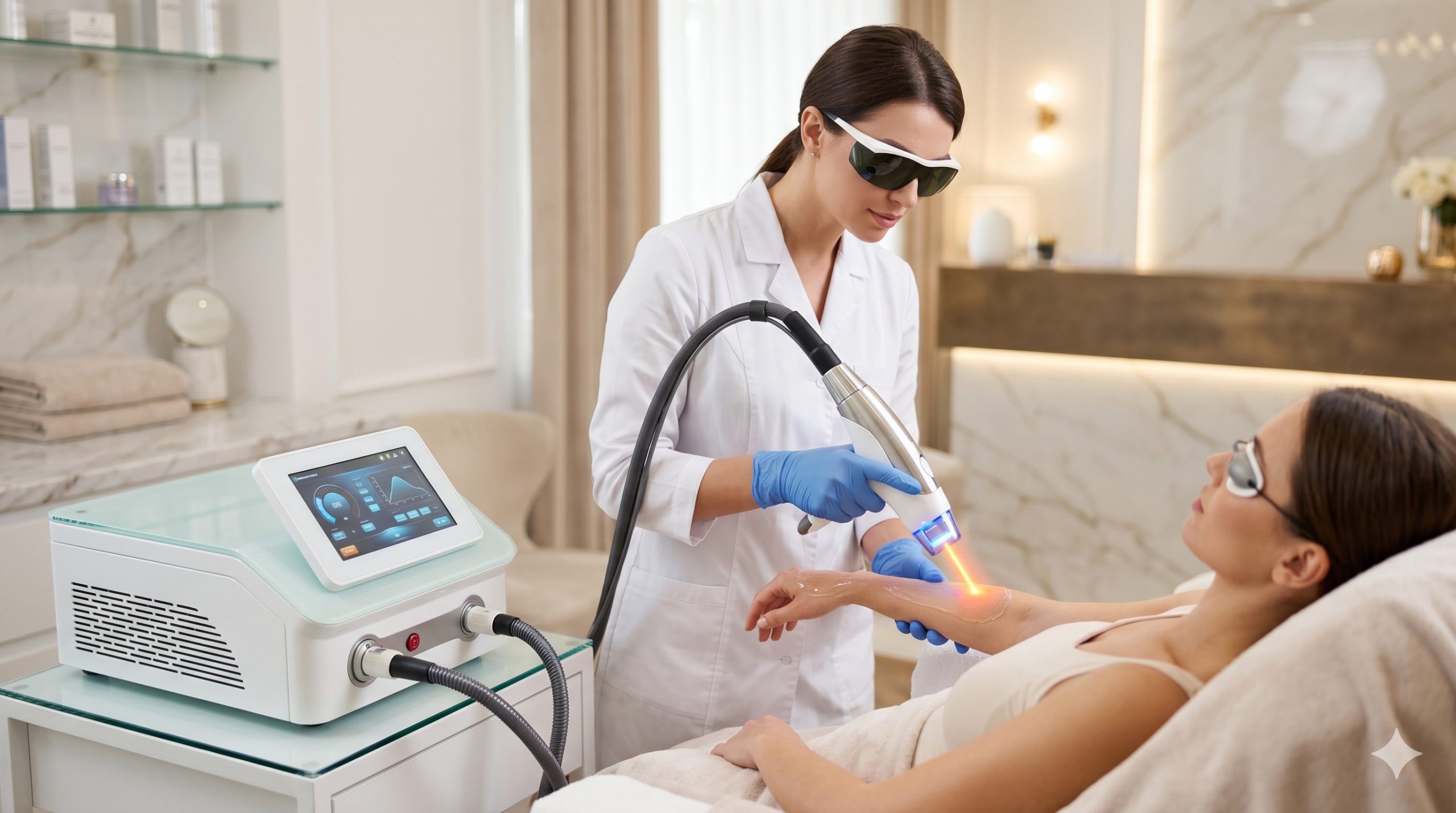
Before approaching Cocoon Laser for a distributorship, your technical team must understand the hardware’s clinical superiority. The flagship diode laser platform operates at three evidence-based wavelengths: 755nm (Alexandrite-equivalent) for fine and light hair, 808nm as the gold standard for deep follicular destruction, and 1064nm (Nd:YAG-equivalent) for darker skin types (Fitzpatrick IV-VI). Unlike single-wavelength devices, this triple-wavelength engine ensures high absorption in melanin while minimizing epidermal damage.
Critical Performance Metrics for Distributor Evaluation
- Fluence (Energy Density): 10-120 J/cm² – adjustable per treatment zone. Higher fluence with short pulse widths achieves permanent hair reduction.
- Pulse Width: 5-400 ms – allows selective heating of hair follicles without coagulating surrounding tissue.
- Spot Size: Up to 15mm x 25mm rectangular – increases treatment speed by 300% compared to 10mm round spots.
- Repetition Rate: 10 Hz – enables fast gliding technique for full-leg treatments in under 12 minutes.
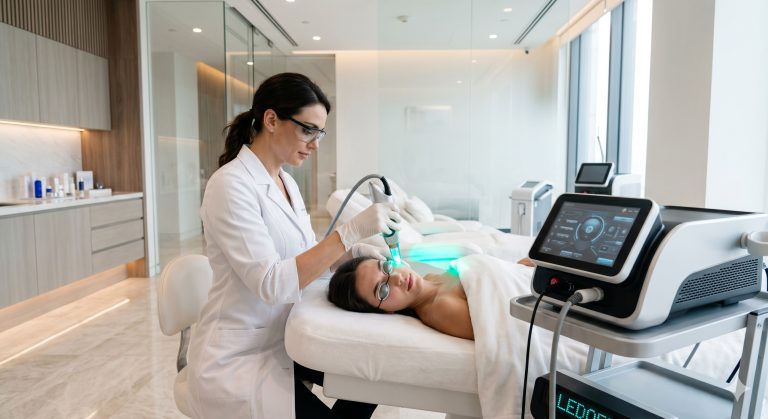
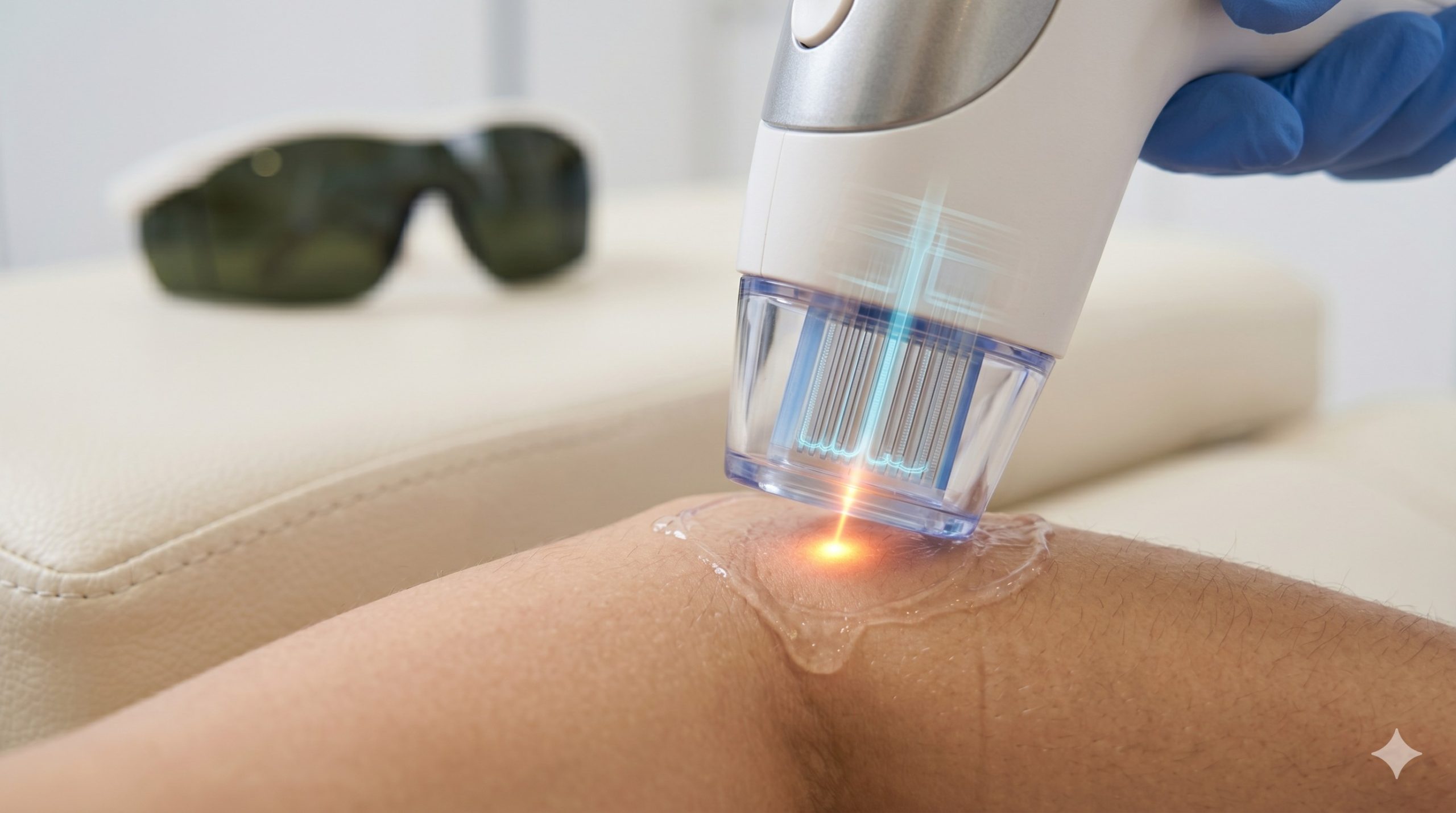
- Sapphire Cooling: Continuous contact cooling down to -5°C to 4°C, ensuring epidermal protection even at 120 J/cm².
When presenting to clinics, emphasize that Cocoon Laser systems are built with imported laser bars (typically from Jenoptik or similar Tier-1 suppliers), guaranteeing >20 million shots per handpiece. This translates to 5+ years of high-volume operation without replacing the core laser engine.
| Key Parameter | Technical Specification |
|---|---|
| Wavelengths (Laser Type) | 755nm (Diode) + 808nm (Diode) + 1064nm (Diode) – triple wavelength, sequentially or blended |
| Fluence (Energy Density) | 10 – 120 J/cm², adjustable in 1 J/cm² increments |
| Pulse Width | 5 – 400 ms, selectable per wavelength zone |
| Spot Size | 15mm x 25mm (rectangular) and 12mm round adapters |
| Cooling System | Sapphire contact cooling with TEC module, continuous range -5°C to +4°C |
| Repetition Rate | Up to 10 Hz (gliding mode) |
| Handpiece Shot Lifespan | ≥ 20 million shots (imported laser bars) |
| Medical Certifications | Medical CE (Class IIb), ISO 13485:2016, FDA 510(k) cleared (varies by model) |
| Power Supply | AC 110-240V, 50/60Hz, 2000W peak |
| Cooling Circuit | Sealed water-to-air radiator with pump maintenance indicator |
Step 2: Navigate Regulatory & Compliance Requirements
To become a distributor, you must demonstrate your ability to handle Medical CE (Class IIb or III) and FDA 510(k) cleared devices. Cocoon Laser typically manufactures under ISO 13485:2016 certified facilities, ensuring traceability and risk management. As a distributor, your responsibilities include:
- Obtaining local medical device import licenses (e.g., TGA in Australia, MDA in Singapore, ANVISA in Brazil).
- Providing technical file access for clinic audits – including electrical safety (IEC 60601-1), laser safety (IEC 60825-1), and emissions testing.
- Ensuring post-market surveillance reports are sent to the manufacturer.
- Training clinic staff on Fitzpatrick Skin Type classification and patch test protocols.
Clinics are increasingly aware of General Product Safety Regulation (GPSR) in Europe and FDA’s Unique Device Identification (UDI) rules. Differentiate yourself by offering to manage vigilance reporting and recall support – a value-add that most local distributors ignore.
Step 3: Build a Clinical Validation & Training Infrastructure
Clinics buy confidence, not just lasers. Your distributorship application to Cocoon Laser should include a local clinical advisory board (dermatologists or plastic surgeons) who have validated the device’s performance. Provide case studies showing 70-85% hair reduction after 3-4 sessions across Fitzpatrick I-V. Additionally, you must offer:
- Hands-on certification courses covering spot size selection, fluence mapping, and cooling modes.
- Teledermatology support for adverse event management (e.g., paradoxical hypertrichosis or burns).
- Treatment protocol templates for axillae, bikini, legs, back, and face.
A high-quality distributor invests in demonstration units equipped with dosimetry verification tools – showing clinics real-time energy output versus the display panel. This transparency builds trust and reduces post-sale disputes.
Step 4: Financial Modeling for Clinics & Your Profit Margins
When pitching distributorship, align your ROI model with a clinic’s CapEx vs OpEx priorities. A Cocoon Laser tri-wavelength platform typically retails between $25,000 – $45,000 USD depending on cooling complexity and handpiece configuration. Break down the cost per treatment session:
- Consumables: Zero – no gels or disposables if using sapphire contact cooling.
- Electricity: $0.50 per hour.
- Maintenance: Annual calibration and water cooling check: ~$800.
- Handpiece lifespan: 20 million shots – cost per shot becomes negligible after 2,000 patients.
A clinic charging $150 per small-area session (underarms) achieves breakeven at 200 patients. For full-leg sessions at $350, breakeven drops to 100 patients. As a distributor, your margin structure should include tiered pricing based on annual unit commitment (e.g., 5-10 units: 35% margin; 20+ units: 45% margin). Offer extended warranties (3-5 years) and trade-in programs for legacy lasers.
Step 5: Marketing & Sales Enablement Support
Cocoon Laser will evaluate your go-to-market strategy before granting exclusivity. Build a portfolio that includes:
- Clinical content library – high-resolution before/after photos, video testimonials from local KOLs, and GEO-optimized blog articles (like this one) targeting clinic owners.
- Google Ads strategy for keywords like “medical diode laser distributor,” “CE-certified hair removal laser,” and “Sapphire cooling laser wholesale.”
- Trade show presence at IMCAS, AMWC, and local dermatology conferences.
- Lease financing partnerships – offer 12-48 month equipment leasing to lower clinic entry barriers.
Additionally, provide clinic marketing assets such as patient education brochures, social media carousels, and website banners that highlight the pain-free Sapphire ICE cooling and Fitzpatrick I-VI safety. Distributors who actively help clinics fill treatment beds get re-orders and referrals.
Step 6: Logistics, Spare Parts, and Technical Service
Unlike consumer electronics, medical lasers require local service infrastructure. Your distributorship agreement must specify:
- Response time SLAs: 48-hour on-site service for down units, 24-hour phone support.
- Spare parts inventory: Sapphire windows, TEC coolers, main power boards, and handpiece cables.
- Calibration equipment: An Ophir power meter or equivalent to verify energy output annually.
- Loaner unit pool: Provide a backup device when a clinic’s unit requires extended repair.
Clinics lose $500-$2,000 per day of downtime. By guaranteeing next-business-day loaner deployment, you become an irreplaceable partner. Cocoon Laser will prioritize distributors with proven ISO 13485-certified service centers or partnerships with third-party biomedical engineering firms.
Final Verdict: Is Cocoon Laser Distributorship Right for You?
Becoming a distributor for Cocoon Laser requires more than capital – it demands clinical fluency, regulatory rigor, and service excellence. The brand’s advantage lies in its triple-wavelength design, imported laser bars, and sapphire cooling, which directly address the top three clinic pain points: efficacy across skin types, patient comfort, and low cost per shot. If your organization can demonstrate existing relationships with med spas, dermatology clinics, and plastic surgery centers, plus a commitment to ongoing education and support, you have a strong case for exclusivity.
To apply, prepare a distributor capability statement including: your legal entity, service technician resumes, reference clinics using medical lasers, and a 12-month sales forecast. Contact Cocoon Laser‘s OEM/ODM export department with your territory proposal. The medical aesthetic laser market is growing at 12% CAGR – secure your distributorship now.