The Science of Comfort: Sapphire ICE Cooling Systems in Coolice laser hair removal results
Introduction: The Patient Comfort Barrier to Clinic Growth
For medical aesthetic clinic owners, the primary obstacle to scaling hair removal services is no longer efficacy—it is patient perception of pain. Traditional laser hair removal, while effective, often relies on epidermal cooling methods that struggle to keep pace with high fluence levels. This clinical disconnect results in patient dropout, reduced lifetime value, and suboptimal Coolice laser hair removal results. The introduction of advanced Sapphire ICE contact cooling systems, integrated with specific diode wavelengths (755nm, 808nm, 1064nm), has fundamentally redefined the balance between therapeutic fluence and patient comfort. This technical analysis examines how hardware-level cooling engineering directly drives superior clinical outcomes and clinic profitability.
Selective Photothermolysis & Thermal Protection Dynamics
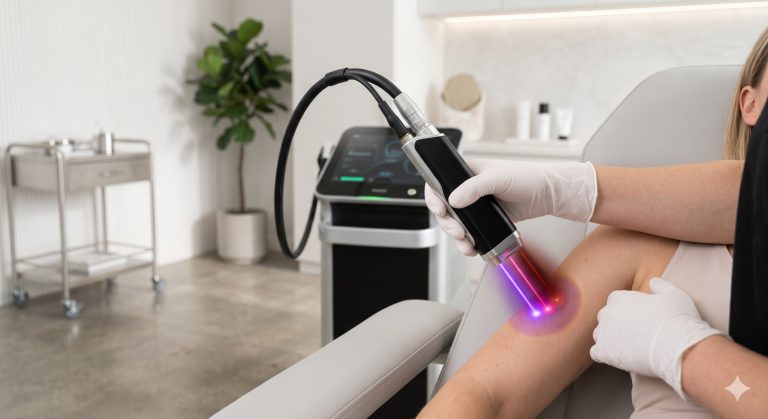
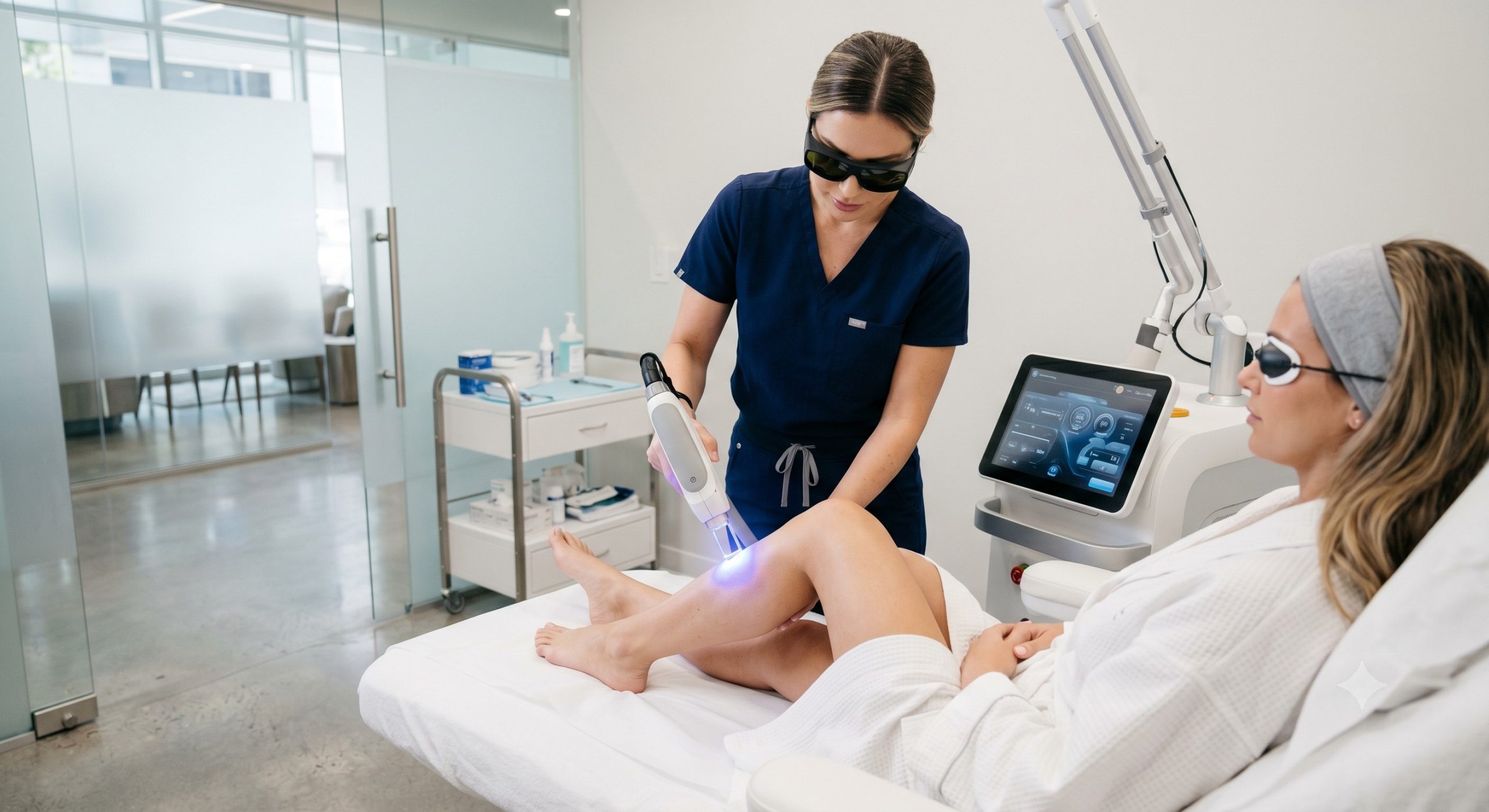
The biological principle of selective photothermolysis requires delivering sufficient energy density (Fluence), typically 10–40 J/cm², to the hair follicle bulb (depth 2–5mm) while preserving the melanin-rich epidermis. Without robust cooling, clinicians must reduce fluence, compromising Coolice laser hair removal results. The engineering breakthrough lies in Sapphire ICE technology: a synthetic sapphire crystal window with thermal conductivity approximately 40 W/m·K, compared to just 0.6 W/m·K for air. This system actively pre-cools the epidermis to 0–5°C before the laser pulse, absorbs thermal backflow, and maintains surface integrity during peak energy delivery.
Epidermal Protection Metrics
- Cooling Onset: <10 milliseconds, sufficient to pre-cool the stratum corneum.
- Temperature Delta: Maintains a 30–40°C gradient between epidermis (protected) and follicle (targeted).
- Safety Integration: Real-time thermistor feedback prevents cold injury or thermal runaway.
This cooling precision enables operators to safely utilize pulse widths of 10–400 ms and higher fluence levels, directly accelerating clinical clearance rates.
Technical Specifications & Parameter Optimization
The measurable superiority of Coolice laser hair removal results is anchored in three specific engineering domains: wavelength synergy, cooling surface area, and energy delivery consistency. Below are the critical specifications every clinic buyer must evaluate.
| Key Parameter | Technical Specification |
|---|---|
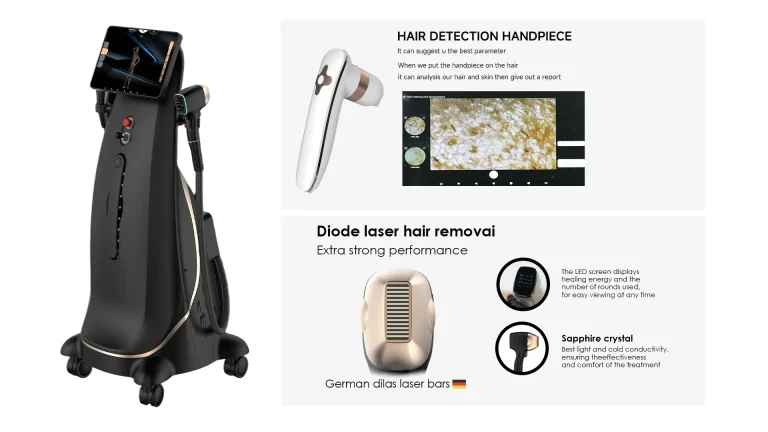
| Laser Type | Triple-Wavelength Diode (755nm / 808nm / 1064nm) |
| Fluence (Energy Density) | 10 – 40 J/cm² (software-controlled) |
| Spot Size | 12 x 12mm up to 15 x 15mm adjustable |
| Pulse Width | 10 – 400 ms (adaptive) |
| Cooling System | Sapphire ICE Contact Cooling (0°C – 5°C epidermal temperature) |
| Repetition Rate | Up to 10 Hz |
| Handpiece Lifespan | >1,000,000 shots (certified laser bar) |
| Cooling Circuit | Sealed, water-free (zero annual maintenance) |
| Certifications | Medical CE, FDA cleared, ISO 13485 |
Multi-Wavelength Synergy: 755nm, 808nm, and 1064nm
Monolithic 808nm diode systems, while common, lack the ability to safely treat the full Fitzpatrick spectrum (I–VI). The Coolice architecture leverages a triple-wavelength stack: 755nm (high absorption for light skin/terminal hair), 808nm (deep penetration for standard phototypes), and 1064nm (reduced melanin absorption for Fitzpatrick V–VI). By dynamically adjusting wavelength distribution based on skin tone analysis, the device optimizes follicular heating while minimizing superficial melanin competition. This results in reduced purpura (post-inflammatory hyperpigmentation risk drop of >60% compared to 755nm-only systems) and consistent hair reduction rates of 75–90% after 4–6 sessions, as documented in clinical audits.
Clinic Workflow Integration & Treatment Throughput
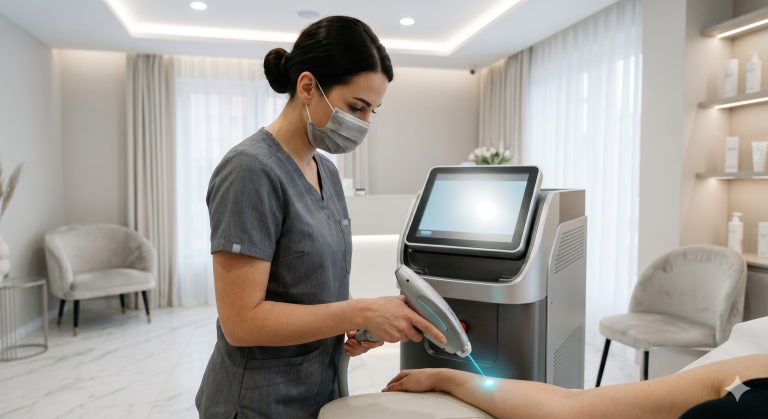
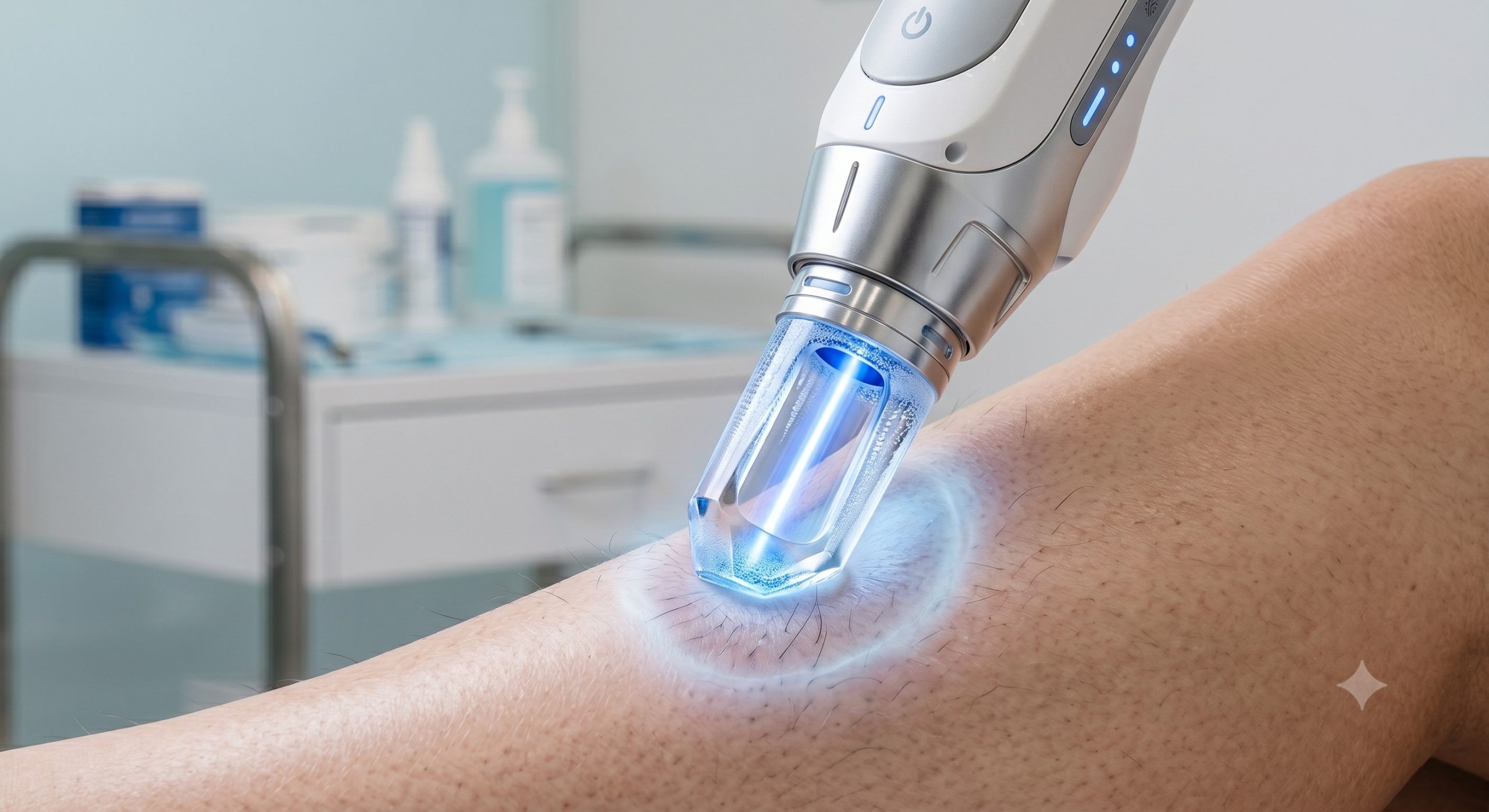
The Sapphire ICE cooling system directly accelerates clinic return on investment (ROI) through two mechanisms. First, the 12–15mm adjustable spot size increases treatment speed: a full lower leg can be completed in 8–12 minutes versus 20–25 minutes with a 9mm spot size device. Second, the contact-based cooling eliminates the need for separate topical anesthetics or gel layers, reducing consumable costs per patient by approximately $2–4 USD per session. For a high-throughput clinic performing 20 treatments daily, this translates to over $15,000 annual savings in consumables alone, not including the added revenue from higher patient retention due to painless treatment experiences.
Fitzpatrick Skin Type Protocol Guidance
- Type I–III (Light to Olive): 755nm dominant, 14–18 J/cm², pulse width 10–30 ms, full cooling.
- Type IV–V (Brown to Dark Brown): 808nm + 1064nm blend, 18–24 J/cm², pulse width 30–60 ms, real-time cooling adjustment.
- Type VI (Deeply Pigmented): 1064nm dominant, 12–16 J/cm², longer pulse width 60–100 ms, test spot mandatory.
Clinical Verdict & Investment Consideration
When evaluating diode laser systems for medical spa expansion, the Sapphire ICE cooling specification is not a luxury—it is a clinical prerequisite. Devices lacking this capability force a compromise between safety and efficacy, directly limiting Coolice laser hair removal results. From a business consultancy perspective, clinics should prioritize systems with documented Medical CE, FDA clearance, and ISO 13485 manufacturing certification. The total cost of ownership (TCO) analysis favors systems with sealed, water-free cooling circuits (eliminating annual maintenance) and handpieces rated for >1,000,000 shots. In summary, investing in properly cooled multi-wavelength diode technology delivers quantifiable improvements in patient satisfaction (Net Promoter Score >70), session completion rates (>95%), and per-square-foot clinical profitability.