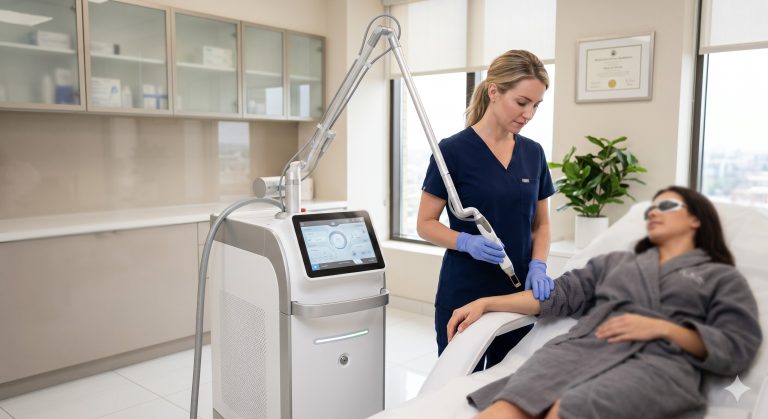
Microplasma RF Machine FAQ: Expert Answers for Aesthetic Clinics & Dermatologists
Overview
Microplasma RF technology combines radiofrequency energy with plasma generation to treat scars, striae, and skin laxity with minimal melanin absorption. For B2B clinic buyers and dermatologists, understanding clinical longevity, consumable budgets, and safety across all skin types is critical for ROI. Below are expert answers to the most frequent technical and commercial questions.
Frequently Asked Questions
Q1: Is Microplasma RF machine suitable for all Fitzpatrick skin types including VI?
Yes, the Microplasma RF machine is safe and effective for Fitzpatrick skin types I through VI. Unlike IPL or Q-switched lasers that target melanin, microplasma energy is absorbed by water in the epidermis and dermis, bypassing the melanin competition zone. This makes it the preferred fractional resurfacing modality for darker skin tones (IV-VI) with minimal post-inflammatory hyperpigmentation risk.
Q2: What is the typical treatment pain level and do I need topical anesthesia?
Treatment pain level is moderate to high, averaging 5-7 out of 10 on the numeric pain scale during the pass. Topical anesthesia with 5% lidocaine cream applied for 40-60 minutes is strongly recommended and standard in all clinical protocols. Most clinics pair the procedure with forced cold air cooling and oral analgesics for larger body areas.
Q3: What is the expected handpiece lifespan and total machine lifecycle?
The handpiece lifespan of a medical-grade Microplasma RF machine is 500,000 to 800,000 plasma discharges before electrode wear affects energy consistency. The main console lifespan is 8-12 years or 10,000-15,000 treatment hours. Annual factory calibration and electrode replacement at 600,000 shots restore original performance.
Q4: How does Microplasma RF differ from IPL or older CO2 lasers?
Microplasma RF uses ionized nitrogen plasma (4000-6000°C) to create fractional ablation without light absorption, while IPL relies on broad-spectrum light and older CO2 lasers target water with higher thermal damage zones. Key advantages of microplasma RF over IPL/lasers: safe for all skin types, no melanin targeting, lower scarring risk, and simultaneous deep dermal heating for collagen contraction.
Q5: What are the routine maintenance requirements and consumable costs per year?
Routine maintenance of the Microplasma RF machine includes daily filter cleaning, weekly tip contact inspection, and quarterly airflow checks. Annual consumable costs average $1,200-2,500 USD per unit, based on 200-300 treatments/year, and include: disposable plasma tips ($25-40 each), electrode cartridges (replaced every 100,000 shots, $350), and gas sterilization cartridges if applicable.
Q6: What initial and ongoing training is required for my clinical staff?
A certified 16-hour hands-on training course is required before first patient treatment. This covers Fitzpatrick parameter mapping, plasma pulse stacking, and adverse event management. Ongoing training includes quarterly manufacturer webinars and a mandatory annual competency assessment with a proctored treatment session. Most manufacturers include initial training for two nurses/technicians in the machine purchase price.
Q7: How many treatments are typically needed for acne scars or striae?
For moderate acne scars or striae, the typical treatment protocol requires 2-3 sessions spaced 6-8 weeks apart. Each session provides 25-35% clinical improvement. Hypertrophic scars or deep striae albae may require 4-5 sessions. A single session is diagnostic; full protocol adherence is mandatory for published efficacy outcomes.
Q8: Are there any absolute contraindications for Microplasma RF treatment?
Yes, absolute contraindications include: active implanted electronic devices (pacemakers, spinal cord stimulators), pregnancy/breastfeeding, active skin infection or keloidal tendency, isotretinoin use within the past 6 months, and non-clearable metal implants in the treatment field. Relative contraindications require dermatologist sign-off: autoimmune connective tissue disorders and cryoglobulinemia.