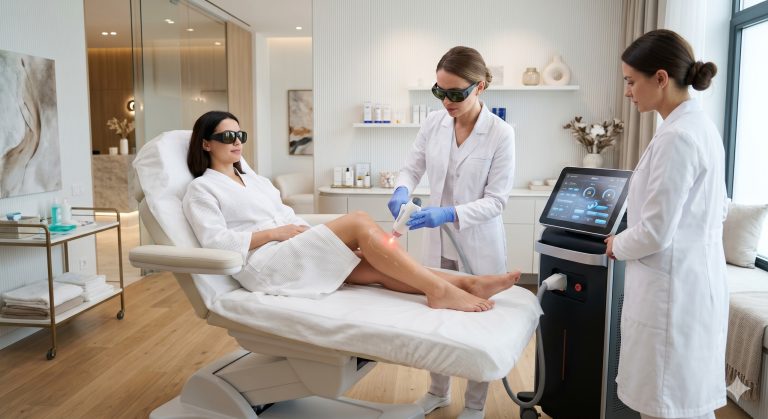
Fractional CO2 laser for acne scars FAQ: Expert Answers for Aesthetic Clinics & Dermatologists
Overview
As a technical support engineer for aesthetic medical devices, I help clinics optimize their investment in the Fractional CO2 laser for acne scars. This FAQ addresses the most critical pre-sales and post-sales questions for B2B buyers—from machine lifespan and consumable costs to Fitzpatrick skin type suitability and staff training. Use these answers to guide your purchase and maintenance decisions.

Frequently Asked Questions
Q1: Is Fractional CO2 laser for acne scars suitable for all skin types on the Fitzpatrick scale?
Yes, modern Fractional CO2 laser for acne scars is safe and effective for Fitzpatrick skin types I-VI. However, types IV-VI require lower energy densities (e.g., 5-10 mJ) and longer pulse widths to minimize post-inflammatory hyperpigmentation (PIH). Always perform a test spot 2-4 weeks before full treatment on darker skin.
Q2: How painful is Fractional CO2 laser treatment for acne scars, and what anesthesia is needed?
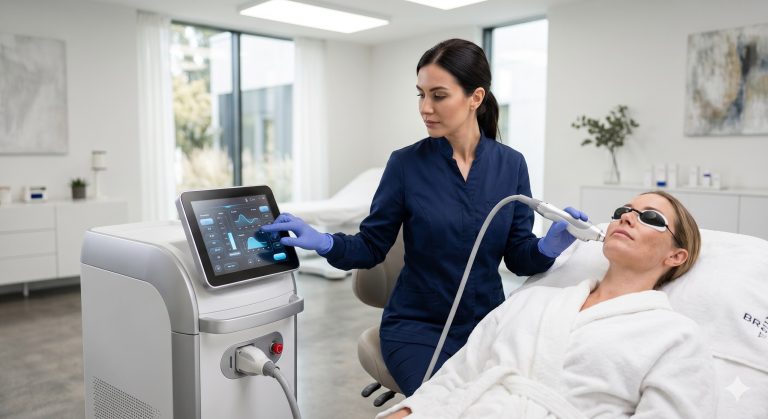
Pain levels are moderate to high, typically rated 4-7 out of 10. Topical anesthetic (lidocaine 5-7%) applied for 45-60 minutes is standard; some clinics add nerve blocks for deep resurfacing. Patients describe the sensation as a hot rubber band snap. Post-treatment burning lasts 1-4 hours.
Q3: What is the difference between Fractional CO2 laser and IPL for acne scars?
Fractional CO2 laser is ablative and targets deep, atrophic scars by creating micro-columns of thermal injury to stimulate collagen remodeling. IPL (Intense Pulsed Light) is non-ablative and only treats redness (post-inflammatory erythema) and superficial pigmentation, not scar texture or depth. For true acne scar improvement, CO2 is the gold standard; IPL is not indicated for scar elevation or pitting.
Q4: What is the typical lifespan of a Fractional CO2 laser handpiece and tube?
The sealed CO2 laser tube lasts 20,000-40,000 shots or 3-5 years under normal clinic use (20-30 treatments/month). The handpiece’s scanning motor and lens array have a lifespan of 1,000-2,000 hours. After these limits, output energy drops by >20% and spot uniformity degrades. Document shot count monthly.
Q5: What are the recurring consumable costs for a Fractional CO2 laser?
Annual consumable costs average $800-$2,500 USD per machine. Recurring items include: reusable handpiece sapphire windows ($150-300, replace every 50-80 treatments), disposable patient eye shields ($2-5 per pair), distilled water for cooling system ($20/month), and annual tube calibration filter ($200-400). No expensive disposables like tips or cartridges are required.
Q6: How often does the Fractional CO2 laser need professional maintenance?
Preventive maintenance is required every 6 months or 500 shot-hours. This includes: cleaning or replacing water filters, checking beam profile with thermal paper, verifying energy output with a power meter (±10% tolerance), and inspecting the articulated arm mirror alignment. Full factory recalibration is needed every 2 years.
Q7: Do you provide technical training for our clinic staff on the Fractional CO2 laser?
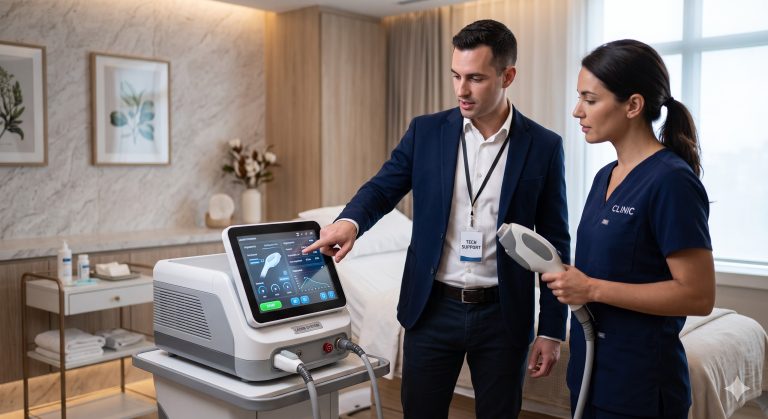
Yes, B2B purchases include 2 days of on-site training for up to 4 staff members. Training covers: Fitzpatrick parameter selection, handpiece sterilization, smoke evacuator use, emergency shutdown, and postoperative wound care. Certificates of competency are issued after a written and practical exam. Remote refresher sessions are available quarterly.