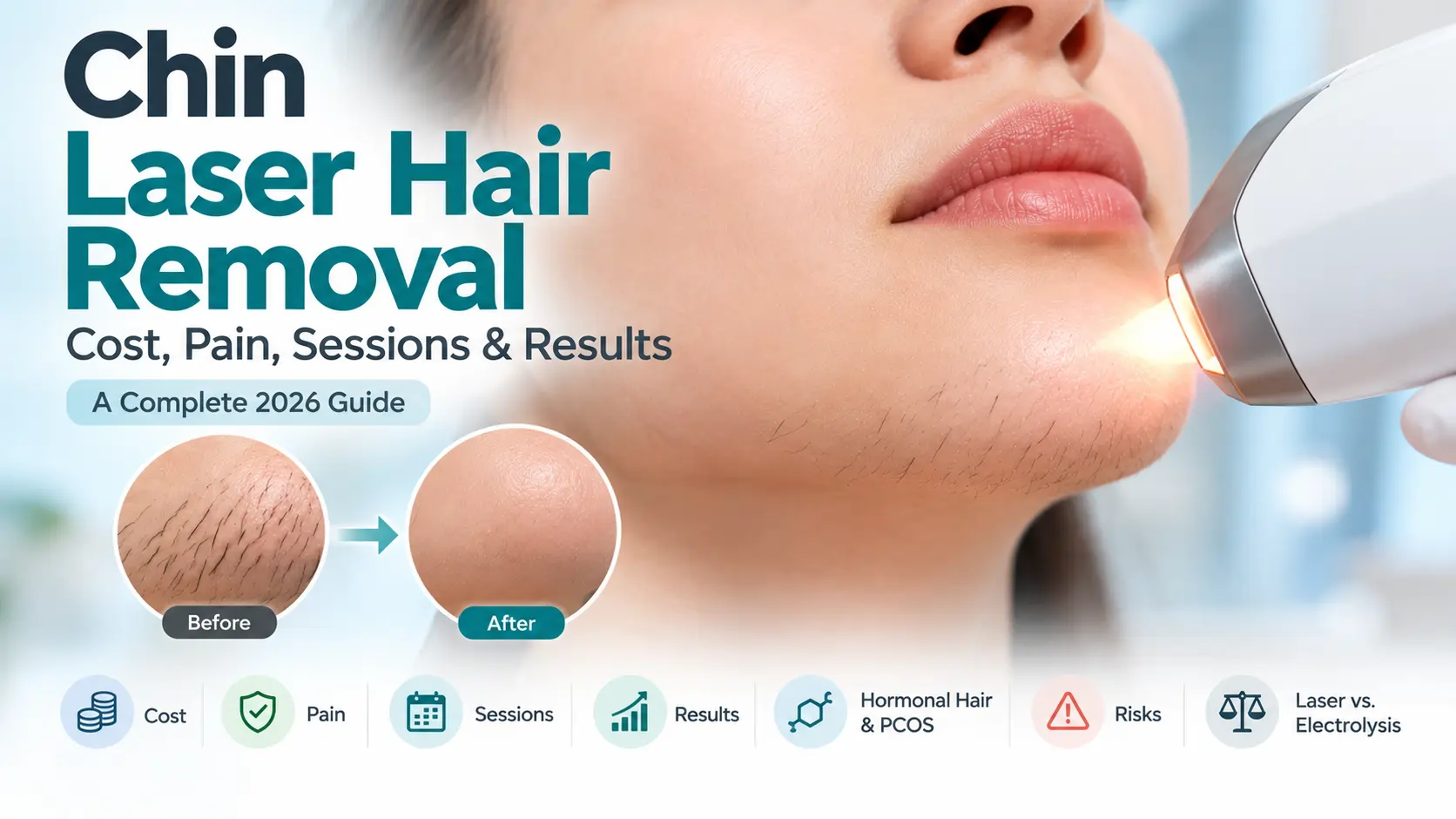
Chin Laser Hair Removal: Cost, Pain & Results (2026)
Laser Hair Removal Guide | Updated October 2026
Evidence-informed patient education about chin hair reduction, treatment planning, costs and safety.
Published by Cocoon Laser | Professional aesthetic equipment supplier
Chin laser hair removal is a professional treatment that uses concentrated light to reduce unwanted hair on the chin and selected areas beneath the jaw. For people who regularly tweeze, shave or wax coarse facial hairs, it may provide a longer-lasting alternative to repeated grooming.
But treating chin hair is not always as straightforward as treating hair on the legs or underarms. Facial hair can be strongly influenced by hormones, and new coarse hairs may develop even after existing follicles have been successfully treated. Hair color, thickness, skin tone and the underlying cause of hair growth also influence results.
If you are considering laser hair removal on your chin, it is important to understand what the procedure can realistically achieve. Laser treatment may substantially reduce suitable pigmented hairs, but it does not guarantee that every follicle will stop producing hair permanently.
This guide covers treatment costs, session numbers, pain, hormonal chin hair, polycystic ovary syndrome (PCOS), possible side effects, long-term results and alternatives such as electrolysis.
Quick Answer: Does Laser Hair Removal Work on the Chin?
Yes. Laser hair removal can effectively reduce suitable dark, coarse chin hairs. It works by delivering light energy that is absorbed by pigment in the hair, producing heat that can impair the follicle’s ability to grow new hair.
An initial treatment course often involves approximately 6–8 sessions, although facial and hormonally influenced hair may require additional appointments or maintenance. Sessions are generally spaced several weeks apart.
Treatment usually causes brief snapping, stinging or warmth. Costs vary widely between clinics. The goal is long-term hair reduction, not guaranteed permanent removal of every chin hair.
Laser treatment generally works less reliably on white, gray, very light blonde and fine vellus hair. If you have only a few pale or isolated hairs, electrolysis may be worth considering.
Medical note: Unexplained, rapidly increasing or unusually coarse facial hair may warrant medical assessment. Laser treatment addresses visible hair growth but does not diagnose or treat an underlying hormonal condition.
What Is Chin Laser Hair Removal?
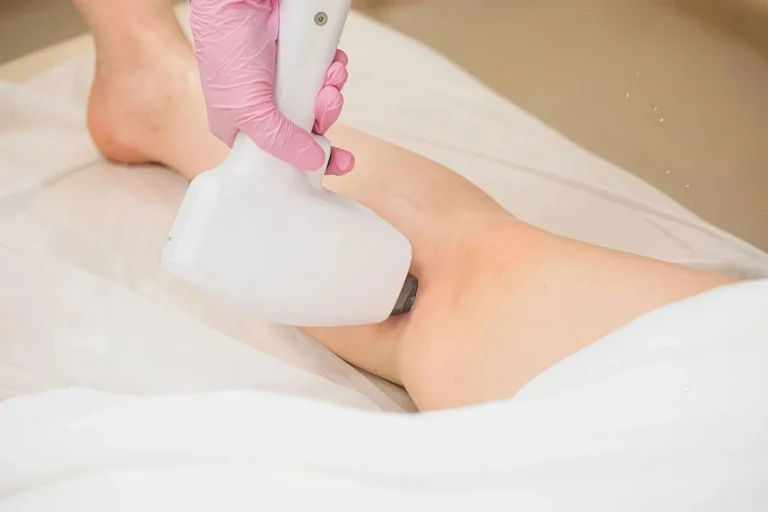
Chin laser hair removal is a form of professional laser hair reduction focused on unwanted facial hair. The treatment uses a laser system designed to deliver controlled light energy to pigmented hair follicles.
Depending on the clinic, a chin treatment may cover only the central chin or include portions of the underside of the chin and lower jawline. These boundaries should be clarified during the consultation because they affect both the treatment plan and price.
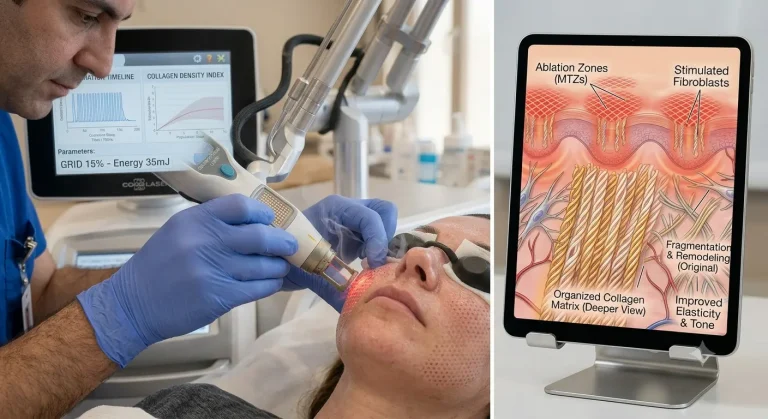
The procedure is based on a principle called selective photothermolysis. This means selecting a wavelength and pulse characteristics that allow the intended target to absorb enough energy for a biological effect while reducing unnecessary injury to surrounding tissue.
How Does Chin Laser Hair Removal Work?
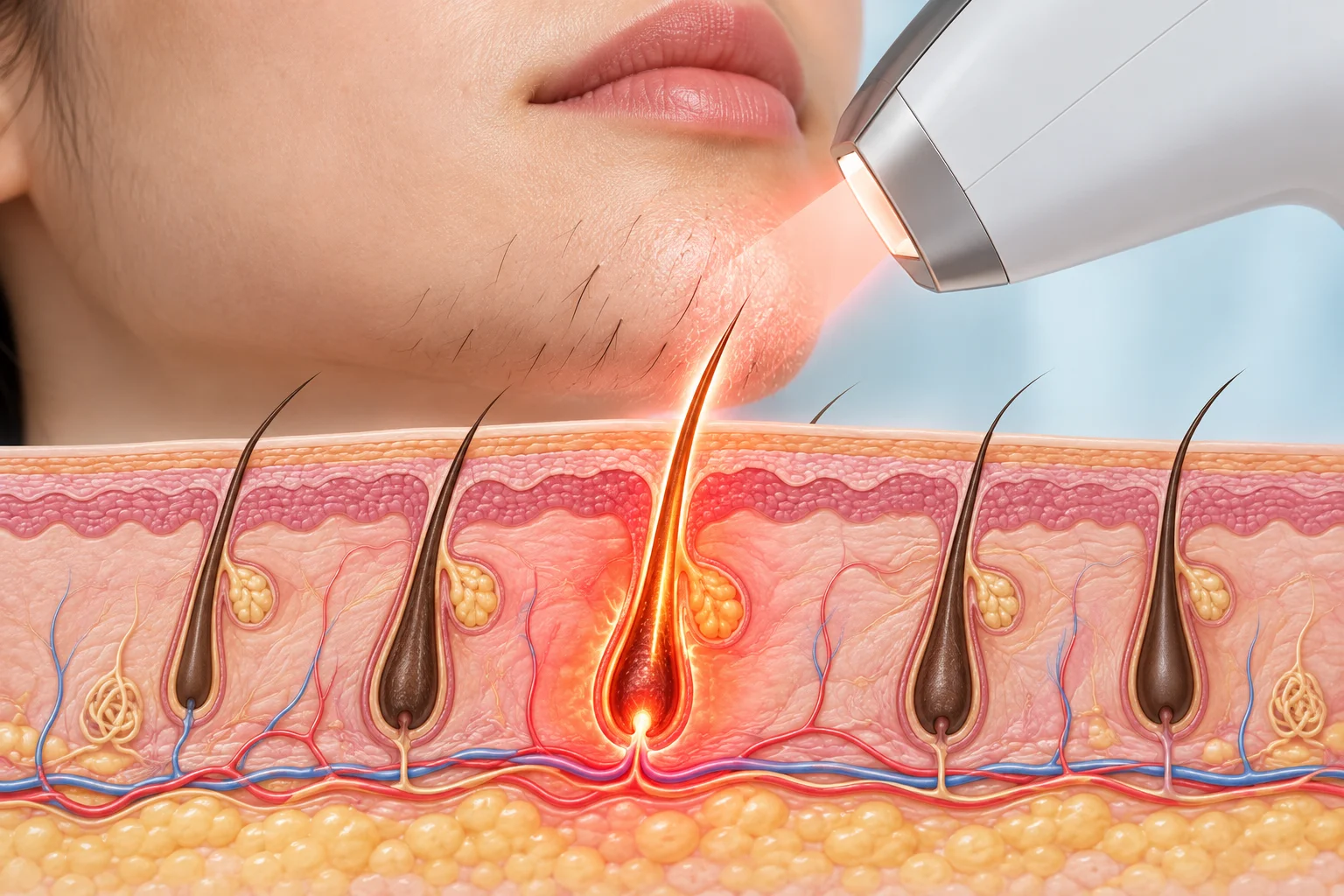
Hair contains melanin, the pigment responsible for much of its color. When suitable laser light reaches a pigmented hair, some of that energy is absorbed and converted into heat.
The heat can affect structures associated with future hair production. If treatment is successful, the follicle may produce less hair, finer hair or no visible hair for an extended period.
The response depends on several interacting factors: hair pigmentation, hair thickness, follicle depth, laser wavelength, pulse duration, delivered energy and skin cooling.
Professional equipment may use contact cooling, cooled air or other approved methods to help protect the skin and improve comfort during treatment.
Why Is Chin Hair More Difficult to Treat Than Some Body Hair?
The chin is an androgen-sensitive area. Androgens are hormones that can influence the conversion of fine, lightly pigmented vellus hairs into thicker terminal hairs.
Some people have only a few isolated coarse chin hairs. Others develop broader growth patterns associated with genetics, aging or hormonal conditions.
Laser treatment can target suitable existing follicles, but it does not stop hormones from influencing other follicles in the future.
This is one reason chin hair may require maintenance even after a successful initial treatment course.
Why Doesn’t One Laser Session Remove Every Chin Hair?
Hair follicles do not all grow continuously. They move through several stages of the hair growth cycle:
- Anagen: The active growth phase, when the hair is connected to structures involved in ongoing growth.
- Catagen: A transitional phase during which active growth ends and the follicle changes.
- Telogen: A resting phase before the next growth cycle.
Pigment-targeting laser treatment is generally most effective when suitable hairs are in active growth. Because only a proportion of follicles are in that phase at any given appointment, multiple sessions are usually required.
This also explains why visible shedding after a session should not be confused with permanent removal of every treated follicle.
Who Is a Good Candidate for Chin Laser Hair Removal?
The most suitable candidates generally have unwanted coarse, pigmented chin hair and realistic expectations about long-term reduction.
However, no single characteristic determines eligibility. A qualified provider should evaluate the hair and skin together, including any relevant medical history.
| Hair or Skin Characteristic | Expected Consideration |
|---|---|
| Dark, coarse chin hair | Often a suitable target for pigment-based laser hair reduction |
| Very fine facial peach fuzz | Often responds poorly; treatment may not be appropriate |
| White or gray chin hair | Generally does not respond well to conventional melanin-targeting lasers |
| Very light blonde or red hair | Response may be limited because of pigment characteristics |
| Darker skin phototypes | May be treatable with suitable equipment, parameters and experienced operators |
| Hormonal chin hair | Existing hairs may respond, but ongoing growth can affect maintenance needs |
| Recently tanned or irritated skin | May require postponement or further assessment |
Does Laser Hair Removal Work on Fine Chin Hair?
Very fine vellus hair contains relatively little pigment and is generally a less reliable laser target than coarse terminal hair.
This distinction matters particularly on the face. Treating large areas of fine hair may offer limited benefit while exposing the patient to side effects, including a recognized phenomenon called paradoxical hypertrichosis.
Paradoxical hypertrichosis refers to increased hair growth in or around an area treated with laser or other light-based hair removal.
If your concern is mainly peach fuzz, ask the provider whether treatment is advisable rather than assuming every visible hair should be lasered.
Does Laser Hair Removal Work on Gray or White Chin Hair?
Conventional laser hair removal relies on pigment absorption. White and gray hairs contain little or no melanin, so they usually do not provide an effective target for these systems.
Electrolysis may be a more appropriate option for a small number of nonpigmented chin hairs because its mechanism does not depend on hair color in the same way.
Can People With Dark Skin Get Chin Laser Hair Removal?
Many people with darker skin phototypes can be evaluated for professional laser hair removal. However, epidermal melanin can also absorb laser energy, increasing the potential for unwanted skin heating when inappropriate equipment or settings are used.
Appropriate wavelength selection, pulse duration, energy settings, cooling and operator experience are important.
Long-pulsed 1064nm Nd:YAG systems are often considered for darker skin phototypes, although the most appropriate treatment depends on individual assessment.
How Much Does Chin Laser Hair Removal Cost?
Chin laser hair removal costs vary significantly between providers. The final amount depends on the clinic’s location, treatment boundaries, pricing structure and the number of sessions required.
A chin-only service may cost less than full-face treatment, but some clinics combine the chin with the upper lip, jawline or neck in a larger facial package.
Before comparing prices, confirm that the quotes cover the same anatomical areas.
Chin Laser Hair Removal Cost per Session
For preliminary US budgeting, a hypothetical range of $75–$250 per session can illustrate how total expenses might accumulate.
These figures are illustrative assumptions, not verified US market averages, live clinic prices or a statistical pricing survey. Actual prices may fall outside this range.
| Treatment Scenario | Illustrative Budget | Important Note |
|---|---|---|
| One chin session | $75–$250 | Hypothetical per-session range |
| Six sessions | $450–$1,500 | Arithmetic example before package discounts |
| Eight sessions | $600–$2,000 | Not a prediction of the required number of sessions |
| Maintenance | Varies by clinic | May be needed for future growth |
What Factors Affect the Total Cost?
The advertised price is only one part of the total treatment expense. Consider the following factors before purchasing a package.
- Treatment boundaries: Central chin, under-chin and jawline coverage may be priced differently.
- Number of sessions: Hormonal growth and individual response can affect how many appointments are needed.
- Clinic location: Operating costs and local market conditions vary.
- Provider experience: Specialist assessment and clinical supervision may influence pricing.
- Package terms: Discounts, expiration dates, cancellations and refunds can change overall value.
- Maintenance visits: Follow-up treatment may be charged separately.
Is a Chin Laser Hair Removal Package Worth It?
A multi-session package may reduce the per-visit price, but it is sensible to complete a consultation before making a substantial upfront payment.
Ask whether the provider believes your hair is suitable for laser treatment, whether the package includes the full intended area and what happens if your response is limited.
Be cautious of packages advertised with guarantees such as “100% permanent removal” or “works on every hair color.”
Is Chin Laser Hair Removal Worth the Money?
It may offer good value for someone who frequently removes multiple coarse, dark chin hairs and wants to reduce ongoing grooming.
However, laser treatment may be less economical for someone with only two or three isolated hairs, particularly if those hairs are pale or gray.
In that situation, electrolysis may deserve consideration because it can target individual follicles without relying on hair pigment.
How Many Sessions of Chin Laser Hair Removal Are Needed?
Many initial laser hair removal plans involve approximately six to eight sessions, but this is not a guaranteed treatment schedule for every person.
Chin hair may require additional sessions when growth is hormonally influenced, when follicles respond unevenly or when new coarse hairs develop over time.
How Often Should Chin Laser Hair Removal Be Done?
Facial laser appointments are commonly spaced several weeks apart. The appropriate interval depends on hair regrowth, skin recovery, clinical response and the device manufacturer’s instructions.
Scheduling appointments more frequently does not automatically improve results. A qualified provider should determine when another treatment is appropriate.
What Happens After the First Chin Laser Session?
After treatment, the skin may show temporary redness or mild swelling around follicles. Treated hairs may then shed gradually over the following days or weeks.
During this period, hairs can appear to continue growing before they are released from the skin. This does not necessarily indicate that the procedure was ineffective.
Some patients notice slower or less dense regrowth after early appointments. Others require several sessions before meaningful changes become apparent.
How Do Results Change Over a Treatment Course?
| Stage | Possible Observation | Important Limitation |
|---|---|---|
| First appointment | Temporary skin reaction and subsequent hair shedding | Immediate clearance is not expected |
| Early treatment series | Some hairs may become less dense or regrow more slowly | Response can be uneven |
| Later sessions | More noticeable reduction may develop | Complete removal is not guaranteed |
| Long-term follow-up | Reduction may persist for an extended period | Hormonal stimulation may cause future growth |
Why Is My Chin Hair Still Growing After Several Sessions?
Continued growth can have several explanations. Some follicles may not have been sufficiently affected, some hairs may have been in less responsive stages of the growth cycle, and new terminal hairs may develop under hormonal influence.
Hair pigmentation, treatment parameters, equipment suitability and the interval between appointments can also influence the response.
If you have seen little improvement after multiple appropriately spaced sessions, request a reassessment rather than assuming that purchasing more treatments will solve the problem.
A provider may need to reconsider whether the remaining hairs are suitable laser targets or whether an alternative approach would be more appropriate.
Does Chin Laser Hair Removal Hurt?
Chin laser hair removal can cause discomfort, but the sensation is usually brief. Many people describe each laser pulse as a quick rubber-band snap, a sharp sting or a short burst of heat against the skin.
The level of discomfort varies considerably. Someone with a few scattered chin hairs may experience treatment differently from someone with dense, coarse hair across the chin and underside of the jaw.
Skin sensitivity, laser parameters, the cooling system and individual pain tolerance also affect the experience. It is therefore misleading to describe chin laser hair removal as completely painless for everyone.
How Painful Is Chin Laser Hair Removal Compared With Other Areas?
The chin is a relatively small treatment area, so the laser application itself may be short. However, a shorter appointment does not necessarily mean less discomfort during each pulse.
The upper lip is often considered a sensitive facial area, while the chin may feel different depending on hair density and individual sensitivity. There is no reliable universal pain ranking that applies to every patient.
Compared with repeated tweezing, laser treatment produces a different type of sensation: brief energy pulses rather than the mechanical pulling of individual hairs.
Does Chin Laser Hair Removal Hurt More When Hair Is Thick?
Coarse, heavily pigmented hairs can absorb substantial laser energy when suitable parameters are used. Areas with dense terminal hair may therefore produce a more noticeable treatment sensation.
However, discomfort is not a direct measure of treatment effectiveness. Strong pain does not prove that more follicles have been successfully treated.
The operator should use settings appropriate for the patient’s skin, hair characteristics and device rather than increasing energy simply to produce a stronger sensation.
How Can You Reduce Pain During Chin Laser Hair Removal?
- Choose an experienced provider: Appropriate patient assessment and technique are essential for comfort and safety.
- Ask about cooling: Contact cooling, cooled air or other approved methods may help reduce epidermal heating and discomfort.
- Follow preparation instructions: Proper shaving and skin preparation can help avoid unnecessary irritation.
- Report unusual sensations: Tell the operator immediately if you experience severe pain or unexpected burning.
- Discuss topical anesthetics: Do not apply numbing creams without professional approval, as inappropriate use can create additional risks or obscure warning sensations.
If a clinic promises a completely pain-free procedure regardless of skin type, hair density or treatment settings, ask for a more realistic explanation.
Chin Laser Hair Removal Before and After: What Results Are Realistic?
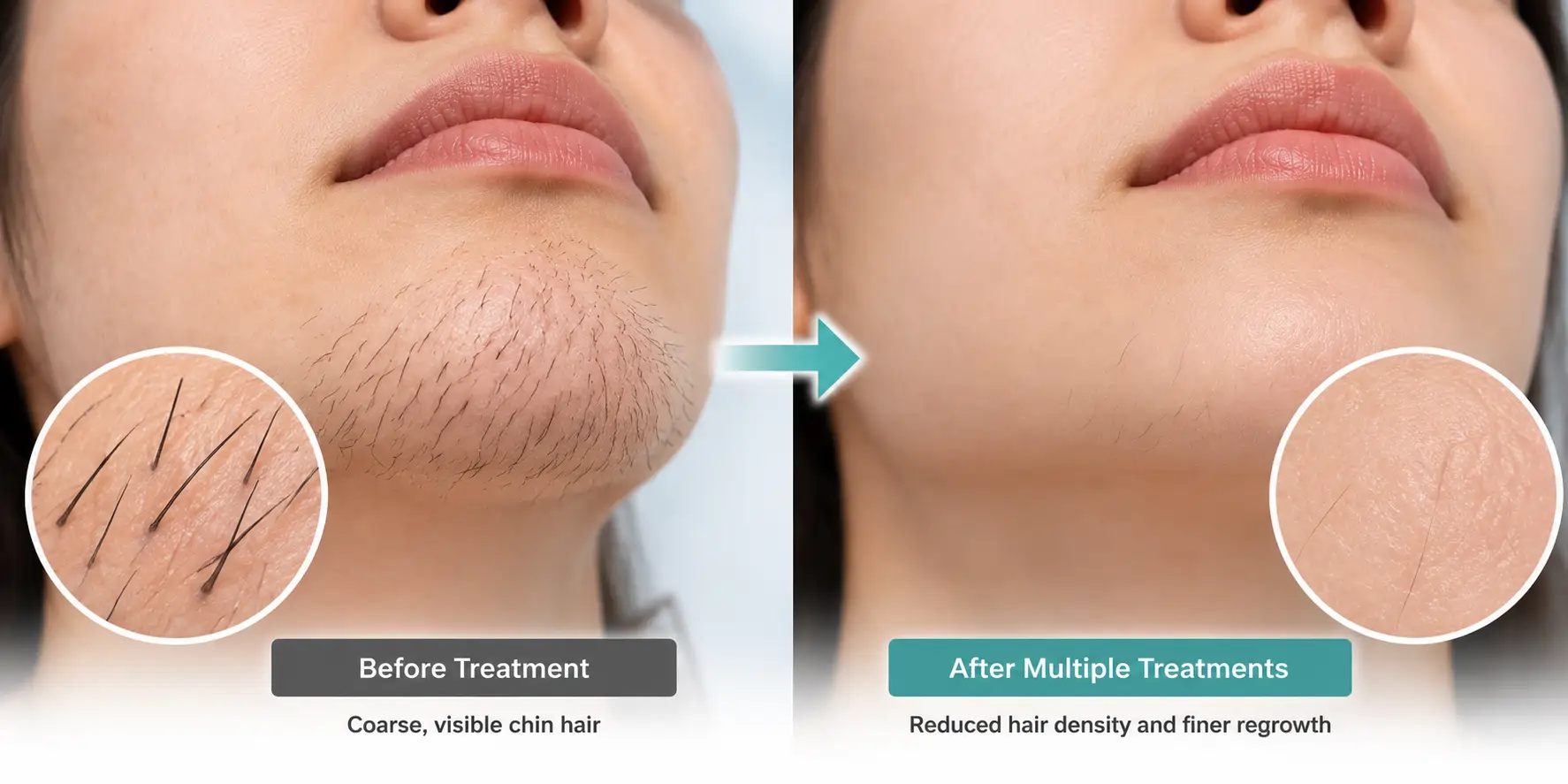
The main objective of chin laser hair removal is to reduce the number of visible coarse hairs and the frequency of regrowth. Successful treatment may make shaving less frequent, reduce the number of hairs requiring tweezing and simplify daily grooming.
Results usually develop over a series of treatments rather than appearing immediately after the first appointment.
Individual outcomes vary because follicles differ in pigmentation, growth stage, depth and responsiveness. Hormonal influences can make facial results less predictable over time.
What Does Successful Chin Laser Hair Removal Look Like?
A successful response does not always mean completely smooth skin without a single visible hair. Improvements may include:
- Fewer coarse terminal hairs across the treated chin area.
- Slower visible regrowth between grooming sessions.
- Reduced hair density in areas that previously required frequent shaving.
- Less time spent removing unwanted facial hair.
- Some remaining hairs becoming finer or less noticeable.
These outcomes are possibilities rather than guarantees. A qualified provider should assess progress across the treatment course and explain whether the observed response is consistent with the original plan.
Is Chin Laser Hair Removal Permanent?
Laser hair removal is most accurately described as a procedure intended to produce long-term or permanent hair reduction.
This differs from guaranteeing that every follicle will be permanently eliminated. Some follicles may stop producing visible hair for an extended period, while others may continue producing hair or become active later.
The distinction is particularly important for the chin because hormonal changes can stimulate new terminal hair growth after the initial treatment course.
Can Chin Hair Grow Back After Laser Treatment?
Yes. Some chin hair can remain or regrow after laser treatment. The amount and timing vary between individuals.
There are several possible explanations:
- Some follicles were not sufficiently affected during the original treatment course.
- Remaining hairs have characteristics that respond poorly to the selected laser.
- Hormonal changes stimulate previously fine follicles to produce coarse terminal hair.
- Age-related changes alter the pattern of facial hair growth.
- The original treatment plan did not adequately address the relevant hair characteristics.
Regrowth does not necessarily mean that every previously treated follicle has returned to its original state. New growth can arise from follicles that were not previously producing noticeable terminal hairs.
Will I Need Maintenance Treatments?
Some patients maintain satisfactory results without frequent additional treatment. Others benefit from occasional maintenance appointments, especially when hair growth is hormonally influenced.
There is no universal maintenance schedule for chin laser hair removal. A provider should recommend follow-up based on actual regrowth rather than automatically scheduling indefinite appointments.
For a small number of persistent or newly developed hairs, electrolysis may be worth discussing instead of continuing broad-area laser treatment.
Hormonal Chin Hair: Why Does It Grow and Can Laser Help?
One of the most important differences between chin hair and hair on many other body areas is the influence of hormones.
The chin is an androgen-sensitive region. Androgens are hormones involved in the development of terminal hair in certain anatomical areas. Everyone produces androgens, although levels and tissue sensitivity vary.
In some people, androgen activity can contribute to the transformation of fine vellus hairs into thicker, darker terminal hairs.
This means that the number of visible chin hairs may change over time, even when grooming habits remain the same.
What Causes Coarse Chin Hair in Women?
Coarse chin hair in women can have several explanations. Not every case indicates an underlying medical disorder.
Potential contributing factors include:
- Genetics: Family traits can influence facial hair distribution and follicle sensitivity.
- Normal hormonal variation: Hair growth patterns can change throughout adulthood.
- Menopause and aging: Changes in the balance of sex hormones may affect facial hair visibility.
- Polycystic ovary syndrome: PCOS is a common condition associated with hyperandrogenism and hirsutism.
- Medications: Certain medicines can contribute to increased hair growth.
- Other endocrine conditions: Less common hormonal disorders can also cause excessive terminal hair growth.
A few isolated chin hairs may be a normal variation. However, rapidly increasing or extensive coarse facial hair deserves a different level of attention.
What Is Hirsutism?
Hirsutism describes excessive terminal hair growth in women in areas that are typically sensitive to androgens, such as the chin, upper lip, chest or abdomen.
It is not the same as ordinary facial peach fuzz. Hirsutism involves thicker terminal hairs and may be associated with increased androgen production or increased follicle sensitivity to androgens.
PCOS is one possible cause, but hirsutism can also occur for other reasons. A diagnosis should be based on appropriate clinical evaluation rather than hair appearance alone.
Can Laser Hair Removal Treat Hormonal Chin Hair?
Laser treatment can potentially reduce existing coarse, pigmented hairs even when their growth is hormonally influenced.
However, the laser acts on suitable hair follicles; it does not correct hormone levels or prevent all other follicles from becoming active.
This distinction is essential when setting expectations. Someone with hormonally influenced chin hair may experience a meaningful reduction in visible growth while still requiring maintenance or additional medical management.
Does Chin Laser Hair Removal Work for PCOS?
Laser hair removal may help reduce unwanted chin hair in people with polycystic ovary syndrome (PCOS), particularly when the hairs are coarse and pigmented.
PCOS can involve hormonal changes that contribute to increased facial and body hair growth. For some patients, unwanted chin hair is one of the most noticeable cosmetic concerns.
Laser treatment may improve the appearance of existing hair growth, but it does not treat the underlying syndrome.
Why Can PCOS-Related Chin Hair Be Difficult to Control?
Ongoing androgen-related stimulation can encourage additional follicles to develop terminal hairs.
A laser treatment course may reduce hairs that are already coarse and pigmented, but new visible hairs may appear later because the underlying hormonal influence continues.
Consequently, a person with PCOS may require a different long-term strategy from someone whose chin hair is not hormonally driven.
Can PCOS Chin Hair Grow Back After Laser?
Yes. PCOS-related facial hair can remain or recur after laser treatment.
This does not automatically mean that the procedure provided no benefit. A patient may experience a substantial reduction in the original hair density while still developing new terminal hairs over time.
The long-term approach may include periodic cosmetic treatment and, where appropriate, medical evaluation and management of the underlying condition.
Should PCOS Be Treated Before Laser Hair Removal?
There is no single treatment sequence appropriate for everyone. People with known or suspected PCOS should discuss their symptoms and management options with a qualified healthcare professional.
Cosmetic hair reduction may be one component of care, while other treatments address hormonal or metabolic aspects of PCOS.
Patients should not assume that laser treatment alone will prevent future facial hair growth associated with the condition.
When Should Chin Hair Growth Be Medically Evaluated?
Consider seeking medical advice if coarse chin hair becomes significantly more noticeable, especially when accompanied by other symptoms.
Examples include:
- New or persistent menstrual irregularities.
- Rapidly increasing facial or body hair growth.
- Significant new acne or increased skin oiliness.
- Scalp hair thinning or changes in hair distribution.
- Other symptoms suggesting an endocrine disorder.
Rapid-onset severe hirsutism or signs of virilization, such as voice deepening, warrant prompt medical assessment.
Laser hair removal should not delay evaluation of unexplained or concerning symptoms.
Can Chin Laser Hair Removal Make Hair Growth Worse?
Although laser treatment is intended to reduce unwanted hair, an important potential adverse effect is paradoxical hypertrichosis.
This refers to increased hair growth in or around an area exposed to laser or other light-based hair removal.
It is not the usual treatment response, and its exact frequency varies across studies, devices and patient populations. Nevertheless, it is particularly relevant when discussing treatment of fine facial hair.
What Does Paradoxical Hypertrichosis Look Like?
Instead of the expected reduction, a patient may notice more visible or coarser hair developing in the treated region or nearby areas.
This is different from ordinary shedding followed by regrowth, and it should be evaluated by a qualified professional rather than automatically treated with additional laser sessions.
Why Can Laser Hair Removal Stimulate Facial Hair?
The precise mechanism of paradoxical hypertrichosis is not fully established.
Proposed explanations include subtherapeutic heating and biological responses within or around hair follicles. These remain proposed mechanisms rather than a complete explanation for every case.
The risk may be influenced by anatomical area, hair characteristics, patient factors and treatment conditions.
Is Peach Fuzz on the Chin Worth Treating With Laser?
Fine vellus hair generally contains less pigment than coarse terminal hair, making it a less reliable target for conventional laser hair removal.
Because treatment may provide limited benefit and carries potential risks, routine laser treatment of extensive facial peach fuzz should not be assumed to be appropriate.
If your concern is a few fine hairs, consider discussing trimming, observation or electrolysis with an appropriately qualified professional.
What Should You Do if Hair Growth Increases After Laser Treatment?
If you notice unexpected increased hair growth, document the changes and request a professional reassessment.
The provider should distinguish new terminal hair growth from normal post-treatment shedding, incomplete reduction or hormonal changes.
Additional laser treatment is not automatically the correct response. The most suitable next step depends on the diagnosis, hair characteristics and individual circumstances.
Is Chin Laser Hair Removal Safe?
Chin laser hair removal is generally considered a well-established professional hair reduction procedure when patients are appropriately selected and treatment is performed by qualified personnel using suitable equipment and protocols.
However, no laser treatment is completely risk-free. The chin is a visible facial area, and complications such as burns, pigment changes or scarring can have a significant cosmetic impact.
A thorough consultation should consider skin phototype, recent sun exposure, hair characteristics, medical history, medications and any previous adverse reactions to light-based treatments.
What Are the Common Side Effects?
Mild, temporary skin reactions may occur immediately after treatment. These can include:
- Redness: Temporary erythema around the treated area.
- Follicular swelling: Mild swelling around individual hair follicles.
- Warmth: A temporary sensation of heat or tenderness.
- Skin sensitivity: Mild irritation that may affect shaving or skin care immediately afterward.
These reactions often settle without lasting problems, although the recovery period varies. Follow the treating provider’s aftercare instructions rather than assuming that all reactions will resolve within a fixed number of hours.
What Are the More Serious Risks?
Less common but potentially significant complications include:
- Thermal burns or blistering.
- Post-inflammatory hyperpigmentation, causing darker patches.
- Hypopigmentation, causing lighter patches.
- Persistent irritation or changes in skin texture.
- Scarring.
- Paradoxical hypertrichosis.
- Eye injury if appropriate laser safety precautions are not followed.
The risk of complications depends on multiple factors, including the equipment, treatment parameters, patient characteristics and operator technique.
Seek prompt professional evaluation if you develop severe or worsening pain, blistering, signs of infection or persistent skin discoloration.
Is Chin Laser Hair Removal Safe for Dark Skin?
People with darker skin phototypes may be candidates for professional laser hair removal, but careful treatment planning is particularly important.
Melanin is present in both hair and skin. In darker skin, increased epidermal melanin absorption can raise the risk of unwanted skin heating when inappropriate laser settings are used.
The provider should select suitable technology and parameters, use appropriate cooling and consider the patient’s history of post-inflammatory hyperpigmentation.
Long-pulsed 1064nm Nd:YAG lasers are often considered for darker skin phototypes because their optical characteristics may offer advantages in selected patients. However, no wavelength eliminates risk, and the best choice depends on individual clinical assessment.
Can You Get Chin Laser Hair Removal With Acne?
The answer depends on the severity and location of the acne, the condition of the surrounding skin and any medications being used.
Active inflamed lesions, broken skin or infection may require treatment to be postponed. Certain acne medications and skin care products may also affect treatment planning.
Tell the provider about prescription treatments, over-the-counter products and recent skin reactions before your appointment.
Is Chin Laser Hair Removal Safe During Pregnancy?
Evidence specifically establishing the safety of elective laser hair removal during pregnancy is limited.
Many providers recommend postponing elective cosmetic laser hair removal until after pregnancy rather than proceeding without sufficient safety information.
If you are pregnant, discuss your circumstances with an appropriate healthcare professional and the treating clinic.
Why Is Eye Protection Important for Facial Laser Hair Removal?
Professional hair removal lasers can present serious eye hazards. Facial treatments require particular attention because the treatment area is close to the eyes.
Everyone who may be exposed to the laser must use appropriate protective measures, including eyewear designed for the relevant wavelength and optical density.
Ordinary sunglasses are not a substitute for proper laser protective eyewear.
How to Prepare for Chin Laser Hair Removal
Good preparation begins with an accurate assessment rather than simply shaving the area before an appointment.
The clinic should explain which activities and products to avoid, how to manage existing facial hair and when treatment should be postponed.
Before Your Appointment: Preparation Checklist
- Discuss medical history: Disclose relevant conditions, medications, previous laser reactions and unusual scarring.
- Report recent tanning: Sun exposure and artificial tanning can affect treatment suitability.
- Avoid plucking: Follow the clinic’s instructions regarding tweezing, waxing and threading before treatment.
- Follow shaving instructions: The clinic may ask you to shave or trim suitable coarse hair before the appointment.
- Review skin care: Ask whether retinoids, exfoliating acids or other potentially irritating products should be paused.
- Check skin condition: Report active infections, wounds, severe irritation or inflamed lesions.
- Clarify treatment boundaries: Confirm whether the quoted area includes the chin, under-chin region or jawline.
Should You Shave Your Chin Before Laser Hair Removal?
Clinics commonly recommend shaving suitable coarse hair before treatment because excessive hair above the skin may absorb energy and contribute to surface heating.
However, shaving instructions vary according to the device and clinical protocol. Do not assume that shaving immediately before every appointment is appropriate, particularly if your skin becomes irritated easily.
Can You Pluck Chin Hair Before Laser Treatment?
Tweezing, waxing and threading remove the hair shaft that serves as an important pigment target for conventional laser hair removal.
For this reason, providers generally recommend avoiding these methods for a specified period before treatment.
Shaving or trimming is commonly preferred when the skin is healthy and the provider permits it.
Should You Stop Retinol Before Chin Laser Hair Removal?
Retinoids and other potentially irritating skin care ingredients may need to be paused before facial laser treatment.
The appropriate interval depends on the product, concentration, skin condition and provider’s protocol.
Do not stop prescribed medications without discussing the decision with the prescribing healthcare professional.
What Happens During a Chin Laser Hair Removal Appointment?
The exact process varies between clinics and devices, but a professional appointment commonly includes the following stages.
- Consultation and assessment: The provider reviews skin type, hair characteristics, medical history and expectations.
- Treatment planning: The intended area is identified, and suitable device parameters are selected according to the applicable protocol.
- Skin preparation: The treatment area is cleaned and prepared.
- Eye protection: Appropriate wavelength-specific protective eyewear is used.
- Laser application: Controlled pulses are delivered to suitable hair-bearing areas, with cooling where indicated.
- Post-treatment assessment: The provider checks the skin response and gives aftercare instructions.
How Long Does Chin Laser Hair Removal Take?
The chin is a relatively small anatomical area, so laser application itself may take only a few minutes.
However, the complete appointment may take longer because of consultation, skin preparation, safety checks and aftercare discussion.
A shorter treatment time does not necessarily indicate a better result. Correct settings and safe technique are more important than speed.
Chin Laser Hair Removal Aftercare
The treated skin may be temporarily sensitive after laser hair removal. Following appropriate aftercare helps minimize unnecessary irritation while the skin recovers.
Your provider’s instructions should take priority because recommendations may vary according to the equipment used and your individual skin response.
What Should You Do After Chin Laser Hair Removal?
- Use gentle skin care products recommended by the provider.
- Avoid scratching, picking or aggressively exfoliating the treated area.
- Protect exposed facial skin from excessive ultraviolet radiation.
- Avoid excessive heat and friction while the skin remains irritated.
- Do not wax, thread or tweeze treated hairs between appointments.
- Follow the clinic’s guidance on shaving, makeup and active skin care ingredients.
- Contact the provider if symptoms are unusually severe or persistent.
Can You Wear Makeup After Chin Laser Hair Removal?
Makeup may irritate freshly treated facial skin, especially when redness, tenderness or swelling is present.
Ask your provider when makeup can be resumed. Avoid applying products over blistered, broken or significantly irritated skin.
Can You Use Retinol or Exfoliating Acids After Treatment?
Retinoids, alpha-hydroxy acids, beta-hydroxy acids and other potentially irritating products may need to be avoided temporarily.
Restart them according to your provider’s instructions, particularly if you have sensitive skin or a history of pigmentation changes.
Can You Shave Between Chin Laser Sessions?
Shaving or careful trimming is generally preferred over plucking and waxing between laser sessions, provided the skin has recovered and the clinic approves it.
Avoid shaving over irritated, blistered or damaged skin.
How Long Does It Take for Treated Chin Hair to Shed?
Treated hairs may gradually shed over the days or weeks following an appointment.
During this period, some hairs may appear to grow outward before they are released from the skin.
Do not aggressively pull or exfoliate the hairs to accelerate shedding. If the treatment response is unclear, ask your provider to assess it at the next visit.
Chin Laser Hair Removal vs. Electrolysis: Which Is Better?
Laser hair removal and electrolysis are both professional methods for addressing unwanted chin hair, but they use different mechanisms and may suit different treatment goals.
Laser treatment uses light energy absorbed by pigment in suitable hair. Electrolysis treats individual follicles using electrical energy delivered through a fine probe.
Neither method is automatically best for every person.
| Factor | Laser Hair Removal | Electrolysis |
|---|---|---|
| Ideal hair characteristics | Generally suitable for groups of coarse, pigmented hairs | Can treat individual follicles regardless of hair pigment |
| White or gray hair | Usually responds poorly to conventional lasers | Can be treated without relying on melanin |
| Treatment method | Laser pulses cover selected skin areas | Individual follicles are treated with a probe |
| Long-term goal | Long-term hair reduction | Permanent removal of successfully treated follicles |
| Time commitment | Often efficient for multiple suitable hairs | Can be time-intensive for numerous hairs |
| Main limitations | Hair pigment, regrowth and treatment-related risks | Operator skill, repeated visits and skin irritation risks |
Is Laser Better for Thick, Dark Chin Hair?
Laser hair removal may be practical when there are many coarse, pigmented hairs across the chin because it can treat a selected area rather than requiring individual probe placement for every follicle.
However, suitability still depends on skin characteristics, hair distribution and the provider’s assessment.
Is Electrolysis Better for White or Gray Chin Hair?
Electrolysis is often worth considering for white, gray or otherwise poorly pigmented hairs because it does not depend on melanin absorption in the same way as conventional laser treatment.
It may also be a practical choice when only a few isolated chin hairs remain.
Can You Combine Laser Hair Removal and Electrolysis?
Some patients may benefit from laser treatment for a larger group of suitable dark hairs, followed by electrolysis for a small number of remaining follicles.
Any combined approach should be planned with qualified professionals to ensure appropriate treatment selection and adequate skin recovery.
Chin Laser Hair Removal vs. Shaving, Waxing and Tweezing
Laser hair removal is not always necessary for managing unwanted chin hair. Temporary grooming methods may be sufficient, especially when only a few hairs are present.
| Method | Advantages | Limitations |
|---|---|---|
| Laser hair removal | Potential long-term reduction of suitable hair | Multiple sessions, higher initial expense and variable results |
| Shaving | Fast, inexpensive and accessible | Requires repeated grooming and may irritate skin |
| Tweezing | Useful for a few individual hairs | Temporary and may irritate follicles |
| Waxing | Removes multiple hairs temporarily | May cause irritation and requires repetition |
| Electrolysis | Can target individual follicles regardless of pigment | May require considerable treatment time |
Does Shaving Make Chin Hair Grow Back Thicker?
Shaving does not biologically increase the thickness of hair follicles or accelerate hair growth.
However, freshly cut hairs have blunt tips that can feel coarser as they emerge from the skin. This may create the impression of thicker regrowth.
If chin hair genuinely becomes more numerous or coarse over time, hormonal and other biological factors may be responsible.
Which Laser Is Best for Chin Hair Removal?
Several professional laser technologies are used for hair reduction. The appropriate choice depends on skin phototype, hair pigmentation, follicle characteristics and the provider’s expertise.
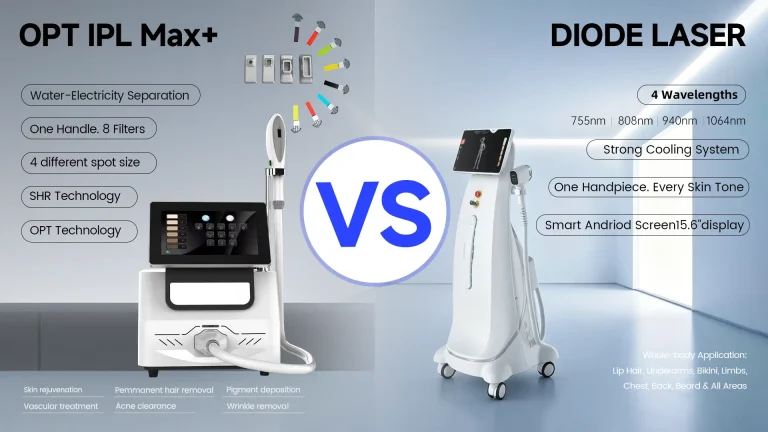
Common options include alexandrite, diode and long-pulsed Nd:YAG lasers.
| Laser Technology | Common Wavelength | General Consideration |
|---|---|---|
| Alexandrite | 755nm | Often considered for suitable lighter skin phototypes |
| Diode | Approximately 800–810nm in many systems | Widely used for professional hair reduction |
| Long-pulsed Nd:YAG | 1064nm | Often considered for darker skin phototypes under appropriate protocols |
Is Diode Laser Good for Chin Hair Removal?
Diode laser systems are commonly used for professional hair reduction and may be suitable for some patients with coarse, pigmented chin hair.
However, the results depend on the specific device, selected parameters, skin characteristics and operator experience.
A diode laser should not be considered automatically appropriate for all facial hair types, particularly fine vellus hair.
Is a 1064nm Diode Laser the Same as a 1064nm Nd:YAG Laser?
No. A 1064nm diode laser and a 1064nm Nd:YAG laser may share a nominal wavelength, but they use different laser source technologies.
Their pulse characteristics, beam delivery and other engineering features can differ. Clinical suitability must be evaluated using the actual device specifications and treatment evidence rather than wavelength alone.
Does a Better Laser Guarantee Better Results?
No single laser system guarantees successful treatment for every patient.
Appropriate patient selection, realistic expectations, correct treatment parameters, cooling, operator training and follow-up assessment all contribute to treatment quality.
How to Choose a Chin Laser Hair Removal Clinic
The experience and judgment of the provider are especially important for facial hair removal.
Before booking a treatment course, consider asking:
- Do you regularly treat chin and other facial hair? Facial hair patterns can differ from body hair.
- Is my hair suitable for laser treatment? Fine, white or gray hairs may respond poorly.
- What laser technology will you use? Ask how the choice relates to your skin and hair characteristics.
- Could hormonal factors affect my results? This is particularly important for persistent or increasing coarse chin hair.
- What are the risks? The consultation should include burns, pigment changes and paradoxical hair growth.
- How many sessions might I need? Expect an individualized estimate rather than a guarantee.
- What exactly does the price include? Clarify treatment boundaries, packages and maintenance charges.
A reputable provider should be willing to explain why laser treatment is appropriate, what improvement is realistic and when another approach may be preferable.
Frequently Asked Questions About Chin Laser Hair Removal
Does laser hair removal work on chin hair?
Yes. Laser treatment may provide long-term reduction of suitable dark, coarse chin hairs. Results vary according to hair characteristics, skin type and treatment parameters.
How much does chin laser hair removal cost?
Prices vary by location, clinic and treatment plan. The illustrative budgeting range used earlier in this guide is not a verified market average; obtain an individualized quote from a local provider.
How many sessions are needed for chin laser hair removal?
Many initial plans involve approximately six to eight sessions, but hormonally influenced chin hair may require additional appointments or maintenance.
How painful is laser hair removal on the chin?
It may feel like a brief snap, sting or pulse of heat. Cooling and appropriate treatment settings can improve comfort, but the procedure is not guaranteed to be painless.
Is chin laser hair removal permanent?
The goal is long-term hair reduction rather than guaranteed permanent removal of every chin hair. Some hairs may remain or develop later.
Can laser hair removal help with PCOS chin hair?
Laser treatment may reduce existing coarse, pigmented hair in people with PCOS, but it does not treat the underlying hormonal condition or prevent all future growth.
Why does chin hair grow back after laser treatment?
Remaining active follicles, variable treatment response and hormonal stimulation of new terminal hairs can all contribute to regrowth.
Can laser hair removal make chin hair worse?
Paradoxical hypertrichosis is a recognized potential adverse effect involving increased hair growth in or around the treated area.
Can laser remove fine peach fuzz from the chin?
Fine vellus hair is generally a less reliable target for conventional pigment-based lasers. Treatment should be considered cautiously because the benefit may be limited and adverse effects are possible.
Does laser hair removal work on white or gray chin hair?
Conventional laser hair removal usually works poorly on white or gray hair because it relies on pigment absorption. Electrolysis may be worth considering.
Is chin laser hair removal safe for dark skin?
Many people with darker skin phototypes can be evaluated for treatment, but suitable technology, parameters, cooling and experienced operators are essential.
Can I shave between chin laser hair removal sessions?
Shaving or trimming is generally preferred over waxing or tweezing once the skin has recovered and the provider approves it.
Is electrolysis better than laser for chin hair?
Electrolysis may be preferable for isolated or nonpigmented hairs. Laser treatment may be more efficient for groups of suitable coarse, dark hairs.
Can I wear makeup after chin laser hair removal?
Follow the clinic’s aftercare guidance. If the skin is red or irritated, delaying makeup until it settles may help avoid additional irritation.
Final Verdict: Is Chin Laser Hair Removal Worth It?
Chin laser hair removal can be a worthwhile option for people who regularly manage unwanted coarse, dark facial hair and want to reduce the frequency of shaving, tweezing or waxing.
However, the chin requires realistic expectations. Hair growth may be influenced by hormones, and treatment does not guarantee permanent elimination of every follicle.
Laser treatment may be less appropriate for very fine peach fuzz, white or gray hairs, or situations where the cause of rapidly increasing facial hair has not been evaluated.
Before committing to a treatment package, choose a qualified provider who can assess your hair and skin, explain the risks, discuss potential hormonal influences and recommend an appropriate long-term plan.
For some people, laser treatment provides meaningful long-term reduction. For others, electrolysis, temporary grooming or a combination of cosmetic and medical management may be more suitable.
Professional Laser Hair Removal Technology for Clinics
Cocoon Laser supplies professional aesthetic equipment for clinics, medical spas and distributors, including diode laser hair removal systems.
Equipment buyers can explore the COOLICE professional diode laser hair removal system to review available configurations and technical information.
Equipment selection and clinical use should follow applicable regulations, manufacturer instructions, operator training requirements and appropriate treatment protocols.
Editorial disclosure: This article was prepared by the Cocoon Laser content team. Cocoon Laser is a professional aesthetic equipment supplier and does not provide the consumer treatments or clinic pricing described in this guide.
Medical disclaimer: This content is intended for general education and does not replace individualized medical advice, diagnosis or treatment. Hair reduction outcomes and potential complications vary. Consult an appropriately qualified healthcare professional for concerns about hormonal hair growth or treatment suitability.
Pricing disclosure: Any numerical cost scenarios in this article are illustrative budgeting examples, not verified national averages or current clinic quotations.