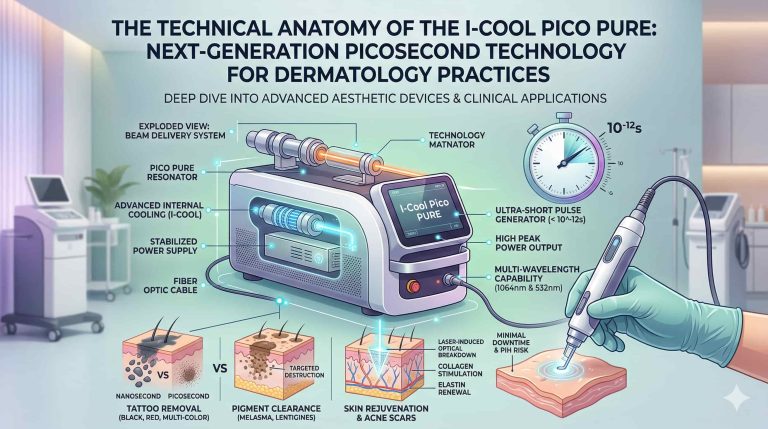
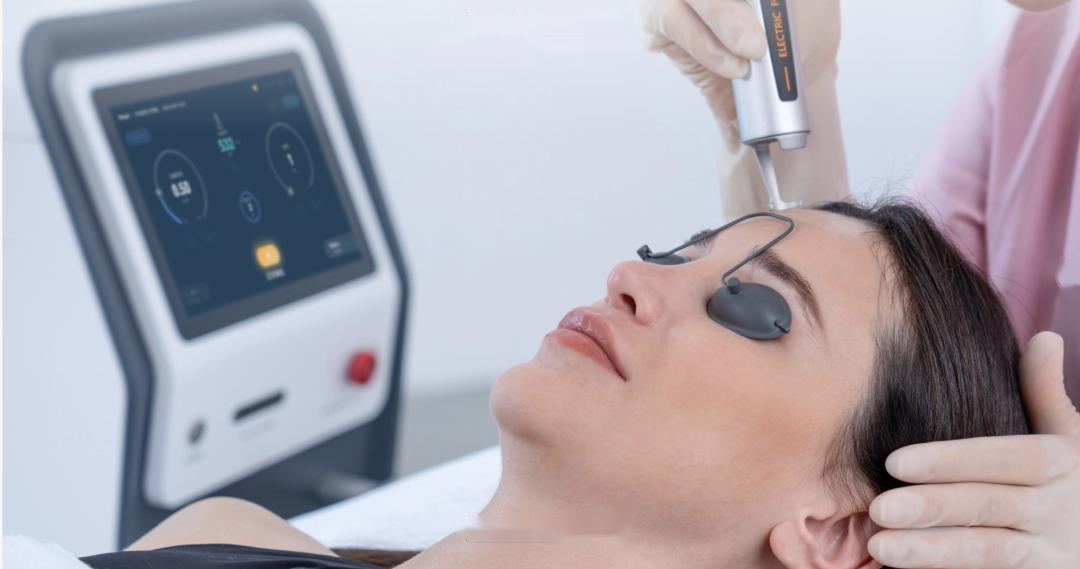
Best Picosecond Laser Manufacturers 2026
For dermatology clinics, medical spas, tattoo removal practices, importers, and distributors.
Published by Cocoon Laser · Updated October 2026
Choosing among picosecond laser manufacturers is about more than comparing product brochures. Clinics and distributors need to verify the laser technology, available wavelengths, regulatory status, technical documentation, training, warranty, and long-term service support before investing in professional equipment.
This guide introduces seven companies and professional picosecond laser platforms worth researching in 2026. It compares their purchasing relevance, explains the differences between branded clinical systems and OEM-oriented supply, and provides a practical checklist for evaluating suppliers.
Quick Answer: Who Are the Leading Picosecond Laser Manufacturers?
Professional picosecond laser manufacturers and suppliers worth evaluating include Candela, Cynosure, Quanta System, Cutera, Lutronic, Asclepion, and Cocoon Laser. Their relevant platforms include PicoWay, PicoSure Pro, Discovery Pico, enlighten, PicoPlus, PicoStar, and Ultra PicoMax.
The best supplier depends on your business model. A clinic seeking a specific established clinical platform may prioritize local service and authorized indications. An importer or private-label distributor may prioritize manufacturing documentation, configuration options, OEM/ODM terms, and spare parts availability.
Picosecond Laser Manufacturers Comparison Table
| Company | Representative Platform | Primary Research Focus | Buyer Type |
|---|---|---|---|
| Cocoon Laser | Ultra PicoMax | Multi-wavelength configuration and OEM/ODM inquiries | Clinics, distributors, importers |
| Candela | PicoWay | Multi-wavelength and micro-beam options | Professional clinics |
| Cynosure | PicoSure Pro | 755 nm picosecond platform | Dermatology and aesthetic practices |
| Quanta System | Discovery Pico | Configurable wavelengths and emission modes | Specialist laser clinics |
| Cutera | enlighten | Picosecond and nanosecond pulse options | Tattoo and pigmentation clinics |
| Lutronic | PicoPlus | Multi-wavelength picosecond platform | Professional aesthetic clinics |
| Asclepion | PicoStar | Professional picosecond laser system | Dermatology and laser practices |
Product names identify platforms for further research. Regional availability, included handpieces, pulse modes, indications, and manufacturer or distributor arrangements can change. Not every available wavelength necessarily operates in picosecond mode.
Seven Picosecond Laser Manufacturers and Suppliers to Research
Cocoon Laser
Representative product: Ultra PicoMax

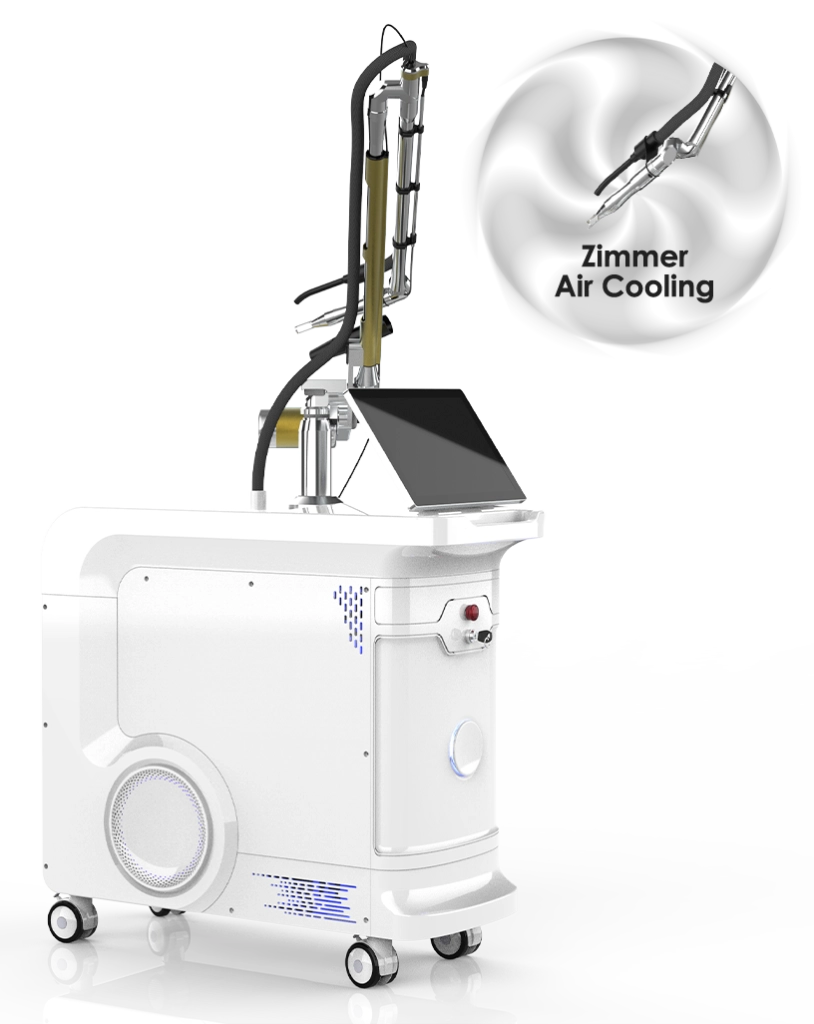
Company and Product Overview
Cocoon Laser supplies professional medical aesthetic equipment to international B2B buyers, including clinics, equipment distributors, importers, and OEM/ODM partners.
Its Ultra PicoMax platform is positioned as a multi-wavelength picosecond laser system. Supplier documentation lists 1064, 755, 650, 585, and 532 nm options, a 350 ps pulse-width specification, multiple operating modes, and Honeycomb HP fractional technology.
These specifications describe the product offering, not independently verified clinical superiority. Buyers should request the precise wavelength and pulse characteristics of the configuration being quoted.
- Platform: Ultra PicoMax
- Product category: Multi-wavelength picosecond system
- Business focus: Professional B2B / OEM / ODM
- Purchasing priority: Configuration and documentation verification
Why Buyers May Consider Cocoon Laser
Relevant for distributors and professional buyers investigating direct supply, private-label discussions, and configurable laser equipment.
What to Verify
Confirm actual manufacturing responsibilities, model-specific test results, wavelength-dependent pulse duration, regulatory documentation, warranty, spare parts, and support arrangements.
Candela
Representative product: PicoWay

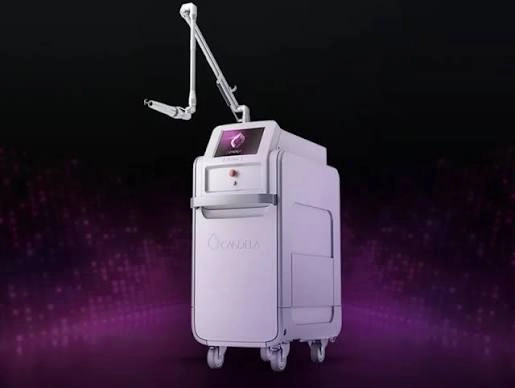
Company and Product Overview
Candela is an established medical aesthetic technology company with professional laser and energy-based device platforms.
PicoWay is a multi-wavelength picosecond laser platform associated with 532, 730, 785, and 1064 nm options, together with specialized delivery handpieces.
Its configurable approach is relevant to clinics evaluating tattoo removal, selected pigmented-lesion applications, and skin-focused procedures where authorized.
- Platform: PicoWay
- Research focus: Wavelength and handpiece flexibility
- Buyer type: Dermatology and specialist clinics
- Purchasing priority: Exact package and regional service
Why Consider Candela
Useful for clinics evaluating a multi-wavelength platform with different beam-delivery approaches.
What to Verify
Request the current regional product configuration, approved indications, included handpieces, training, service contract, and full ownership costs.
Cynosure
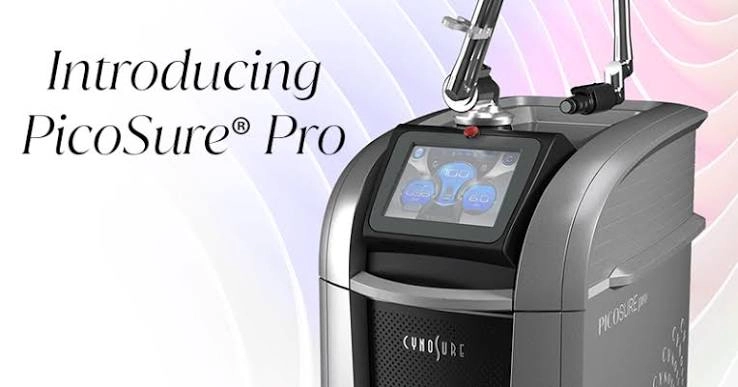
Representative product: PicoSure Pro

Company and Product Overview
Cynosure develops and markets professional aesthetic treatment technologies, including the PicoSure product family.
PicoSure Pro is built around a 755 nm picosecond alexandrite platform. Available configurations and accessories may support additional treatment approaches, depending on the market and product package.
Clinics should evaluate the specific indications and clinical evidence rather than assuming that 755 nm is universally preferable to 532 or 1064 nm.
- Platform: PicoSure Pro
- Core technology: 755 nm picosecond alexandrite
- Buyer type: Dermatology and aesthetic clinics
- Purchasing priority: Accessories and indication-specific evidence
Why Consider Cynosure
Relevant to practices researching a 755 nm-centered platform and its associated clinical applications.
What to Verify
Confirm available wavelength options, lens configurations, local authorization, training, warranty, and maintenance requirements.
Quanta System
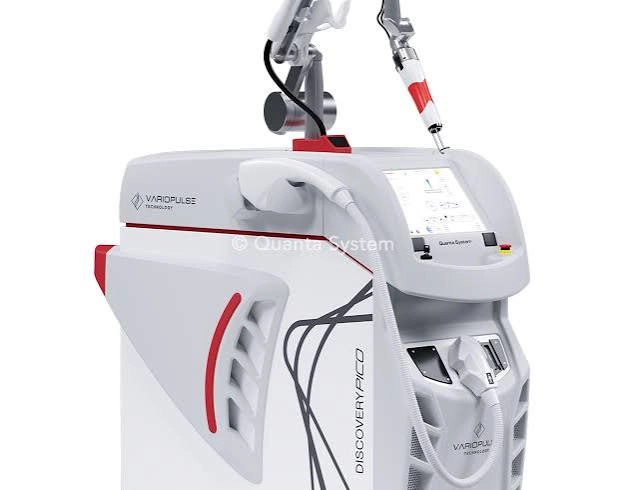
Representative product: Discovery Pico

Company and Product Overview
Quanta System develops medical laser platforms for multiple professional applications. Its Discovery Pico series is relevant to buyers evaluating picosecond technology with configurable treatment capabilities.
The series includes 1064 and 532 nm options, with additional wavelengths and emission modes on certain versions.
Different versions may offer different capabilities. Buyers should avoid treating the entire product family as a single fixed specification.
- Platform: Discovery Pico series
- Core wavelengths: 1064 / 532 nm
- Buyer type: Specialist laser clinics
- Purchasing priority: Model and mode-specific verification
Why Consider Quanta System
Relevant to clinics seeking different laser modes, handpieces, and configuration options.
What to Verify
Identify the exact Discovery Pico version and confirm which wavelengths operate in picosecond mode, as well as the included accessories and regional support.
Cutera
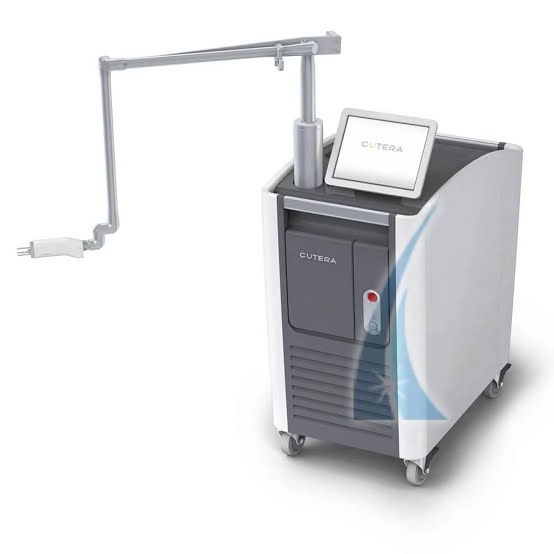
Representative product: enlighten

Company and Product Overview
Cutera supplies professional aesthetic energy-based systems. The enlighten family is relevant to buyers interested in both picosecond and nanosecond pulse options.
The platform’s purchasing appeal lies in comparing different pulse-duration approaches and available wavelength configurations for professional treatment workflows.
Because the product family includes different configurations, clinics should request specifications for the precise version under consideration.
- Platform: enlighten
- Technology: Picosecond and nanosecond pulse options
- Buyer type: Tattoo and pigment treatment clinics
- Purchasing priority: Mode-specific parameters and service
Why Consider Cutera
A useful candidate for practices comparing picosecond and nanosecond treatment capabilities within one equipment family.
What to Verify
Confirm wavelengths, pulse modes, applicators, regulatory indications, maintenance requirements, and available local technical support.
Lutronic
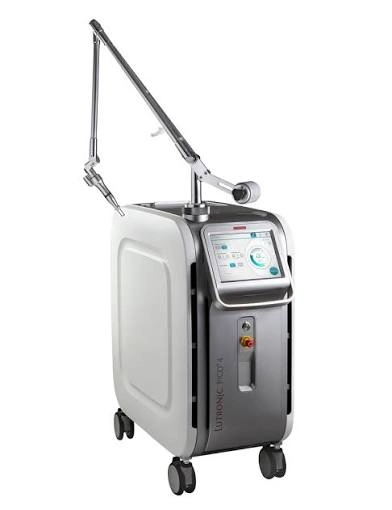
Representative product: PicoPlus

Company and Product Overview
Lutronic is a professional medical aesthetic technology company associated with laser platforms for dermatology and aesthetic applications.
PicoPlus is part of its picosecond laser product portfolio. Buyers evaluating this platform should review its wavelength and pulse-mode configurations, treatment handpieces, and indication-specific evidence.
Availability and product versions may differ by region, so current documentation is particularly important.
- Platform: PicoPlus
- Technology category: Professional picosecond laser
- Buyer type: Dermatology and aesthetic clinics
- Purchasing priority: Current regional configuration
Why Consider Lutronic
Relevant for clinics comparing additional professional picosecond platforms beyond the most frequently discussed product families.
What to Verify
Confirm current availability, manufacturer documentation, included handpieces, regional regulatory status, and service arrangements.
Asclepion Laser Technologies
Representative product: PicoStar
Company and Product Overview
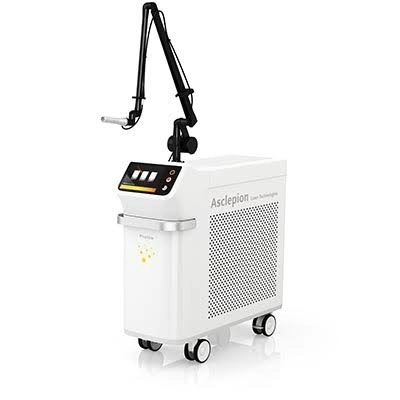
Asclepion Laser Technologies is a Germany-based medical laser equipment company with products for professional aesthetic and dermatological use.
PicoStar is a professional picosecond laser platform relevant to clinics investigating tattoo removal and selected pigmentation applications.
As with any professional system, the purchasing decision should be based on the exact model, intended indications, treatment handpieces, service support, and technical documentation.
- Platform: PicoStar
- Company location: Germany
- Buyer type: Dermatology and specialist clinics
- Purchasing priority: Model documentation and service coverage
Why Consider Asclepion
Worth researching for professional buyers seeking another established medical laser equipment supplier and a dedicated picosecond platform.
What to Verify
Request current PicoStar specifications, regulatory indications, training details, warranty, and available service channels.
How We Selected These Picosecond Laser Suppliers
This shortlist was designed to represent different professional purchasing needs rather than to produce a numerical ranking. We considered identifiable picosecond laser platforms, their relevance to professional aesthetic applications, and the types of questions clinics or distributors should investigate.
We did not conduct independent output testing, factory audits, randomized clinical comparisons, or customer satisfaction surveys. We therefore do not claim that one company manufactures the most reliable, effective, or affordable device.
A manufacturer being included does not mean its equipment is authorized for every indication or available in every market.
International Branded Platforms vs. China-Based OEM Suppliers
Buyers searching for picosecond laser manufacturers often compare established branded clinical systems with equipment offered through China-based B2B supply channels.
These purchasing models can differ in sales structure, customization, pricing transparency, installation, training, regulatory responsibilities, and local technical support.
| Factor | Branded Clinical Platform | OEM-Oriented B2B Supply |
|---|---|---|
| Purchasing channel | Often through authorized regional sales networks | May involve direct supplier or factory negotiations |
| Customization | Usually limited to offered configurations | Branding or configuration discussions may be available |
| Service | Check local authorized support | Check remote support, parts, and local partner capability |
| Documentation | Verify model-specific regional authorization | Verify testing, conformity, manufacturer identity, and import eligibility |
| Pricing | Package and distributor dependent | Configuration, volume, and trade-term dependent |
| Best buyer fit | Clinics prioritizing a defined platform and service arrangement | Distributors or buyers with established technical procurement processes |
Country of origin alone does not establish equipment quality. Both purchasing models require independent verification of performance, safety, documentation, and support.
How to Verify a Genuine Picosecond Laser Manufacturer
1. Confirm the Legal Manufacturer
A company selling equipment may be a legal manufacturer, contract manufacturer, distributor, reseller, or private-label brand. These roles are not interchangeable.
Request the registered business name, manufacturing address, device labeling, relevant certificates, and clarification of who is legally responsible for the product.
2. Request Measured Pulse-Width Data
A genuine picosecond laser system should have verifiable pulse-duration specifications. Ask which wavelengths and operating modes produce picosecond pulses, and under what measurement conditions.
Some products advertised as “pico lasers” may actually be conventional Q-switched nanosecond devices. The marketing name is not sufficient evidence.
3. Evaluate Wavelengths and Beam Delivery
Compare wavelength options, spot sizes, beam profiles, fluence ranges, handpieces, and fractional accessories. Determine which accessories are included and which require additional payment.
4. Check Regulatory and Quality Documentation
Confirm applicable requirements in the destination country. Request documentation for the exact model and intended use, rather than accepting generic certificates.
A quality management certificate does not automatically establish regulatory authorization for clinical use.
5. Assess Warranty and Spare Parts
Ask which components are covered, what exclusions apply, how repairs are handled, and how quickly replacement parts can be supplied.
International shipping and equipment downtime may materially affect ownership costs.
6. Evaluate Training and Laser Safety
Professional laser systems require appropriate operator qualifications, wavelength-specific protective eyewear, controlled treatment areas, and device-specific training.
Confirm whether the supplier provides technical training and what clinical training must be obtained independently.
OEM and ODM Picosecond Laser Machines
OEM and ODM arrangements are particularly relevant to equipment distributors and private-label businesses. However, the terms are used differently across suppliers, so buyers should define the requested services in writing.
Common OEM/ODM Requirements
- Custom logo and product labeling
- Housing and exterior design requirements
- Software language and interface options
- Packaging and user documentation
- Selected handpieces and accessories
- Minimum order quantity and lead time
- Spare parts, warranty, and technical support
- Destination-market regulatory responsibilities
Branding customization does not automatically make the buyer the legal manufacturer. Regulatory responsibilities must be clarified according to the applicable jurisdiction and commercial arrangement.
Manufacturer vs. Distributor: Which Should You Buy From?
Purchasing directly from a manufacturer may be useful for larger-volume orders, customization discussions, and direct technical communication. However, a direct purchase does not necessarily include local installation or rapid on-site repair.
An authorized distributor may offer regional service, training, and purchasing support. Buyers should verify authorization and understand exactly which services are included.
The best choice depends on order quantity, market requirements, internal technical capability, and the availability of qualified local support.
Picosecond Laser Supplier Verification Checklist
- Legal company name and manufacturing role
- Exact laser model and product identification
- Measured pulse duration for each required mode
- Wavelengths, pulse energy, fluence, and spot sizes
- Included handpieces and optional accessories
- Model-specific regulatory and quality documentation
- Warranty coverage and service response procedures
- Training and safety documentation
- Replacement part availability
- Itemized quotation and payment terms
- Production lead time and delivery terms
- OEM/ODM scope and intellectual property arrangements
How Much Do Picosecond Laser Machines Cost?
Prices vary substantially by manufacturer, product configuration, region, condition, accessories, and service package. Public online listings may not reflect the cost of a complete professional installation.
A low-cost device marketed as picosecond equipment should not be compared directly with a verified clinical platform without examining its pulse specifications, technical documentation, and intended use.
For budgeting scenarios and ownership-cost calculations, read our picosecond laser machine price guide .
Common Mistakes When Choosing a Picosecond Laser Supplier
- Assuming every supplier is the legal manufacturer
- Believing a product name proves picosecond performance
- Comparing devices using peak power claims alone
- Failing to distinguish picosecond and nanosecond operating modes
- Ignoring the accessories excluded from the quotation
- Accepting generic certificates without model verification
- Underestimating local training and repair requirements
- Choosing solely by the lowest purchase price
Frequently Asked Questions
Who manufactures professional picosecond laser machines?
Companies associated with professional picosecond laser platforms include Candela, Cynosure, Quanta System, Cutera, Lutronic, and Asclepion. Cocoon Laser also supplies Ultra PicoMax for professional B2B buyers.
Are all pico laser suppliers actual manufacturers?
No. Some companies are manufacturers, while others are distributors, resellers, contract manufacturers, or private-label brands. Buyers should verify each company’s role.
Are picosecond laser machines manufactured in China?
China-based suppliers offer equipment marketed as picosecond laser systems. Buyers must verify actual manufacturing responsibility, measured pulse performance, documentation, and destination-market requirements.
Can I purchase an OEM picosecond laser machine?
Some B2B suppliers offer OEM/ODM discussions. Available customization, minimum order quantities, documentation, and legal responsibilities depend on the supplier and destination market.
How can I tell whether a pico laser is genuine?
Request measured pulse-width documentation, wavelength-specific operating specifications, the exact device model, and supporting technical test records. Do not rely on the marketing name alone.
Is a picosecond laser better than a Q-switched laser?
Not universally. Picosecond and conventional Q-switched nanosecond systems have different pulse characteristics. Their suitability depends on the indication, wavelength, patient, and device. See our picosecond vs. Q-switched laser comparison .
What is the best picosecond laser machine for a clinic?
The best choice depends on the clinic’s treatment menu, regulatory requirements, clinical evidence, budget, training, and service arrangements. Compare specific devices in our professional picosecond laser machine buying guide .
What should distributors ask a picosecond laser supplier?
Distributors should request technical specifications, legal manufacturer details, documentation, pricing, order quantities, customization options, spare parts information, warranty terms, and delivery conditions.
Final Verdict: Which Picosecond Laser Manufacturer Should You Choose?
There is no universally best picosecond laser manufacturer for every professional buyer. Clinics should prioritize suitable technology, authorized indications, reliable training, and accessible technical support.
Distributors and importers should also examine manufacturer identity, OEM/ODM capabilities, regulatory responsibilities, supply continuity, and long-term service commitments.
Candela, Cynosure, Quanta System, Cutera, Lutronic, and Asclepion provide useful professional platforms to research. Cocoon Laser Ultra PicoMax is another B2B equipment option, particularly for buyers interested in multi-wavelength configurations and OEM/ODM discussions.
Before signing a purchase agreement, obtain written model-specific specifications and compare complete quotations rather than relying on brand recognition or marketing claims alone.
Looking for a Picosecond Laser Equipment Supplier?
Contact Cocoon Laser to discuss Ultra PicoMax specifications, available configurations, OEM/ODM requirements, documentation, order quantities, and international delivery terms.
Request Supplier Information →