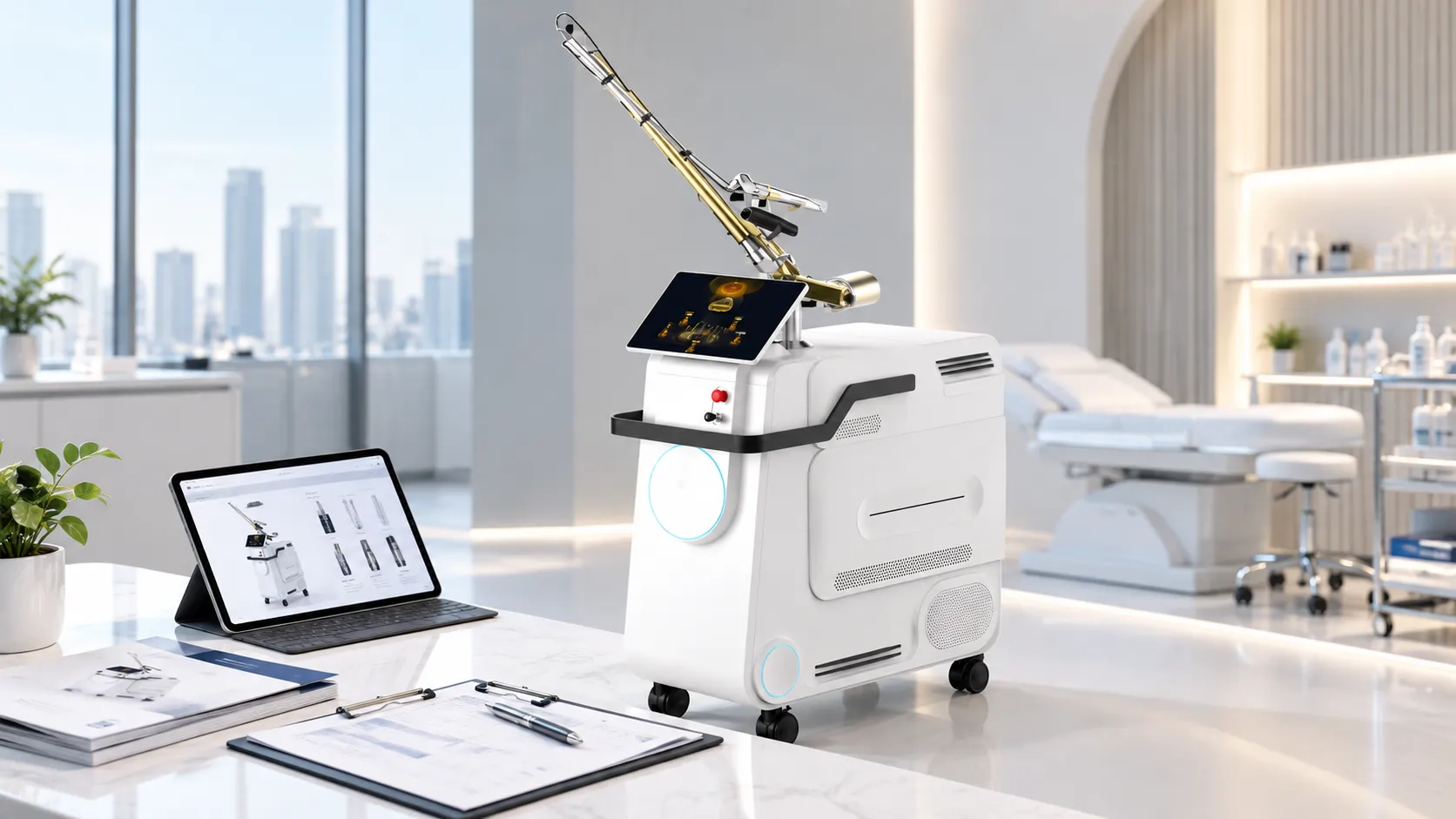
Picosecond Laser Machine Price 2026
Equipment budgeting, price comparison, and procurement planning for aesthetic clinics and medical device distributors.
Published by Cocoon Laser · Updated October 2026
How much does a professional picosecond laser machine cost in 2026? The answer depends on the laser source, wavelengths, pulse performance, handpieces, manufacturer, regulatory requirements, and after-sales support.
A low initial quotation does not necessarily mean a lower long-term cost. Likewise, an expensive branded platform is not automatically the best financial choice for every clinic. Buyers need to compare the complete equipment package and expected operating expenses.
Quick Answer: How Much Does a Picosecond Laser Machine Cost?
This is a broad planning envelope for professional equipment across very different product categories, supplier arrangements, and configurations. It is not a verified market average or a quote for any specific device.
For preliminary planning, lower-priced B2B equipment may be quoted in the low tens of thousands of dollars, while established premium clinical platforms can require substantially larger budgets. Installation, training, shipping, import charges, handpieces, maintenance, and service contracts may increase the final investment.
Important: Some machines advertised online as “pico lasers” are conventional Q-switched nanosecond systems or use picosecond terminology without adequate technical documentation. Confirm the actual pulse duration before comparing prices.
Picosecond Laser Machine Price Ranges in 2026
Professional equipment pricing is difficult to standardize because two machines advertised under the same category may differ in laser architecture, delivered energy, accessories, regulatory status, and service coverage.
| Budget Category | Illustrative Budget | Typical Buying Situation | Main Risk to Check |
|---|---|---|---|
| Low-cost online equipment | Under $10,000 | Unverified listings and entry-level offers | Whether the device is genuinely picosecond |
| B2B professional sourcing | $10,000–$40,000 | Direct supplier and configurable equipment inquiries | Technical verification and service scope |
| Higher-budget professional systems | $40,000–$100,000 | More extensive equipment and service packages | Included handpieces and documentation |
| Premium branded clinical platforms | $100,000–$200,000+ | Capital equipment purchased through professional channels | Regional quotation and ownership costs |
These brackets are budgeting examples, not statistically measured market segments. Real products may fall outside them. They should not be used to infer the price of PicoWay, PicoSure Pro, Discovery Pico, enlighten, or Ultra PicoMax.
What Determines Picosecond Laser Machine Price?
1. Laser Source and Pulse Generation
Picosecond laser systems require specialized technology to generate very short pulses. Their internal laser architecture, optical components, and energy delivery systems can differ substantially.
Buyers should ask for measured pulse width, output energy, pulse stability, and testing conditions rather than relying only on marketing terms such as “ultra pico” or “super power.”
2. Number of Wavelengths
Professional picosecond platforms may offer wavelengths such as 532, 755, and 1064 nm, with other wavelengths available on certain systems.
Additional wavelengths can broaden potential applications, but the number alone does not establish clinical effectiveness or equipment quality.
Some systems generate different wavelengths using additional optical components or handpieces. Confirm whether all advertised wavelengths are included and which operate in picosecond mode.
3. Pulse Duration and Energy Specifications
A system may advertise a pulse duration of several hundred picoseconds. However, pulse width may vary by wavelength, energy setting, and operating mode.
Comparing a 350 ps marketing specification with another manufacturer’s 750 ps figure does not establish which device will achieve better clinical outcomes.
Ask for the relevant wavelength, pulse energy, spot size, beam profile, and fluence specifications together.
4. Handpieces and Fractional Accessories
A base system may include only selected handpieces. Additional full-beam, fractional, or specialized delivery accessories may be quoted separately.
Compare the complete handpiece package rather than the base machine price. Also ask about replacement costs, service intervals, and compatibility.
5. Brand and Distribution Structure
A manufacturer’s direct B2B quotation may differ from a regional distributor’s complete clinic installation package.
The latter may include local training, installation, warranty service, financing arrangements, and regulatory support.
Buyers should compare what each commercial arrangement includes before drawing conclusions about value.
6. Regulatory Documentation
Device classification, registration, authorization, labeling, and import requirements depend on the destination market.
Documentation must match the exact model, intended use, and relevant configuration. A generic certificate is not proof of authorization in every country.
7. Warranty, Training, and Technical Support
The purchase price may or may not include installation, operator training, technical troubleshooting, spare parts, or on-site service.
A less expensive machine with limited support can become costly if downtime is frequent or repairs require international shipping.
Professional Picosecond Laser vs. Low-Cost “Pico” Machines
Buyers often encounter unusually inexpensive listings labeled as picosecond tattoo removal equipment. These products require careful technical screening.
What to Investigate
- Measured pulse duration
- Actual laser source and wavelength
- Output measurement documentation
- Manufacturer identity
- Applicable regulatory status
- Warranty and spare parts availability
What to Compare
- Verified technical specifications
- Model-specific clinical indications
- Available handpieces and modes
- Operator training requirements
- Local service arrangements
- Long-term maintenance costs
A professional buyer should not assume that a low-cost device is equivalent to a recognized clinical picosecond platform simply because both listings contain the word “pico.”
How Much Do Popular Picosecond Laser Brands Cost?
Equipment prices for established professional brands are often provided through quotation-based sales channels. Prices can differ by country, package, distributor, and purchasing terms.
| Platform | Manufacturer | Quotation Considerations |
|---|---|---|
| PicoWay | Candela | Wavelength options, Resolve handpieces, local service |
| PicoSure Pro | Cynosure | Lens package, available options, regional distribution |
| Discovery Pico | Quanta System | Model version, wavelengths, optional accessories |
| enlighten | Cutera | Pulse modes, handpieces, installation and training |
| Ultra PicoMax | Cocoon Laser | Configuration, OEM/ODM scope, order and delivery terms |
We do not assign unverified dollar prices to these models. For a feature-by-feature comparison, see our guide to the best picosecond laser machines for professional clinics .
Picosecond Laser Machine Total Cost of Ownership
The total cost of ownership (TCO) is more useful than the equipment invoice alone. It estimates the full financial commitment over a defined operating period.
Subtract any estimated resale value when calculating net ownership cost. Treat revenue projections separately.
Illustrative Five-Year Ownership Budget
Consider a hypothetical clinic evaluating a $60,000 equipment package. The following is a worked budgeting example, not an actual supplier offer.
| Cost Item | Example Amount (USD) |
|---|---|
| Equipment package | $60,000 |
| Shipping and import-related costs | $4,000 |
| Installation and training | $2,000 |
| Annual service allowance × 5 years | $15,000 |
| Replacement parts allowance | $5,000 |
| Illustrative five-year total | $86,000 |
In this example, costs beyond the initial equipment price add $26,000 over five years. Real costs may be higher or lower, and the model excludes financing, downtime, staff salaries, and facility overhead.
How to Calculate Equipment Cost per Treatment
A clinic can estimate equipment ownership cost per treatment by dividing the total ownership budget by expected treatment volume.
Using the illustrative $86,000 ownership budget:
| Treatments per Month | Five-Year Treatments | Equipment Cost per Treatment |
|---|---|---|
| 20 | 1,200 | $71.67 |
| 40 | 2,400 | $35.83 |
| 80 | 4,800 | $17.92 |
These figures are equipment cost allocations, not treatment prices, profit margins, or revenue forecasts. They exclude labor, rent, marketing, insurance, and other clinic expenses.
New vs. Used Picosecond Laser Machine Prices
Buying a New System
New equipment may offer a clearer purchasing history, available warranty arrangements, current accessories, and manufacturer support, depending on the supplier.
Buyers should still verify the delivered configuration, installation conditions, and local service coverage.
Buying a Used System
Used equipment can reduce the initial purchase price, but additional risks include incomplete maintenance records, aging laser components, unavailable parts, and uncertain transferability of software or service contracts.
Before purchasing used equipment, request its serial number, service history, operating hours or shot counts where available, output test results, accessory list, and written confirmation of manufacturer support.
Picosecond vs. Q-Switched Laser Machine Cost
Conventional Q-switched Nd:YAG equipment and true picosecond platforms should be treated as separate purchasing categories.
Q-switched systems typically generate nanosecond pulses. Picosecond platforms use shorter pulses and may involve different internal components and service requirements.
A lower-cost Q-switched device may be appropriate for some professional applications, but it should not be sold or evaluated as an equivalent picosecond system without supporting technical evidence.
For example, Cocoon Laser’s QPeak Pro is a Q-switched Nd:YAG platform, whereas Ultra PicoMax is positioned as a picosecond laser system. Their specifications and intended uses should be assessed separately.
OEM/ODM Picosecond Laser Machine Pricing
Distributors and private-label equipment buyers may request OEM or ODM arrangements. However, customization does not always reduce the unit price.
Cost can depend on order volume, equipment configuration, custom housing, branding, software language, packaging, documentation, and development requirements.
What to Include in an OEM/ODM Inquiry
- Destination country and intended market
- Required laser wavelengths and operating modes
- Requested handpieces and accessories
- Estimated order quantity and purchasing schedule
- Private-label and packaging requirements
- Regulatory documentation requirements
- Warranty, training, and spare parts expectations
- Preferred Incoterms and delivery destination
A supplier can provide a more useful quotation when the required configuration and commercial terms are clear.
Ultra PicoMax: What Affects the Quotation?
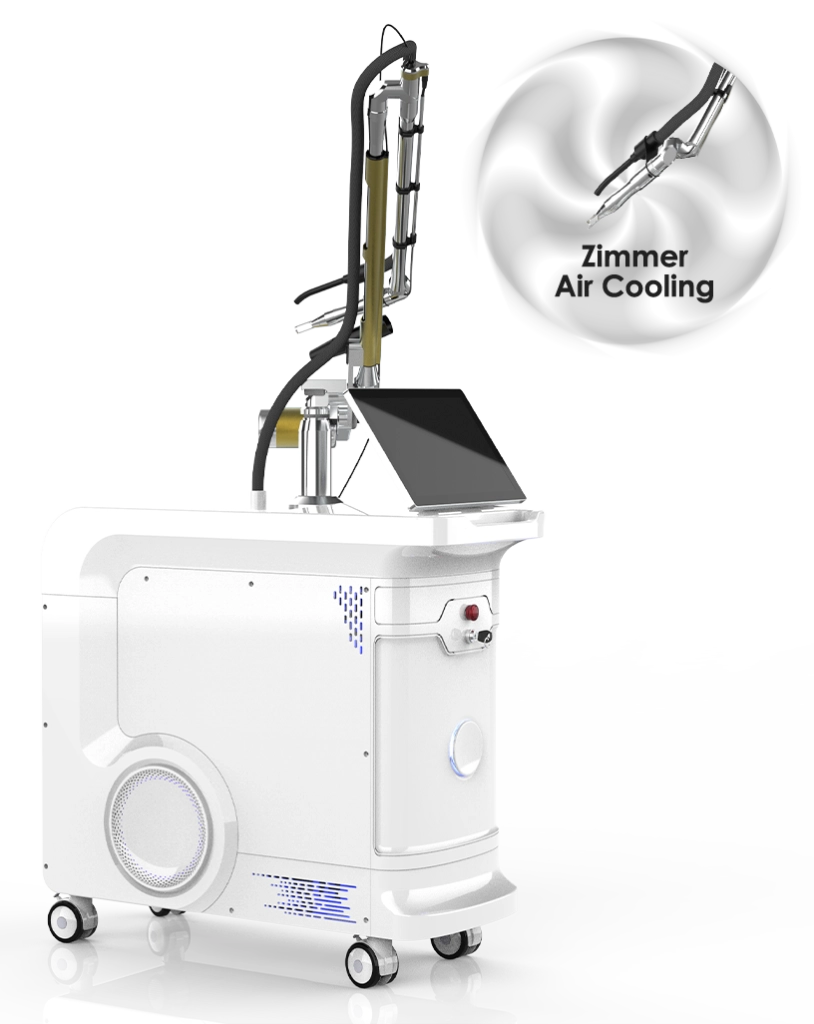
Ultra PicoMax
Ultra PicoMax is positioned as a professional multi-wavelength picosecond laser platform for clinics and B2B equipment buyers.
Product documentation lists 1064, 755, 650, 585, and 532 nm wavelength options, multiple operating modes, and a Honeycomb HP fractional option.
A quotation should specify which wavelengths and accessories are included, applicable pulse parameters, available documentation, warranty, delivery terms, and support arrangements.
Request Ultra PicoMax Quote →The Ultra PicoMax specifications above reflect supplier-provided product information. Buyers should request model-specific test documentation and verify all commercial terms independently.
How to Compare Picosecond Laser Supplier Quotations
Request quotations from several suitable suppliers using the same equipment requirements. A standardized comparison helps prevent important differences from being overlooked.
Professional Equipment Quotation Checklist
- Exact manufacturer and model
- Laser source and measured pulse duration
- Wavelengths included in the quoted package
- Pulse energy, fluence, and spot size information
- Included handpieces and optional accessories
- Applicable regulatory documents
- Unit price, currency, and payment terms
- Minimum order quantity, if applicable
- Production and delivery lead time
- Incoterms and shipping destination
- Installation and training arrangements
- Warranty coverage and exclusions
- Replacement parts and service costs
- OEM/ODM requirements, if applicable
Common Picosecond Laser Pricing Mistakes
Comparing Only the Advertised Price
A low advertised price may exclude handpieces, training, delivery, taxes, or essential service. Compare complete offers.
Assuming Every “Pico” Device Is Picosecond
Require technical evidence of actual pulse duration and output characteristics.
Overpaying for Unnecessary Options
Extra wavelengths and accessories are useful only when they support the clinic’s intended applications and authorized treatment menu.
Ignoring Repair and Downtime Risk
A machine without accessible service support can disrupt clinic operations and increase ownership costs.
Failing to Verify Market Authorization
Confirm legal requirements before importation or clinical use. Equipment documentation must match the specific model.
Frequently Asked Questions
What is the average picosecond laser machine price?
There is no reliable universal average because professional platforms differ substantially in configuration, service packages, and market. Request current, itemized quotations.
Can I buy a professional picosecond laser for under $20,000?
Some supplier quotations may fall below this amount, but the buyer must verify that the equipment is genuinely picosecond and meets applicable technical, regulatory, and support requirements.
Why are PicoWay and PicoSure Pro prices not listed?
Exact prices depend on region, equipment configuration, sales channel, and commercial terms. We do not publish unverified model-specific prices.
Is a more expensive picosecond laser always better?
No. Price alone does not establish clinical effectiveness, reliability, or suitability for a particular practice.
What is the difference between a pico laser and a Q-switched laser?
Picosecond systems use shorter pulses than conventional Q-switched nanosecond systems. The exact technology and specifications should be verified.
Do picosecond laser machines have consumable costs?
Operating expenses may include maintenance items, replacement parts, handpieces, protective equipment, and service. The actual requirements vary by model.
Can I request OEM pricing for picosecond lasers?
Some suppliers offer OEM/ODM purchasing discussions. Provide your intended market, configuration, order volume, and branding requirements to obtain a relevant quotation.
How should a clinic calculate the return on investment?
Estimate realistic patient demand, treatment revenue, operating expenses, equipment ownership costs, staffing, and downtime. Use conservative assumptions rather than guaranteed treatment volumes or profits.
Final Verdict: Budget for the Complete Equipment Package
Picosecond laser machine price should be evaluated as part of a complete purchasing decision. Laser performance, intended applications, documentation, service, and total ownership cost are all important.
For clinics, the priority is choosing a suitable, legally usable platform with reliable training and service. For distributors, commercial flexibility, quality controls, spare parts, and documentation are equally important.
Before purchasing, request an itemized quotation and compare it against your treatment or distribution plan.
Request a Picosecond Laser Machine Quotation
Contact Cocoon Laser to discuss Ultra PicoMax specifications, available configurations, OEM/ODM requirements, delivery destination, and purchasing terms.
Request a Detailed Quote →