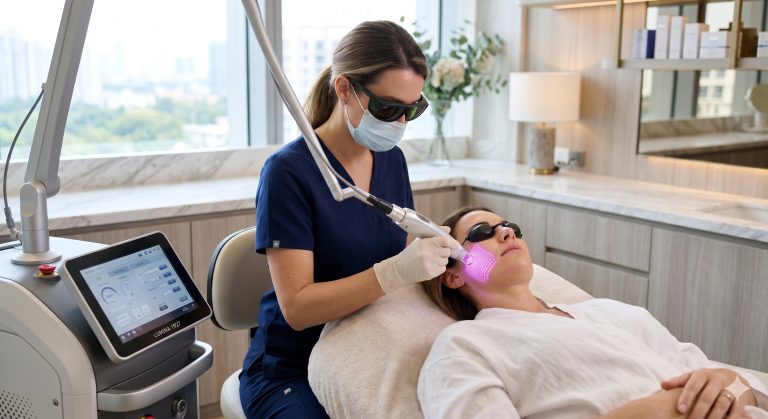
IPL vs SHR Hair Removal: What’s the Difference?
IPL and SHR are both widely used terms in professional light-based hair reduction, but they do not necessarily describe two completely different types of light.
IPL describes the underlying Intense Pulsed Light technology, while SHR commonly describes a method of delivering repeated light pulses to progressively heat structures associated with hair growth.
This distinction is important for patients comparing hair-reduction treatments and especially for clinics comparing professional IPL and SHR machines.
This guide explains IPL vs SHR hair removal, including how each method works, treatment technique, comfort, treatment speed, skin-type considerations, expected results, risks, and what professional equipment buyers should compare.
Quick Answer
The main difference between IPL and SHR hair removal is usually how the light energy is delivered rather than an entirely different energy source.
Traditional IPL hair reduction often uses individual pulses delivered to successive treatment areas. SHR commonly uses repeated pulses, relatively high repetition rates, and an in-motion technique to progressively accumulate heat across the treatment area.
Many SHR systems are themselves based on IPL technology. This means a professional machine may offer both conventional IPL treatment modes and an SHR hair-reduction mode using the same underlying light platform.
Neither method is universally better. Results and safety depend on the actual machine, spectral output, filters, fluence, pulse duration, cooling, hair characteristics, skin pigmentation, treatment technique, and operator training.
What Is IPL Hair Removal?
IPL stands for Intense Pulsed Light. It uses broad-spectrum, non-coherent pulsed light rather than a wavelength-specific laser source.
In professional IPL hair reduction, optical filters and system design determine which portions of the broad spectrum are delivered toward the skin.
Melanin associated with the hair structure absorbs part of the delivered optical energy. That energy is converted into heat, contributing to controlled thermal effects in structures involved in hair growth.
IPL treatment performance depends on multiple parameters, including:
- Delivered spectral range
- Optical filter
- Fluence
- Pulse duration
- Pulse sequence
- Spot size
- Cooling
- Hair color and thickness
- Skin pigmentation
For a complete explanation of the underlying technology, see What Is IPL? How Intense Pulsed Light Works.
What Is SHR Hair Removal?
SHR is commonly expanded as Super Hair Removal and generally describes a repeated light-delivery strategy used for hair reduction.
Instead of treating SHR as one universal wavelength, it is more accurate to understand it as a treatment mode or delivery approach.
Many professional SHR systems are based on IPL technology.
SHR commonly combines:
- Repeated light pulses
- Relatively high repetition rates
- In-motion handpiece movement
- Progressive thermal accumulation
- Continuous or active treatment-window cooling
However, the exact pulse structure, spectral output, repetition rate, fluence, and treatment protocol vary among machines and manufacturers.
For the dedicated technology guide, see What Is SHR Hair Removal? How SHR Technology Works.
IPL vs SHR Hair Removal at a Glance
| Feature | Traditional IPL Hair Removal | SHR Hair Removal |
|---|---|---|
| Underlying Technology | Intense Pulsed Light | Often IPL-based |
| Light Type | Filtered broad-spectrum pulsed light | Often filtered broad-spectrum pulsed light |
| Laser? | No | Not necessarily; many SHR systems are IPL-based |
| Typical Delivery | Individual pulses over successive treatment areas | Repeated pulses across an area |
| Handpiece Technique | Often stationary or stamping | Often in-motion |
| Thermal Strategy | Controlled heating from individual pulse exposures | Progressive heating through repeated exposures |
| Repetition Rate | Device-dependent | Often relatively high |
| Cooling | Device-dependent | Commonly important during repeated in-motion treatment |
| Treatment Speed | Depends on spot size and repetition rate | Can support efficient coverage of larger areas |
| Best Choice | Depends on device, patient, hair characteristics, skin type and treatment objective | |
The comparison shows why SHR vs IPL should not automatically be interpreted as one light source versus another.
In many professional systems, SHR represents an alternative way of operating an IPL-based platform for hair reduction.
How Does IPL Hair Removal Work?
IPL hair reduction relies on controlled optical absorption and thermal effects.
When suitable portions of the delivered light spectrum reach the treatment area, melanin associated with pigmented hair can absorb optical energy.
The absorbed energy is converted into heat. The objective is to create sufficient thermal effects in relevant hair structures while limiting unwanted heating of surrounding tissue.
This relationship is one reason why hair color, hair thickness, epidermal pigmentation, pulse duration, fluence, and cooling are all important.
How Does SHR Hair Removal Work?
SHR commonly changes the temporal and spatial delivery strategy.
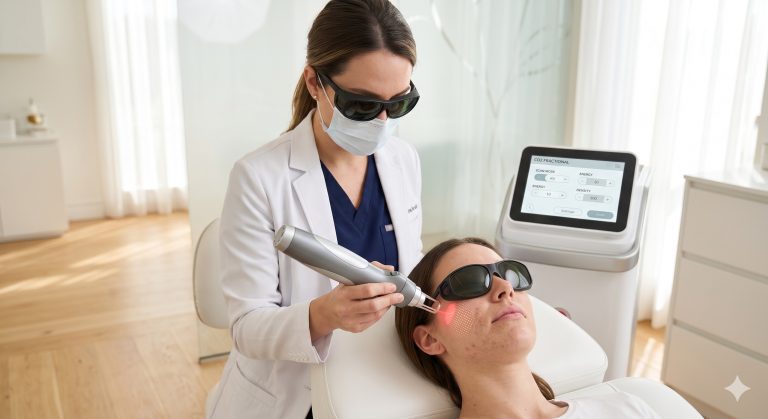
Instead of relying primarily on isolated exposures, the handpiece is often moved repeatedly across a defined treatment area while the system delivers a sequence of light pulses.
Each exposure contributes to the overall thermal effect. Repeated passes can create progressive thermal accumulation in the treatment area.
This is why SHR is frequently associated with:
- Higher pulse repetition
- Lower energy per individual exposure relative to some stamping protocols
- Repeated passes
- In-motion technique
- Active cooling
These are general characteristics rather than universal specifications. A specific device may implement SHR differently.
IPL Stamping vs SHR In-Motion Treatment
One of the easiest practical differences to understand is the way the handpiece moves across the treatment area.
Traditional IPL Stamping
In a conventional stamping technique, the treatment window is positioned over one area, a pulse is delivered, and the handpiece is then repositioned to the next area.
Accurate positioning is important to achieve appropriate coverage while avoiding excessive overlap.
SHR In-Motion
SHR commonly uses continuous or repeated movement across a treatment zone while pulses are delivered at a relatively high repetition rate.
Multiple passes progressively deliver energy across the area.
In-motion treatment can be particularly practical for larger areas, although correct movement speed, coverage, total energy delivery, cooling, and treatment endpoint remain important.
IPL vs SHR: Which Is More Comfortable?
SHR is frequently marketed as a more comfortable or even “painless” form of hair removal.
There is a reasonable technical basis for why some SHR protocols may feel different: energy can be distributed across repeated exposures rather than concentrated into fewer individual pulses.
In-motion treatment and effective contact cooling can also influence the treatment experience.
However, SHR should not universally be described as painless.
Patient sensation depends on:
- Individual energy settings
- Pulse frequency
- Total accumulated energy
- Hair density and thickness
- Skin pigmentation
- Treatment area
- Cooling
- Individual pain sensitivity
Similarly, modern IPL systems with well-controlled pulses and effective cooling can provide a comfortable treatment experience.
Therefore, comfort should be compared at the device and protocol level rather than assuming that every SHR machine is more comfortable than every IPL machine.
IPL vs SHR for Treatment Speed
SHR’s in-motion approach can make it attractive for treating relatively large areas such as the legs, back, arms, or torso.
However, treatment speed is not determined by the SHR label alone.
Actual throughput depends on:
- Treatment-window size
- Repetition rate
- Delivered energy at that repetition rate
- Required number of passes
- Cooling performance
- Operator technique
- Treatment-area geometry
A high advertised pulse frequency does not automatically mean that a machine will complete treatments faster if output stability falls during continuous operation or the protocol requires substantially more passes.
IPL vs SHR for Different Skin Types
Both IPL and IPL-based SHR treatments require careful consideration of epidermal melanin.
Melanin in the skin can absorb some of the delivered optical energy, meaning that skin pigmentation can compete with the intended hair target.
Treatment planning should consider:
- Skin phototype
- Recent tanning
- Baseline pigmentation
- Hair color
- Hair thickness
- Spectral filter
- Fluence
- Pulse duration
- Cooling
- Device-specific instructions
SHR’s progressive delivery strategy may provide additional flexibility in some protocols, but the SHR label alone does not make a device universally safe for every skin type.
Is SHR Better Than IPL for Dark Skin?
It is not accurate to say that SHR is automatically better or safer for all darker skin types.
The actual optical spectrum remains critical.
If an SHR system is IPL-based, epidermal melanin can still absorb portions of the broad-spectrum light.
Pulse strategy, lower individual exposures, repeated passes, and cooling may influence thermal management, but they do not eliminate optical interaction with epidermal pigment.
For clinics treating a broad range of skin phototypes, IPL and SHR equipment should also be compared with wavelength-specific hair-reduction technologies such as diode and 1064nm Nd:YAG systems.
IPL vs SHR for Different Hair Types
Both technologies depend substantially on the optical characteristics of the hair.
Darker, more heavily pigmented hair generally provides a stronger melanin target than very lightly pigmented hair.
Hair thickness also influences treatment response.
Blonde, gray, white, and some red hair can be challenging for melanin-targeting light-based hair-reduction technologies because they contain less of the target pigment or a different pigment profile.
SHR does not create melanin where little target pigment exists, so claims that SHR can reliably remove every hair color should be treated cautiously.
IPL vs SHR Results: Which Works Better?
There is no universal winner based only on the labels IPL and SHR.
Hair-reduction results depend on the complete treatment system and protocol, including:
- Actual spectral output
- Filter selection
- Energy delivered to the treatment area
- Pulse duration
- Repetition strategy
- Hair characteristics
- Skin pigmentation
- Cooling
- Operator technique
- Treatment schedule
A well-engineered professional IPL system operated with an appropriate protocol may outperform a poorly designed machine carrying an SHR label.
Likewise, a well-designed SHR mode may provide an efficient and practical hair-reduction workflow when its pulse delivery, cooling, and operating parameters are appropriately matched to the patient.
IPL vs SHR Before and After: What Changes Should You Expect?
Before-and-after evaluation should focus on progressive hair reduction rather than an expectation that all hair disappears immediately after one session.
Changes may include:
- Reduced visible hair density
- Slower regrowth
- Finer regrowing hair
- Patchier regrowth in successfully treated areas
Because hair follicles cycle through different growth stages, repeated treatment sessions are commonly required with both IPL and SHR.
Results vary substantially between individuals and devices, so before-and-after images should not be interpreted as a guarantee of an identical outcome.
IPL vs SHR: How Many Sessions Are Needed?
Neither IPL nor SHR has one universal session number.
Multiple sessions are commonly required because hair follicles within a treatment area are not all in the same growth phase at the same time.
The treatment series can vary according to:
- Body area
- Hair density
- Hair thickness
- Hair color
- Hormonal influences
- Device performance
- Treatment parameters
- Individual response
Therefore, claims that SHR always requires fewer sessions than IPL — or vice versa — should be treated cautiously unless they refer to defined devices and protocols.
IPL vs SHR Downtime and Recovery
Both IPL and IPL-based SHR hair-reduction treatments are generally designed as non-ablative procedures, meaning they do not intentionally remove the surface of the skin in the way an ablative resurfacing laser does.
As a result, visible recovery is often limited. However, this does not mean that every treatment produces zero downtime.
Temporary responses may include:
- Mild redness
- Temporary warmth
- Perifollicular redness or swelling
- Temporary sensitivity
- Mild irritation
The intensity and duration of these responses depend on the device, treatment parameters, hair density, skin characteristics, cooling, and individual response.
SHR’s repeated-delivery strategy should therefore not be interpreted as automatically providing zero downtime.
IPL vs SHR Side Effects and Risks
IPL and IPL-based SHR involve optical energy interacting with melanin, so both require appropriate patient selection, treatment parameters, cooling, and operator technique.
Potential adverse effects can include:
- Excessive redness
- Swelling
- Skin irritation
- Burns or blistering
- Post-inflammatory hyperpigmentation
- Hypopigmentation
- Other unwanted pigmentary changes
- Eye injury if appropriate eye protection is not used
Risk may increase when inappropriate parameters are used, the skin is recently tanned, cooling is inadequate, excessive overlap occurs, or the operator does not follow the device-specific treatment protocol.
SHR’s progressive heating strategy can change how energy is delivered, but it does not eliminate the need for professional safety controls.
IPL vs SHR vs Diode Laser Hair Removal
Clinics comparing professional hair-removal equipment often evaluate not only IPL vs SHR, but also diode laser technology.
This comparison requires an important distinction:
IPL and many SHR systems use broad-spectrum pulsed light, while diode systems use wavelength-specific laser output.
| Feature | IPL | SHR | Diode Laser |
|---|---|---|---|
| Underlying Technology | Intense Pulsed Light | Often IPL-based | Semiconductor laser |
| Optical Output | Broad spectrum modified by filters | Often broad spectrum modified by filters | Specific wavelength or wavelength combination |
| Typical Delivery | Often stamping | Often repeated in-motion delivery | Device-dependent; stamping or in-motion approaches may be used |
| Hair Reduction | Yes | Yes | Major professional application |
| Photorejuvenation | May be supported by appropriate IPL systems | Depends on the complete IPL platform and available modes | Not usually the primary role of a standard hair-removal diode system |
| Pigmentation / Vascular Applications | May be supported depending on filters and intended use | Depends on the underlying platform | Depends on wavelength and device design |
| Primary Equipment Positioning | Multi-application light platform | Hair-reduction delivery mode within many multi-function platforms | Dedicated wavelength-specific hair-reduction platform |
A clinic seeking a versatile light platform may value IPL’s ability to support several applications through different filters and treatment modes.
A clinic focused primarily on high-volume hair reduction may place greater emphasis on a dedicated diode laser platform.
Neither architecture is universally better. The appropriate choice depends on the clinic’s treatment menu, patient population, expected treatment volume, budget, and workflow.
Is SHR a Laser or IPL?
This is one of the most common sources of confusion around SHR equipment.
SHR itself does not define one universal light source or wavelength.
In many aesthetic systems, SHR is implemented as a treatment mode on an IPL platform. The machine therefore still generates broad-spectrum pulsed light, but delivers it through a repeated, often in-motion protocol.
The term “SHR laser” is widely used in consumer and equipment marketing, but it should not automatically be interpreted as proof that the machine contains a laser source.
Professional buyers should verify the actual light source and technical specifications of the device.
Can One Machine Provide Both IPL and SHR?
Yes. In fact, this is a common configuration for professional multi-function IPL platforms.
The same underlying light system may support different operating modes.
For example, a platform may provide:
- Conventional IPL pulse modes
- OPT-style optimized pulse control
- SHR in-motion hair-reduction modes
- Different optical filters
- Multiple pulse-duration settings
- Different treatment spot sizes
This is why a machine advertised as “IPL + OPT + SHR” does not necessarily contain three independent light sources.
IPL can describe the underlying optical platform, OPT can describe pulse optimization, and SHR can describe one of the available treatment-delivery modes.
IPL vs SHR Machine: What Should Clinics Actually Compare?
For professional buyers, the IPL or SHR label provides only a starting point.
Two machines marketed with the same technology terminology can perform very differently because their optical, electronic, thermal, and mechanical designs may not be equivalent.
Clinics and distributors should therefore compare the following factors.
1. Actual Light Source
Determine whether the machine uses IPL, diode laser, or another optical source.
Do not assume that the word SHR automatically means laser.
2. Spectral Output and Filters
If the machine is IPL-based, review its available filters and the spectral ranges associated with its intended applications.
Filter selection is particularly important when the same platform is marketed for hair reduction, pigmentation, vascular concerns, and photorejuvenation.
3. Pulse Duration and Pulse Structure
Check whether the platform provides adjustable pulse duration, single-pulse or multi-pulse control, and separate operating modes for different treatment strategies.
4. Energy Stability
Maximum fluence alone is not enough to evaluate professional equipment.
Consistent energy delivery between pulses is important, particularly during repeated treatment and higher-frequency operation.
5. Repetition Rate
SHR workflow often relies on repeated pulses, so repetition capability can influence treatment speed.
However, buyers should determine whether the device can maintain appropriate output during continuous operation rather than comparing maximum frequency alone.
6. Treatment Window and Spot Size
Larger treatment windows can improve coverage of areas such as the legs, back, and torso, while smaller windows may improve access to more localized areas.
7. Cooling Performance
Cooling is important for treatment comfort and epidermal thermal management.
Buyers should examine how the treatment window is cooled and whether cooling remains effective during prolonged operation.
8. Handpiece Ergonomics
SHR can involve continuous handpiece movement, making weight, grip, cable flexibility, treatment-window visibility, and balance important in everyday use.
9. Consumables and Operating Costs
Consider lamp life, handpiece service life, replacement components, filters, maintenance requirements, and other ongoing costs.
10. Training and Technical Support
Correct treatment technique is especially important when different IPL, OPT, and SHR modes are available on the same machine.
Protocol guidance, operator training, maintenance support, troubleshooting, spare parts, and warranty service should therefore be included in the buying decision.
11. Regulatory Documentation
Verify the documentation, intended use, and regulatory status required for the clinic’s or distributor’s target market.
Look Beyond the IPL or SHR Label
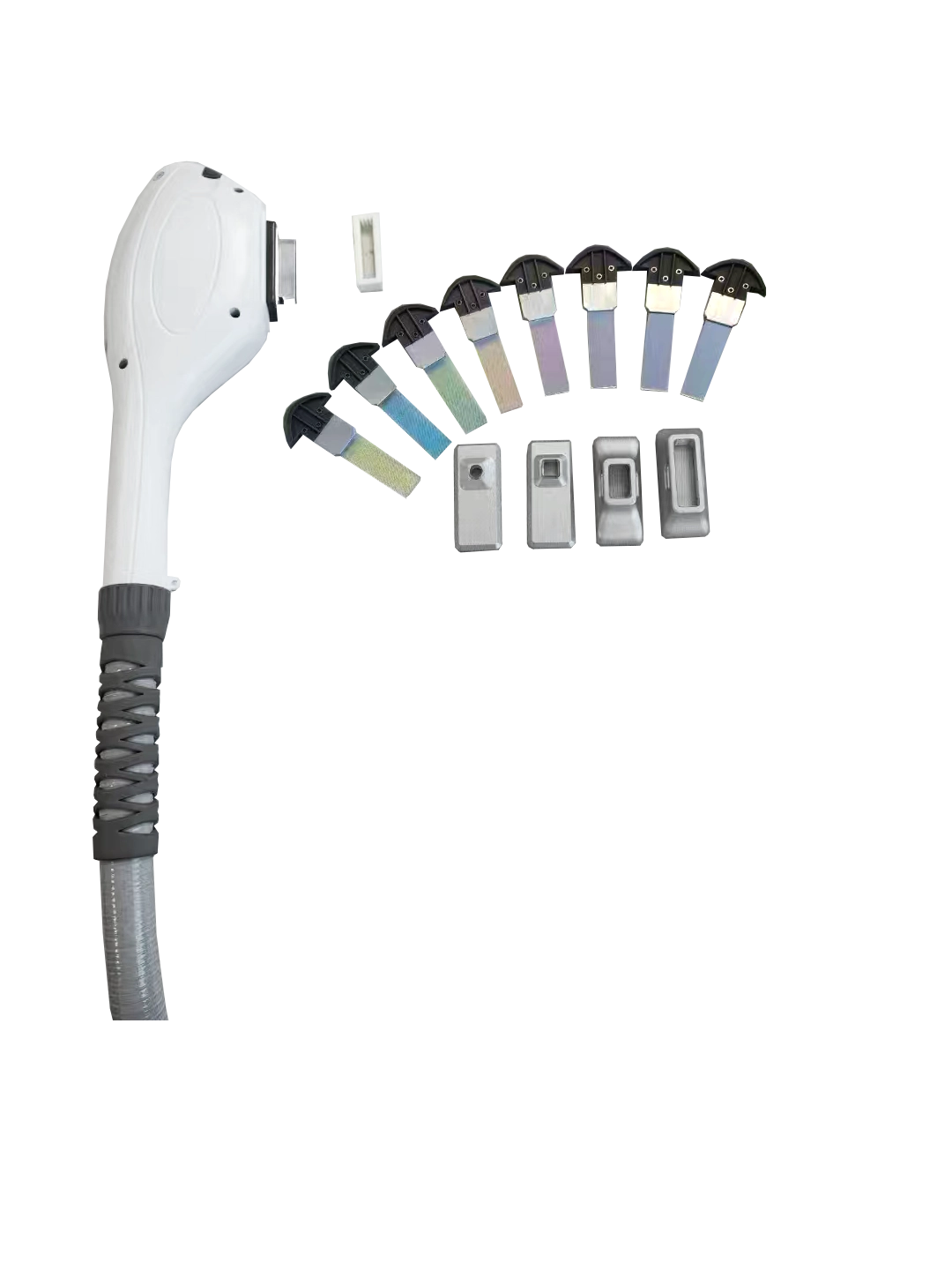
Real equipment evaluation should include the machine, treatment handpiece, interface, cooling system, optical components, and overall clinical workflow.
Which Is Better for a Clinic: IPL or SHR?
For many professional machines, this is actually the wrong purchasing question.
A clinic may not need to choose between IPL and SHR because one IPL platform can provide both conventional IPL modes and an SHR hair-reduction mode.
The more useful questions are:
- What treatments does the clinic want to offer?
- Is hair reduction the primary application or one of several services?
- What skin and hair characteristics are common among the clinic’s patients?
- How much daily treatment volume is expected?
- Does the platform provide the required filters and pulse controls?
- How effective is its cooling during repeated treatment?
- What are the consumable and maintenance costs?
- What training and technical support are available?
For a multi-service aesthetic clinic, a professional IPL platform that integrates optimized pulse control and SHR treatment capability can provide broader flexibility than a system designed around only one operating mode.

OPT IPL Max+ Professional Multi-Function System
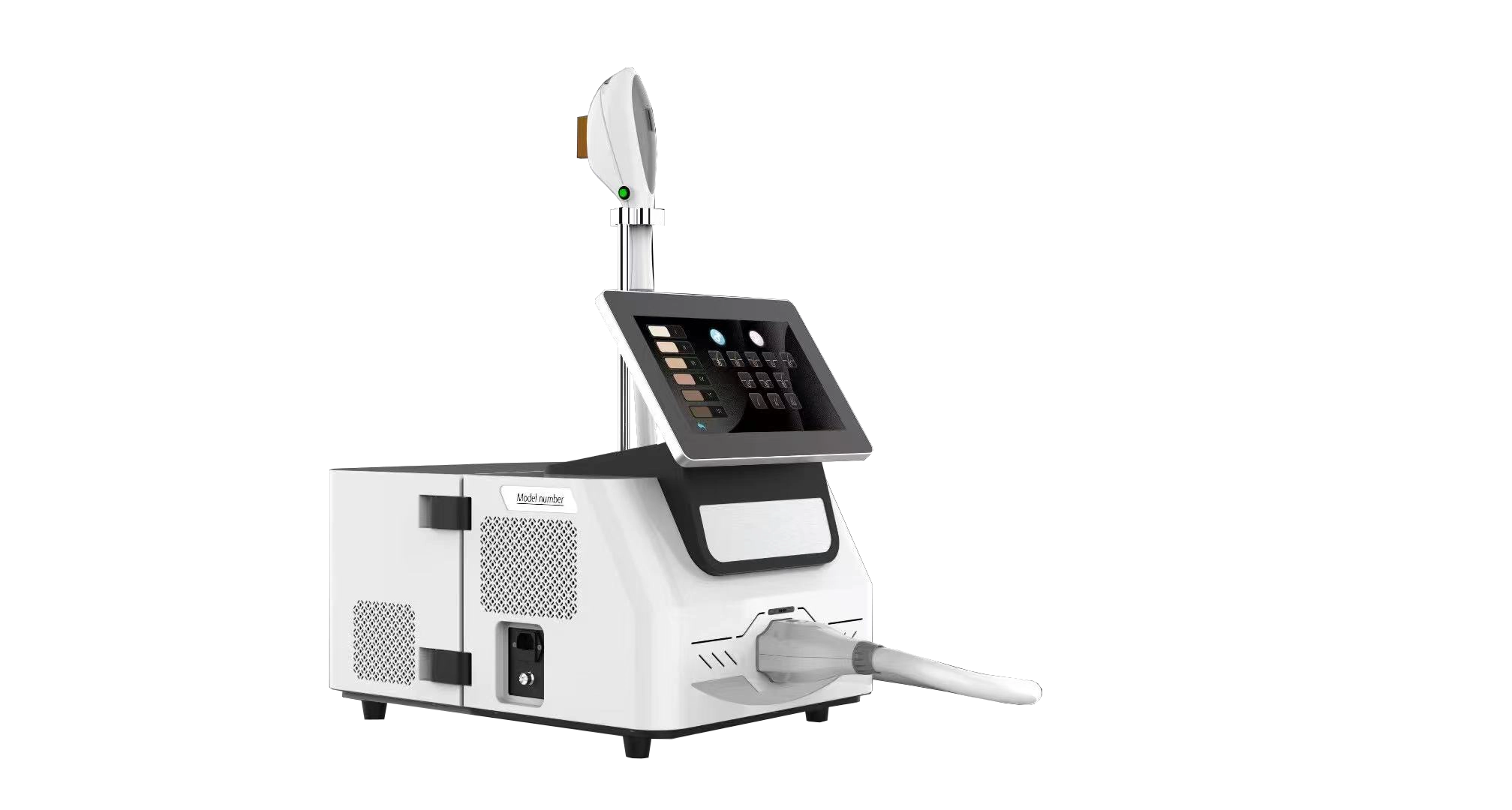
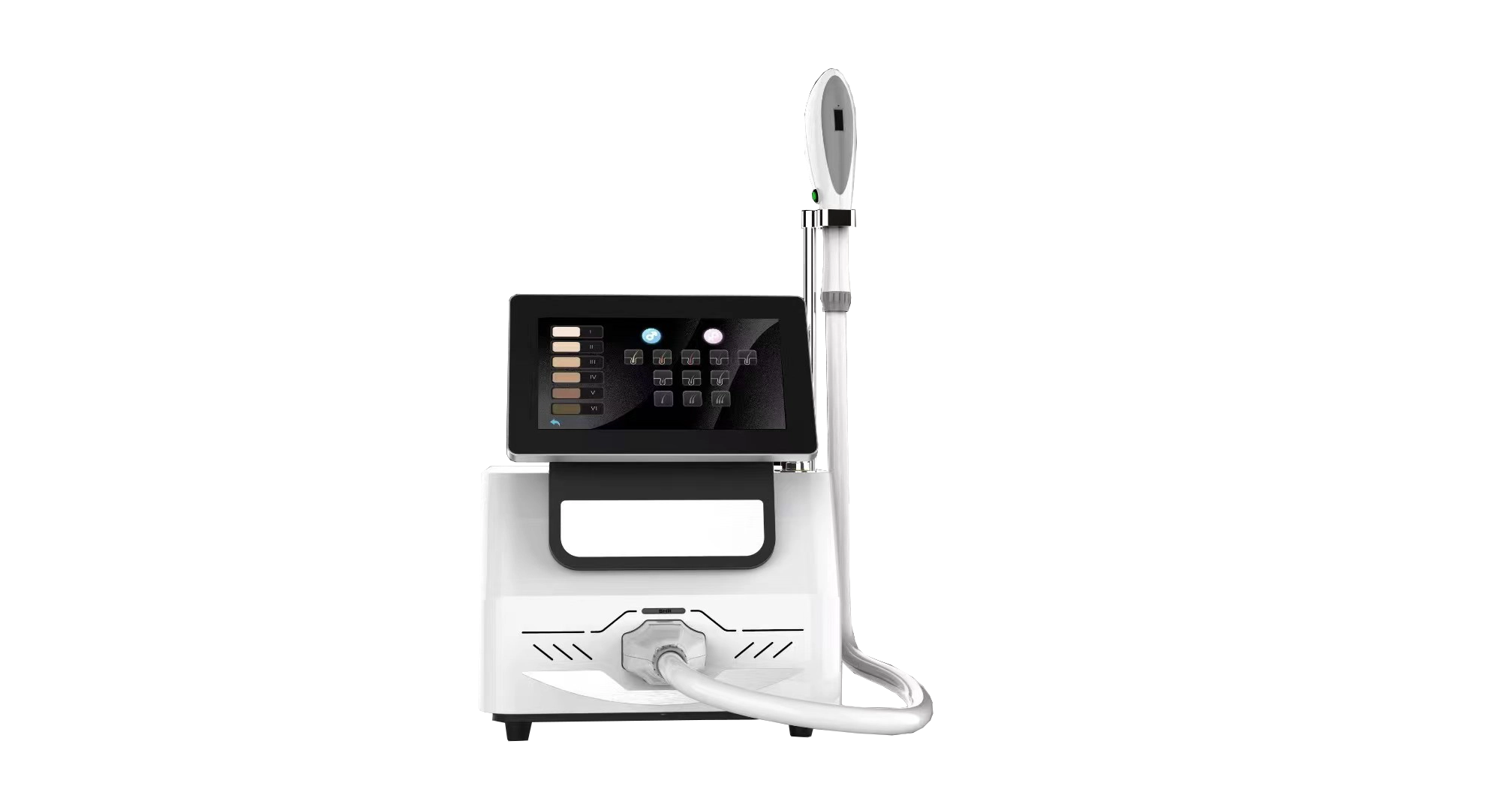
For clinics and distributors comparing IPL and SHR equipment, Cocoon Laser’s OPT IPL Max+ demonstrates how both treatment concepts can be integrated into one professional light-based platform.
Rather than treating IPL and SHR as completely separate machines, the platform combines IPL-based treatment capability with optimized pulse control and an SHR hair-reduction mode for different professional workflows.
- Professional IPL light platform
- OPT pulse-delivery technology
- SHR hair-reduction capability
- Single-pulse and multi-pulse modes
- Multiple interchangeable optical filters
- Multiple treatment spot sizes
- Integrated treatment-window cooling
- Professional treatment interface
IPL or SHR: Which Is Better for Patients?
There is no universal answer.
The better treatment approach depends on the individual patient, hair characteristics, skin pigmentation, treatment area, device, parameters, cooling, and professional assessment.
SHR may provide a useful in-motion workflow and can distribute treatment across repeated exposures. Traditional IPL modes may provide different pulse and treatment options.
But the technology name alone cannot predict treatment quality.
A properly selected and operated professional system is more important than choosing a treatment simply because it is marketed as IPL or SHR.
Frequently Asked Questions About IPL vs SHR Hair Removal
What is the main difference between IPL and SHR?
IPL describes Intense Pulsed Light technology. SHR commonly describes a repeated, often in-motion method of delivering light for hair reduction. Many SHR systems are based on IPL technology.
Is SHR better than IPL?
Not universally. SHR can offer advantages in treatment workflow and progressive energy delivery, but results depend on the actual device, spectrum, parameters, cooling, patient characteristics, and operator technique.
Is SHR a laser?
Not necessarily. Many professional SHR systems are IPL-based. The term SHR describes a treatment-delivery strategy rather than one universal laser wavelength.
Is SHR the same as IPL?
Not exactly. IPL describes the underlying light technology, while SHR commonly describes how repeated light pulses are delivered during hair reduction. An IPL machine may include an SHR mode.
Is SHR hair removal painless?
SHR may provide a comfortable treatment experience in some protocols, particularly when repeated energy delivery is combined with effective cooling. However, completely painless treatment cannot be guaranteed.
Is SHR safer than IPL for dark skin?
The SHR label alone does not make a treatment universally safer for darker skin. Suitability depends on the actual spectrum, filter, fluence, pulse duration, cooling, skin phototype, tanning status, and device-specific protocol.
Does SHR work better on light hair?
SHR still depends substantially on optical interaction with hair pigment when used in melanin-targeting hair-reduction systems. Blonde, gray, white, and some red hair may remain difficult to treat effectively.
Does SHR permanently remove hair?
It is more appropriate to discuss long-term hair reduction rather than guaranteeing complete permanent removal. Outcomes vary between individuals, treatment areas, devices, and protocols.
How many SHR sessions are needed?
There is no universal session number. Multiple treatments are commonly required because hair follicles cycle through different growth stages and treatment response varies by individual and device.
Which is faster, IPL or SHR?
SHR’s in-motion approach can support efficient coverage of larger areas, but actual treatment speed depends on spot size, repetition rate, delivered energy, number of passes, cooling, and operator technique.
Can one machine provide both IPL and SHR?
Yes. Many professional IPL platforms provide conventional IPL modes together with an SHR hair-reduction mode. Some systems also incorporate OPT-style pulse control.
What is the difference between IPL, OPT, and SHR?
IPL describes the underlying broad-spectrum light platform. OPT generally describes optimization of pulse delivery. SHR commonly describes a repeated, often in-motion hair-reduction strategy.
Is diode laser better than IPL or SHR?
Diode laser uses wavelength-specific laser output and is widely used for professional hair reduction. IPL and SHR can offer different workflow and multi-application advantages. The appropriate technology depends on the clinic’s treatment objectives, patient population, and the specific equipment being compared.
What should clinics look for in an IPL SHR machine?
Professional buyers should evaluate the actual light source, spectral filters, pulse architecture, fluence, pulse duration, energy stability, repetition rate, spot size, cooling, handpiece ergonomics, consumables, training, technical support, warranty, and applicable regulatory documentation.
Final Verdict: IPL vs SHR Hair Removal
The biggest misconception in the IPL vs SHR comparison is assuming that they always represent two completely different light technologies.
IPL is Intense Pulsed Light: a broad-spectrum optical platform whose delivered spectrum is modified by the system’s optical design and filters.
SHR commonly describes a method of delivering repeated pulses, often with an in-motion technique, to progressively accumulate thermal energy during hair reduction.
Many SHR machines are therefore fundamentally IPL-based systems operating with a different treatment-delivery strategy.
SHR can provide practical advantages for certain workflows, including repeated in-motion treatment and efficient coverage of larger areas. However, it should not automatically be considered painless, safer for every skin type, more effective, or technically superior to every conventional IPL system.
For patients, treatment selection should depend on hair characteristics, skin pigmentation, treatment area, device capabilities, parameters, cooling, and professional assessment.
For clinics and distributors, the more meaningful comparison is not simply IPL vs SHR. It is the performance of the complete machine: light source, filters, pulse controls, energy stability, repetition capability, cooling, handpiece design, treatment modes, operating costs, training, technical support, and applicable regulatory documentation.
Editorial & Technical Review: This article was prepared for the Cocoon Laser professional aesthetic technology knowledge center for educational and equipment-research purposes. It does not replace individual medical assessment. IPL and SHR terminology, technical implementation, treatment parameters, and intended use vary among manufacturers and devices. Treatment suitability, contraindications, expected outcomes, recovery, and adverse-event risks vary by patient and system. Qualified professionals should follow the instructions for use, operator training requirements, eye-protection procedures, treatment protocols, and applicable regulations for the specific device.