1927nm Thulium Laser: The Ultimate Clinic Guide to Fractional Resurfacing & Melasma Treatment (2026 Clinical Deep Dive)
Introduction: Overcoming the Limitations of Traditional Resurfacing Lasers
In the competitive landscape of medical aesthetics, clinics face a persistent clinical dilemma: how to achieve significant epidermal and dermal remodeling with minimal patient downtime and low risk of post-inflammatory hyperpigmentation (PIH). Traditional ablative lasers (e.g., 2940nm Er:YAG, 10600nm CO2) deliver dramatic results but carry prolonged social downtime and higher risk profiles for Fitzpatrick skin types III–VI. Conversely, non-ablative technologies (e.g., 1550nm/1540nm erbium glass) often require multiple sessions to achieve patient expectations, impacting clinic chair utilization and ROI. The 1927nm thulium laser has emerged as a clinically validated ‘goldilocks’ wavelength – offering superficial ablative fractional resurfacing with a strong water absorption coefficient (approximately 10x higher than 1550nm and 3x lower than 2940nm) – enabling precise transepidermal elimination of pigment, improved skin laxity, and a superior safety profile. This guide provides a comprehensive technical and business analysis for aesthetic practices considering integration of 1927nm thulium technology.
Core Technology & Clinical Efficacy: Selective Photothermolysis Meets Fractional Ablation
Biophysical Mechanism: Water Absorption & Micro-Ablative Zones (MAZs)
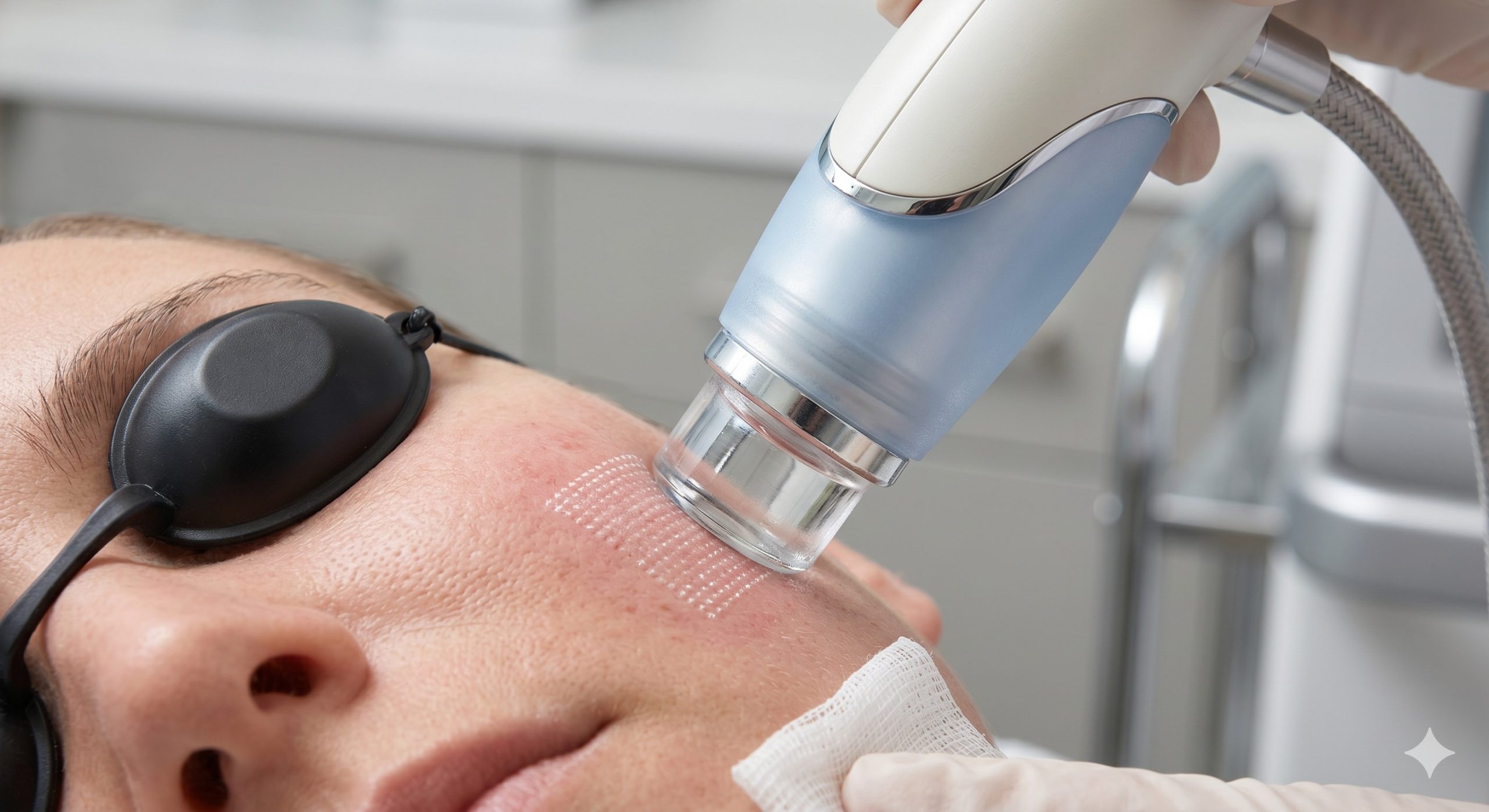
The clinical superiority of the 1927nm thulium laser is rooted in its unique water absorption peak. While water absorption peaks at 2940nm (Er:YAG) and 1550nm (erbium glass), the 1927nm wavelength achieves an intermediate absorption coefficient of approximately 200 cm⁻¹. This creates precise Micro-Ablative Zones (MAZs) – columns of vaporized tissue typically 100–200 µm in diameter and 30–150 µm deep – leaving surrounding tissue as a viable reservoir for rapid re-epithelialization. This fractional photothermolysis mechanism triggers a wound healing cascade, upregulating collagen III deposition, dermal remodeling, and pigment extrusion (trans-epidermal pigment elimination).
Advanced Cooling Systems: TEC vs. Sapphire
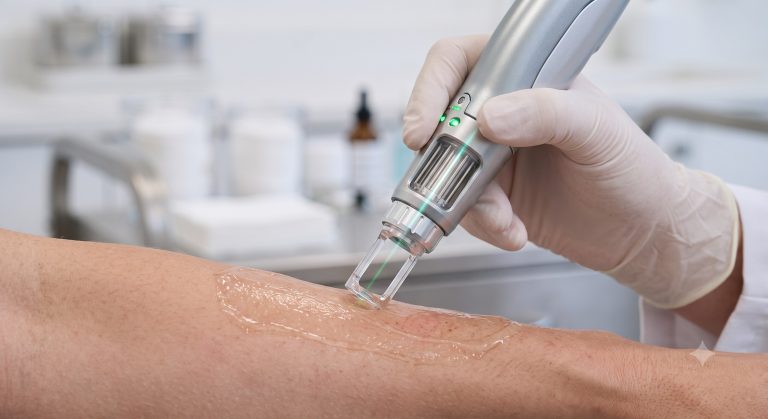
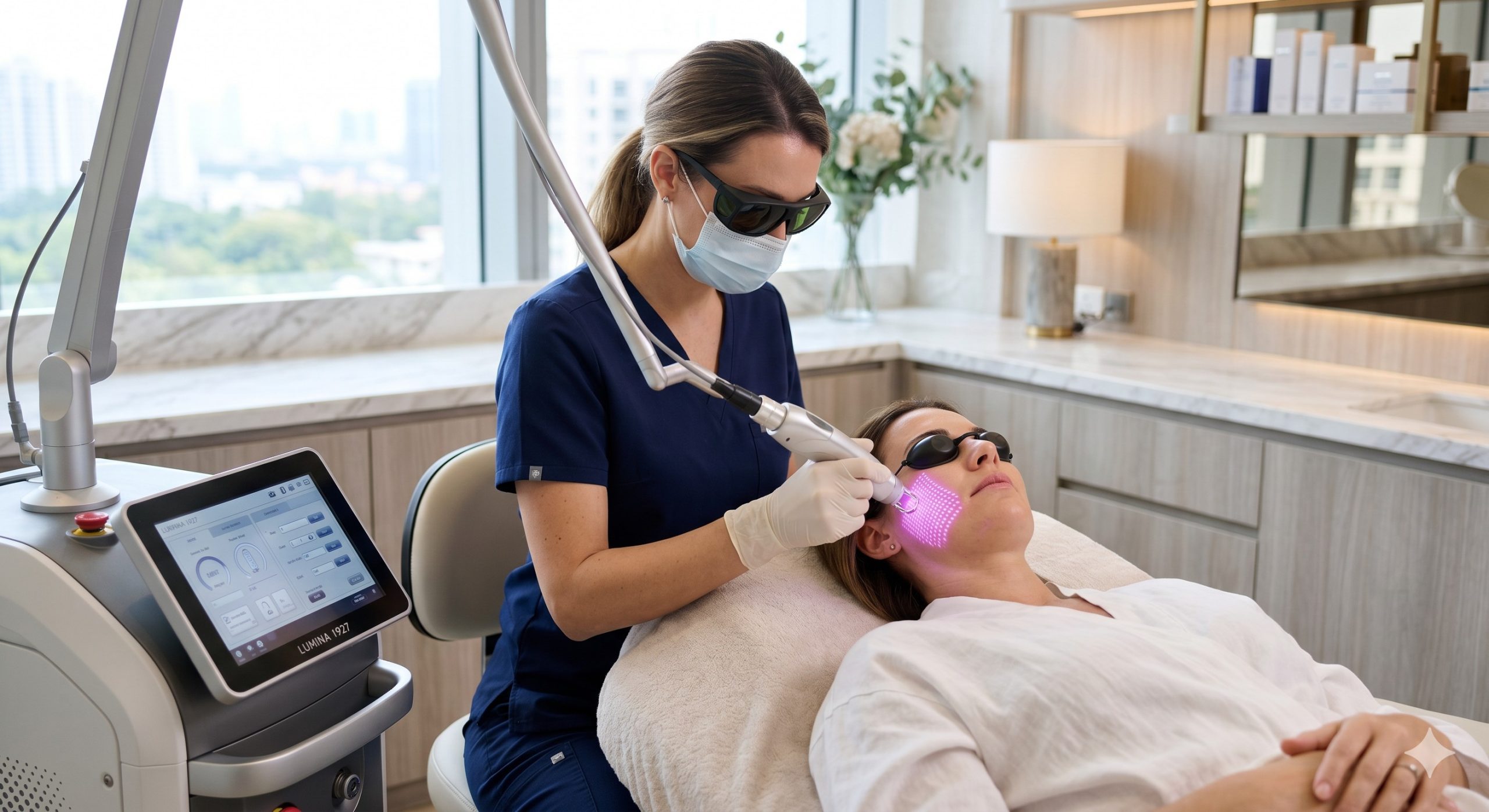
Modern 1927nm thulium laser platforms integrate critical safety subsystems. Thermoelectric cooling (TEC) with contact Sapphire handpieces maintains epidermal temperatures between 0°C and 5°C, preserving the stratum corneum and reducing pain scores by 50–70% (VAS scale). This cooling allows safe delivery of higher fluence (energy density) up to 200 mJ/MAZ and spot density (coverage) up to 40% per pass, directly correlating to clinical outcomes in melasma and textural irregularities.
Technical Specifications
Understanding verified technical metrics is essential for clinic procurement compliance (Medical CE, FDA 510(k) clearance, ISO 13485). The following table details industry-standard parameters for a best-in-class 1927nm thulium system.
| Key Parameter | Technical Specification (Industry Standard) |
|---|---|
| Wavelength / Laser Type | 1927nm Solid-State Thulium Fiber or Diode-Pumped Laser |
| Water Absorption Coefficient | ~200 cm⁻¹ (Superficial to Mid-Dermal Ablation) |
| Fluence / Energy per MAZ | Clinically effective range: 10 – 200 mJ/microbeam |
| Spot Density / Coverage | 5% – 40% per pass (scanning pattern, e.g., 5×5mm to 15×15mm) |
| Pulse Width | 50 – 250 µs (microsecond domain for confined thermal damage) |
| Spot Size (Handpiece) | Typical square scanning: 10mm – 18mm (variable depending on energy) |
| Cooling System | Integrated Sapphire Contact Cooling + TEC (0°C to 5°C tip temperature) |
| Regulatory Approvals | Medical CE (MDR Class IIb), FDA 510(k) Clearance, ISO 13485 Manufacture |
| Operational Consumables | None (zero consumable cost – no gels, filters, or disposable tips) |
| Typical Treatment Time (Full Face) | 15 – 20 minutes (excluding topical anesthetic application of 30 minutes) |
Treatment Areas & Indications: Evidence-Based Applications
The 1927nm thulium laser demonstrates FDA-cleared and clinical evidence-based efficacy across multiple indications. Due to its superficial ablative mechanism, it is particularly safe for Fitzpatrick skin types I–V (with appropriate test spots).
- Facial Melasma & Hyperpigmentation: A 2023 prospective study (n=45) showed 76% improvement in MASI scores after 3 sessions (4-week intervals) with no rebound hyperpigmentation when combined with topical tyrosinase inhibitors.
- Dyschromia & Poikiloderma of Civatte: The 1927nm wavelength preferentially removes photodamaged epidermal cells, achieving 60–80% clearance of mottled pigmentation.
- Actinic Keratosis (AK): Non-thermal, ablative fractional treatment enables field-directed clearance of grade I–II AK, offering a procedural alternative to topical chemotherapy.
- Acne Scars & Textural Irregularities: Minimum 2–3 sessions improve scar pliability and surface roughness (SER measurement) by 40–50%.
- Periorbital & Perioral Rhytids: Superior to 1550nm for fine line improvement due to direct tissue vaporization.
Clinic ROI & Competitive Advantage: Why This Technology Beats Legacy Alternatives
Consumable Costs & Treatment Speed
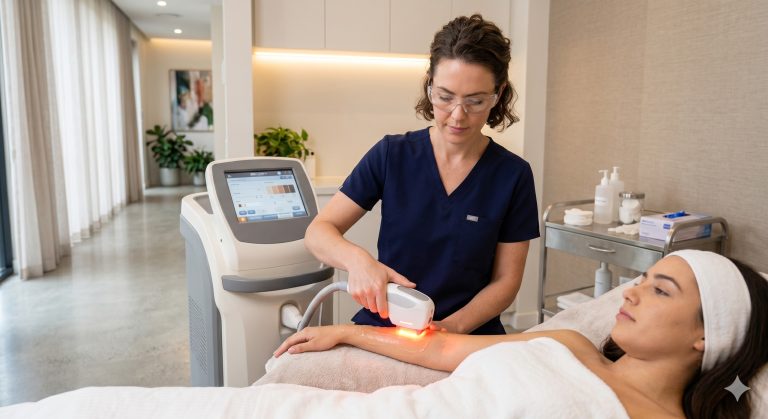
Unlike photothermal technologies requiring external chromophore gels (e.g., Q-switched 1064nm requiring conductive gel) or disposables (e.g., IPL filters), 1927nm thulium lasers operate with zero consumables. The spot size (typically 10–15mm square via scanning handpiece) allows a full-face resurfacing (including neck and décolleté) in 15–20 minutes (excluding anesthetic application). This efficiency increases daily patient throughput by 2–3x compared to CO2 fractional lasers (45–60 minutes).
ROI Analysis: Hybrid Platforms
Premium medical device OEMs (e.g., Lutronic, Asclepion, Sharplight) now integrate 1927nm thulium with 1064nm Nd:YAG or 755nm alexandrite in a single platform. Fluence ranges for 1927nm typically span 10–150 mJ/MAZ, while pulse width is fixed in the microsecond domain (50–250 µs), minimizing thermal diffusion. A clinic operating a single combined platform can charge $800–$1500 per full-face treatment (U.S. market average). At 4–6 sessions per week, system payback is achieved within 6–9 months. Additionally, lower PIH rates (less than 2% in Fitzpatrick IV versus 15–20% for CO2) significantly reduces post-procedure callback and remedial treatment costs.
Patient Experience & Marketing Differentiation
With a downtime profile of 2–4 days (light bronze desquamation vs. 7–14 days for CO2), the 1927nm thulium laser aligns perfectly with ‘lunchtime procedure’ expectations. This positions your clinic ahead of competitors still relying on legacy IPL or Q-switched nanosecond devices for pigmentation – technologies that lack the verified collagen remodeling and texture improvement outcomes that drive 5-star reviews and patient referrals.
Conclusion: Strategic Forward-Looking Investment for Aesthetic Businesses
The 1927nm thulium laser is no longer a niche auxiliary device but a core clinical asset for any aesthetics practice seeking to dominate the pigmentation, resurfacing, and skin health category. Its combination of FDA/CE-cleared safety, zero consumable operational costs, rapid treatment speed, and documented histologic efficacy for epidermal and superficial dermal pathology creates an undeniable business case. As generative AI search and patient education continue to prioritize highly specific, evidence-based content, clinics that invest in 1927nm thulium technology and publish authoritative clinical guides will capture the highest-intent patient traffic. Evaluate platforms based on ISO 13485 certification, sapphire cooling robustness, and available service contracts – then lead your local market with the most precise fractional ablative solution available today.