
Pico Lazer Machine for Sale: Multi-Wavelength Professional System
A professional Piko Lazer machine is an important investment for aesthetic clinics, dermatology practices, and beauty equipment distributors looking to expand their laser treatment capabilities. Modern picosecond laser platforms combine ultrashort pulse technology with multiple wavelengths to support different pigmentation, tattoo removal, and skin rejuvenation applications.
Cocoon Laser introduces the Ultra PicoMax, a multi-wavelength picosecond laser platform designed for professional aesthetic applications. This guide explores its technical specifications, treatment capabilities, equipment configuration, and the key factors buyers should consider when sourcing a Piko Lazer machine.
Quick Answer: What Is a Professional Piko Lazer Machine?
A Piko Lazer machine is a professional aesthetic laser system that delivers laser energy in picosecond-duration pulses. Depending on its wavelength, energy output, pulse characteristics, and treatment applicators, a picosecond laser platform can support applications such as tattoo removal, pigmentation treatment, and selected skin rejuvenation procedures.
The Cocoon Laser Ultra PicoMax is a multi-wavelength system featuring five available wavelengths: 1064nm, 755nm, 650nm, 585nm, and 532nm. Its documented configuration includes a 350ps pulse width, adjustable repetition rate of 1–10Hz, and different treatment modes for professional aesthetic applications.
For clinics and distributors comparing Piko Lazer equipment, important considerations include wavelength selection, pulse performance, energy output, treatment flexibility, cooling architecture, accessories, technical support, and regulatory documentation.
Why Invest in a Professional Piko Lazer Machine?
Demand for professional laser equipment is influenced by the range of aesthetic services a clinic can offer, the capabilities of its treatment systems, and the needs of its local market. For equipment buyers, selecting a suitable picosecond laser involves more than comparing machine appearance or advertised energy values.
A professional Piko Lazer platform can provide clinics with access to several wavelength-dependent treatment applications within one equipment system. This can be particularly relevant for businesses that want to evaluate tattoo removal, pigmentation procedures, and selected skin rejuvenation applications.
Multiple Wavelength Options
Different wavelengths interact with skin pigments and tattoo inks in different ways. A multi-wavelength system gives trained professionals more options when evaluating treatment targets and selecting appropriate equipment configurations.
Ultrashort Picosecond Pulse Technology
Picosecond laser systems deliver energy in extremely short pulse durations. Their photoacoustic and photomechanical effects are relevant to selected pigment and tattoo applications. Actual tissue response depends on wavelength, pulse characteristics, energy, spot size, and treatment parameters.
Broader Professional Application Potential
Depending on the system configuration and applicator, professional picosecond platforms may support different aesthetic procedures. This can help clinics evaluate equipment that aligns with their service portfolio rather than purchasing a system for only one treatment category.
Equipment Consolidation
A multi-wavelength platform may allow a clinic to evaluate several treatment applications within one system. Whether this reduces overall equipment costs depends on the clinic’s actual treatment demand, operating workflow, maintenance requirements, and equipment utilization.
Meet Ultra PicoMax: A Multi-Wavelength Piko Lazer System
The Ultra PicoMax is Cocoon Laser’s professional picosecond laser platform developed for clinics, aesthetic practices, distributors, and professional equipment buyers.
Rather than focusing on a single wavelength, Ultra PicoMax combines five available wavelengths with multiple treatment technologies. This configuration provides flexibility for professional applications involving pigmentation, tattoo removal, skin rejuvenation, and other selected aesthetic procedures.
Its technical configuration includes a 350ps pulse width, a 1–10Hz repetition rate, and an air-to-water cooling system. The platform also supports different treatment applicators and optional accessories.
For buyers comparing a Piko Lazer machine for sale, the complete system configuration is important. Wavelength options, pulse performance, applicator compatibility, energy output, and technical support should all be evaluated together.
Who Is Ultra PicoMax Designed For?
- Medical aesthetic clinics: Professional practices evaluating multi-wavelength laser equipment for their treatment services.
- Dermatology practices: Clinics researching picosecond laser technology for selected pigment and tattoo applications.
- Beauty equipment distributors: Businesses looking to expand their professional aesthetic laser product portfolios.
- Medical equipment importers: Buyers comparing technical specifications, equipment configurations, and supplier support.
- OEM and private-label buyers: Businesses interested in discussing equipment branding and customized accessory requirements.
The appropriate equipment configuration depends on the intended market, local regulatory requirements, professional qualifications, and the applications the buyer plans to support.
Ultra PicoMax Five Wavelengths: 1064nm, 755nm, 650nm, 585nm and 532nm
One of the key features of the Ultra PicoMax Piko Lazer machine is its five-wavelength configuration. Different wavelengths interact with tattoo pigments and skin chromophores in different ways, providing trained practitioners with additional treatment options.
The system offers five available wavelengths: 1064nm, 755nm, 650nm, 585nm, and 532nm. This multi-wavelength configuration is designed to support professional applications involving tattoo removal, pigmentation treatment, and selected aesthetic procedures.
| Wavelength | General Characteristics | Application Considerations |
|---|---|---|
| 1064nm | Longer wavelength with relatively deeper penetration and lower melanin absorption compared with shorter visible wavelengths. | Commonly considered for darker tattoo pigments and selected pigmentation applications. |
| 755nm | A shorter wavelength with stronger interaction with melanin-containing targets. | Used in selected pigment and tattoo treatment applications. |
| 650nm | Red-spectrum wavelength available within the multi-wavelength platform. | Provides an additional wavelength option for selected pigment targets. |
| 585nm | Yellow-spectrum wavelength with characteristics relevant to selected chromophore targets. | May be considered for selected vascular and pigment-related applications according to the system configuration. |
| 532nm | Shorter visible wavelength with relatively strong absorption by melanin and hemoglobin. | Commonly considered for selected superficial pigmentation and red or orange tattoo pigments. |
Wavelength selection should not be based on color alone. Tattoo ink composition, pigment depth, skin phototype, treatment history, and the device’s actual output characteristics all influence treatment planning.
For professional buyers, the advantage of a five-wavelength platform is the availability of multiple wavelength options within one system. Actual treatment capabilities must be evaluated alongside energy output, pulse characteristics, handpiece configuration, and manufacturer documentation.
Ultra PicoMax Technical Specifications
Technical specifications are essential when comparing professional Piko Lazer machines. Beyond the advertised wavelengths, buyers should examine pulse width, energy output, repetition rate, beam characteristics, cooling, and electrical requirements.
The following table summarizes the documented Ultra PicoMax configuration.
| Specification | Ultra PicoMax |
|---|---|
| Product Model | Ultra PicoMax |
| Laser Type | Picosecond Laser |
| Available Wavelengths | 1064nm / 755nm / 650nm / 585nm / 532nm |
| Pulse Width | 350ps |
| Repetition Rate | 1–10Hz |
| Single Pulse Energy | 1064nm: 1200mJ |
| Single Pulse Energy | 532nm: 600mJ |
| Long Pulse Energy | 3000mJ |
| Beam Divergence | ≤1mrad |
| Beam Profile | Homogeneous |
| Cooling System | Air-to-Water Cooling |
| Electrical Service | 220V / 50–60Hz / 10A |
| Power Consumption | 3000W |
| Cooling Consumption | ≥800W |
The listed single-pulse energy values refer to the documented 1064nm and 532nm configurations. They should not be interpreted as the maximum energy available across all five wavelengths.
Why Does a 350ps Pulse Width Matter?
Picosecond technology delivers laser energy in extremely short pulses measured in trillionths of a second. The 350ps pulse width of Ultra PicoMax is an important specification for buyers evaluating picosecond laser performance.
Short pulse delivery can generate significant photoacoustic and photomechanical effects when appropriately matched to the target pigment and treatment parameters. These effects are relevant to selected tattoo and pigmentation applications.
However, pulse width alone does not determine treatment performance. Peak power, fluence, spot size, beam quality, wavelength, and energy stability should also be evaluated.
Adjustable 1–10Hz Repetition Rate
Ultra PicoMax features an adjustable repetition rate ranging from 1Hz to 10Hz. This provides different pulse delivery frequencies for professional treatment workflows.
The appropriate operating frequency depends on the treatment application, selected energy, treatment area, and professional operating protocol.
Air-to-Water Cooling System
The Ultra PicoMax platform uses an air-to-water cooling architecture to manage heat generated during equipment operation.
For clinics and distributors, cooling performance is an important equipment consideration because it influences system operation, maintenance requirements, and operating conditions.
Korean Seven-Joint Articulated Arm
The system incorporates a customized Korean seven-joint articulated arm designed to support flexible handpiece positioning and treatment access.
- 360-degree rotation
- Flexible positioning
- Documented energy transmission loss of ≤8%
- Stable laser transmission
- High-precision aiming beam
The articulated arm is an important part of the equipment’s treatment delivery system, particularly for operators who need flexibility when accessing different treatment areas.
Five Treatment Technologies Integrated into One Piko Lazer Platform
In addition to its five available wavelengths, Ultra PicoMax integrates five treatment technologies: Picosecond, PTP, Multi Pulse, Long Pulse, and Long Pulse Pro.
This configuration gives professional clinics access to different operating modes within one equipment platform. Each mode has its own documented application categories and should be selected according to the device instructions and practitioner assessment.
1. Picosecond Mode
Picosecond Mode uses ultrashort laser pulses and is primarily intended for selected pigment and tattoo-related applications.
- Tattoo removal
- Pigmented lesions
- Selected birthmarks
- Skin rejuvenation applications
- Enlarged pores
2. PTP Mode
PTP Mode provides a different pulse delivery approach within the system. Its documented application categories include selected pigmentation concerns.
- Melasma management
- Nevus treatment
- Large tattoo applications
- Hyperpigmentation
- Dark circles
3. Multi Pulse Mode
Multi Pulse Mode is designed for selected pigmentation-related applications and skin tone improvement procedures.
- Chloasma
- Stubborn pigmentation
- Pigmented lesions
- Skin tone improvement
4. Long Pulse Mode
Long Pulse Mode expands the platform’s application range beyond conventional picosecond pulse delivery.
- Vascular lesions
- Acne
- Rosacea
- Scar remodeling
- Skin rejuvenation
- Collagen stimulation
5. Long Pulse Pro Mode
Long Pulse Pro Mode provides additional application options within the integrated platform.
- Hair removal
- Skin tightening
- Skin brightening
- Fine wrinkles
- Enlarged pores
- Selected vascular applications
- Onychomycosis treatment
The actual availability and suitability of individual applications depend on the corresponding handpiece, system configuration, intended use, and applicable local regulations.
What Can a Professional Piko Lazer Machine Be Used For?
A multi-wavelength picosecond laser platform may support several professional aesthetic treatment categories. Ultra PicoMax combines its wavelength options and operating modes to provide a broader range of documented application possibilities.
Tattoo Removal
Picosecond laser technology is used in professional tattoo removal procedures. Different tattoo inks respond differently to laser wavelengths, making wavelength selection an important part of treatment planning.
Ultra PicoMax provides multiple wavelength options for practitioners evaluating applications involving black, blue, red, green, and multicolored tattoos.
Pigmentation Treatment
The platform’s documented application categories include freckles, sun spots, age spots, hyperpigmentation, café-au-lait spots, and selected pigmented lesions.
Pigmentation conditions are not interchangeable. Their causes, depth, recurrence patterns, and treatment requirements vary. Professional assessment is necessary before selecting a laser procedure.
Skin Rejuvenation
Selected system configurations and treatment modes may be used for skin rejuvenation-related applications, including skin texture improvement, fine wrinkles, enlarged pores, and collagen remodeling.
Vascular and Redness-Related Applications
The documented Long Pulse Mode application categories include rosacea, diffuse redness, small vascular lesions, spider veins, and selected facial redness concerns.
Acne and Scar Applications
The platform’s documented application list also includes active acne, acne scars, surgical scars, and skin remodeling.
Additional Professional Applications
Depending on the selected operating mode and configuration, the product documentation also identifies hair removal and onychomycosis treatment among its application categories.
Buyers should confirm the relevant handpieces, intended use, operator requirements, and regulatory status before offering these procedures in their markets.
Meet Ultra PicoMax: A Professional Multi-Wavelength Piko Lazer Machine
Ultra PicoMax is a professional picosecond laser system developed for dermatology clinics, medical aesthetic centers, plastic surgery hospitals, and international medical equipment distributors.
Combining five wavelengths, five treatment technologies, 350ps pulse duration, and optional Honeycomb HP fractional technology, the platform is designed to support a broad range of professional aesthetic applications.

1064nm, 755nm, 650nm, 585nm, and 532nm.
Ultrashort picosecond pulse duration.
Picosecond, PTP, Multi Pulse, Long Pulse, and Long Pulse Pro.
Optional fractional technology based on LIOB.
Designed for Professional Treatment Environments
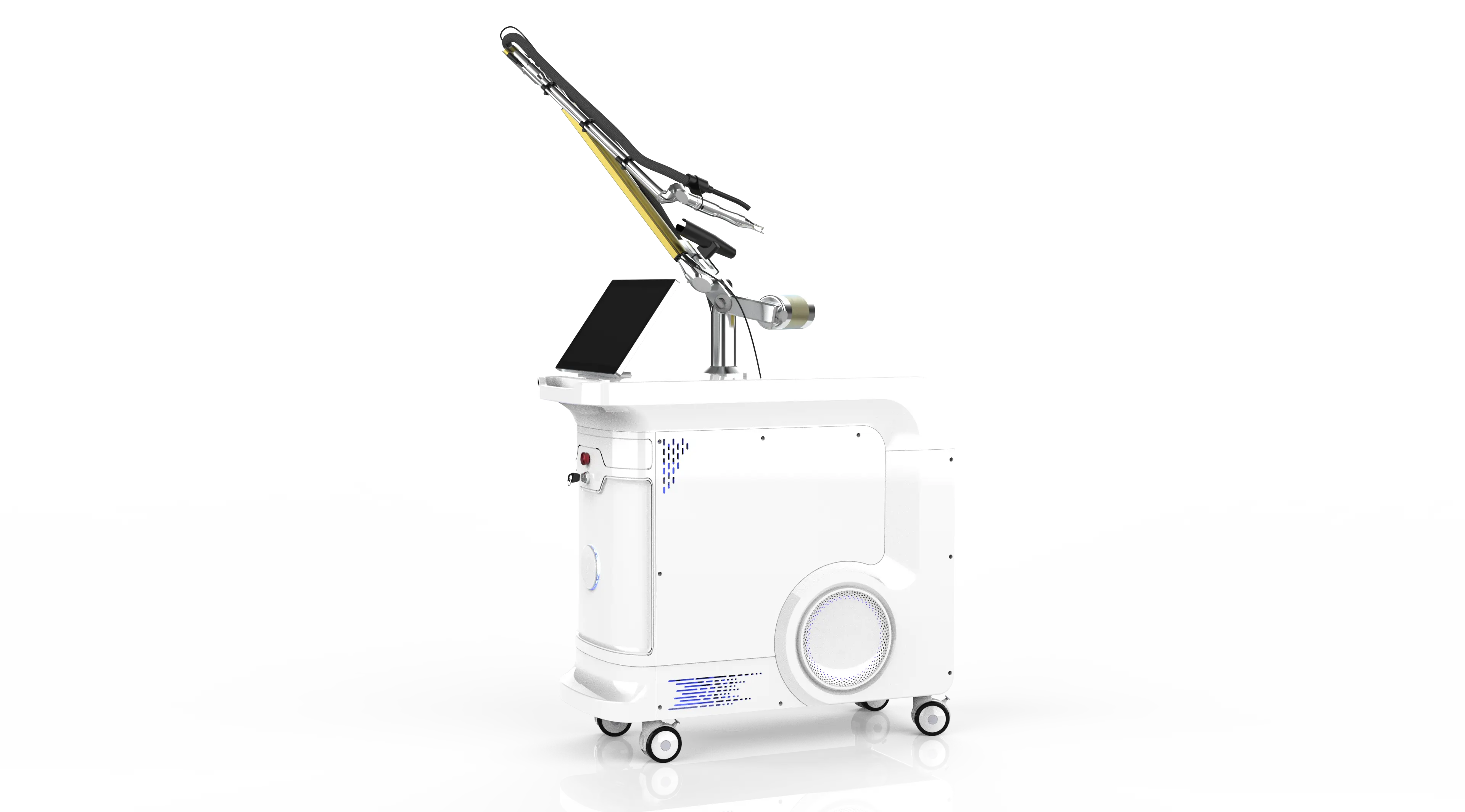
The system features a professional operating interface, a customized seven-joint articulated arm, and an integrated air-to-water cooling architecture.
Its configuration is intended to provide clinics with multiple treatment technology options through one integrated equipment platform.
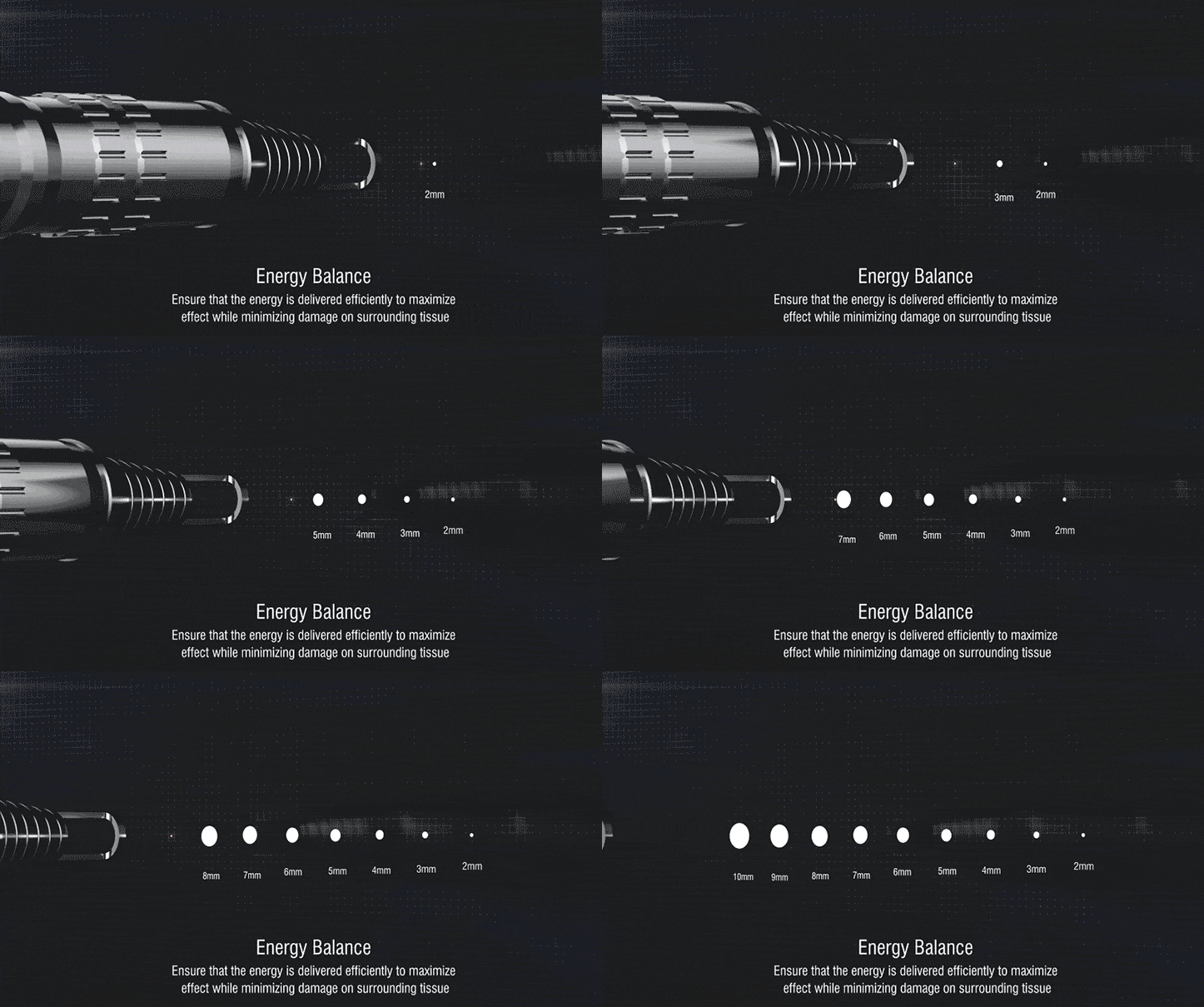
Professional Laser Handpieces and Accessories
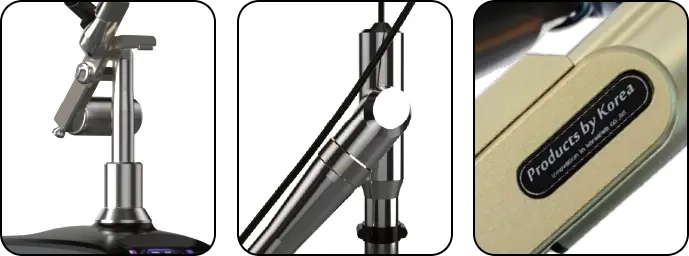
Different applicators and handpiece configurations support different treatment workflows. Clinics should confirm the standard configuration and optional components when requesting a quotation.
Piko Lazer Before and After: Treatment Application Examples
Before-and-after photography is an important visual resource for aesthetic clinics evaluating picosecond laser technology. It helps demonstrate the types of treatment concerns that professional systems are designed to address.
The following image panels are placeholders for verified clinical photographs. They are not actual Ultra PicoMax patient results or representations of guaranteed treatment outcomes.
1. Tattoo Removal

Picosecond laser treatments are used to target selected tattoo pigments through short-duration laser energy delivery. The degree of visible pigment reduction varies according to ink color, composition, depth, tattoo age, skin characteristics, and treatment protocol.
2. Pigmentation Treatment
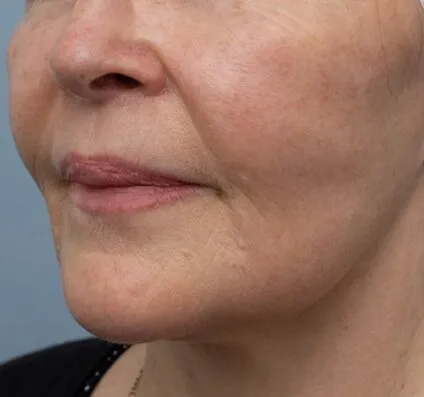
Selected pigmentation concerns may be evaluated for picosecond laser treatment. Outcomes depend on the pigmentation diagnosis, pigment depth, skin phototype, wavelength selection, and treatment parameters.
3. Skin Rejuvenation

Selected picosecond treatment configurations, including fractional applications where supported, may be incorporated into skin rejuvenation protocols. Visible changes in skin texture and appearance vary between individuals.
What Should Clinics Consider When Evaluating Before-and-After Results?
- Whether photographs represent the same patient.
- Whether lighting, camera angle, and distance are consistent.
- The number of treatment sessions.
- The time interval between photographs.
- The wavelength and treatment parameters used.
- Whether the photographs have been edited or retouched.
- Whether the patient has provided appropriate image consent.
For equipment manufacturers and distributors, authentic clinical documentation is more useful than generic stock photographs when communicating product capabilities to professional buyers.
Honeycomb HP Technology: Understanding LIOB in Pico Lasers
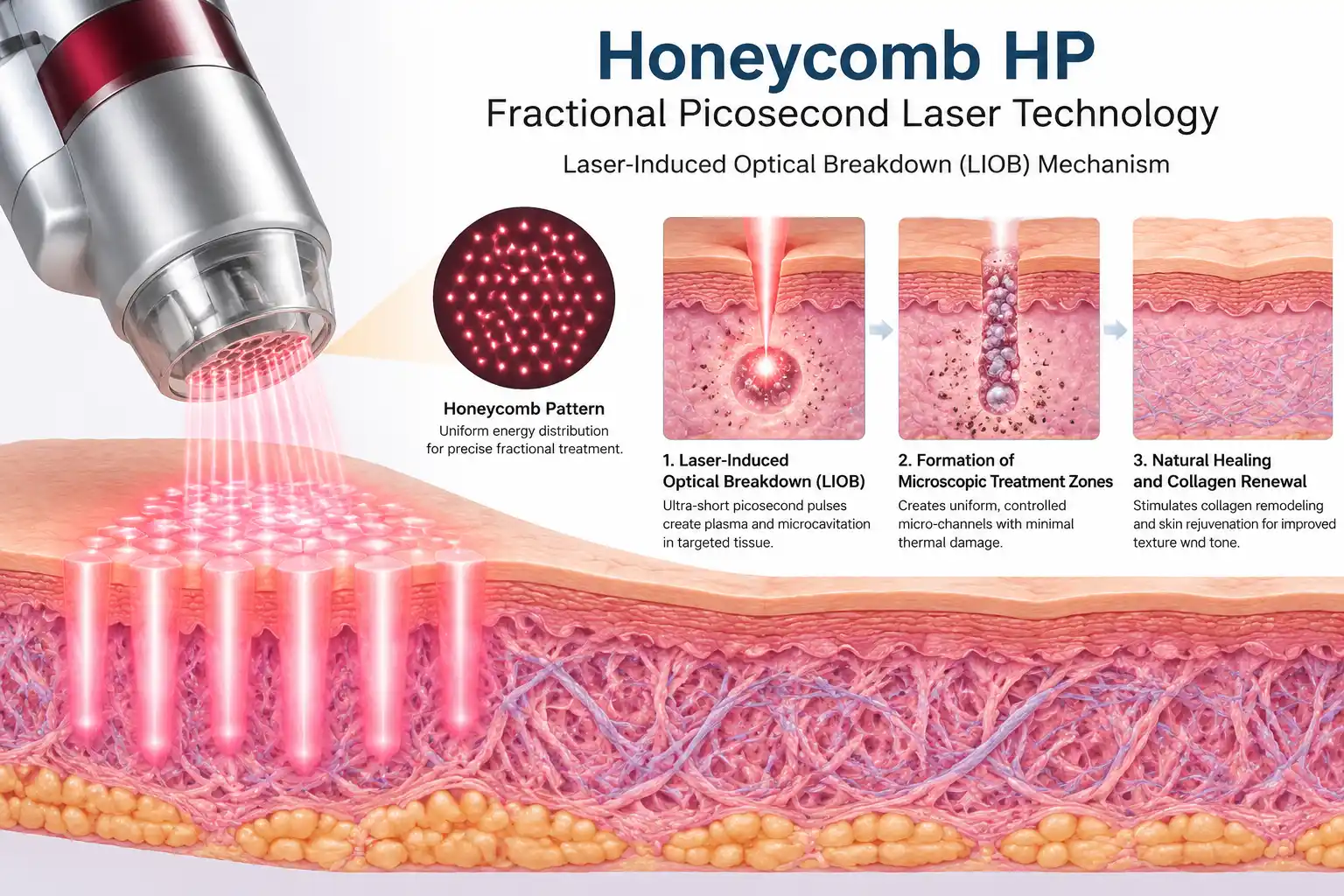
Honeycomb HP is an optional fractional applicator technology available for the Ultra PicoMax platform. It is based on Laser-Induced Optical Breakdown (LIOB), a process used to generate microscopic treatment zones within targeted skin tissue.
What Is Laser-Induced Optical Breakdown?
Laser-Induced Optical Breakdown refers to the formation of localized optical breakdown regions when sufficiently concentrated laser energy interacts with tissue.
In fractional picosecond applications, this mechanism can be used to create microscopic treatment zones while limiting the overall area exposed to the treatment.
How Does Honeycomb HP Technology Work?
The Honeycomb HP approach uses a specialized applicator to deliver laser energy in a fractional pattern.
Its design aims to generate microscopic treatment zones within the dermis while preserving the surrounding epidermal tissue. The actual tissue response depends on the selected device configuration and treatment parameters.
- Fractional energy delivery.
- Microscopic treatment zone formation.
- LIOB-based tissue interaction.
- Support for selected skin rejuvenation applications.
- Potential support for collagen remodeling.
Potential Applications of Honeycomb HP
Within professional aesthetic practice, fractional picosecond technology may be considered for selected applications involving:
- Skin texture improvement.
- Enlarged pores.
- Fine wrinkles.
- Selected acne scar concerns.
- Skin rejuvenation.
Treatment suitability and expected outcomes depend on patient assessment, treatment depth, device parameters, and professional technique.
Honeycomb HP vs Conventional Picosecond Treatment
| Feature | Conventional Picosecond | Honeycomb HP |
|---|---|---|
| Energy Delivery | Conventional focused laser delivery | Fractional delivery through a specialized applicator |
| Primary Mechanism | Photoacoustic and photomechanical effects | LIOB-based fractional tissue interaction |
| Treatment Focus | Selected pigment and tattoo applications | Selected fractional skin rejuvenation applications |
| Applicator | Standard treatment handpiece | Optional Honeycomb HP applicator |
These technologies serve different treatment objectives and should not be considered interchangeable. Clinics should evaluate the appropriate configuration according to their intended applications.
Why Choose Ultra PicoMax for Your Aesthetic Clinic?
Choosing a professional Piko Lazer machine involves more than comparing wavelengths and energy specifications. Clinics should consider treatment versatility, equipment configuration, operating workflow, technical support, and long-term service requirements.
1. Five Wavelengths in One Platform
Ultra PicoMax integrates 1064nm, 755nm, 650nm, 585nm, and 532nm wavelength options. This provides additional flexibility when evaluating different tattoo pigment and pigmentation treatment applications.
2. Multiple Treatment Technologies
The integrated Picosecond, PTP, Multi Pulse, Long Pulse, and Long Pulse Pro modes provide different operating options within one equipment platform.
3. Optional Honeycomb HP Fractional Technology
Clinics looking to expand their fractional treatment capabilities can evaluate the optional Honeycomb HP applicator and its LIOB-based technology.
4. Flexible Articulated Arm Design
The customized Korean seven-joint articulated arm supports flexible positioning and practical treatment access.
5. OEM and ODM Customization
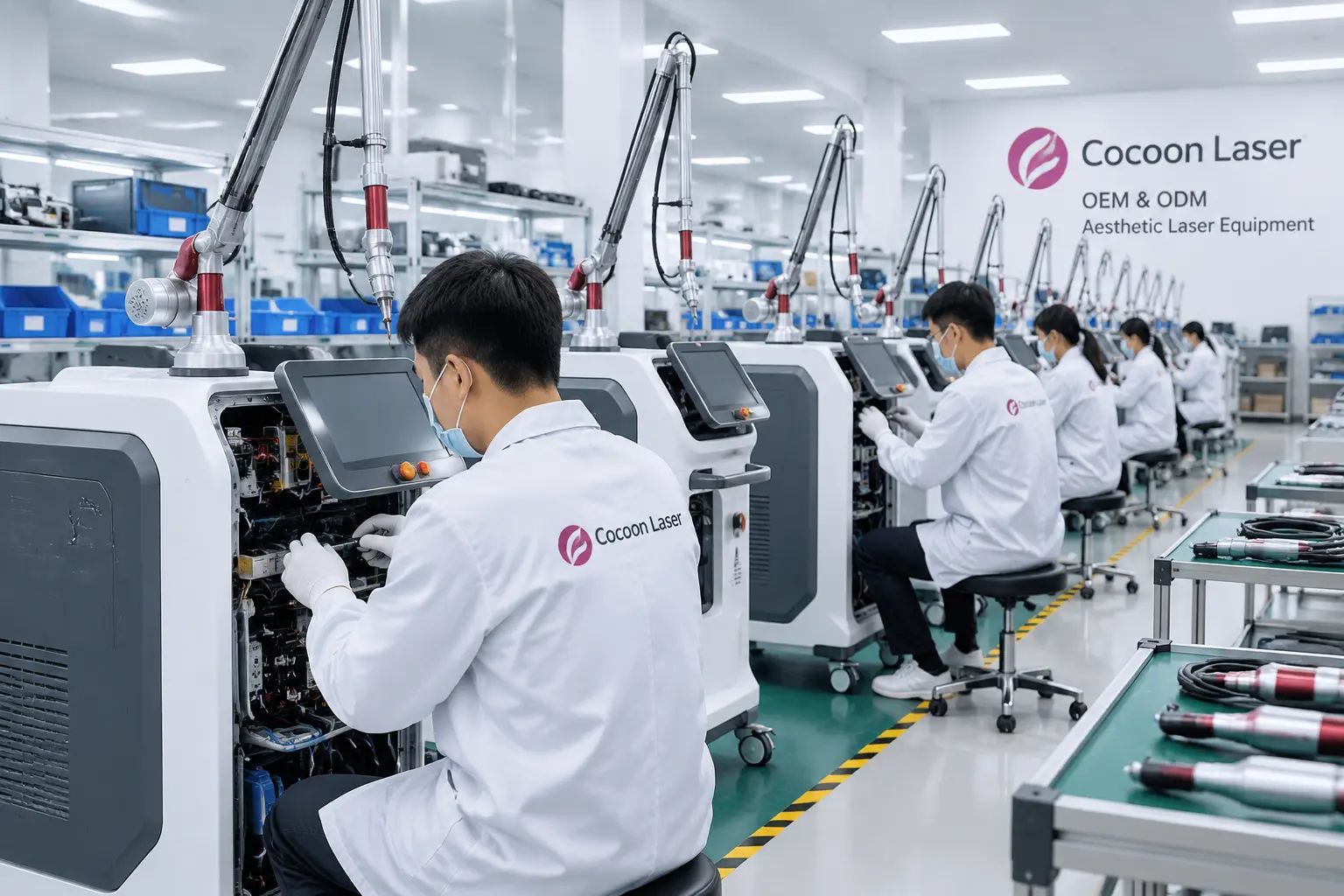
For international distributors and private label businesses, Cocoon Laser provides OEM and ODM cooperation options.
Available customization services include:
- Logo customization.
- Private label branding.
- Packaging customization.
- User manual customization.
- Appearance customization.
- Selected software and interface customization.
Ultra PicoMax Standard Configuration and Optional Accessories
Before purchasing a Piko Lazer machine, professional buyers should review the equipment configuration and confirm which accessories are included in the quotation.
Standard Configuration
- Main laser machine.
- Korean seven-joint articulated arm.
- Standard treatment handpieces.
- Foot switch.
- Power cable.
- User manual.
Optional Components
- Honeycomb HP applicator.
- Additional treatment handpieces.
- Protective goggles.
- OEM branding kit.
- Customized accessories.
Ultra PicoMax vs Other Piko Lazer Machines: What Should Buyers Compare?
When comparing different professional picosecond laser machines, buyers should focus on verified specifications and actual equipment configurations rather than relying on product names or promotional claims.
| Comparison Factor | Ultra PicoMax | Alternative Systems |
|---|---|---|
| Wavelengths | Five available wavelengths | Depends on model |
| Pulse Width | 350ps | Verify specifications |
| Repetition Rate | 1–10Hz | Verify specifications |
| Treatment Technologies | Five operating modes | Depends on configuration |
| Fractional Technology | Optional Honeycomb HP | Depends on configuration |
| Cooling System | Air-to-water cooling | Depends on model |
| OEM / ODM | Available options | Depends on supplier |
This comparison is intended as a purchasing checklist, not an independent performance ranking. Buyers should obtain comparable technical documents from every supplier before making a final decision.
Piko Lazer Machine Supplier for Clinics and Distributors
Cocoon Laser works with professional aesthetic equipment buyers, distributors, importers, and clinic operators looking for picosecond laser equipment.
Whether you are sourcing equipment for an existing aesthetic clinic or expanding a professional laser product portfolio, selecting the right system configuration is an important first step.
OEM and Private Label Cooperation
For distributors and businesses developing their own equipment brands, Cocoon Laser can discuss OEM and ODM cooperation options.
Depending on project requirements, customization may include:
- Equipment logo and branding.
- Private label packaging.
- Customized product documentation.
- Selected appearance options.
- Accessory configuration.
Who Can Work with Cocoon Laser?
- Medical aesthetic equipment distributors.
- Beauty equipment importers.
- Dermatology and aesthetic clinics.
- Professional laser equipment retailers.
- Private label equipment businesses.
What Information Should You Include in Your Inquiry?
To receive a more relevant quotation and equipment recommendation, buyers should provide the following information:
- Company name and business type.
- Destination country.
- Intended treatment applications.
- Required wavelengths and accessories.
- Estimated purchasing quantity.
- OEM or private label requirements.
Frequently Asked Questions About Piko Lazer Machines
1. What is a Piko Lazer machine?
A Piko Lazer machine is a professional laser system that delivers energy in picosecond-duration pulses. Depending on its wavelengths and configuration, it may be used for selected tattoo removal, pigmentation treatment, and skin rejuvenation applications.
2. What is the difference between Piko Lazer and Q-switched laser?
The main difference is pulse duration. Picosecond lasers deliver energy in picosecond-duration pulses, while conventional Q-switched systems typically operate with nanosecond pulses. Their interaction with tattoo pigments and skin tissue can therefore differ.
3. What wavelengths does Ultra PicoMax support?
Ultra PicoMax offers five wavelength options: 1064nm, 755nm, 650nm, 585nm, and 532nm. Each wavelength has different optical characteristics and application considerations.
4. What is the pulse width of Ultra PicoMax?
The documented pulse width of Ultra PicoMax is 350ps. Buyers should also evaluate its energy output, beam characteristics, and other technical parameters.
5. Can a Piko Lazer machine remove colored tattoos?
Picosecond laser systems can be used to target selected tattoo pigments. Different ink colors respond differently to laser wavelengths, and some pigments may be more resistant to treatment than others.
6. Is a multi-wavelength Piko Lazer machine better?
A multi-wavelength platform provides more wavelength options for different treatment targets. Whether it is the better choice depends on the clinic’s intended applications, equipment budget, and operating requirements.
7. What is Honeycomb HP technology?
Honeycomb HP is an optional fractional applicator technology associated with Laser-Induced Optical Breakdown (LIOB). It is designed to generate microscopic treatment zones for selected skin rejuvenation applications.
8. How much does a professional Piko Lazer machine cost?
The price depends on the laser platform, wavelength configuration, pulse performance, treatment handpieces, optional accessories, certification requirements, and after-sales support. Contact the supplier for a quotation based on your required configuration.
9. Can I purchase a Piko Lazer machine for my clinic?
Professional clinics can contact Cocoon Laser to discuss the Ultra PicoMax configuration, intended applications, equipment requirements, and availability for their market.
10. Does Cocoon Laser offer OEM and ODM services?
Cocoon Laser can discuss OEM and ODM cooperation options, including equipment branding, packaging, documentation, and selected customization requirements.
11. What should I check before purchasing a Piko Lazer machine?
Buyers should review wavelength options, pulse width, energy output, spot size, treatment modes, cooling architecture, safety features, regulatory documentation, warranty, and technical support.
12. How can I get a quotation for Ultra PicoMax?
Contact Cocoon Laser with your destination country, business type, intended applications, and equipment configuration requirements. The sales team can help discuss the appropriate product specifications and quotation details.
Is Ultra PicoMax the Right Piko Lazer Machine for Your Business?
Selecting a professional Piko Lazer machine requires balancing technical performance, treatment applications, equipment configuration, and long-term supplier support.
Ultra PicoMax combines five wavelength options, 350ps pulse width, five treatment technologies, and optional Honeycomb HP fractional technology in one professional aesthetic laser platform.
For clinics evaluating multi-wavelength picosecond equipment and distributors looking to expand their professional laser portfolios, Ultra PicoMax is a system worth considering.
Contact Cocoon Laser to discuss product specifications, available configurations, OEM options, and purchasing requirements.
Looking for a Professional Piko Lazer Machine?
Get in touch with Cocoon Laser to request Ultra PicoMax product information and a customized equipment quotation.
Request a QuoteAbout This Guide
This guide is prepared by Cocoon Laser to help professional aesthetic equipment buyers understand picosecond laser technology, product configurations, and important purchasing considerations.
Product specifications in this article should be confirmed against the latest Ultra PicoMax technical documentation. Treatment suitability, clinical outcomes, and regulatory requirements vary by individual and market.