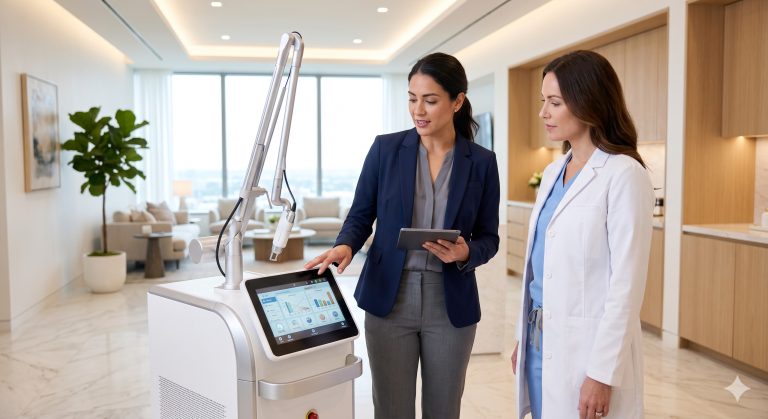
IPL Beauty Machine FAQ: Expert Answers for Aesthetic Clinics & Dermatologists
Overview
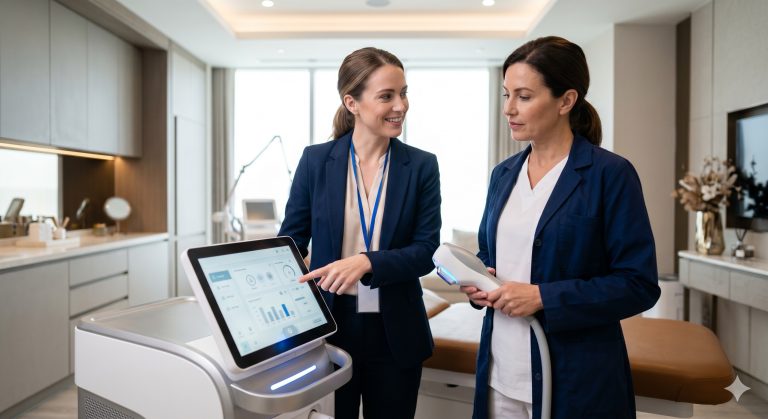
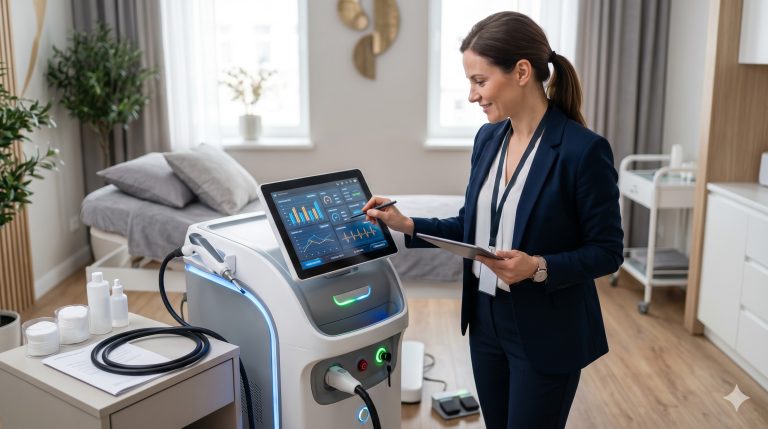
For aesthetic clinics and dermatology practices, selecting the right IPL (Intense Pulsed Light) beauty machine requires technical clarity on performance, safety across skin types, and total cost of ownership. This FAQ addresses high-intent B2B questions, from Fitzpatrick scale compatibility and pain management to consumable costs and staff training requirements.
Frequently Asked Questions
Q1: Is an IPL beauty machine suitable for all Fitzpatrick skin types in a clinical setting?
Yes, modern clinical-grade IPL beauty machines are safe and effective for Fitzpatrick skin types I-VI when equipped with adjustable pulse durations and contact cooling. However, type V-VI require longer wavelengths (e.g., 640-1200nm) and lower fluences (8-16J/cm²) to avoid epidermal burns. Always perform a test patch 48 hours prior to full treatment.
Q2: What is the typical pain level of an IPL beauty machine treatment for patients?
Patients describe the sensation as a mild elastic snap or warm pinch, rating 2-4 on a 10-point pain scale. Clinical-grade IPL beauty machines incorporate sapphire contact cooling (down to -5°C) and dynamic pulse control, which reduce discomfort significantly. Topical anesthetic cream is optional for sensitive areas like the upper lip or bikini line.
Q3: What is the average handpiece lifespan and total machine durability for a high-use clinic?
The IPL handpiece delivers 100,000-300,000 flashes, equating to 3-5 years of heavy clinical use (20-30 treatments/day). The main console typically lasts 7-10 years with proper maintenance. Monitor lamp degradation via built-in shot counters; replace the handpiece when fluence output drops below 80% of factory calibration.
Q4: How does a medical IPL beauty machine differ from older laser or home-use IPL devices?
Unlike home-use IPL (max 5J/cm²) or older long-pulse lasers (single wavelength), clinical IPL beauty machines deliver broadband light (500-1200nm) with interchangeable filters, higher fluence up to 50J/cm², and active cooling systems. This enables faster treatment of deeper chromophores (hair, pigmentation, vascular lesions) with lower epidermal risk.
Q5: What are the ongoing maintenance costs and consumable expenses for an IPL beauty machine?
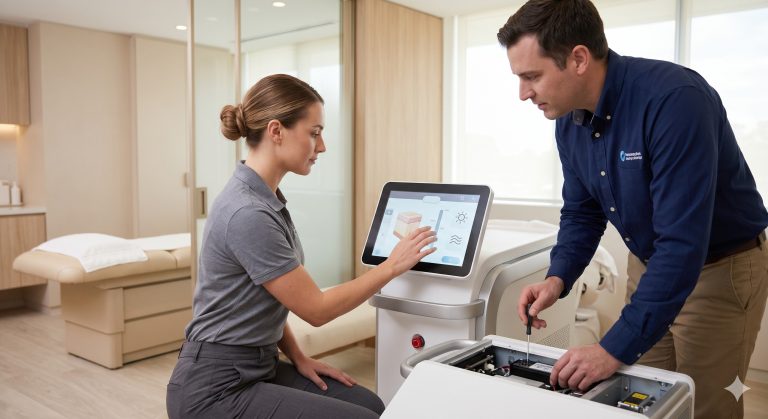
Annual maintenance costs average $800-$1,500 per unit, including optical cleaning, filter checks, and energy calibration. Consumables: replacement handpiece ($1,200-$2,500) every 3-5 years, treatment filters ($150-$400 each) every 18 months, and conductive gel/covers ($300/year). Budget 8-12% of the initial purchase price annually.
Q6: Does the manufacturer provide clinical training and technical support for IPL beauty machines?
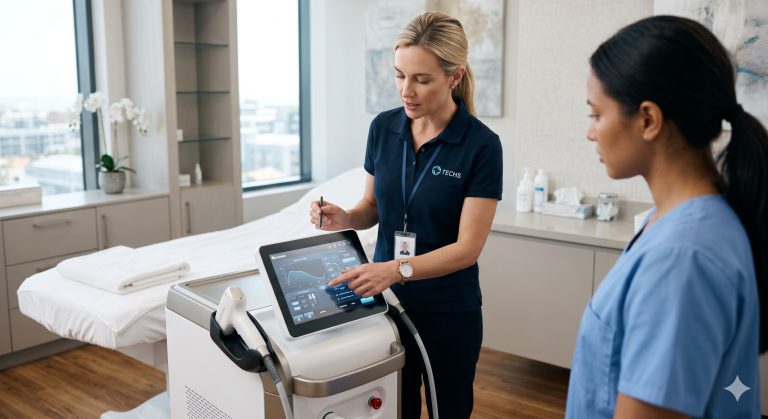
Yes, certified B2B suppliers include 2-3 days of on-site clinical training (Fitzpatrick validation, parameter setting, pain management) and 12 months of technical support with remote diagnostics. Post-support contracts are available from $1,200/year covering 48-hour parts replacement and software updates. Verify IEC 60601 certification before purchase.