Ingrown Hair Laser Removal FAQ: Expert Answers for Aesthetic Clinics & Dermatologists
Overview
For aesthetic clinics and dermatologists, offering laser hair removal for pseudofolliculitis barbae (PFB) represents a significant clinical and business opportunity. This FAQ addresses the technical, operational, and financial questions B2B buyers have about integrating ingrown hair laser removal into their practice, focusing on efficacy, safety, and return on investment for medical-grade devices.
Frequently Asked Questions
Q1: Does laser hair removal effectively cure pseudofolliculitis (ingrown hairs)?
Yes, laser hair removal is a highly effective treatment for managing and significantly reducing pseudofolliculitis, though it requires maintenance for optimal long-term results. The laser targets and damages the hair follicle, reducing hair density and preventing the thick, curly hairs from curling back into the skin, which causes inflammation . Clinical studies show that 70% of patients experience a ≥75% reduction in PFB lesions immediately post-treatment . However, recurrence is common, often within six months, indicating that maintenance sessions are necessary to sustain clearance .
Q2: Is laser hair removal for ingrown hairs safe for all Fitzpatrick skin types, including darker skin (IV-VI)?
Yes, when using the appropriate technology, laser hair removal is safe and effective for all skin types, including Fitzpatrick types IV, V, and VI. The Nd:YAG laser (1064nm) is the gold standard for darker skin types due to its deeper penetration and lower melanin absorption, minimizing the risk of epidermal damage and pigmentation changes . Diode lasers (810nm) can also be used effectively with low-energy settings and long pulse durations on darker skin . Clinics must ensure their protocols use longer pulse durations and conservative fluences to ensure safety .
Q3: What are the key wavelength options for a clinic purchasing an ingrown hair removal laser?
The primary wavelengths for treating pseudofolliculitis are the 1064nm Nd:YAG, 810nm Diode, and 755nm Alexandrite lasers. For clinics treating a diverse patient base, an Nd:YAG or a combination device is recommended. The 1064nm Nd:YAG laser is preferred for all skin types, especially types IV-VI, and for high fluence treatments . The 810nm Diode is highly effective for patients with Fitzpatrick skin types I-IV and offers deep penetration . The 755nm Alexandrite is best suited for lighter skin types with fine-to-medium hair . A multi-wavelength platform provides the greatest clinical flexibility.
Q4: What clinical results can we promise patients seeking treatment for pseudofolliculitis barbae?
Clinics can expect and promise significant clinical improvement, but should set realistic expectations about the treatment course. Patients typically require 4-6 initial sessions spaced 4-8 weeks apart to achieve maximum hair reduction . Post-treatment, many patients can resume shaving, with 96% of patients in a military study able to shave again after their treatment series . It is crucial to counsel patients that while the condition is greatly improved, long-term maintenance sessions are highly likely to prevent recurrence and manage patchy regrowth .
Q5: What is the typical ROI and consumable cost for adding this treatment to my clinic?
Laser hair removal for ingrown hairs offers a high ROI with low consumable costs, making it a profitable addition to any med spa or dermatology practice. The primary consumable is the laser handpiece, which has a defined shot lifespan, often requiring replacement after a set number of pulses. Clinics can build a recurring revenue model through initial treatment packages and ongoing maintenance sessions. By offering a clinically proven solution for a painful condition, clinics can expand their patient demographics and enhance their reputation for inclusive, evidence-based care .
Q6: What are the contraindications for laser hair removal in treating PFB?
Key contraindications include active skin infections in the treatment area, pregnancy, recent tanning, and patients taking photosensitizing medications. Before any treatment, it is critical to perform a thorough patient evaluation. Specific contraindications include active inflammation, wounds, sunburn, or chemical peels in the target area . Additionally, patients with very light, white, red, or gray hair are poor candidates as the laser targets melanin in the hair follicle. A history of keloid scarring also requires careful consideration .
Q7: How does high patient comfort and cooling work in modern ingrown hair lasers?
Modern medical-grade devices incorporate advanced contact cooling mechanisms to ensure patient comfort and epidermal protection. This is essential when using higher fluences needed to treat coarse hair. Integrated sapphire contact cooling cools the skin’s surface before, during, and after the laser pulse, reducing the risk of burns and making the treatment more tolerable . This feature is particularly important for darker skin types where epidermal melanin is a competing chromophore .
Q8: What kind of technical support and maintenance does a clinic laser machine require?
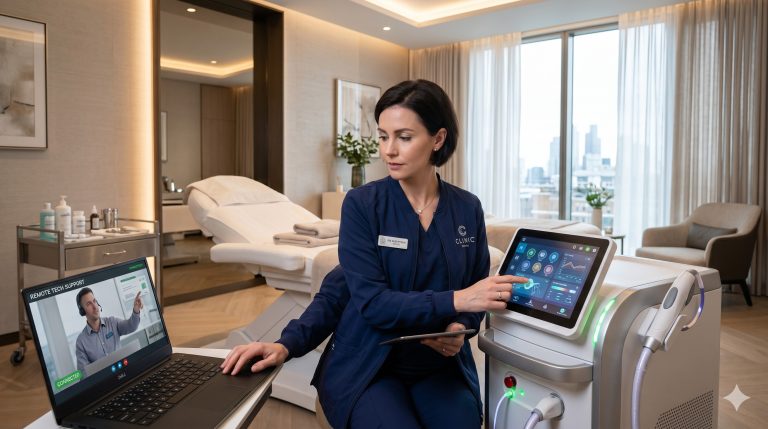
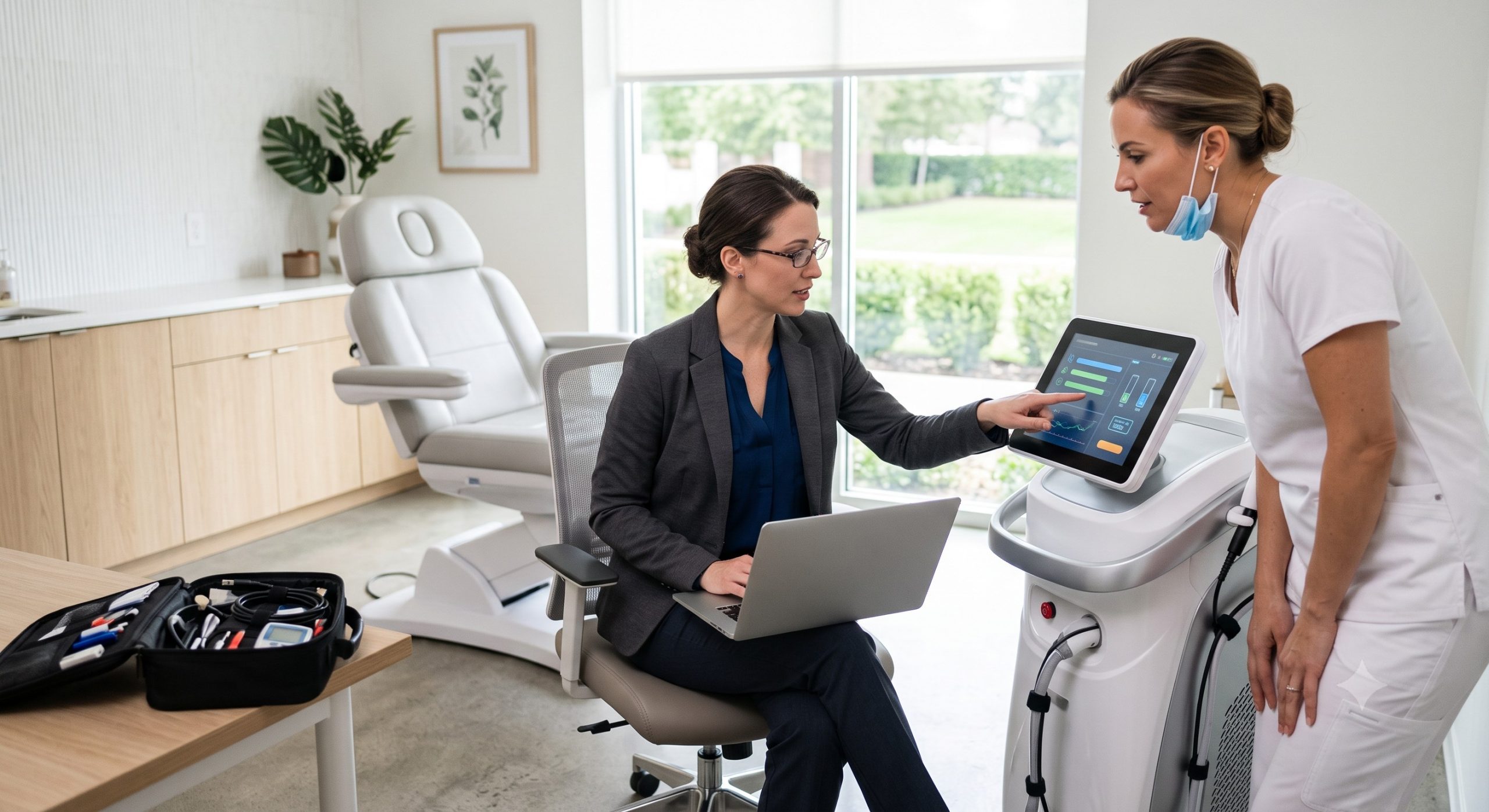
Routine maintenance for a medical laser includes monitoring the water circulation system, cleaning the handpiece optics, and tracking shot counts. To ensure consistent performance and longevity, clinics must adhere to the manufacturer’s maintenance protocol. This often involves regular checks of the water circuit and thermal regulation systems . Post-sales technical support is critical; clinics should verify that their vendor provides comprehensive training, consumable availability, and prompt technical assistance to minimize downtime.