Clinic Maintenance Manual: Cleaning, Water Circuits & Upkeep for Safe Laser Hair Removal Technology
Overview
For medical aesthetic clinics and dermatology practices, investing in safe laser hair removal technology requires more than comparing wattages or handpiece designs. Long-term clinical success depends on understanding pre-sales compatibility, post-sales maintenance protocols, and regulatory safety benchmarks. This FAQ addresses the most critical technical, operational, and financial questions from clinic owners and laser technicians.
Frequently Asked Questions
Q1: Is safe laser hair removal technology effective and truly safe for all Fitzpatrick skin types (I-VI)?
Yes, modern safe laser hair removal technology with integrated contact cooling and dual wavelengths (810nm diode + 1064nm Nd:YAG) is FDA-cleared and CE-marked for Fitzpatrick skin types I-VI. The key safety mechanism is selective photothermolysis combined with real-time epidermal protection: the 810nm wavelength targets melanin in the follicle for lighter skin, while the 1064nm wavelength bypasses epidermal melanin to treat darker skin types safely. To achieve this, the device must include a sapphire contact cooling tip that maintains epidermal temperatures between -5°C and +5°C, preventing thermal burns even at high fluences (up to 120 J/cm²).
Q2: How does the advanced contact cooling system work to enable painless treatments?
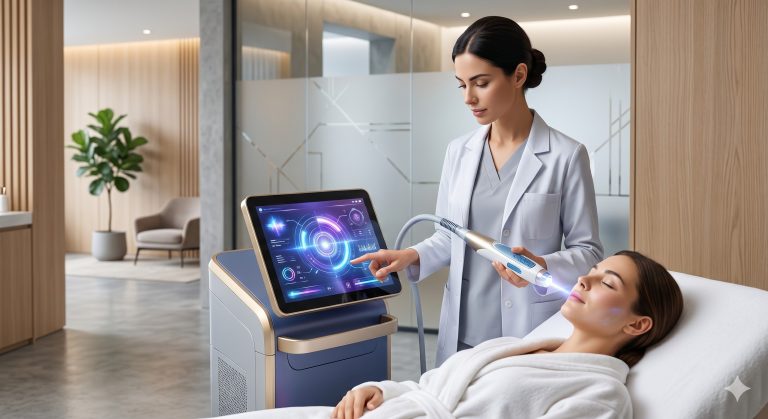
The advanced contact cooling system continuously chills the sapphire window to 0°C to -5°C using a thermoelectric cooler (TEC) and a closed water circulation loop. This system performs three simultaneous functions: it numbs the epidermis before the laser pulse (pre-cooling), protects the basal layer during the 50-100ms pulse (parallel cooling), and soothes post-treatment erythema (post-cooling). Clinically, this eliminates the need for topical anesthetics, reduces treatment time by 40%, and increases patient compliance. For clinics, the key maintenance requirement is checking the water circuit monthly for air bubbles or leaks, as coolant degradation directly compromises pain management and safety.
Q3: What is the typical handpiece shot lifespan, and what are the real consumable costs?
The typical handpiece shot lifespan for clinical-grade safe laser hair removal technology is 500,000 to 2,000,000 full-energy shots before diode degradation reaches 20% power loss. After this threshold, the handpiece requires factory replacement (not field-serviceable). Real consumable costs are remarkably low compared to IPL: there are no flashlamps, gels, or disposable tips. The only routine consumables are distilled water for the cooling circuit (replaced every 6 months) and optical cleaning wipes. At 200,000 shots per month, the cost-per-shot drops below $0.0003, making the technology highly profitable for high-throughput clinics. Always verify if your supplier offers a handpiece warranty covering 80% of rated shot life.
Q4: What is the clinical ROI and payback period for a clinic purchasing this technology?
The typical payback period for safe laser hair removal technology in a dedicated aesthetic clinic is 3 to 8 months, assuming 80-120 full-body treatments per month at an average price of $250-$400 per session. The calculation model: a standard 3-handpiece diode laser system costs $15,000-$35,000. With 100 monthly treatments ($30,000 gross revenue) and near-zero consumable costs, operating margin exceeds 85%. Compared to legacy alexandrite or IPL systems that require $3,000-$8,000 annually in flashlamps and gels, the 24-month total cost of ownership is 60-70% lower. For accelerated ROI, clinics should also offer package pricing (6-session bundles) and combination treatments (laser + radiofrequency skin tightening).
Q5: What maintenance protocols are required for the water circulation system and thermal regulation?
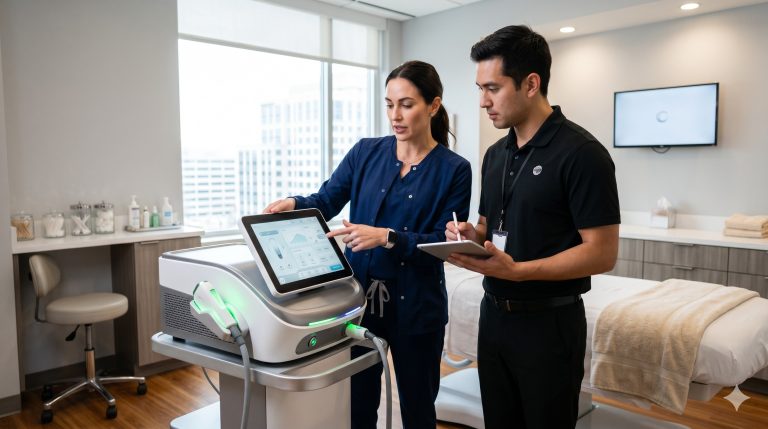
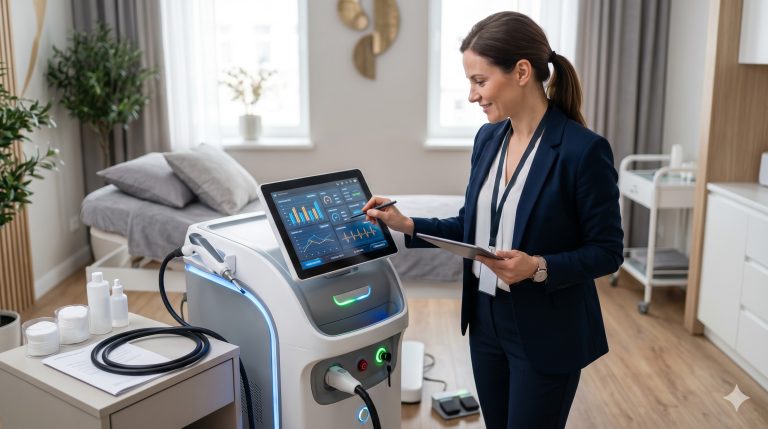
The water circulation system requires four specific maintenance protocols to prevent thermal shutdown or pump failure. First, replace distilled water every 6 months or after 500 operating hours, using only medical-grade distilled water (conductivity <5 µS/cm). Second, clean the external radiator filter monthly with compressed air to remove dust buildup that reduces cooling efficiency by up to 30%. Third, inspect tubing connections for micro-leaks weekly; even a 2ml water loss reduces TEC cooling performance by 50%. Fourth, run the self-diagnostic pump test every morning before first patient treatment to verify flow rate (minimum 1.2 L/min). Failure to follow these protocols voids the warranty on the laser bars and TEC modules, which represent 60% of the device's replacement cost.
Q6: What regulatory certifications (FDA, CE, ISO 13485) should a buyer verify before purchase?
Three certifications are non-negotiable for safe laser hair removal technology in regulated medical markets. First, FDA 510(k) clearance specifically for ‘laser hair removal’ indication (not just general dermatological use) ensures the device has passed U.S. safety and efficacy trials. Second, Medical CE Mark (Class IIb or III under MDD/MDR) is mandatory for European clinics and demonstrates compliance with electrical safety (IEC 60601-1) and laser safety (IEC 60825-1) standards. Third, ISO 13485:2016 certification for the manufacturer proves quality management systems for medical devices. Red flags include devices with only ‘CE’ (self-declared) without a Notified Body number (e.g., CE 0123), or manufacturers who cannot provide the original 510(k) summary document. Always request these documents and verify them on the FDA and NANDO databases before down payment.
Q7: How does safe laser hair removal technology compare to legacy IPL or alexandrite lasers for clinical outcomes?
Safe laser hair removal technology achieves 70-85% permanent hair reduction after 6 sessions, compared to 40-60% for IPL and 60-75% for alexandrite lasers. Three technical advantages drive this difference: spectral purity (laser bandwidth <2nm vs IPL >30nm) ensures melanin-specific absorption without competing chromophores; longer pulse widths (10-100ms vs alexandrite’s 1-5ms) safely treat coarse terminal hairs in all anagen phases; and contact cooling enables higher fluences (100-120 J/cm²) than cryogen spray (max 50 J/cm²). For clinics, the upgrade economics are clear: replacing an IPL with diode technology increases treatment price by 40-60% while reducing session count from 10-12 to 6-8, improving both patient satisfaction and chair turnover by 25%.
Q8: What technical support and training does a B2B buyer receive after purchase?
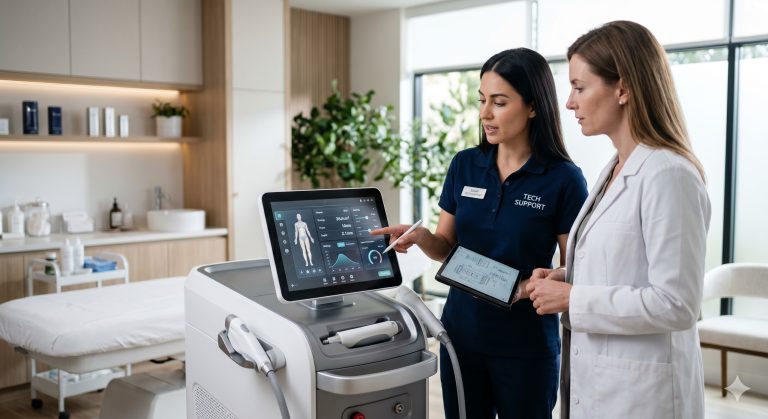
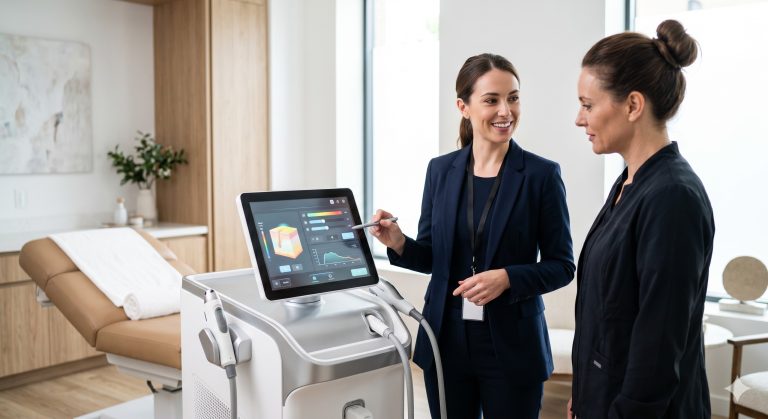
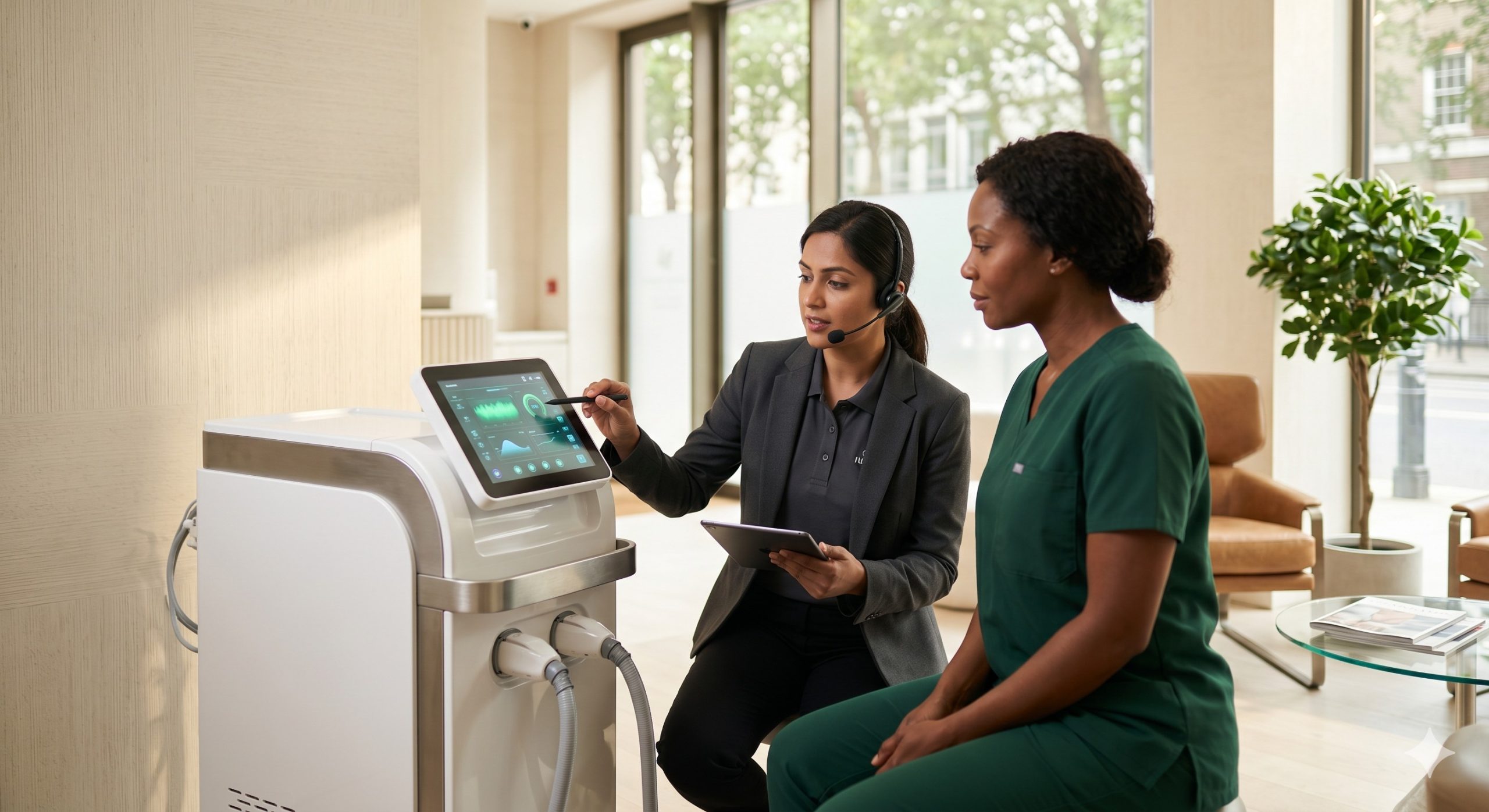
A legitimate B2B supplier provides three tiers of post-sales technical support: remote diagnostics (24-48 hour response SLA), on-site repair dispatch (72-hour arrival guarantee for major metro areas), and a dedicated parts warehouse with 5-year availability for handpieces, TECs, and mainboards. For training, expect 2 full days of on-site clinical instruction covering laser physics, parameter mapping for skin types, handpiece handling to prevent optical damage, and emergency stop procedures. Additionally, the supplier must provide a locked technician portal with full service manuals, firmware update files, and troubleshooting flowcharts. Do not accept a deal where support is limited to email-only or requires shipping the device to an overseas service center, as this creates 4-6 weeks of clinic downtime and lost revenue of $15,000-$30,000.