B2B Buyer’s Guide: Warranty, Training, and Shipping FAQ for Alexandrite vs Diode Laser
Overview
Choosing between an alexandrite and a diode laser is a significant capital investment for any aesthetic clinic. This FAQ is designed for B2B buyers, clinic owners, and dermatologists to understand the critical technical, operational, and financial differences. We address the most common pre-sales and post-sales questions to ensure you select the right platform for your practice’s needs and patient demographics.
Frequently Asked Questions
Q1: What are the fundamental differences between an alexandrite and a diode laser for hair removal?
The fundamental difference lies in their wavelength and target chromophore. Alexandrite lasers operate at 755nm, which is highly absorbed by melanin, making it exceptionally fast and effective for treating light to olive skin tones (Fitzpatrick I-III). Diode lasers typically operate at 800-810nm or 940nm, offering a longer wavelength that penetrates deeper with less melanin absorption. This makes diode lasers a safer and more versatile option for a broader range of skin types, including darker skin (Fitzpatrick IV-VI), as the deeper penetration reduces the risk of epidermal burns while still effectively targeting the hair follicle.
Q2: Which laser is a safer investment for a clinic with a diverse patient base?
For a clinic with a diverse patient base, a diode laser is generally the safer and more versatile investment. Its longer wavelength (e.g., 810nm) provides a superior safety profile for darker skin types by reducing melanin competition in the epidermis. While alexandrite lasers offer unmatched speed on lighter skin, the diode’s broader applicability and lower risk of post-inflammatory hyperpigmentation (PIH) make it a more adaptable and, therefore, more profitable platform for a wider demographic, reducing the need for multiple devices to cover all skin types.
Q3: How do the treatment speeds compare between alexandrite and diode lasers for clinic throughput?
Alexandrite lasers are renowned for their high repetition rates and large spot sizes, often delivering faster treatment sessions for large areas like backs and legs. However, modern high-powered diode lasers have significantly closed this gap, offering comparable speeds with advanced scanning and rapid repetition technologies. While alexandrite may still have a marginal speed advantage on light-skinned patients, the difference is often negligible in practice, and the enhanced safety and versatility of the diode make it the preferred choice for optimizing overall clinic throughput and patient scheduling.
Q4: What are the key maintenance and consumable costs for each laser type?
Both laser types require regular maintenance, but costs can vary. The most significant consumable is the handpiece, with a defined shot count lifespan (typically 1-5 million shots, costing $5,000 – $15,000 for a new handpiece). Alexandrite flashlamps often have a shorter lifespan and need more frequent replacement than diode bars, impacting operational costs. Additionally, diode systems may have more sophisticated cooling circuits and water filtration systems that require periodic, but less frequent, professional maintenance. Investing in a diode laser with a high-quality, imported laser bar can offer lower long-term consumable expenditure due to its durability and longer effective pulse delivery life.
Q5: What technical support and warranty should I expect from a B2B supplier?
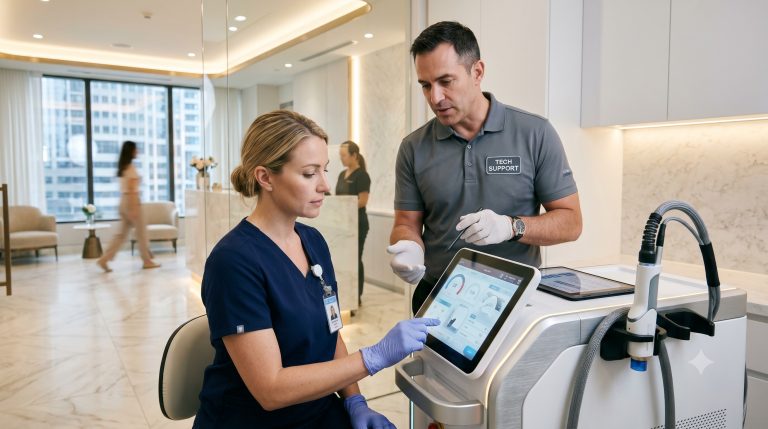
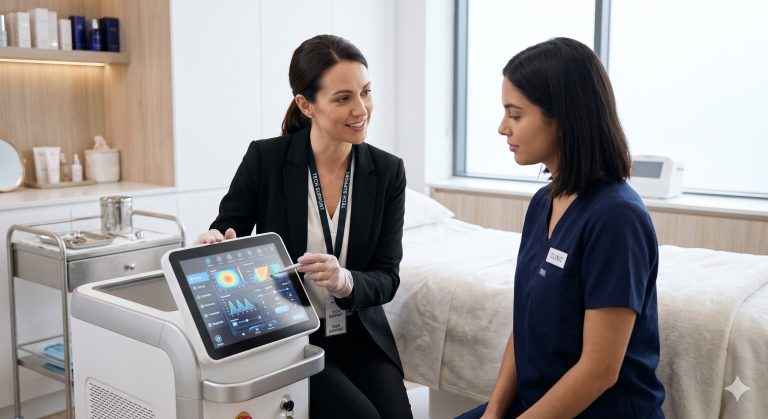
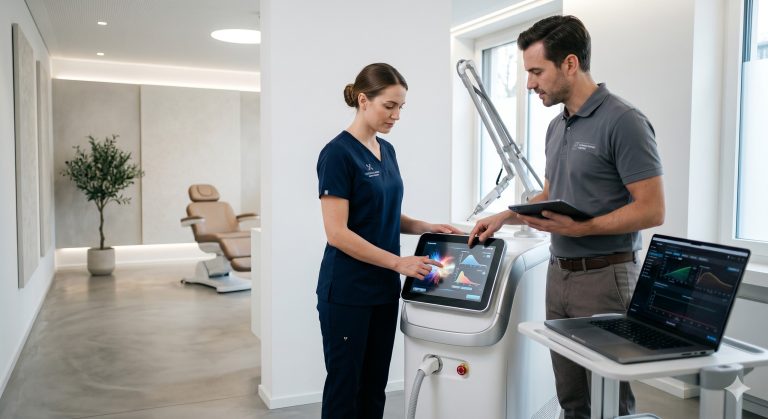
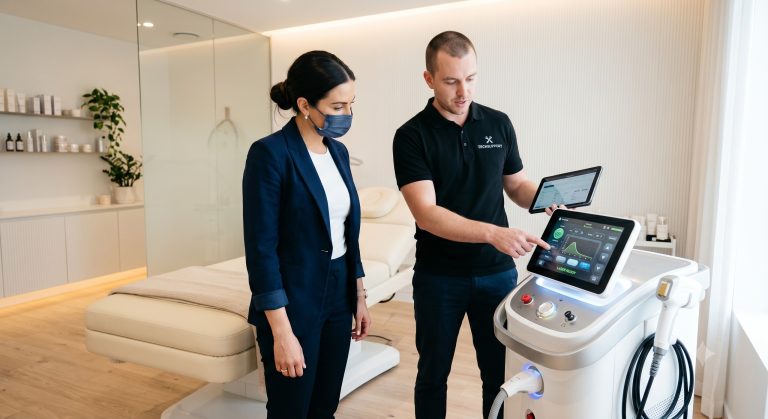
A reliable B2B supplier should offer a comprehensive warranty package covering parts and labor for at least 1-2 years, with the laser engine itself having a separate warranty (e.g., 2-3 years). Technical support must be responsive, offering remote troubleshooting and timely access to service engineers. For international buyers, crucial after-sales support includes a clear policy for logistics, spare parts delivery, and potentially loaner devices to ensure your clinic’s operations are not interrupted. Always verify that the supplier provides comprehensive training on machine operation and clinical protocols as part of the package to ensure ROI is met.
Q6: How do I choose between them for my specific clinic’s ROI?
Choosing between an alexandrite and a diode laser for maximum ROI requires a strategic assessment of your patient demographics and treatment pricing. If your clinic is located in a region with a predominantly light-skinned population and you can offer high-volume, fast treatments at a competitive price, an alexandrite may offer an excellent ROI. However, if you aim to attract a diverse clientele and offer premium, safer treatments with a lower risk of complications, the diode laser provides a better long-term ROI due to its versatility, lower consumable costs over time, and ability to capture a larger market share, justifying a potentially higher initial investment.
Q7: What are the specific skin cooling and pain management differences?
Effective contact cooling is paramount for both safety and patient comfort. Alexandrite lasers often utilize a simpler cryogen spray or a sapphire contact cooling tip. Diode lasers typically integrate advanced contact cooling systems that actively cool the epidermis during the entire pulse delivery, which is crucial for protecting the skin and enhancing comfort. This superior epidermal protection offered by modern diode systems provides a competitive advantage in patient retention and word-of-mouth referrals, making it a critical factor for clinics focused on delivering a painless and comfortable experience.